English
 русский
 Español
Content
At the end of the first month of operation, a 30% hydrochloric acid transfer pump on a chemical plant line showed heavy pitting along the shaft sleeve. The pump had a stainless steel casing and a closed impeller, and it was rated for 20 m3/h. The failure was not a manufacturing defect; it was a mismatch between the pump kind and the fluid being moved. Jiangsu Huanyu Chemical New Materials Co. Ltd. manufactures more than ten series and 300 specifications of industrial pumps from its facility in Jingjiang, and its engineering team classifies every series along three axes: impeller geometry, mounting plane, and wetted-part material.
A centrifugal pump is a rotodynamic machine that converts motor torque into fluid pressure using a rotating impeller inside a volute casing.
Centrifugal pumps of each axis answer a different question. The impeller decides how much head the pump can make and whether solids can pass. The mounting plane decides how the pump is primed and how much floor space it consumes. The wetted-part material decides whether the pump survives the medium. Knowing the kinds of centrifugal pumps along these three axes removes most of the guesswork from a process pump enquiry.
Kinds of Centrifugal Pumps by Impeller Design
Impeller geometry is the first decision filter, because it sets the trade-off between solids handling, efficiency, and head generation. Decide first whether the bigger risk is a plugged waterway or a worn impeller edge.
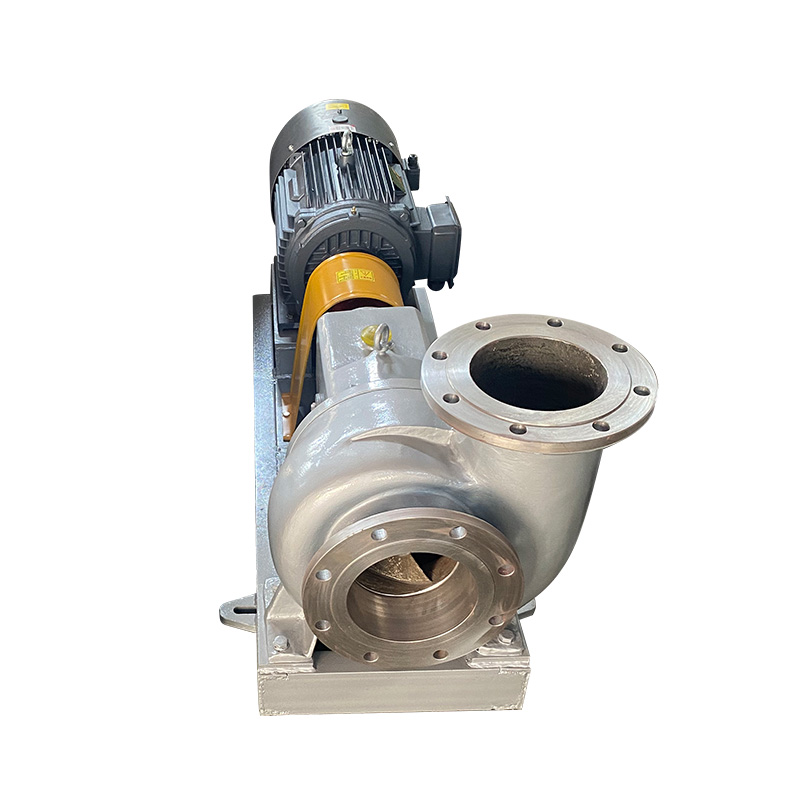
Closed impellers have shrouds on both sides and deliver the highest head and efficiency, but their passages are narrow. Semi-open impellers have one back shroud and an exposed blade edge, which handles light slurries and fibrous matter with a modest efficiency penalty. Open impellers have no shrouds at all, pass large debris, and appear in waste-water and heavy slurry service.
| Impeller type | Solids handling | Efficiency | Typical head | Best for |
| Closed | Limited | Highest | High | Clean chemicals and water |
| Semi-open | Moderate | Medium | Medium | Slurries and viscous media |
| Open | Excellent | Lower | Low | Waste water and heavy solids |
Default rule: keep a closed impeller for clean chemical transfer, move to semi-open at about 10% by weight of solids, and reserve open impellers for heavy slurry or fibrous streams.
Horizontal, Vertical and Submersible Configurations
The mounting plane determines suction condition, footprint, and maintenance access, not head or flow. A vertical pump cannot outperform a horizontal pump of the same diameter on clean-water duty, but it can run without priming, which removes the most common installation failure.
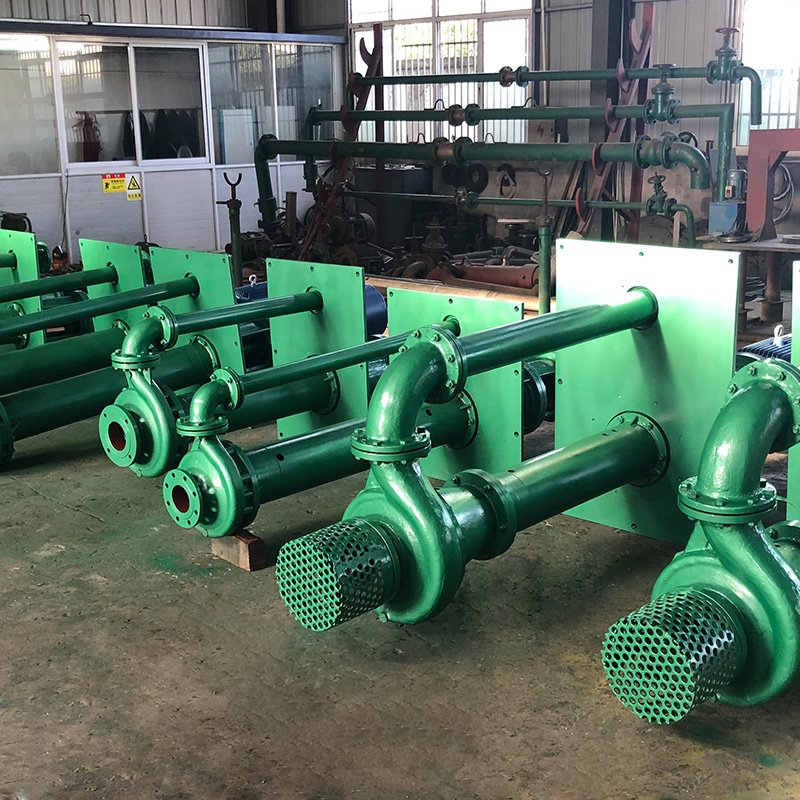 FY Vertical Submersible Pump for Corrosive Chemical TransferThis long-shaft vertical pump suits tank or pit mounting with flooded suction, avoiding priming issues. It follows ISO2858 and ISO5199 standards and handles corrosive media from 0°C to 105°C, with options for extended temperatures and materials.View Product →
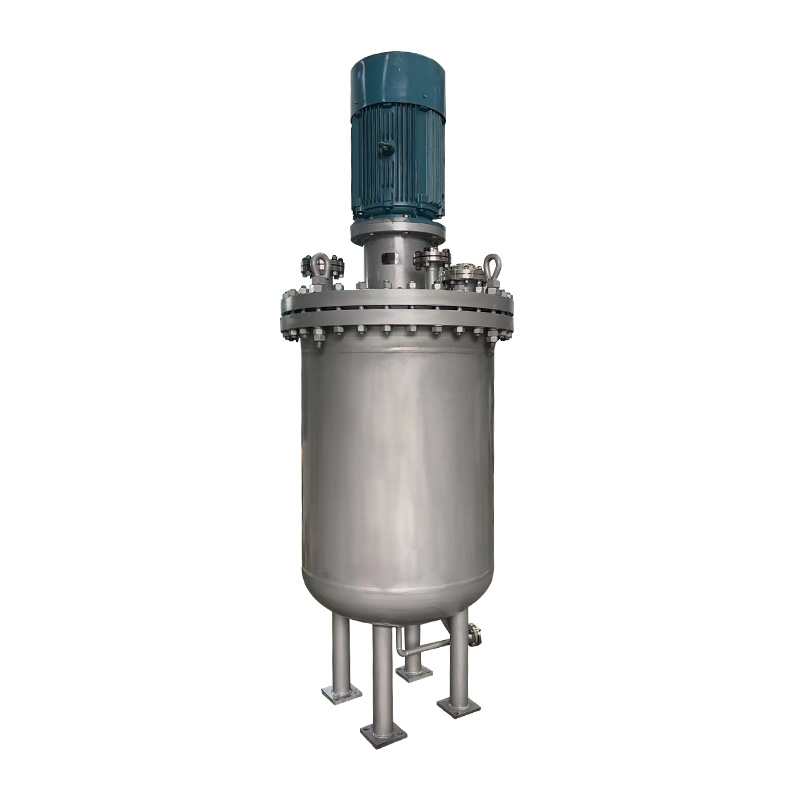
Horizontal single-stage pumps are the default on process skids because the open shape makes seal inspection and bearing service straightforward. Vertical long-shaft pumps sit above a tank or pit with the intake submerged, so the column gives flooded suction. Submersible pumps enter the liquid and seal the motor above the fluid line.
| Configuration | Suction | Footprint | Maintenance | Typical use |
| Horizontal | Priming required | Large | Easy access | Process plants |
| Vertical long-shaft | Flooded suction | Small | Moderate | Pits and tanks |
| Submersible | Immersed | Small | Pull-out access | Reservoirs and sumps |
Flooded suction is not a feature; it is an installation decision. If a site cannot guarantee flooded suction, choose a vertical or self-priming design rather than a strictly horizontal pump.
Special-Duty Kinds of Centrifugal Pumps for Difficult Media
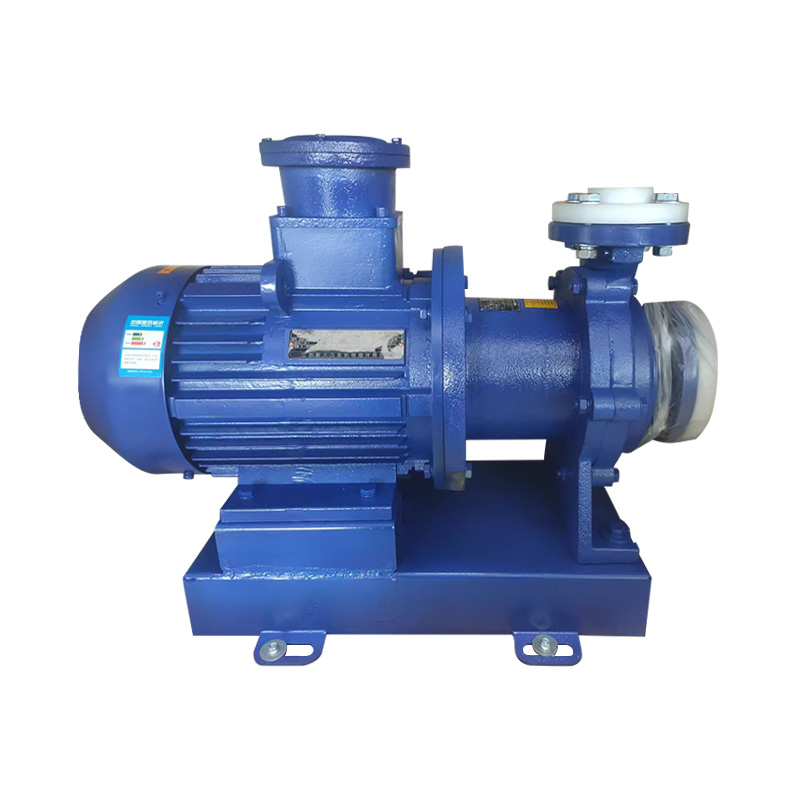
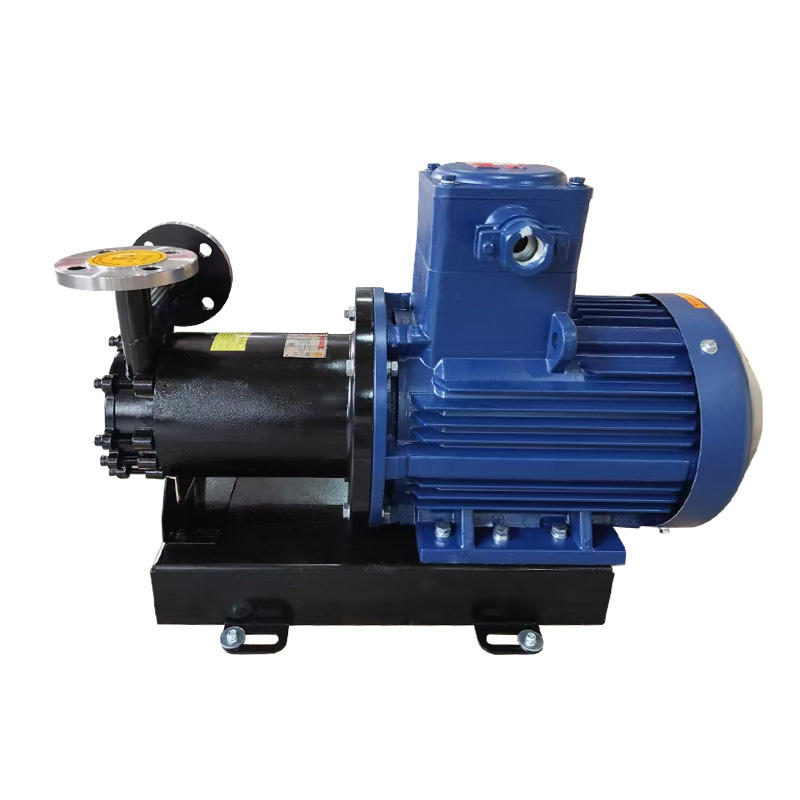
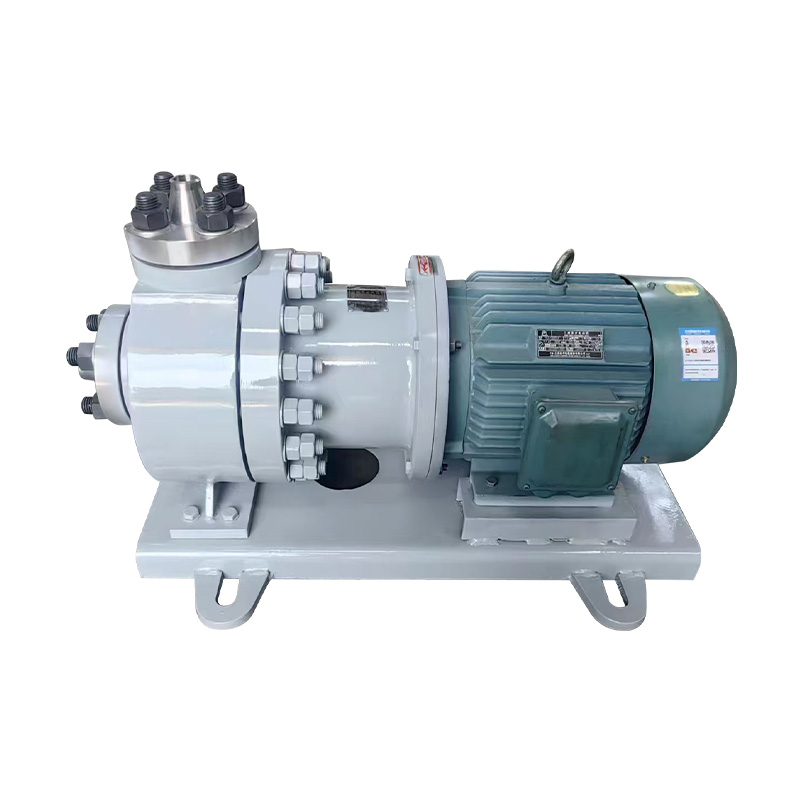
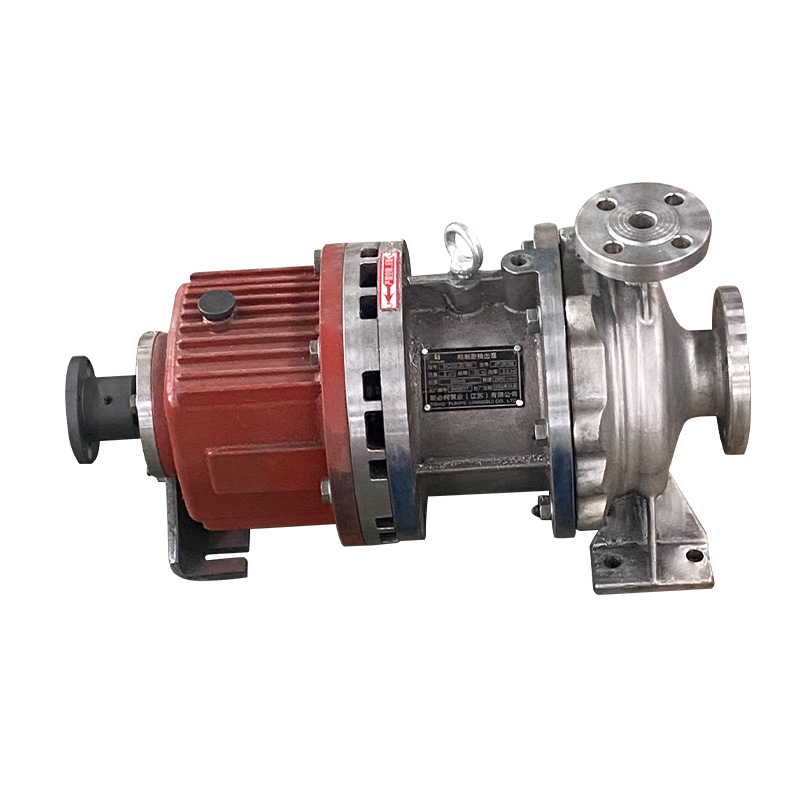
When the fluid attacks the casing or the pump must never leak, you move from a sealed pump to a magnetic drive or fluoroplastic-lined design. Magnetic drive pumps eliminate the mechanical seal by transmitting torque through a containment shell, so the liquid cannot reach the atmosphere.
The chemical magnetic drive pump compatibility documented by Huanyu covers the wetted-material matching that sustains that zero-leak guarantee. The CQB ordinary magnetic pump is built for clean corrosive media such as solvents and dilute alkalis.
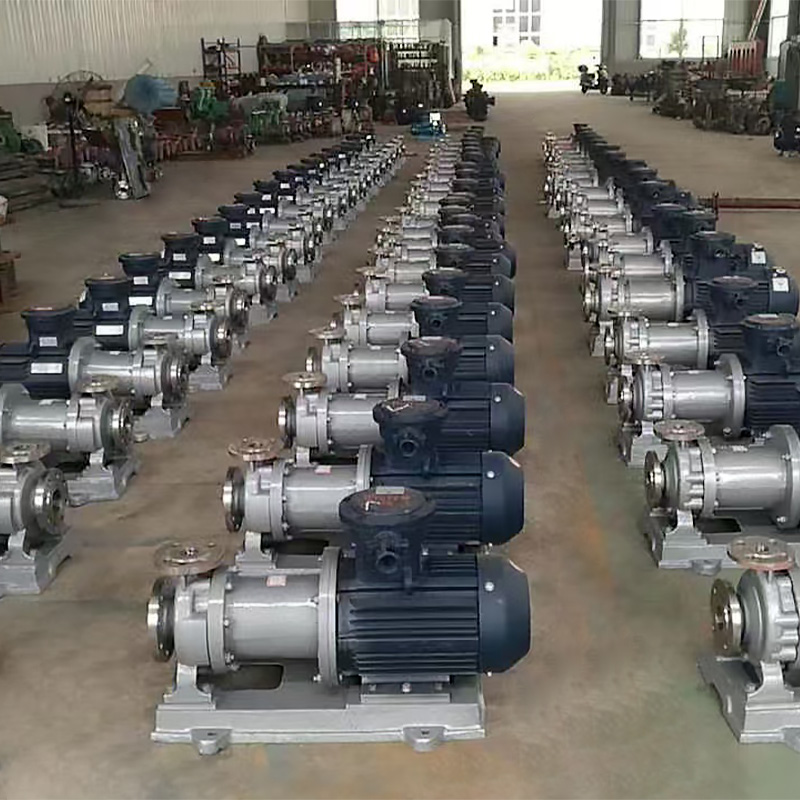 CQB Ordinary Magnetic Pump for Leak-Free Corrosive LiquidsThis sealless magnetic drive pump eliminates leakage, ideal for flammable, toxic, or precious liquids. It handles clean corrosive media without hard particles, with wetted parts available in alloys like 316 or titanium for chemical and pharmaceutical duties.View Product →
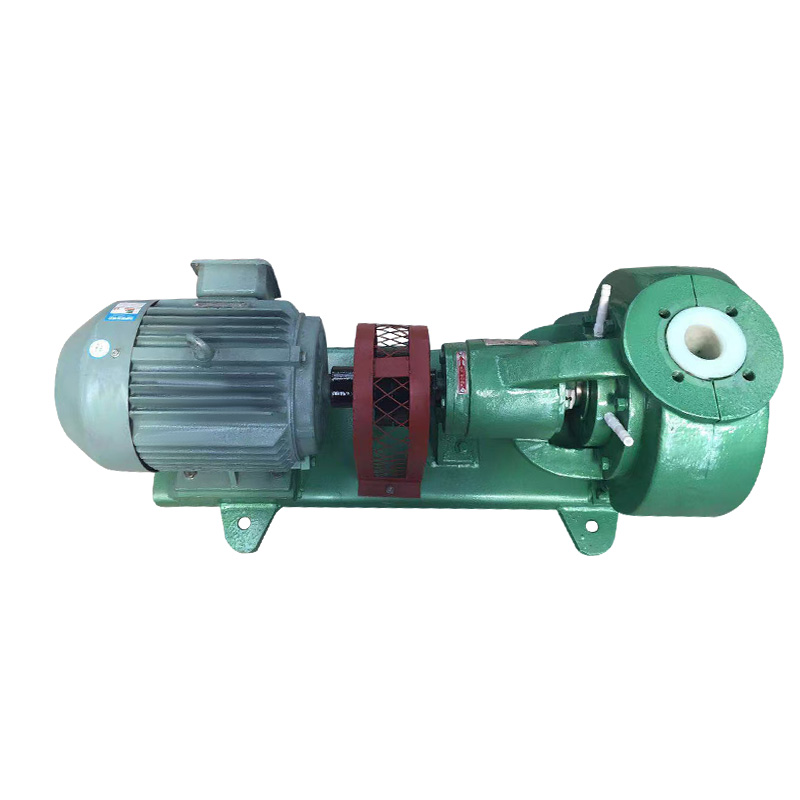
Fluoroplastic-lined pumps keep the metal casing but expose the fluid only to PTFE or PFA. They resist mineral acids and mixed aggressive media at a lower material cost than nickel-based alloys or titanium. The complete anticorrosion centrifugal pump guide on the Huanyu site walks through liner selection, but the IHF fluorine-lined pump remains the workhorse in chlor-alkali and dye duties.
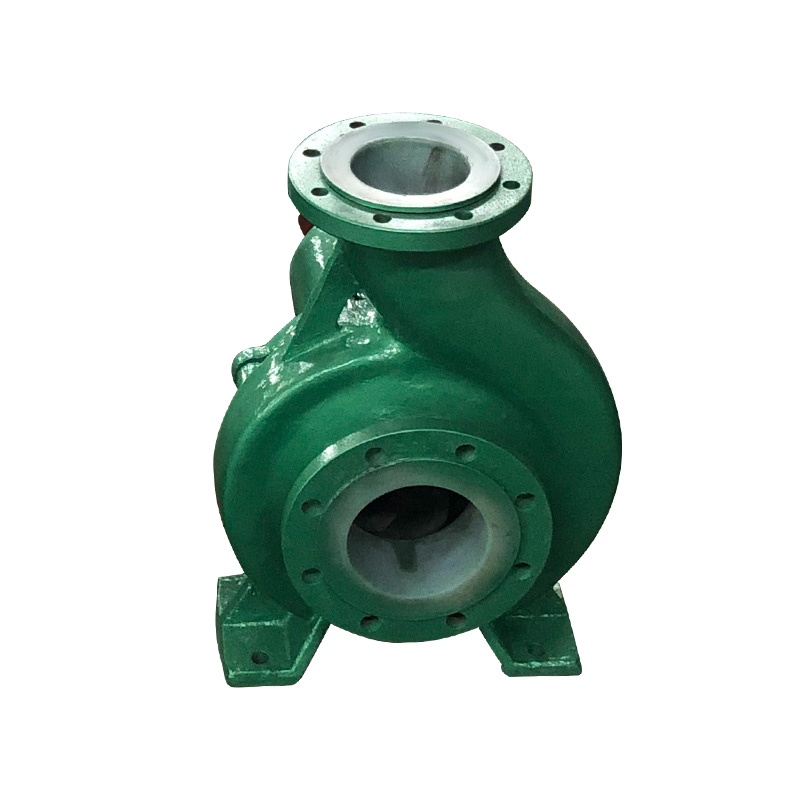 IHF Fluorine Lined Pump for Aggressive Acid HandlingThe IHF pump combines a metal casing with PTFE or PFA lining, offering cost-effective resistance to mineral acids and mixed aggressive media. It is a reliable workhorse in chlor-alkali and dye applications.View Product →
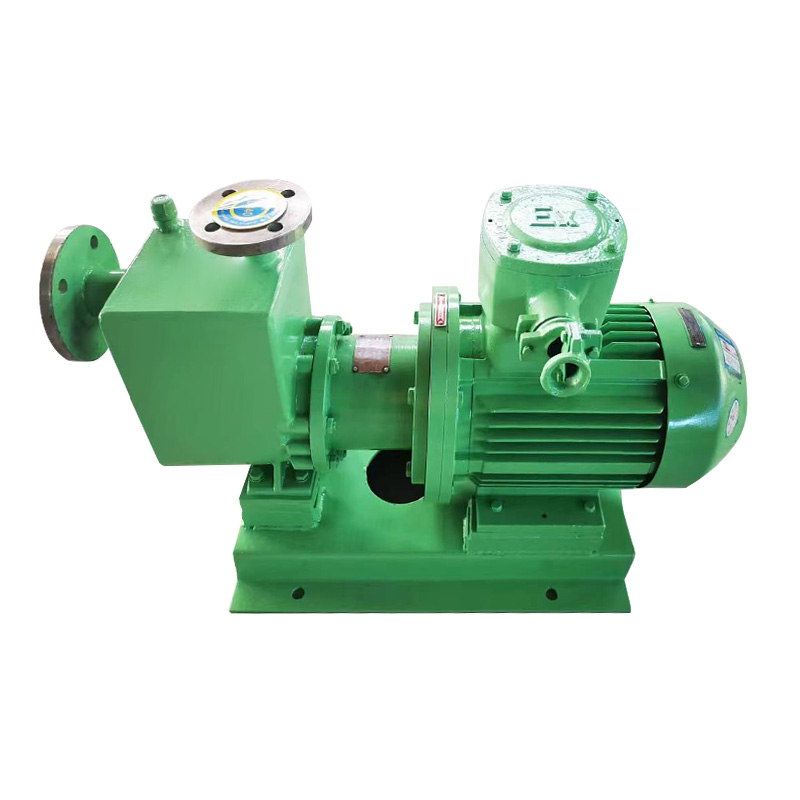
Self-priming centrifugal pumps are a separate hydraulic family. They evacuate air from the suction line, lift liquid from a source below the pump, and then run like a normal centrifugal pump.
| Family | Critical use | Sealing | Limitation |
| Magnetic drive | Toxic or volatile media | Seal-less | Clean, low-viscosity |
| Fluoroplastic lined | Aggressive acids | Conventional or magnetic | No large solids |
| Self-priming | Sump transfer and drainage | Conventional | Intermittent duty |
Rule of thumb: use a magnetic drive pump when the cost of one leak exceeds the cost of the pump itself.
How to Match the Kinds of Centrifugal Pump to the Process
Map flow, head, solids, temperature, and seal-criticality in that order before you select a series or model. Capacity and total dynamic head are the hydraulic numbers that decide the impeller diameter and pump size.
After the hydraulic map, run a selection checklist in sequence:
- Define the required flow and total dynamic head.
- Check solids content and particle size.
- Record liquid temperature and vapour pressure.
- Match wetted materials to corrosivity.
- Set the leakage tolerance and sealing strategy.
- Confirm the available NPSH at the pump suction.
| Service | Recommended pump family |
| Direct acid transfer | Fluoroplastic lined |
| No leakage allowed | Magnetic drive |
| High flow and low head | Mixed-flow or axial flow |
| Slurry with hard particles | Slurry pump |
When two pump families overlap, choose the one that keeps maintenance access simple. The best repair is the one you can perform without removing the motor.
Frequently Asked Questions
What is the most common kind of centrifugal pump?
The single-stage, single-suction horizontal centrifugal pump with a closed impeller is the most common. It covers clean liquids, chemicals and water transfer in the 1.6 to 400 m3/h range and is the default on process skids.
Which centrifugal pump is best for acids?
A fluoroplastic-lined pump such as the IHF is the standard choice for mineral acids and aggressive chemical mixtures. For extremely dilute acids, a magnetic drive pump with compatible wetted parts also works well.
What is the difference between a magnetic drive and a sealed pump?
A sealed pump uses a mechanical seal to keep the liquid inside the casing. A magnetic drive pump removes the mechanical seal entirely and drives the impeller through a containment shell, so leakage to the atmosphere is physically impossible.
Can a centrifugal pump handle viscous liquids?
Centrifugal pumps handle low to medium viscosity fluids well. Beyond about 500 cP, efficiency drops sharply and a positive displacement pump becomes the better option.