English
 русский
 Español
Content
- 1 Why Fluoroplastic Pumps Outperform Every Alternative
- 2 How Corrosion Destroys Centrifugal Pumps — and What to Do About It
- 3 Anti-Corrosion Maintenance Strategies for Long Service Life
- 4 Installation and Disassembly Precautions
- 5 Selecting the Right Fluoroplastic Material for Your Application
- 6 Frequently Asked Questions
- 6.1 Can a fluoroplastic centrifugal pump handle slurries with suspended solids?
- 6.2 What sealing arrangement is recommended for hazardous chemical service?
- 6.3 How does temperature affect fluoroplastic pump performance limits?
- 6.4 What is the expected service interval for a correctly specified fluoroplastic pump?
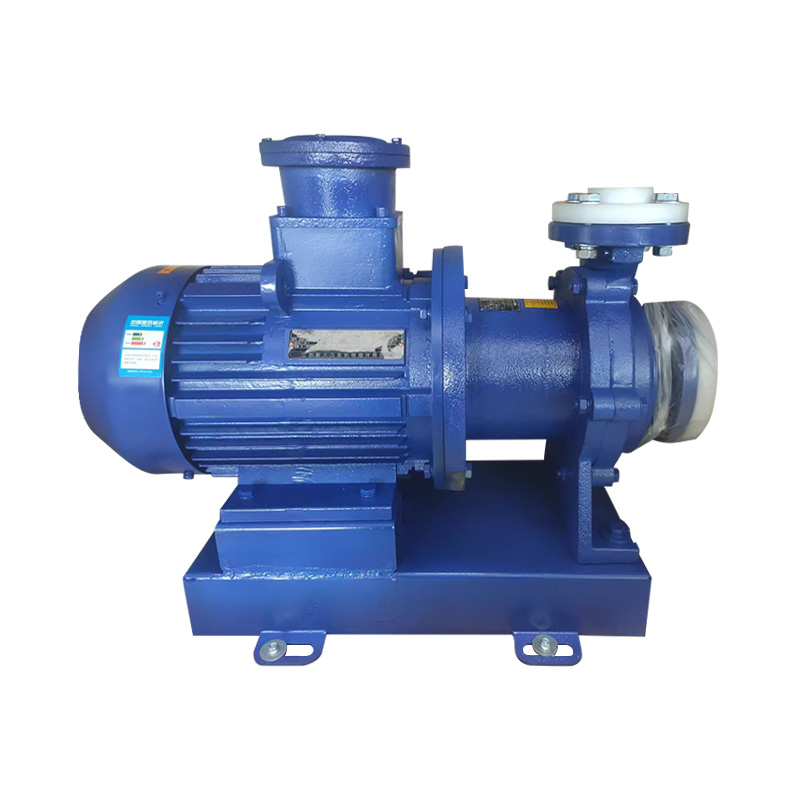
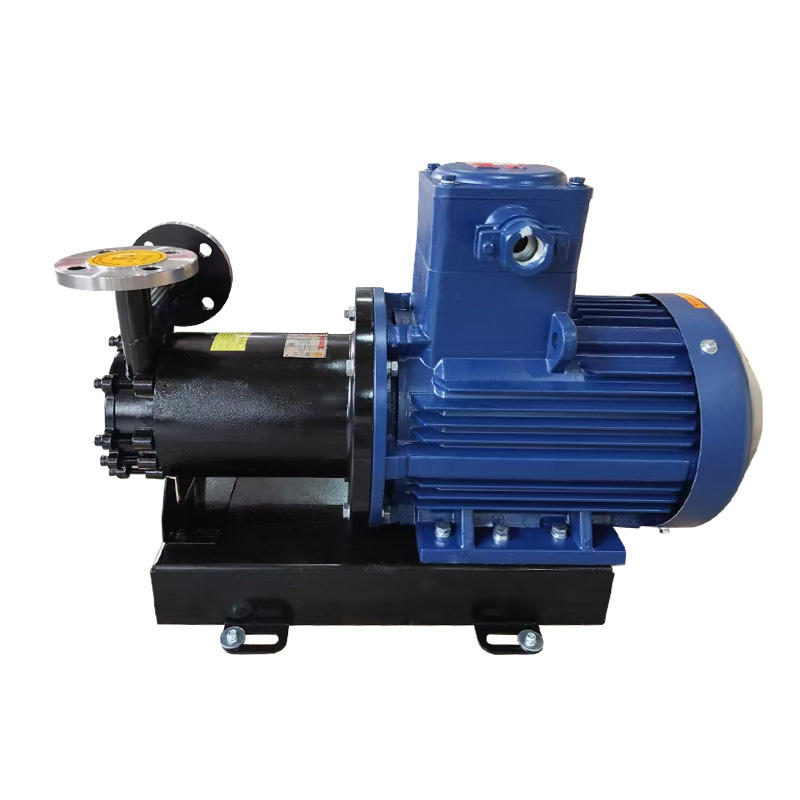
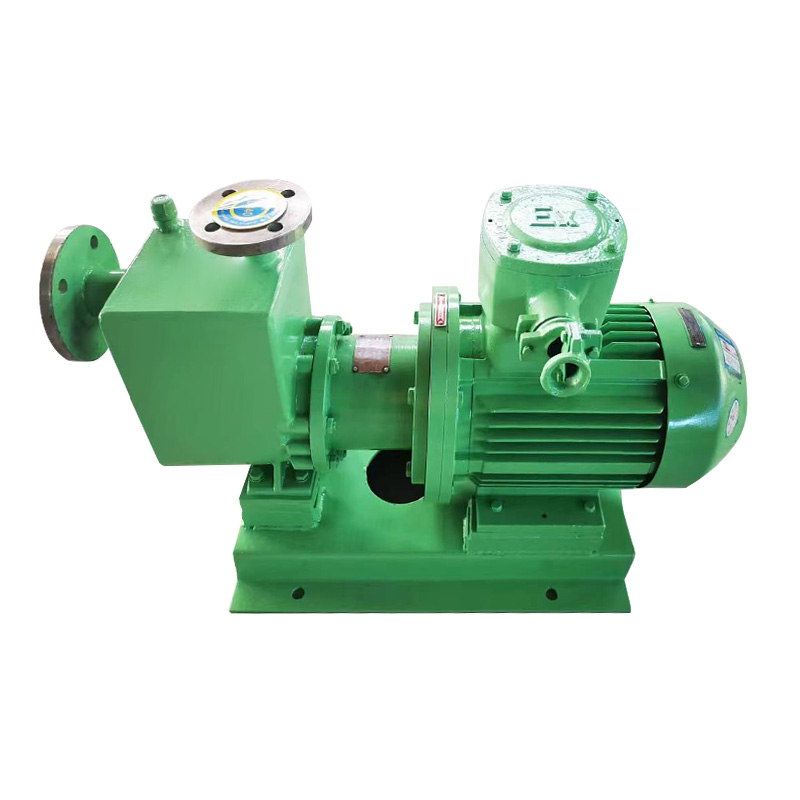
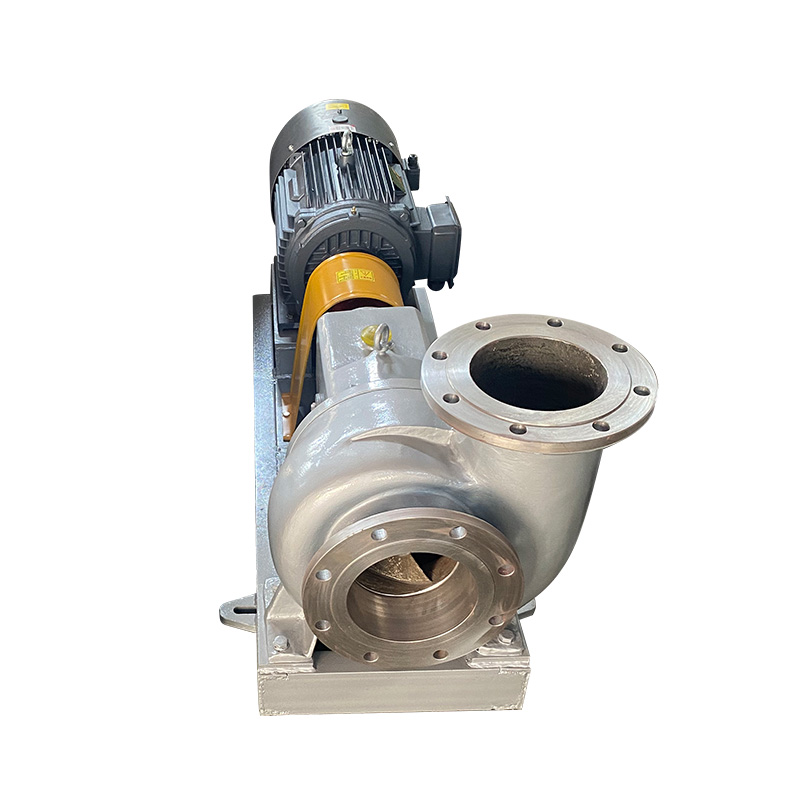
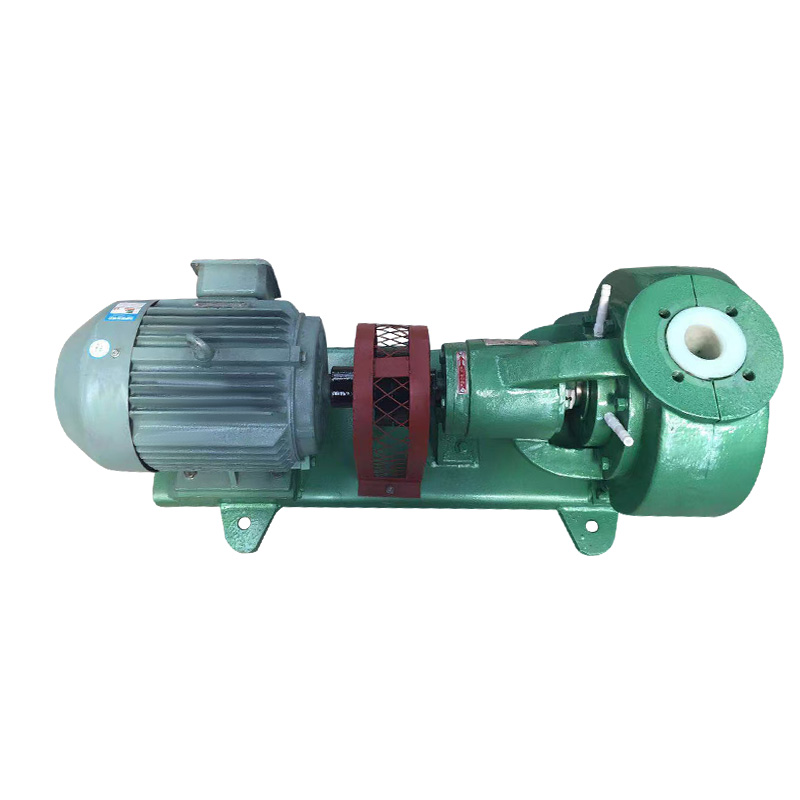
A Fluoroplastic Anti-Corrosion Centrifugal Pump is the definitive solution for transporting highly aggressive chemicals — acids, alkalis, solvents, and oxidizing agents — where standard metal pumps fail within months. Fluoroplastic wetted parts resist virtually every corrosive medium at pH levels from 0 to 14, making them the industry standard in chemical processing, pharmaceuticals, electroplating, and wastewater treatment.
Why Fluoroplastic Pumps Outperform Every Alternative
Fluoroplastics — primarily PTFE (polytetrafluoroethylene), PVDF (polyvinylidene fluoride), and PFA (perfluoroalkoxy) — offer a combination of properties that no metal alloy, coated impeller, or rubber-lined pump can match across the full chemical spectrum.
Universal Chemical Resistance
PTFE withstands concentrated sulfuric acid, hydrofluoric acid, aqua regia, and strong oxidizers that destroy stainless steel and Hastelloy within weeks. Independent corrosion databases list PTFE as resistant to over 1,400 individual chemical agents.
Zero Contamination Risk
Fluoroplastic surfaces are non-reactive and non-leaching. In pharmaceutical and semiconductor manufacturing, even trace metal ion contamination is unacceptable. PTFE-lined pumps deliver product-purity fluid transfer with no ionic contamination.
Lowest Friction Coefficient
PTFE has a friction coefficient of 0.04 — one of the lowest of any solid material. This reduces internal wear, extends impeller life, and lowers energy consumption compared to metallic alternatives under equivalent duty conditions.
Total Cost of Ownership
While initial cost may exceed standard stainless pumps by 20–40 percent, fluoroplastic pumps operating in corrosive duty deliver 5 to 8 times the service life — reducing unplanned downtime, replacement parts inventory, and labor costs significantly over a 5-year horizon.
How Corrosion Destroys Centrifugal Pumps — and What to Do About It
Corrosion is the leading cause of centrifugal pump failure in chemical processing environments. Understanding its mechanisms and implementing proactive anti-corrosion strategies is essential for any facility handling aggressive media.
Uniform Surface Corrosion
The first stage involves even material loss across wetted surfaces. In a stainless steel pump handling 30% sulfuric acid, wall thinning can reach 2–5 mm per year. Fluoroplastic construction eliminates this mechanism entirely since the base polymer does not react with the medium.
Galvanic Corrosion at Dissimilar Metal Junctions
When two metals with different electrode potentials contact the same electrolyte, the more anodic metal corrodes rapidly. Impeller-shaft junctions in mixed-metal pump assemblies are particularly vulnerable. Full fluoroplastic wetted construction removes all electrochemical pathways.
Crevice and Pitting Corrosion
Localized corrosion at seals, flanges, and fasteners creates pits that deepen exponentially. A 1 mm pit can penetrate a stainless casing wall within 6 months in chloride-containing media at elevated temperature. PTFE lining and fluoroplastic casings eliminate this failure mode at the material level.
Erosion-Corrosion and Cavitation Damage
High-velocity flow combined with corrosive media accelerates material removal at impeller blade edges and volute passages. This synergistic damage mechanism accounts for 30–40 percent of pump failures in slurry and acid service. Selecting a Fluoroplastic Anti-Corrosion Centrifugal Pump with correctly sized impeller geometry minimizes cavitation risk while eliminating the corrosive component of erosion damage.
Anti-Corrosion Maintenance Strategies for Long Service Life
Even fluoroplastic pumps require structured maintenance practices to achieve maximum service intervals. The following strategies apply across all corrosive duty applications:
| Maintenance Action | Frequency | Purpose |
| Mechanical seal face inspection | Every 2,000 operating hours | Detect wear, scoring, or chemical attack on seal faces before leakage occurs |
| Bearing lubrication check | Monthly | Prevent dry-run bearing failure; contaminated grease indicates shaft seal degradation |
| Impeller clearance measurement | Every 6 months | Excessive clearance reduces hydraulic efficiency and signals wear progression |
| Flush line and seal chamber inspection | Quarterly | Blocked flush lines starve mechanical seals of cooling and cause rapid face failure |
| Casing and flange bolt torque check | After first 100 hours, then annually | PTFE cold-flows under sustained load; re-torquing prevents gasket leak paths |
| Vibration and noise baseline comparison | Monthly | Elevated vibration indicates impeller imbalance, bearing wear, or cavitation onset |
Critical note on PTFE cold flow: PTFE gaskets and lined components creep under sustained compressive load — a property called cold flow. Flange bolt torque on fluoroplastic-lined joints must be re-checked after initial heat cycling and at annual intervals. Neglecting this single step is responsible for the majority of field leakage incidents on otherwise correctly specified fluoroplastic pump systems.
Installation and Disassembly Precautions
Correct installation of a Fluoroplastic Anti-Corrosion Centrifugal Pump is as critical as material selection. Installation errors account for 40 percent of early pump failures according to pump engineering association data. Follow these precautions without exception:
Installation Precautions
- Align pump and motor shafts to within 0.05 mm angular and 0.08 mm parallel tolerance before commissioning. Misalignment is the single largest cause of premature bearing and seal failure.
- Support pipework independently — never allow pipeline weight to bear on pump flanges. PTFE-lined casings deform under sustained piping load, distorting internal clearances.
- Install isolation valves on both suction and discharge sides to enable safe maintenance without draining the system.
- Prime the pump fully before starting. Fluoroplastic dry-run resistance is limited — PTFE-lined impellers can sustain approximately 30 seconds of dry operation before heat buildup causes liner delamination.
- Check rotation direction before connecting chemical supply. Reverse rotation damages impellers within seconds in centrifugal pump designs.
- Use PTFE-envelope gaskets at all flanged connections — standard rubber gaskets are incompatible with the chemicals that require fluoroplastic pumps.
Disassembly Precautions
- Flush the pump with neutralizing solution and then clean water before disassembly. Residual acid or alkali in the casing presents an immediate chemical burn hazard to maintenance personnel.
- Do not use steel hammers or pry bars directly on fluoroplastic-lined components. Impact damage cracks the PTFE liner and renders the component unserviceable. Use plastic or rubber mallets and dedicated puller tools.
- Label and photograph internal clearance measurements before disassembly to enable direct comparison during reassembly and at the next service interval.
- Replace mechanical seal components as a complete set — never mix old and new seal faces. Face mating surfaces wear as matched pairs and mismatching causes immediate leakage.
- Inspect the PTFE liner for blistering, delamination, or cracking under good lighting before reassembly. Liner defects not visible during operation become fluid pathways under pressure.
- Apply fresh PTFE thread tape or thread sealant rated for the service chemical on all threaded connections before reassembly.
Selecting the Right Fluoroplastic Material for Your Application
Not all fluoroplastics are equivalent. The three primary materials used in centrifugal pump construction each carry distinct performance profiles:
| Material | Max Continuous Temp | Mechanical Strength | Best Application |
| PTFE | 260 deg C | Moderate — requires metal backing in pressure service | Universal acid and solvent service; lined pump construction |
| PVDF | 140 deg C | High — suitable for solid pump body construction | Chlorine, bromine, and strong oxidizer service; semiconductor industry |
| PFA | 250 deg C | Moderate-high — better flex resistance than PTFE | Ultrapure chemical and pharmaceutical applications requiring zero extractables |
Frequently Asked Questions
Can a fluoroplastic centrifugal pump handle slurries with suspended solids?
Yes, but with limitations. Standard fluoroplastic pumps handle slurry concentrations up to approximately 15 percent by weight for particle sizes below 0.5 mm. For higher solids content or abrasive particle sizes above 1 mm, specify a pump with increased impeller-to-casing clearance and a PTFE-lined open impeller design. Verify that the particle hardness does not exceed the Vickers hardness rating of the liner material selected.
What sealing arrangement is recommended for hazardous chemical service?
For hazardous, toxic, or environmentally regulated chemicals, specify a double mechanical seal with a compatible seal barrier fluid, or a magnetic drive (mag-drive) sealless configuration. Mag-drive fluoroplastic pumps eliminate the shaft penetration entirely, providing true zero-leakage performance validated to ISO 2858 and ASME B73.3 standards for sealless pumps.
How does temperature affect fluoroplastic pump performance limits?
Fluoroplastic materials soften progressively as temperature increases, reducing allowable operating pressure. A PTFE-lined pump rated for 10 bar at 20 degrees C may be limited to 4 bar at 150 degrees C. Always obtain the manufacturer's pressure-temperature derating curve for the specific material and construction before finalizing operating conditions in elevated-temperature service.
What is the expected service interval for a correctly specified fluoroplastic pump?
In properly specified and maintained chemical duty service, mechanical seal overhaul intervals of 8,000 to 12,000 operating hours are routinely achieved. Impeller and casing liner replacement at 25,000 to 40,000 hours is typical in non-abrasive acid service. These intervals represent a 3 to 5 times improvement over standard stainless steel pumps in equivalent corrosive duty.