English
 русский
 Español
Content
- 1 Four Design Axes Decide Every Centrifugal Pump Type
- 2 Single-Stage vs. Multi-Stage: How Staging Changes Head and Cost
- 3 Overhung vs. Between-Bearing: What the Bearing Configuration Controls
- 4 Horizontal vs. Vertical Installation: Floor Space and NPSH
- 5 Magnetic Drive Centrifugal Pumps: The Sealless Type
- 6 Comparing the Main Types of Centrifugal Pump in Chemical Service
- 7 How to Select a Centrifugal Pump Type for Real Chemical Processes
- 8 Frequently Asked Questions About Centrifugal Pump Types
Specifying a centrifugal pump for a chemical process is never just about flow and head. A process engineer choosing an API 610 transfer pump must decide between an overhung and a between-bearing configuration, a single-stage or multi-stage rotor, and a horizontal or vertical casing. On top of that, the seal architecture may be a conventional mechanical seal or a magnetic drive coupling. Each choice changes the maintenance schedule, the spare-part budget, and how the pump behaves when the process turns sour. This guide explains the types of centrifugal pump that actually matter in corrosive, abrasive, and high-temperature service, and provides a framework for selecting the correct one on the first pass.
A centrifugal pump is a rotodynamic machine that converts rotational energy into fluid velocity and pressure through a rotating impeller. Pump types are distinguished by stage count, bearing support, casing orientation, and sealing architecture.
Four Design Axes Decide Every Centrifugal Pump Type
A centrifugal pump is classified by four design axes: impeller staging, rotor support position, casing orientation, and seal architecture. The API 610 standard, the most widely followed specification for petrochemical pumps, formalizes these into OH (overhung), BB (between-bearing), and VS (vertical) configurations. Knowing which category a pump falls into tells you its bearing span, suction arrangement, and expected maintenance path before you ever open a datasheet.
For example, an OH2 pump has a single bearing set and a separate bearing housing, while a BB2 pump has two bearing sets and an axially split casing. These structural differences are not cosmetic; they determine how the pump is maintained and what happens when it loses flush water. The data cards below summarize the structural differences that drive most selection decisions.
Single-Stage vs. Multi-Stage: How Staging Changes Head and Cost
If the required head can be produced by one impeller at the available speed, a single-stage pump is the most economical choice in first cost, efficiency, and maintenance. A single-stage overhung pump delivers roughly 20 to 150 m of head at 2900 rpm. This covers most chemical transfer duties, from acid dosing to process water circulation. The short shaft keeps the mechanical seal within easy reach, and the entire impeller can be removed without disturbing the suction pipework.
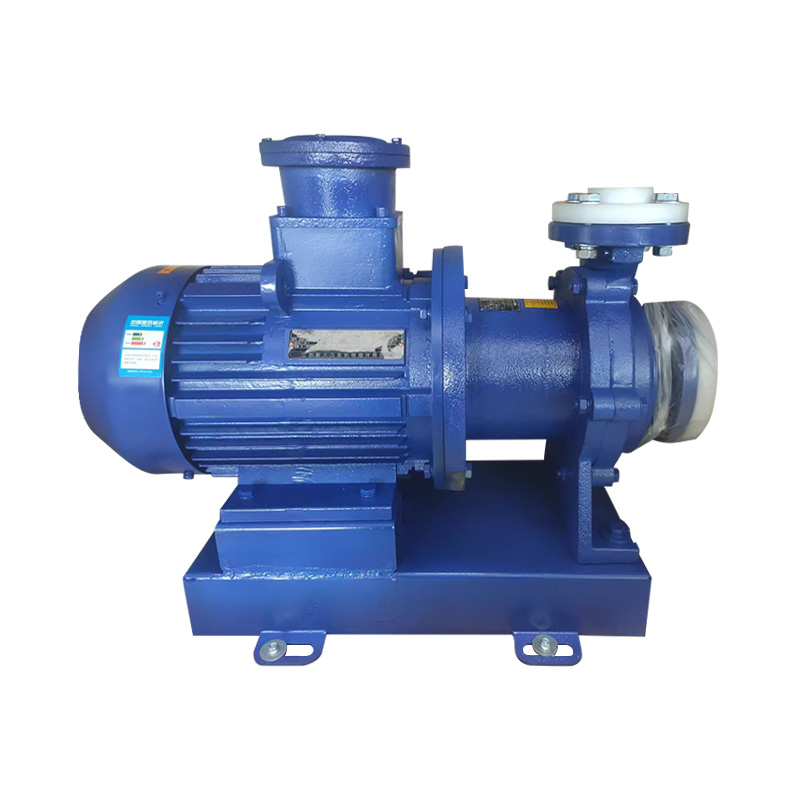
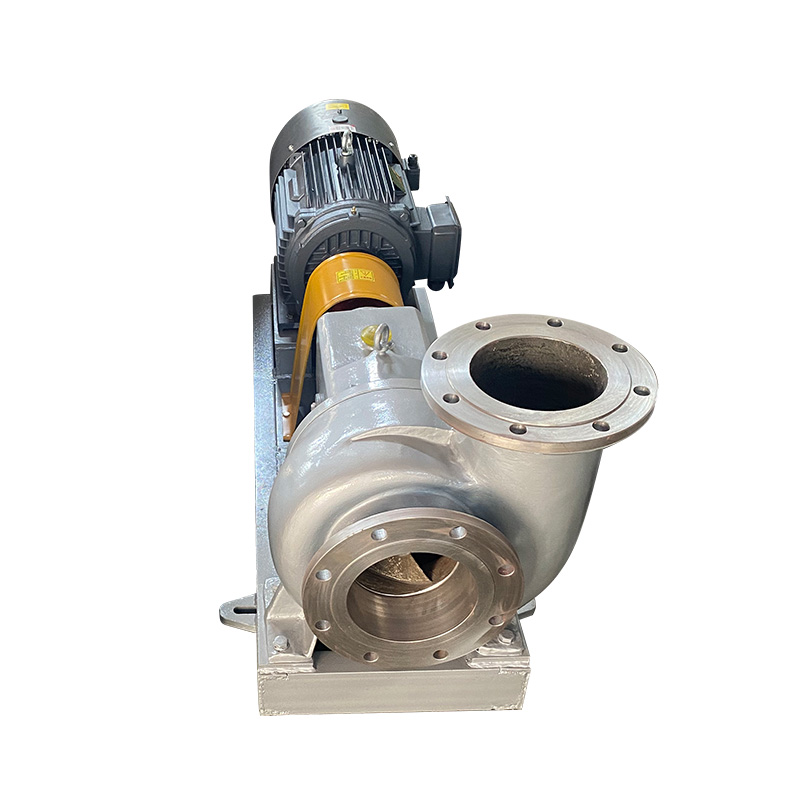
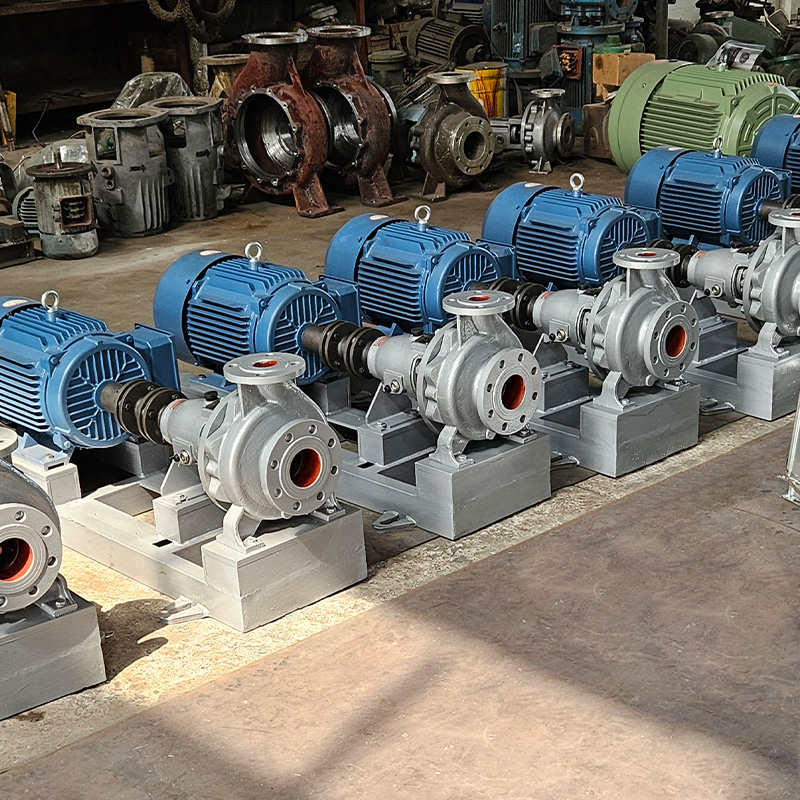 Single-Stage Horizontal Chemical Pump for Corrosive LiquidsThis CZ series pump matches the single-stage duty described, offering reliable chemical transfer with DIN/ISO compliance. It suits low to high temperature liquids, including corrosive and granular media, making it a practical standard choice for many process industries.View Product →
A multi-stage pump stacks impellers in a single casing, and each stage adds its own increment of head. Total head is additive, so multi-stage rotors reach 2000 m or more. That makes them the only practical type for boiler feed, high-pressure wash systems, and minimum-flow recycle lines in refining units. The penalty is a longer shaft, more bearings, and more wear rings, which raises the overall maintenance cost substantially.
Overhung vs. Between-Bearing: What the Bearing Configuration Controls
An overhung pump supports the impeller at one end of the shaft with a single bearing set. The impeller is cantilevered beyond the bearings. API 610 types OH1, OH2, OH3, and OH4 belong to this family. In the OH2 configuration, the impeller has a single suction and the shaft is relatively short, which keeps deflection low and seal life predictable.
At the same time, a between-bearing pump places the impeller between two bearing supports, as in types BB1 to BB5. This changes the impeller geometry available. A double-suction impeller fits only in a between-bearing design, and it balances axial thrust to produce much higher flow rates. If your service requires more than 1000 m3/h, a between-bearing configuration is usually the baseline, not a choice.
Overhung pump
- Compact, short shaft
- Easy mechanical seal access
- Best for most chemical transfer duties
Between-bearing pump
- Longer shaft, two bearing sets
- Supports double-suction impeller
- Best for high-flow services
Horizontal vs. Vertical Installation: Floor Space and NPSH
Horizontal installations are the default in process plants because the rotor is easy to align and inspect. Vertical installations are chosen when plot space is limited or when the pump must start with zero positive suction head. A vertical sump pump (VS4) is the correct answer for a tank farm or a collection pit where the liquid level sits below the pump centreline.
In-line vertical pumps mount directly in the piping, which eliminates the pump baseplate and reduces the footprint. Vertical turbine pumps, on the other hand, are built from modular bowl sections and are common in cooling water and fire water systems where the source is a pump sump or basin. Vertical pumps do cost more per unit of performance, but they can be the only way to satisfy a tight layout or a low NPSH requirement.
Magnetic Drive Centrifugal Pumps: The Sealless Type
A magnetic drive centrifugal pump replaces the mechanical seal with a magnetic coupling, eliminating the dynamic leakage path entirely. The outer magnet assembly rotates with the motor and drives an inner magnet rotor attached to the impeller. A containment shell separates the wet and dry sides. Because there is no dynamic sealing interface, the only possible leaks are through static gaskets, which can be monitored with secondary containment.
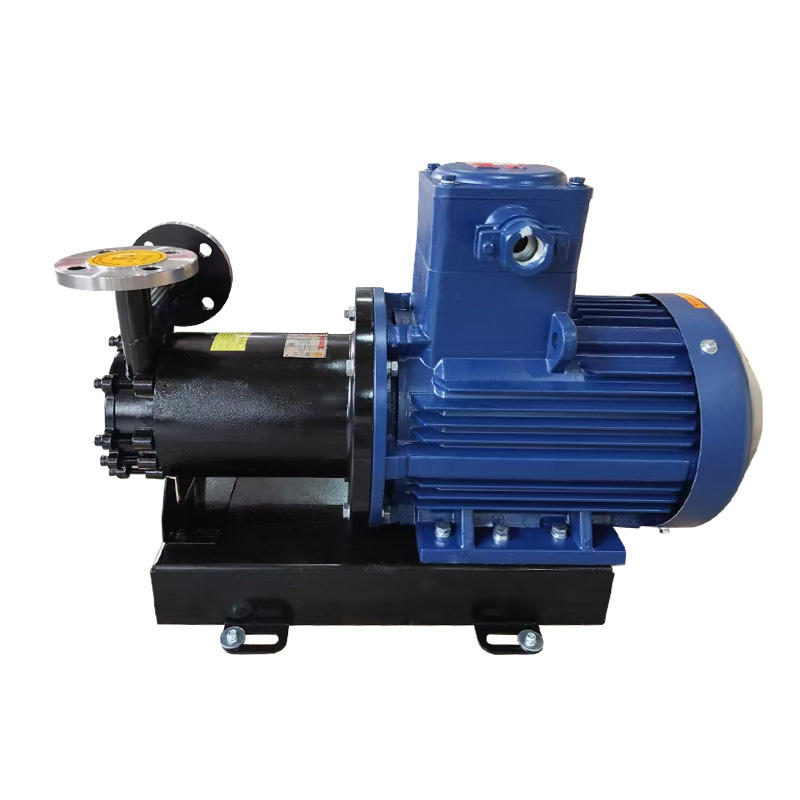
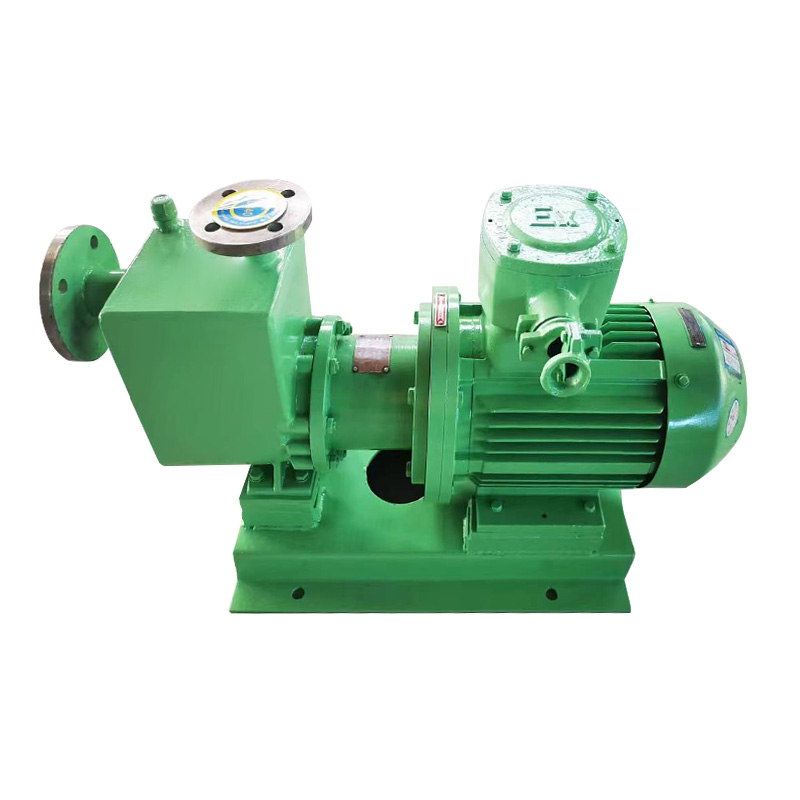
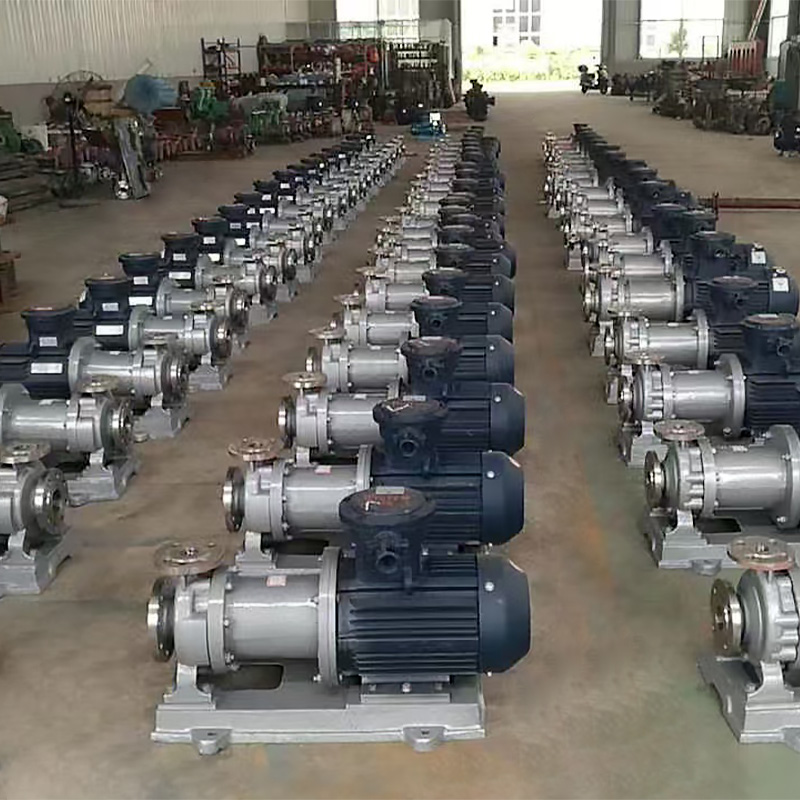 Sealless Magnetic Drive Pump for Hazardous LiquidsThe CQB magnetic pump eliminates dynamic seals, preventing leakage entirely. It is ideal for flammable, toxic, or precious fluids where seal failure is unacceptable, and its corrosion-resistant materials handle aggressive media safely.View Product →
This type is the first choice for hazardous solvents, crystallizing chemicals, and aggressive acids where a mechanical seal failure would create a safety or environmental risk. Magnetic drive pumps also reduce the seal flush plans and support systems required by API 682. In a corrosive medium, the wetted parts are often lined with fluoroplastic, and the drive magnets allow the pump to run dry for short periods when the process surges.
Comparing the Main Types of Centrifugal Pump in Chemical Service
The table below condenses the practical differences between the four pump families. It is a first-pass screening tool for a process engineer moving from a duty point to a shortlist. The types of centrifugal pump shown here dominate chemical process service.
| Configuration | Bearing Arrangement | Head Range | Flow Range | Typical Service |
| Overhung (OH) | One bearing set | 20-150 m | 5-2000 m3/h | Chemical transfer, dosing |
| Between-bearing (BB) | Two bearing sets | 50-500 m | 20-5000 m3/h | Large circulation |
| Vertical (VS) | Vertical shaft | 10-300 m | 5-3000 m3/h | Sump, tank transfer |
| Magnetic drive | Sealless coupling | 20-150 m | 1-400 m3/h | Hazardous solvents |
How to Select a Centrifugal Pump Type for Real Chemical Processes
Start from the worst-case service point, not the normal operating point. The duty point at maximum flow, maximum head, and the hottest process temperature will set the pump size. Collect the fluid properties and site constraints, then use the table to eliminate families.
- Flow above 1000 m3/h: choose a between-bearing double-suction pump.
- Head above 150 m: step up to a multi-stage design.
- Corrosive media below pH 3: use a fluoroplastic-lined centrifugal pump.
- Zero-leakage requirement: choose a sealless magnetic drive pump.
- Limited floor space or low suction: use a vertical pump.
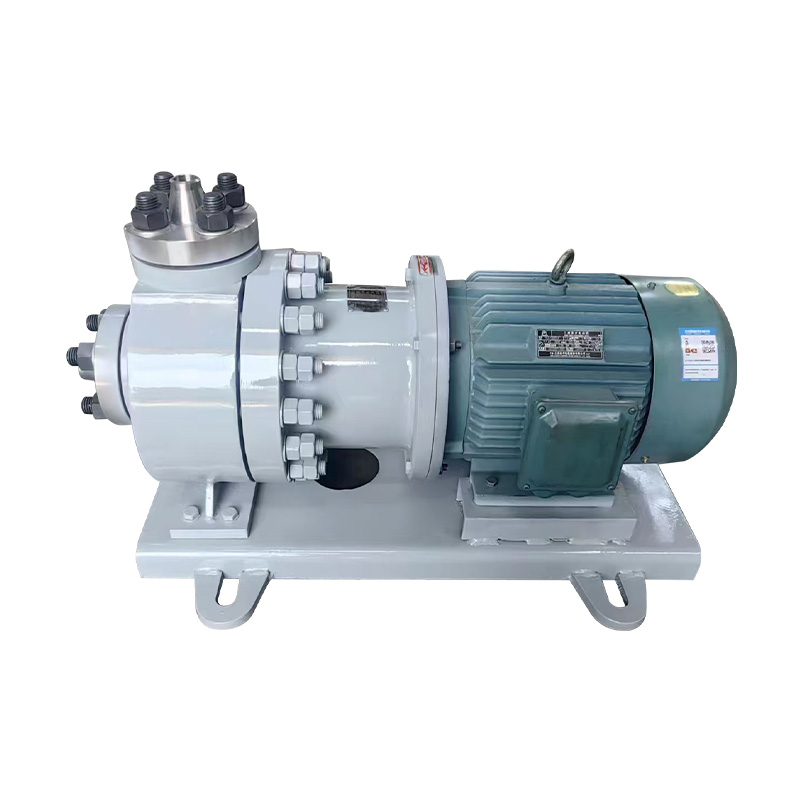
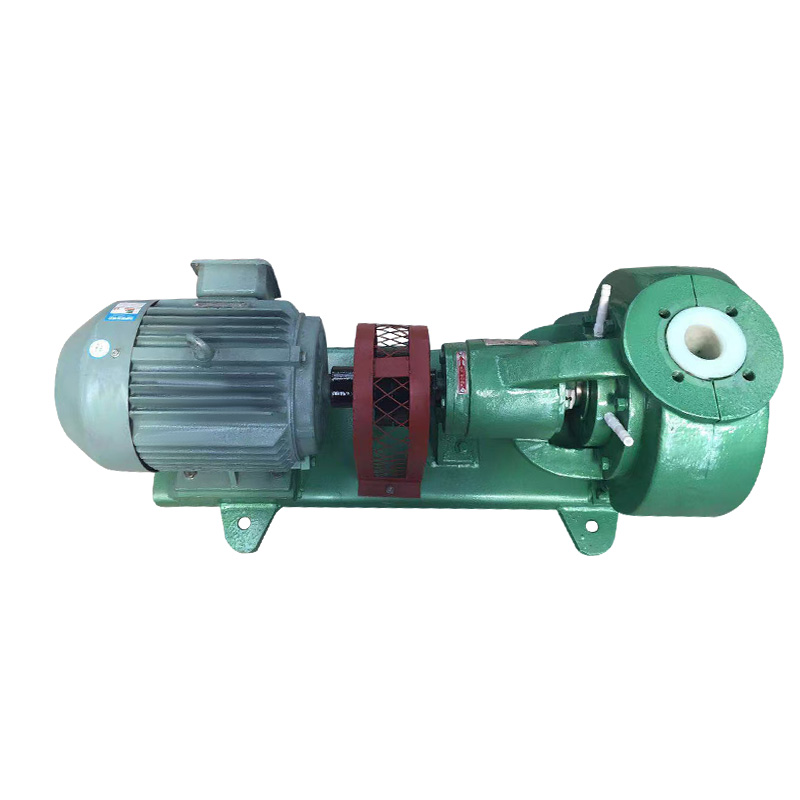
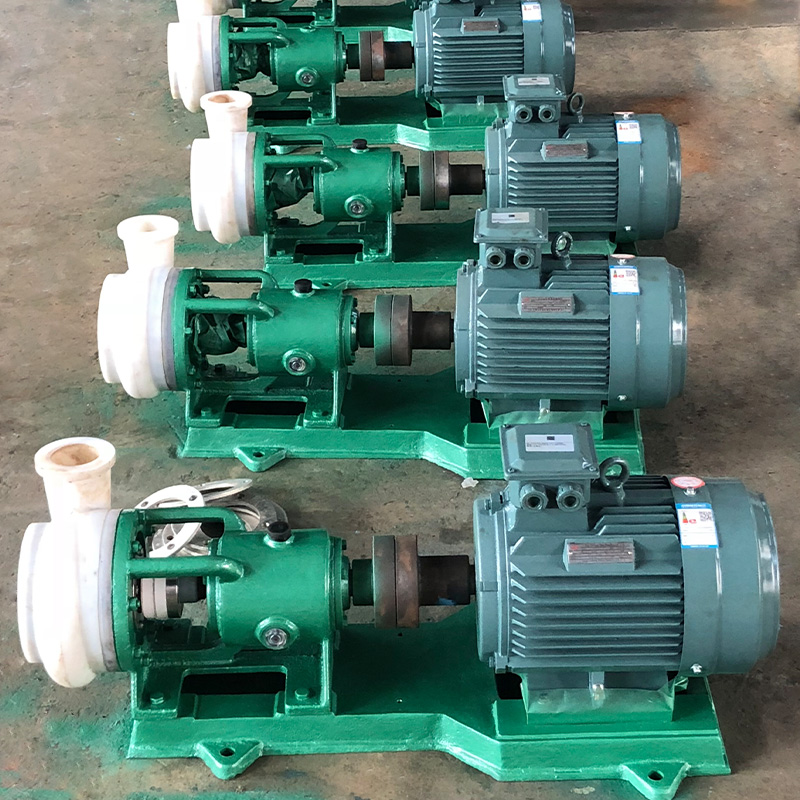 Fluoroplastic-Lined Centrifugal Pump for Aggressive AcidsThe FSB pump uses fluoroplastic wetted parts to resist strong acids, oxidants, and corrosive media. Its sealless design prevents drips, making it a dependable workhorse for chemical, pharmaceutical, and processing industries with demanding duties.View Product →
Sulphuric acid, caustic, brine, and wet chlorine all behave differently in a centrifugal pump. For aggressive media below pH 3, a fluoroplastic-lined centrifugal pump with an open or semi-open impeller is the reliable workhorse. For a service that cannot tolerate any drip, a sealless magnetic drive pump is the safer choice, even though its efficiency is slightly lower than a sealed pump.
A selection mistake shows up in the first month: seal flush failure, cavitation noise, or a dead head trip. NPSH available is often the limiting factor. If the pump has to lift from an open sump, a vertical configuration or a self-priming pump is the safer route. Review the API 610 pump selection criteria before you commit, especially when the fluid is sour or the unit runs at high temperature. A full petrochemical process pump selection guide is available on our website.
Frequently Asked Questions About Centrifugal Pump Types
What are the most common types of centrifugal pumps?
The most common categories are overhung, between-bearing, vertical, and multi-stage centrifugal pumps. Within those, the API 610 standard defines OH, BB, and VS types. Magnetic drive pumps are a sealless variation used when leakage must be eliminated completely.
How do I know if I need a single-stage or multi-stage pump?
If the total head is below about 150 m at 2900 rpm, a single-stage pump is sufficient. Above that, choose a multi-stage design. The crossover point depends on the impeller diameter, the motor speed, and the suction specific speed.
What is the difference between an overhung and a between-bearing pump?
An overhung pump has one bearing set on one side of the impeller, while a between-bearing pump has bearings on both sides of the impeller. The between-bearing design permits a double-suction impeller and much higher flow rates.
What is a magnetic drive centrifugal pump?
It is a centrifugal pump in which a magnetic coupling transmits torque through a containment shell, eliminating the mechanical seal and its leak path. This type is used for hazardous solvents, reactive chemicals, and environments where leaks cannot be allowed.