English
 русский
 Español
Content
A transfer pump on a chemical pipeline starts vibrating, the mechanical seal begins to weep, and maintenance intervals shorten from annual to quarterly. In most cases, the pump was not under-specified on paper; it was selected without checking the interaction between fluid corrosiveness, solids content, discharge pressure, and the sealed construction. For industrial pipeline transportation, those four variables decide whether the asset runs smoothly for decades or becomes a recurring repair item.
What an Industrial Pipeline Transportation Pump Does
A pipeline transportation pump is a centrifugal pump engineered to move liquids through closed piping under continuous duty. It does not simply push fluid; it must provide enough total head to overcome pipe friction, static elevation differences, heat exchanger or filter resistance, and downstream back-pressure. Typical tasks include tank-to-process transfer, product loading and unloading, booster service on long transmission lines, cooling-water circulation, and chemical injection into a main stream.
The operating principle is straightforward. A rotating impeller accelerates the liquid to the rim, and the casing volute converts that kinetic energy into static pressure. Centrifugal machines dominate this service because they deliver smooth, continuous flow, adapt naturally to changes in system resistance, and can be built in a wide range of alloys and lined constructions. In a well-matched system, the pump's head-flow curve intersects the system resistance curve slightly below the best efficiency point, leaving margin for pipe aging and minor fouling.
Three hydraulic parameters dominate every specification:
- Flow rate (m³/h or gpm) — the process demand, including agreed future growth.
- Total head (m) — static lift plus friction losses plus discharge pressure required at the destination.
- NPSH margin — the difference between available NPSH in the suction piping and the pump's NPSH required. Insufficient margin causes cavitation, which is the leading cause of impeller erosion in transfer service.
Key Selection Criteria for Pipeline Pumps
Selecting a pipeline pump is a trade-off between fluid compatibility, hydraulic performance, and installation constraints. The right answer depends on three question groups, and they should be answered in order.
Fluid Properties
Start with what is inside the pipe. pH and chloride concentration determine whether stainless steel is adequate or a higher alloy is required. Suspended solids such as catalyst fines or crystallized salts demand erosion-resistant hydraulics and generous internal clearances. Viscous fluids shift the pump curve and, above roughly 300 cSt, tend to make centrifugal designs uneconomical compared with positive displacement pumps. Fluid temperature affects material limits, mechanical seal selection, and thermal expansion of the casing.
Hydraulic Duty
The pump must operate within, or at least close to, its preferred operating region. Oversizing is a common procurement risk: a pump selected for a rare peak flow will run at low flow for most of the year, causing internal recirculation, heating, and premature seal wear. A better approach is to match the impeller diameter to the normal operating point and provide margin only at the driver or speed level. The detailed steps behind this decision are laid out in our petrochemical pump selection guide.
Installation and Suction Conditions
Horizontal baseplate-mounted pumps remain the simplest arrangement for transfer lines when NPSH allows. Vertical submersible or long-shaft installations suit low tank levels and limited footprint. Self-priming arrangements remove the need for foot valves and manual priming when the pump sits above the liquid level. Each of these configurations changes the hydraulic calculation, so the suction-side layout should be confirmed before the final pump curve is approved.
Pump Types Used in Pipeline Service
No single pump covers all pipeline duties. The table below maps the main categories against typical service conditions.
| Pump category | Typical flow / head | Best suited for |
|---|---|---|
| Petrochemical process pump (CZ, ZA, IH) | Medium to high flow, medium to high head | Refinery product transfer, chemical process lines |
| Axial flow pump | Very high flow, low head (typically below 15 m) | Circulating water, cooling-water main lines |
| Mixed flow pump (SP) | High flow, medium head | Water transmission, irrigation, flood control |
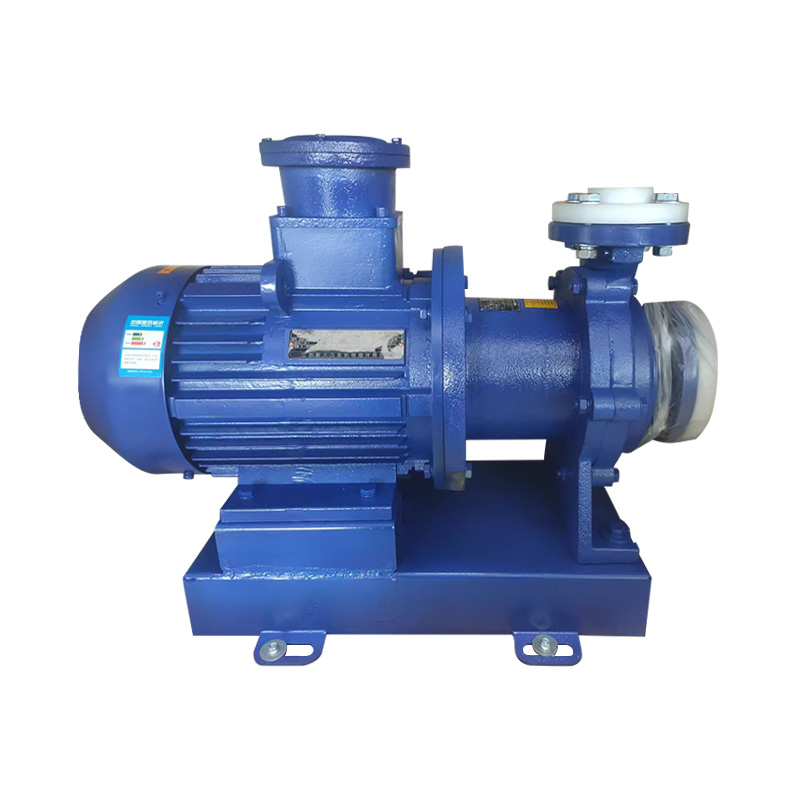
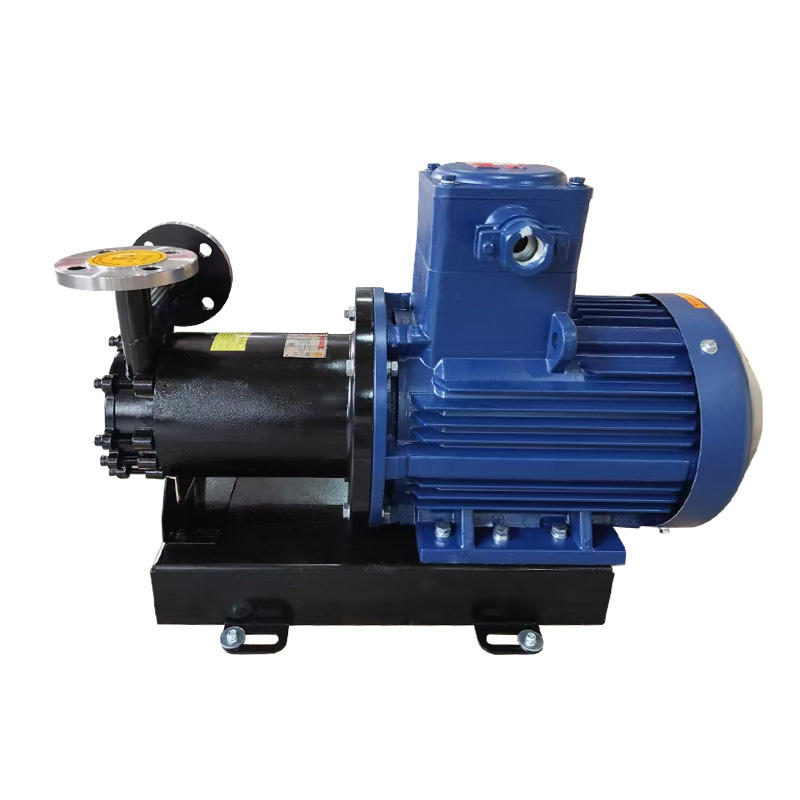
| Magnetic drive pump | Low to medium flow, up to high pressure | Leak-free transfer of toxic or expensive chemicals |
| Self-priming pump | Low to medium flow | Suction-lift tank unloading, pit evacuation |
| Fluoroplastic-lined pump | Low to medium flow | Strong acids and highly corrosive media |
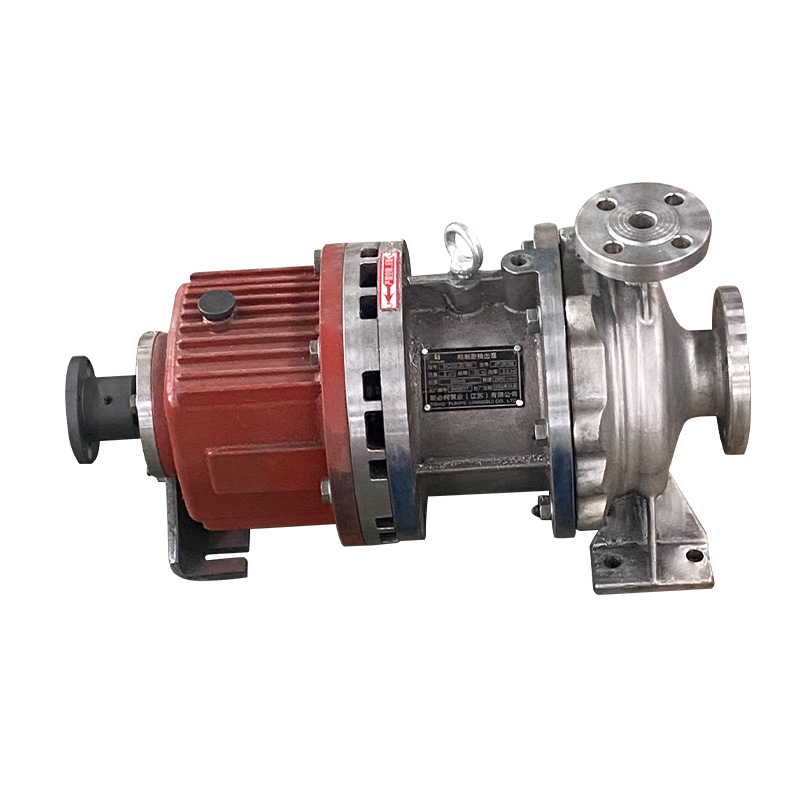
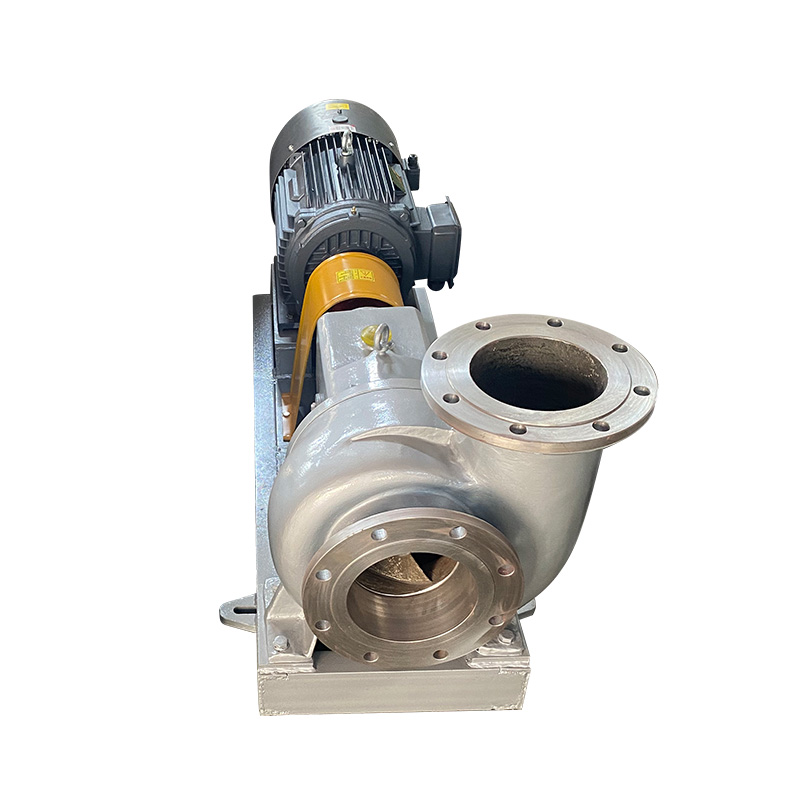
For refinery and petrochemical transfer lines, process pumps are built with casing, impeller, and seal arrangements that tolerate moderate temperature swings and minor solids. The CZ process pump is a typical single-stage, end-suction design configured for continuous pipeline duty, with materials selected according to the fluid.
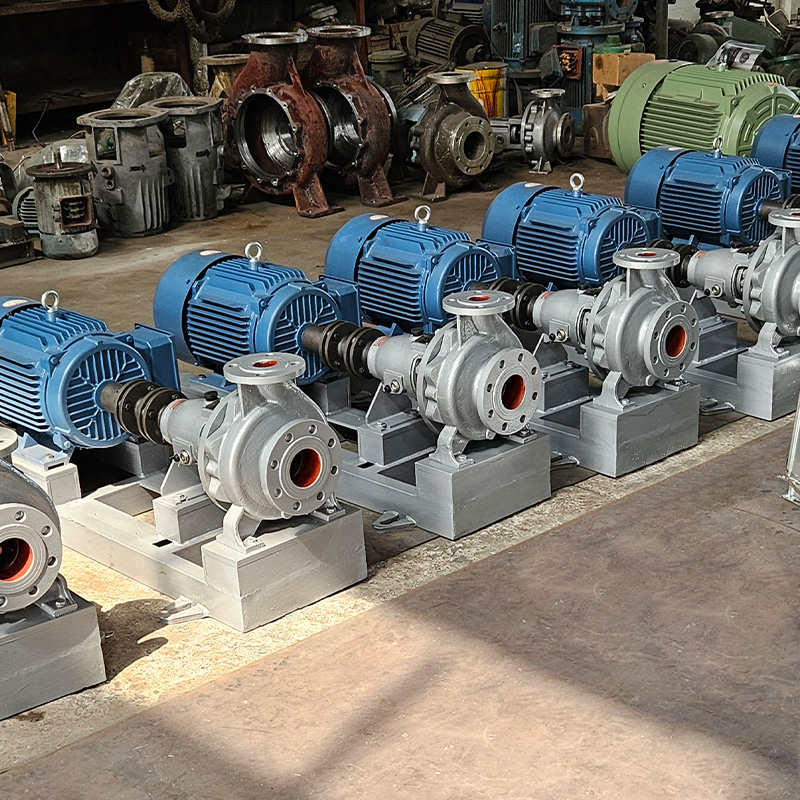 Wholesale CZ Suppliers, Manufacturers, CompanyJiangsu Huanyu Chemical New Materials Co., Ltd is China Wholesale CZ Supplier, Manufacturers and CZ Company, The standard chemical pump o...View Product →
When a pipeline carries large volumes of water or low-viscosity fluid at modest pressure, axial and mixed flow pumps deliver the highest efficiency. Axial machines frequently serve cooling-water mains where resistance is dominated by pipe friction. Mixed flow impellers become practical when both flow and head are moderate, which is why the SP mixed flow pump appears in water transfer and irrigation schemes. The engineering reasons for this preference are covered in our article on high-volume axial flow pump selection.
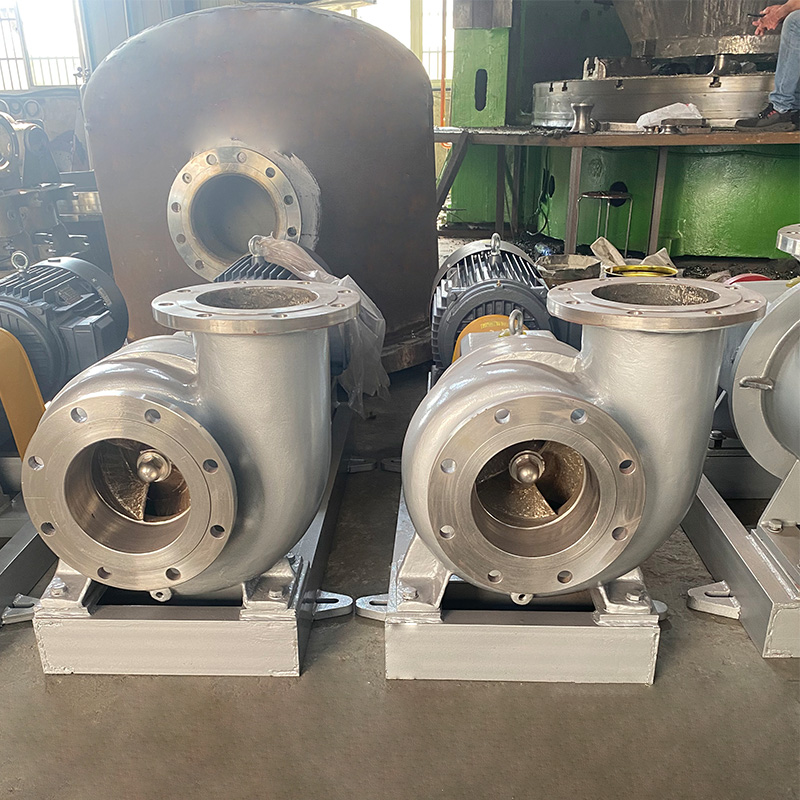 Wholesale SP Mixed Flow Pump Suppliers, Manufacturers, CompanyJiangsu Huanyu Chemical New Materials Co., Ltd is China Wholesale SP Mixed Flow Pump Supplier, Manufacturers and SP Mixed Flow Pump Company,View Product →
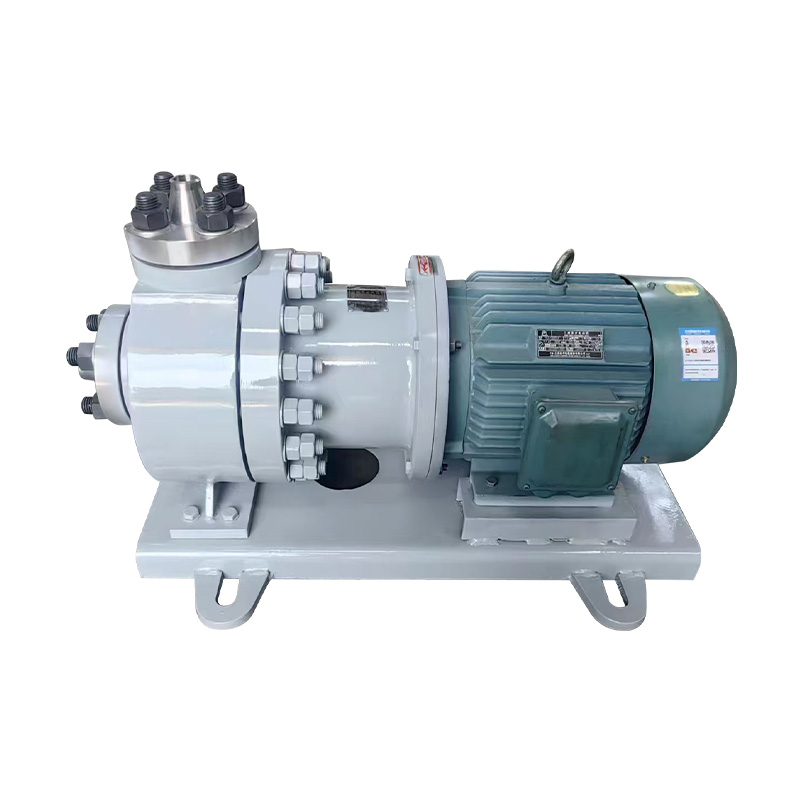
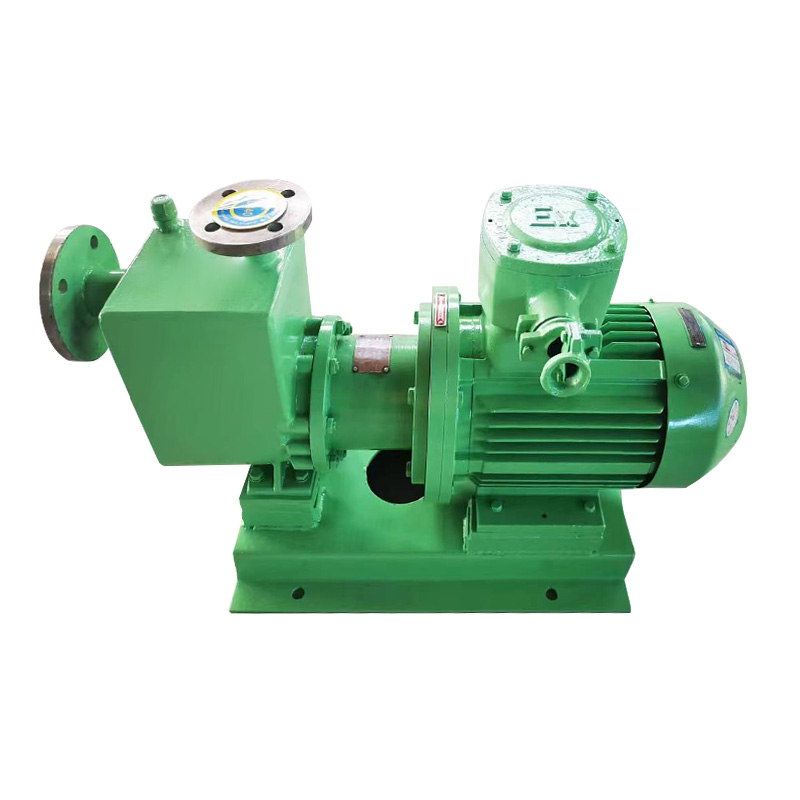
Where leakage cannot be tolerated, whether because the medium is toxic, expensive, or regulated, a magnetic drive pump removes the shaft seal entirely and contains the process fluid within a static secondary shell. The HMD high-pressure magnetic pump is suited for booster duties that combine seal-less operation with elevated discharge pressure.
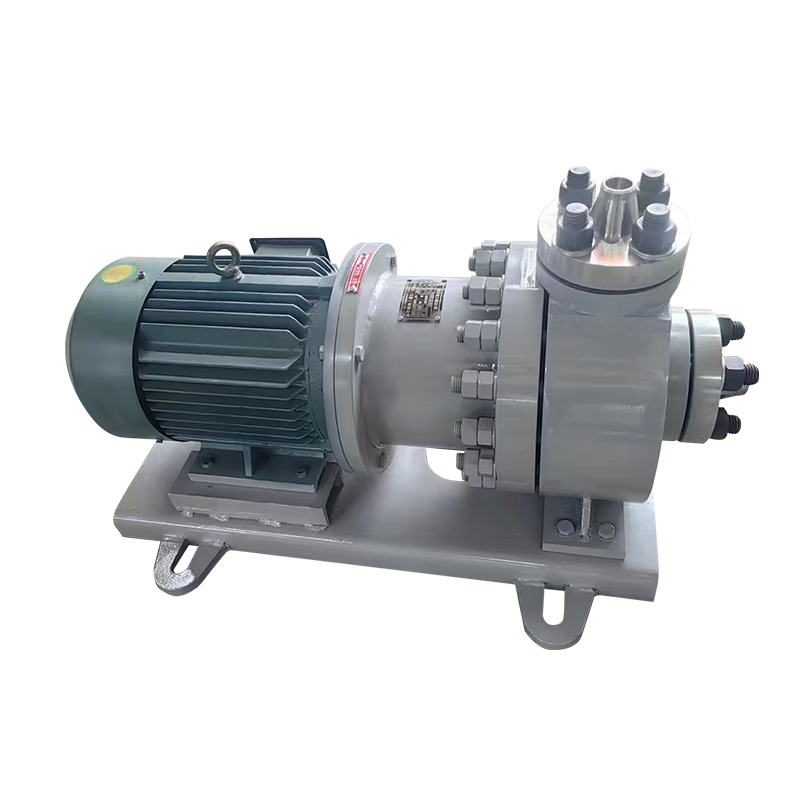 Wholesale High Pressure Sealless Magnetic Pumps SuppliersAs China Wholesale High Pressure Sealless Magnetic Pumps Suppliers, Manufacturers, Company, Jiangsu Huanyu's Products Are Widely Used In ...View Product →
Materials and Sealing: Where Pipeline Pumps Fail
Corrosion and seal leakage account for the majority of premature failures in pipeline transfer service. Both are preventable at the specification stage, and both are closely tied to the wetted materials and the sealing strategy.
Wetted Materials
- 304 / 316L stainless steel — neutral water, mild chemicals, and dilute acids at low temperature.
- 904L and duplex grades (2205, 2507) — chloride-bearing media, seawater, and higher operating temperatures.
- Nickel alloys and titanium — aggressive acids, halides, and media where pitting resistance is critical.
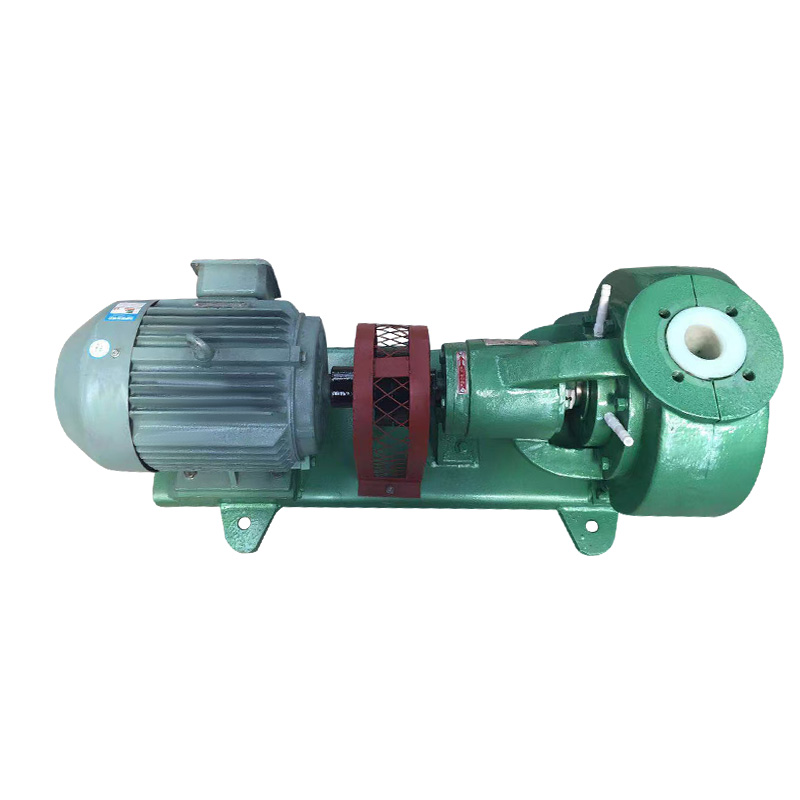
- Fluoroplastic linings — strong acids and mixed media where an alloy casing cannot be justified economically.
Because the casing is often the most expensive single component, a manufacturer with in-house casting capability can match the alloy to the real service envelope rather than defaulting to a catalog grade. This is one of the main advantages of sourcing from a vertically integrated pump plant.
Sealing Strategy
A conventional mechanical seal has a finite life governed by fluid cleanliness, vapor pressure margin at the seal face, and thermal load. In pipeline transfer, the two reliable options are a properly flushed mechanical seal with the correct flush plan, or a sealless magnetic drive design. Plants that standardize on seal-less pumps for volatile media essentially eliminate seal-related downtime from their maintenance ledger. Our analysis of process pump stability under extreme operating conditions describes how these arrangements behave in real service.
Procurement Considerations That Affect Operating Cost
Buying a pipeline pump is not only about comparing catalog curves. The lowest first cost often carries the highest total cost of ownership once efficiency, spares availability, and failure rates are included. It is worth verifying that the pump is performance-tested at the actual operating point, that material certificates match the specification, and that the manufacturer controls casting, machining, and assembly in one facility.
A vertically integrated supplier can enforce quality at the casting stage, where porosity and inclusions later become fatigue cracks, and at the assembly stage, where rotor balance and bearing clearances determine vibration levels. The same supplier can react faster when the plant needs a modified impeller or an emergency replacement casing. For refinery-type duties, confirm whether the selected pump follows the relevant process pump standard so that inspection and documentation match what the project requires.
The practical recommendation is simple: define the fluid envelope before looking at curves, choose the pump type from the hydraulic duty, and only then select the material and sealing class from the corrosion and leakage risk. Done in that order, an industrial pipeline transportation pump becomes one of the most durable and predictable assets in the plant.