English
 русский
 Español
Content
A complete technical guide to chemical magnetic drive pumps — sealless design, zero leakage, and corrosion-resistant fluid handling.
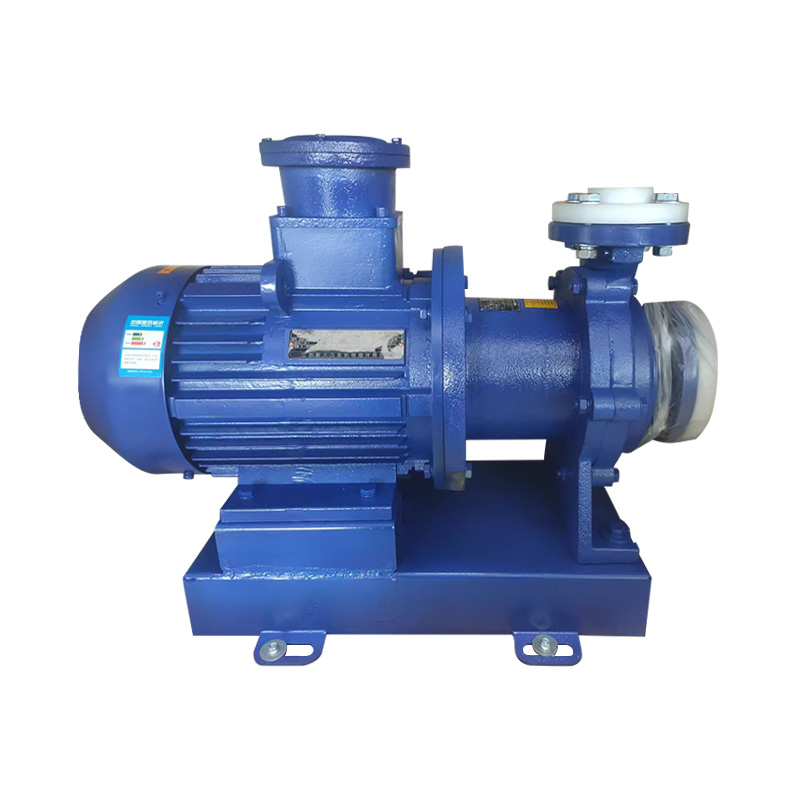
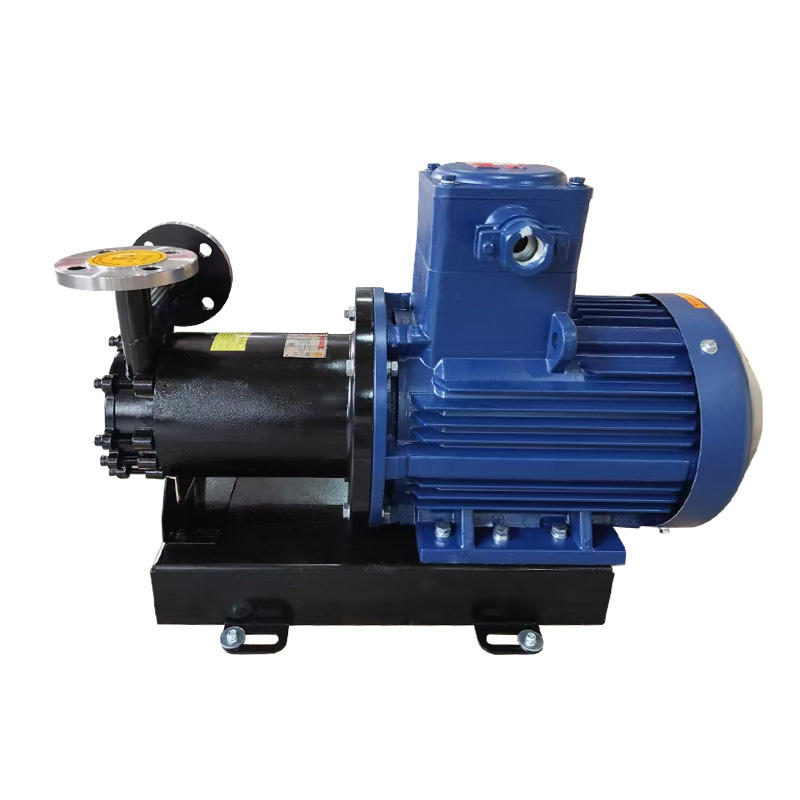
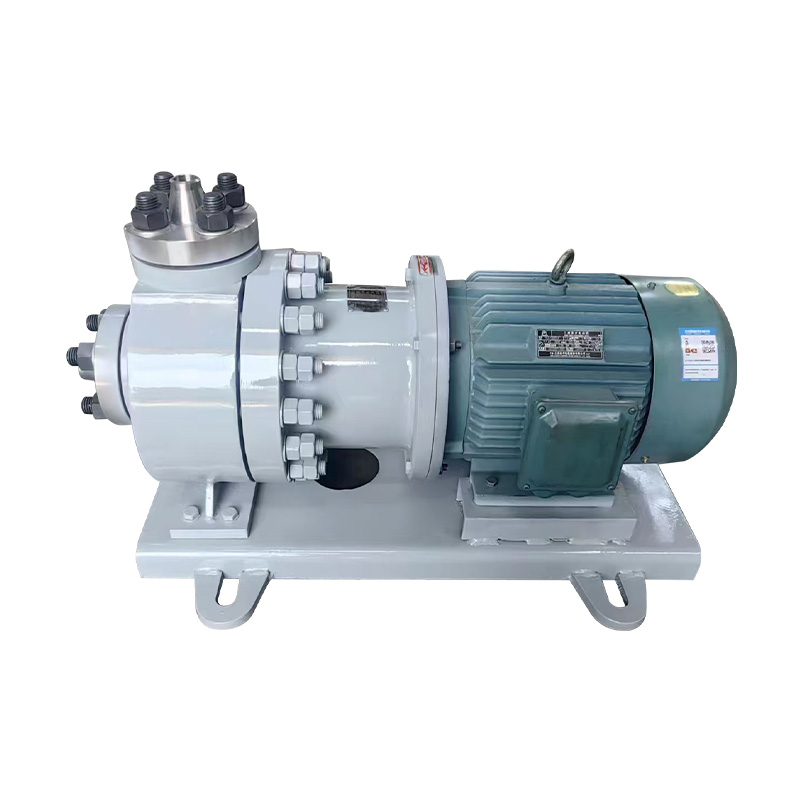
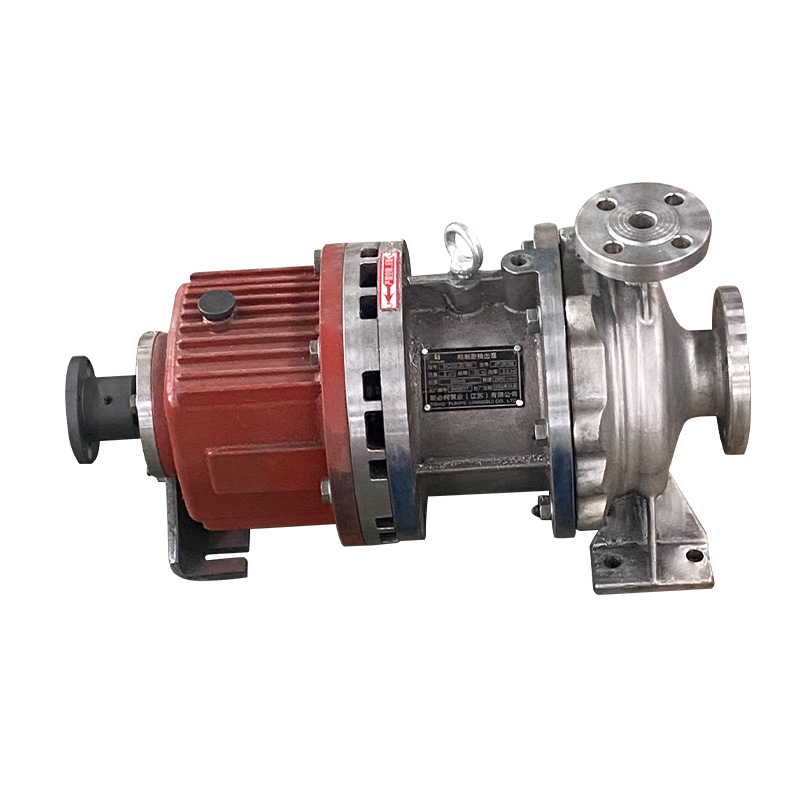
Chemical Magnetic Drive Pump
A chemical magnetic drive pump uses magnetic coupling to transmit torque without mechanical seals — eliminating leakage, reducing maintenance, and providing safe handling of hazardous, corrosive, and volatile fluids in chemical, petrochemical, and pharmaceutical applications.
What Is a Chemical Magnetic Drive Pump
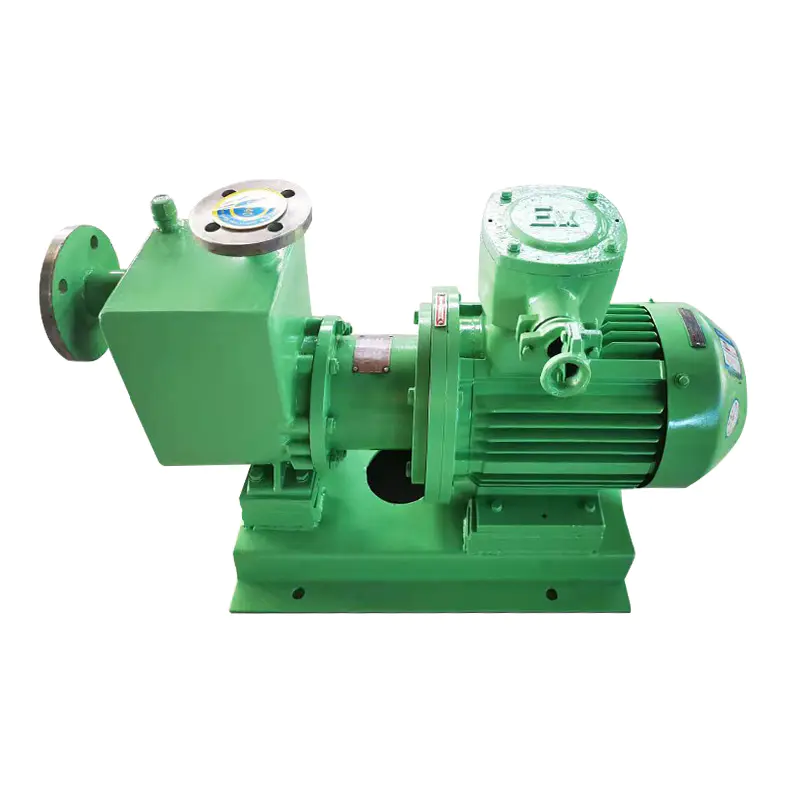
A chemical magnetic drive pump is a sealless centrifugal pump that transmits power through a magnetic coupling system. Unlike conventional pumps that rely on mechanical seals to prevent fluid leakage, magnetic drive pumps use a hermetically sealed containment shell that completely isolates the pumped fluid from the environment.
The pump consists of two main magnetic assemblies: the outer magnet (drive magnet) connected to the motor shaft, and the inner magnet (driven magnet) connected to the impeller shaft. The outer magnet rotates around the containment shell, and magnetic fields pass through the shell to rotate the inner magnet and impeller. This configuration ensures zero leakage, making magnetic drive pumps ideal for handling hazardous chemicals, volatile solvents, and sensitive fluids where leakage cannot be tolerated.
Magnetic drive pumps are widely used in chemical processing, pharmaceutical manufacturing, petrochemical refining, and other industries where fluid containment is critical. The sealless design eliminates the maintenance and reliability issues associated with mechanical seals, reducing downtime and operating costs.
Magnetic drive pumps eliminate the single most common cause of pump failure in chemical applications — mechanical seal leakage.
How a Magnetic Drive Pump Works
The operation of a chemical magnetic drive pump is based on the principle of magnetic induction. When the motor rotates the outer magnet assembly, the magnetic field passes through the containment shell and induces rotation in the inner magnet assembly. This magnetic coupling transmits torque without any physical connection between the motor and the pump.
The motor drives the outer magnet assembly, creating a rotating magnetic field.
The magnetic field penetrates the containment shell without any physical opening.
The inner magnet assembly rotates in sync with the outer magnet, driving the impeller.
The impeller generates flow while the containment shell maintains zero leakage.
The magnetic coupling also provides a built-in safety feature. If the impeller becomes blocked or jammed, the magnetic field will slip — the inner magnet will stop rotating while the outer magnet continues to spin, protecting the motor and pump from damage without causing a catastrophic failure.
Key Advantages
The sealless design eliminates the risk of fluid leakage, making magnetic drive pumps ideal for handling hazardous, toxic, and volatile fluids.
Without mechanical seals to wear out, magnetic drive pumps require significantly less maintenance than conventional seal pumps.
The fully enclosed design eliminates emissions and fugitive leaks, creating a safer working environment for operators.
Available in a wide range of alloy materials including 304, 316L, 904, 2205, 2507, CD4, Hastelloy, titanium, and 2520.
Materials of Construction
The selection of materials for a chemical magnetic drive pump is critical to ensuring long-term reliability and corrosion resistance.
General-purpose, mild chemical services
Chloride resistance, marine applications
Sulfuric acid, phosphoric acid
High strength, chloride resistance
Super duplex, seawater, high-temp
Extreme corrosion resistance
Exceptional corrosion resistance
Severe corrosion and erosion
Industry leaders such as Jiangsu Huanyu Chemical New Materials Co., Ltd. offer magnetic drive pumps in a wide range of alloy materials, ensuring compatibility with diverse fluid chemistries and operating conditions.
Magnetic Drive vs Mechanical Seal
- Sealless design, zero leakage
- No mechanical seal maintenance
- Suitable for hazardous fluids
- Higher initial cost, lower operating cost
- Seal required for fluid containment
- Regular seal maintenance required
- Risk of leakage and emissions
- Lower initial cost, higher operating cost
Selection Guide
Chemical composition, temperature, viscosity, specific gravity
Required flow rate and discharge pressure
Select materials based on fluid chemistry
Operating temperature range
Prevent cavitation
Space constraints, piping, maintenance access