English
 русский
 Español
Content
- 1 What Is a Petrochemical Process Pump?
- 2 Pump Types Used in Petrochemical Service
- 3 API 610 Petrochemical Process Pump — Standard Requirements
- 4 High Temperature Petrochemical Pump Materials
- 5 Petrochemical Pump Seal and Mechanical Seal Selection
- 6 Petrochemical Process Pump Maintenance and Reliability
- 7 Compliance and Industry Standards
- 8 Frequently Asked Questions
- 8.1 Q1: What is the difference between API 610 OH1 and OH2 pump configurations?
- 8.2 Q2: How do you calculate NPSH margin for a volatile hydrocarbon pump?
- 8.3 Q3: When is a dual mechanical seal required instead of a single seal?
- 8.4 Q4: What causes premature mechanical seal failure in petrochemical pumps?
- 9 References
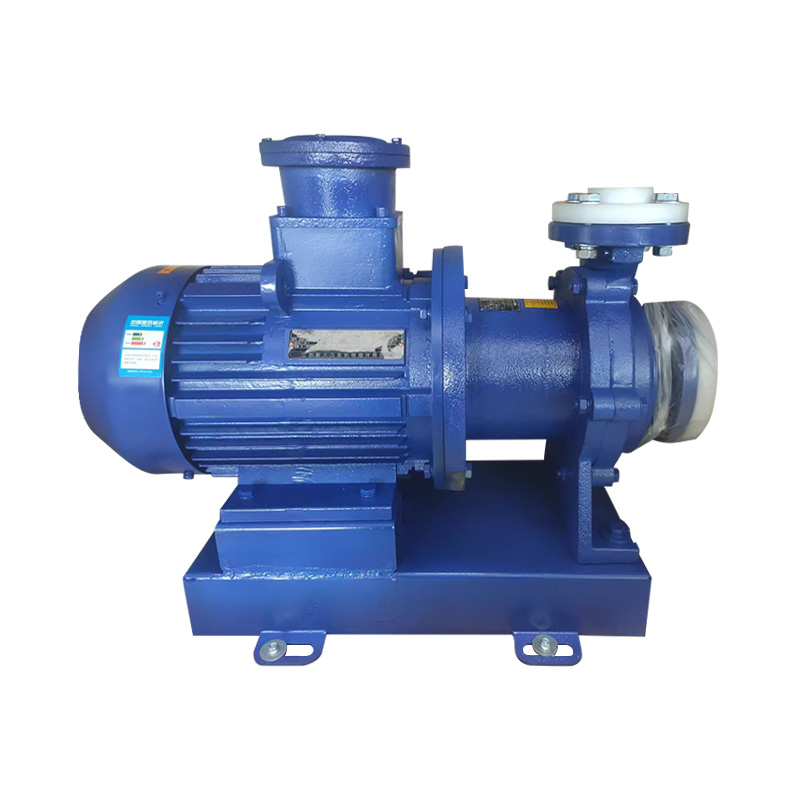
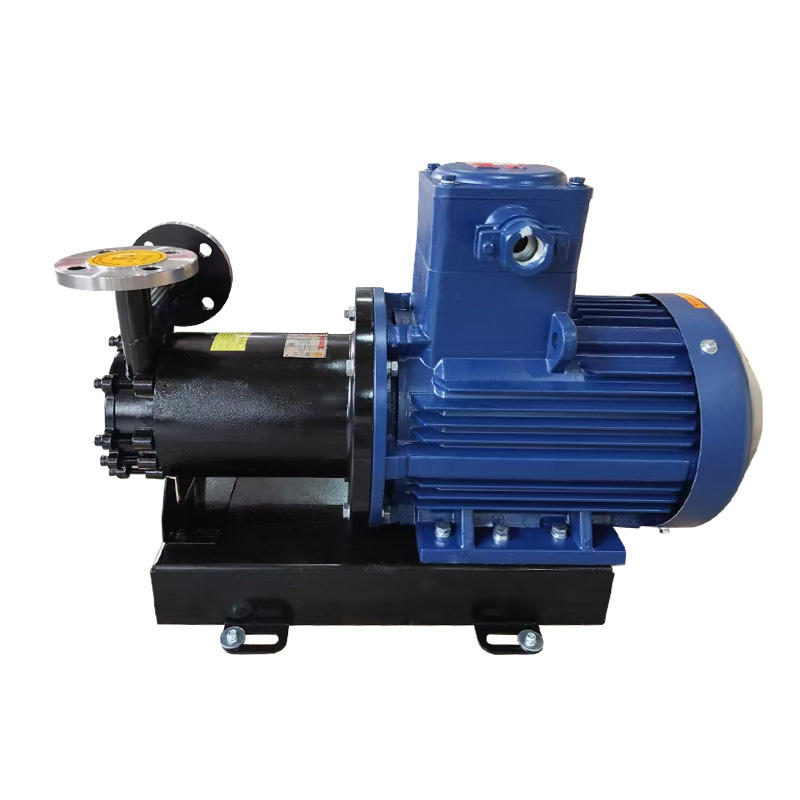
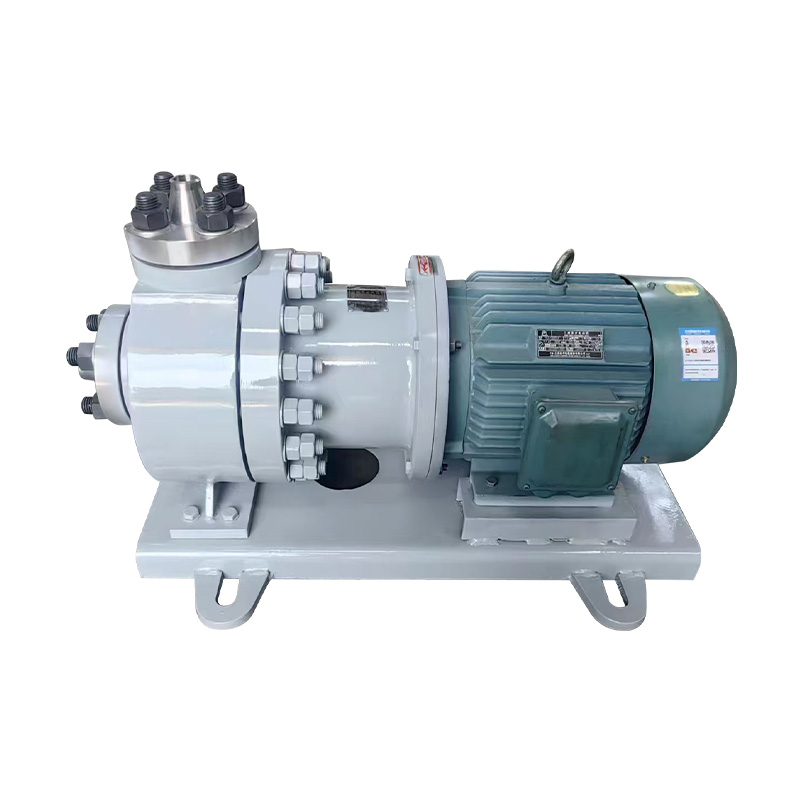
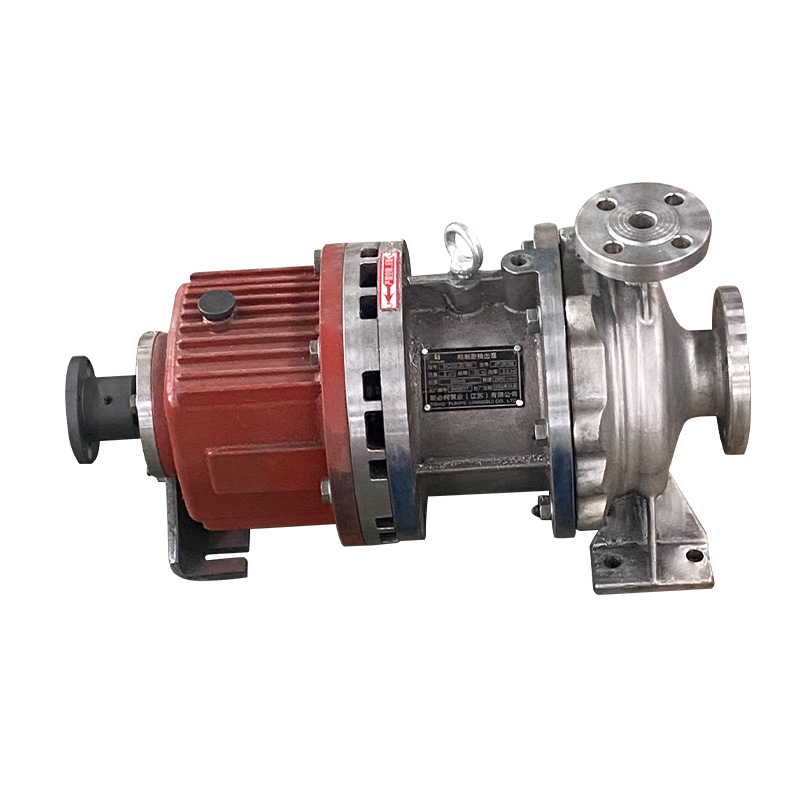
Pump selection in a refinery or petrochemical plant is not a catalog exercise. A petrochemical process pump operates under conditions that combine high temperature, high pressure, flammable or toxic fluid, and continuous duty cycles. A wrong selection creates unplanned shutdowns, seal failures, and safety incidents. This guide covers pump types, API 610 requirements, material selection, mechanical seal systems, and reliability practices at the specification level required by process engineers and wholesale equipment buyers.
What Is a Petrochemical Process Pump?
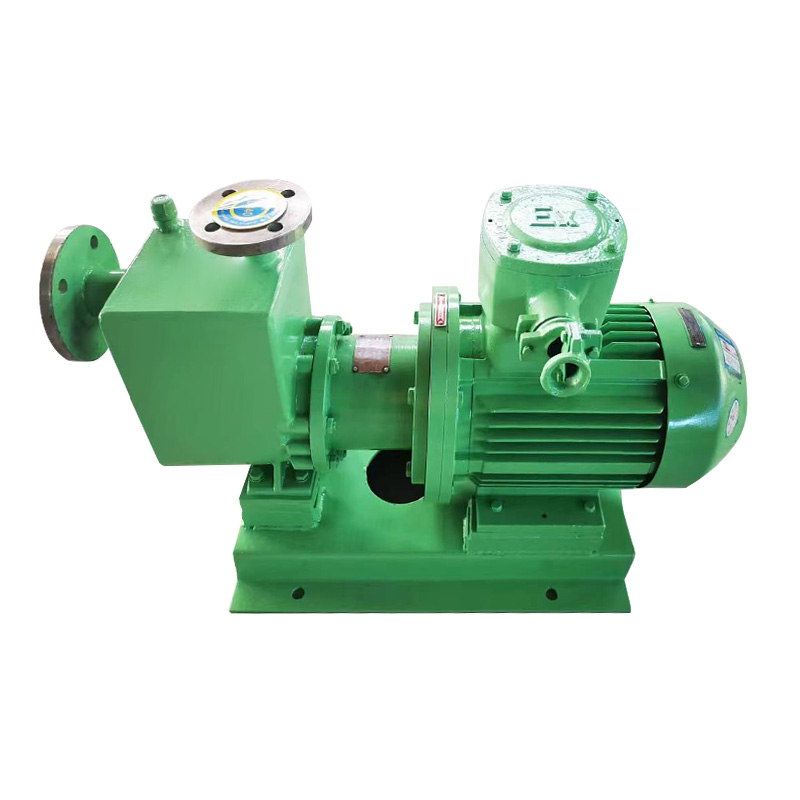
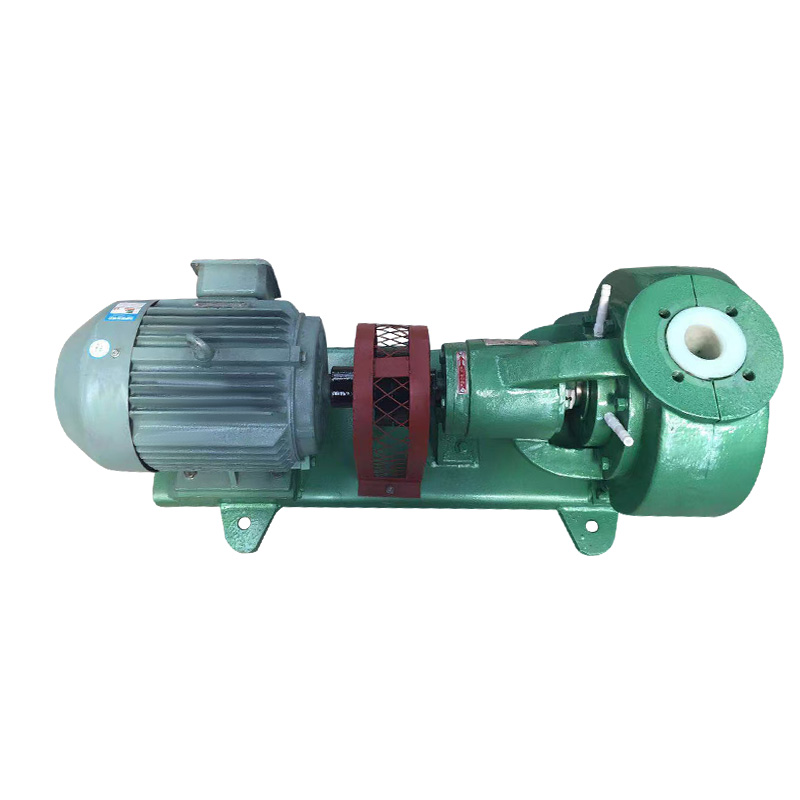
A petrochemical process pump is a fluid-handling machine designed specifically for use in refining, chemical processing, and related hydrocarbon industries. It transfers liquids that may be hot, cold, viscous, abrasive, volatile, or chemically aggressive. The pump must contain the fluid without leakage, operate reliably for extended periods between planned maintenance intervals, and meet the safety requirements of the installation.
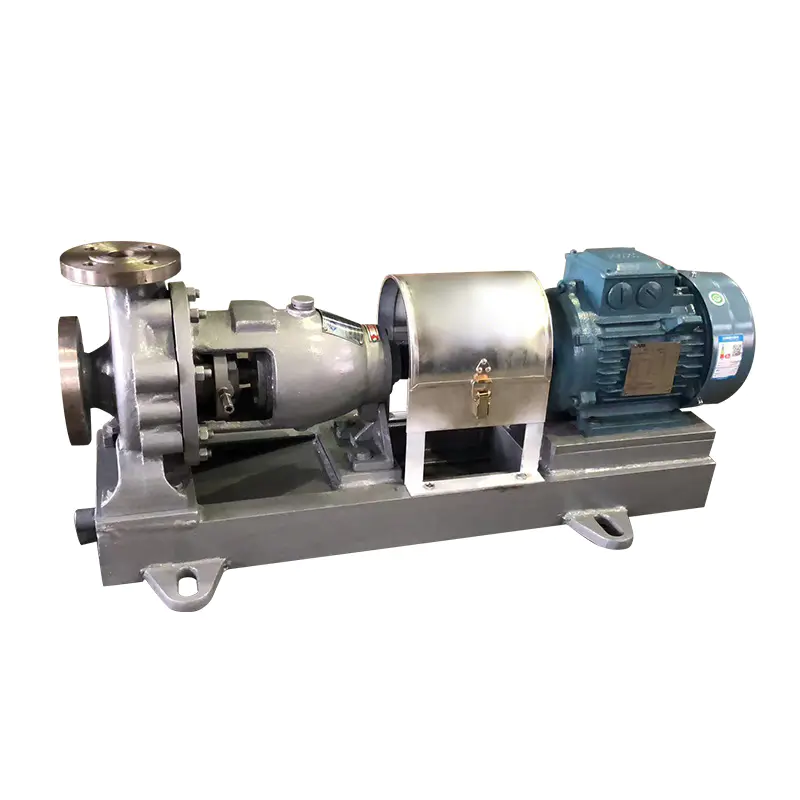
Operating Environment and Fluid Characteristics
- Process fluids include crude oil, naphtha, benzene, toluene, xylene, sulfuric acid, caustic soda, liquefied gases, and high-temperature heat transfer oils.
- Operating temperatures range from cryogenic service below -100 degrees Celsius to fired heater charge service above 400 degrees Celsius.
- Operating pressures in high-pressure reactor feed service can exceed 300 bar in some configurations.
- Many process fluids are classified as hazardous, flammable, or toxic under OSHA Process Safety Management (PSM) regulations, making zero-leakage containment a non-negotiable design criterion.
- Specific gravity and viscosity variations across process streams require careful hydraulic sizing to avoid operating far from the best efficiency point (BEP).
Pump Types Used in Petrochemical Service
No single pump type covers the full range of petrochemical service conditions. Process engineers select pump technology based on flow rate, differential pressure, fluid properties, and reliability targets. The table below compares the main pump categories used in petrochemical plants.
| Pump Type | Typical Flow Range | Typical Pressure Range | Best Application |
|---|---|---|---|
| Single-stage centrifugal | 10 to 5,000 m3/h | Up to 30 bar | Product transfer, cooling water, and general process |
| Multistage centrifugal | 10 to 1,000 m3/h | Up to 300 bar | Boiler feed, high-pressure reactor feed, pipeline |
| Gear pump (positive displacement) | 0.1 to 200 m3/h | Up to 25 bar | Viscous fluid transfer, lube oil, asphalt |
| Reciprocating plunger pump | 0.1 to 50 m3/h | Up to 700 bar | High-pressure injection, chemical dosing |
| Screw pump | 1 to 1,000 m3/h | Up to 40 bar | Heavy crude, bitumen, fuel oil loading |
Centrifugal Pump for Petrochemical Industry
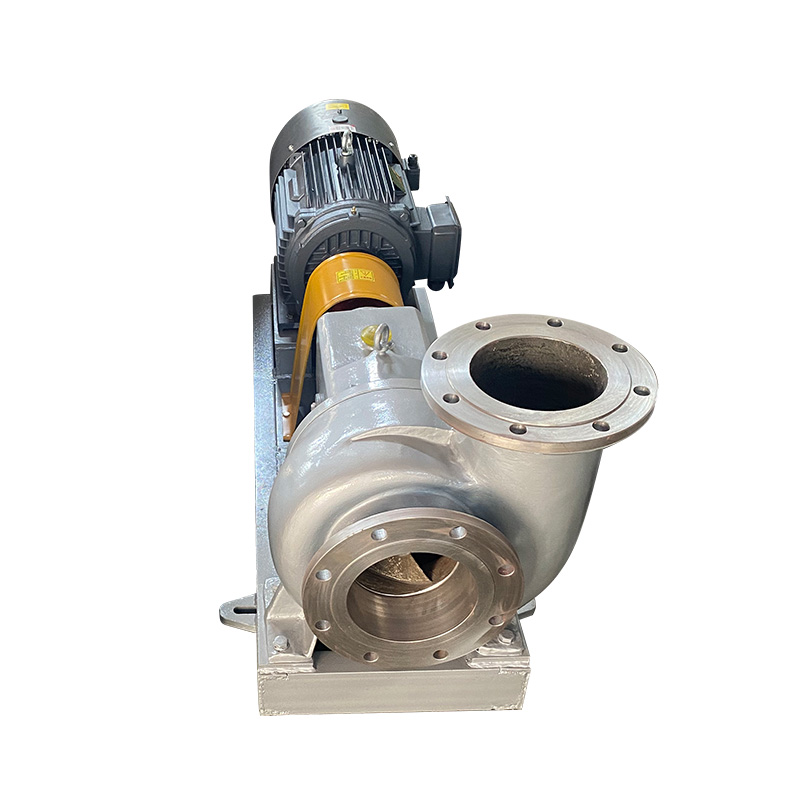
The centrifugal pump for the petrochemical industry service accounts for the majority of installed pump units in a typical refinery. Centrifugal pumps offer continuous flow, smooth torque loading, ease of control via variable frequency drive (VFD), and relatively low maintenance frequency when properly sized. Their key limitation is sensitivity to net positive suction head (NPSH) — particularly with volatile hydrocarbons near their bubble point. NPSH margin of at least 1.0 meter above the required NPSH is the standard minimum, with many licensors specifying 3 dB NPSH margin ratios for critical services.
Positive Displacement Options
Positive displacement pumps are specified when the fluid is too viscous for centrifugal technology, when precise metering is required, or when very high differential pressures exceed the practical range of centrifugal designs. Gear pumps handle viscosities from 20 cSt to over 100,000 cSt. Reciprocating plunger pumps are the standard choice for high-pressure injection into reactors operating above 100 bar.
API 610 Petrochemical Process Pump — Standard Requirements
The American Petroleum Institute standard API 610 is the governing specification for centrifugal pumps in the petroleum, petrochemical, and natural gas industries. Compliance with this standard is required on most EPC projects worldwide. An API 610 petrochemical process pump must meet dimensional, hydraulic, mechanical, and testing requirements that go well beyond general industrial pump practice.
Key API 610 Design and Construction Criteria
- Minimum continuous stable flow (MCSF) must be defined by the manufacturer and marked on the pump performance curve.
- Preferred operating region (POR) is defined as 70% to 120% of BEP flow — pump selection must place the rated point within this range.
- Double volute casing is required for impeller diameters above a size threshold specified in the standard, to reduce radial bearing loads at off-BEP operation.
- Bearing housing must accommodate oil ring lubrication, pure oil mist, or pressurized oil supply as specified. Grease-lubricated bearings are not permitted for most process applications.
- Minimum L10 bearing life of 25,000 hours at rated conditions is required — calculated per ISO 281.
- A hydrostatic pressure test at 1.5 times the maximum allowable working pressure (MAWP) is mandatory before shipment.
Pump Type Codes Under API 610
API 610 defines standardized type codes that describe the mechanical configuration of the pump. The table below summarizes the most frequently specified types.
| API 610 Type Code | Description | Typical Application |
|---|---|---|
| OH1 | Overhung, foot-mounted, single-stage | General process, low to medium pressure |
| OH2 | Overhung, centerline-mounted, single-stage | High-temperature service above 200 degrees C |
| BB1 | Between-bearings, single-stage, axially split | Large-flow, moderate-pressure process streams |
| BB2 | Between-bearings, single-stage, radially split | High-pressure, high-temperature single-stage service |
| BB5 | Between-bearings, multistage, radially split | Boiler feed, high-pressure reactor feed |
| VS1 | Vertical, single-casing, diffuser type | Tank farm, sump, pit service |
High Temperature Petrochemical Pump Materials
High temperature petrochemical pump materials must retain mechanical strength, resist oxidation, and remain dimensionally stable across operating temperature ranges that often span several hundred degrees Celsius. Material selection also addresses corrosion from the process fluid and any entrained contaminants.
Casing and Impeller Alloy Selection
The table below maps common process service conditions to the appropriate casing and wetted parts material. These selections follow industry practice aligned with API 610 and NACE MR0103 corrosion-resistant materials requirements.
| Service Condition | Casing Material | Impeller Material | Standard Reference |
|---|---|---|---|
| General hydrocarbon, ambient temp | Cast carbon steel (ASTM A216 WCB) | Cast carbon steel or CF8M | API 610, Table material class A |
| High temperature above 260 degrees C | Cr-Mo alloy steel (ASTM A217 WC6/WC9) | Cr-Mo or 316 SS | API 610, Table material class C |
| Sour service (H2S) | Carbon steel per NACE MR0103 | Hardness-controlled carbon steel | NACE MR0103 / ISO 17945 |
| Sulfuric acid transfer | Alloy 20 (UNS N08020) | Alloy 20 | ASTM B473 |
| Cryogenic service below -50 degrees C | Austenitic SS (ASTM A351 CF8M) | 316L stainless steel | API 610, low-temperature impact tested |
Petrochemical Pump Seal and Mechanical Seal Selection
The shaft seal system is the most failure-prone component in any petrochemical process pump. Correct petrochemical pump seal and mechanical seal selection is governed by API 682, which defines seal types, arrangements, and flush plans for hazardous and non-hazardous services.
API 682 Seal Plans Overview
API 682 specifies piping plans that control the environment at the seal faces. The table below summarizes the most widely used plans and their application logic.
| API 682 Plan | Function | Typical Service |
|---|---|---|
| Plan 11 | Recirculation from pump discharge to seal chamber | Clean, non-flashing hydrocarbons |
| Plan 23 | Seal chamber cooler with a pumping ring recirculation | Hot service above 80 degrees C; reduces seal face temperature |
| Plan 32 | External clean flush injected into the seal chamber | Dirty, abrasive, or polymerizing fluids |
| Plan 52 | Unpressurized buffer fluid with reservoir for dual seals | Toxic or flammable fluids require secondary containment |
| Plan 53A | Pressurized barrier fluid with a reservoir for dual seals | Zero-emission requirement; high-hazard fluids |
| Plan 72/75 | Dry-running containment seal with leakage collection | Gas-phase or volatile fluid at the atmosphere side of the dual seal |
Petrochemical Process Pump Maintenance and Reliability
A structured reliability program reduces mean time between failures (MTBF) and lowers lifecycle cost. Petrochemical process pump maintenance and reliability programs center on predictive monitoring, root cause analysis, and disciplined repair standards.
Condition Monitoring Strategies
- Vibration analysis: Online vibration monitoring with velocity and acceleration sensors detects impeller imbalance, bearing defects, and hydraulic instability before failure. API 670 specifies the instrumentation requirements for continuous vibration monitoring on critical pumps.
- Bearing temperature monitoring: Resistance temperature detectors (RTDs) installed in the bearing housing alert operators to lubrication breakdown or overloading before bearing seizure occurs.
- Seal leakage detection: Dual mechanical seals equipped with Plan 52 or 53A systems allow operators to monitor buffer or barrier fluid level and pressure as indirect indicators of inner seal condition.
- Performance trending: Regular comparison of actual head-flow-power data against the original pump curve identifies internal wear at wear rings and impeller passages before efficiency loss becomes severe.
- Oil analysis: Periodic spectrometric analysis of bearing housing oil detects wear metal particles from bearing races and journals, providing early warning of imminent bearing failure.
Compliance and Industry Standards
- API 610 (ISO 13709): Centrifugal pumps for petroleum, petrochemical, and natural gas industries. The primary specification for pump design, materials, testing, and documentation.
- API 682 (ISO 21049): Pumps — Shaft Sealing Systems for Centrifugal and Rotary Pumps. Governs mechanical seal type, arrangement, and flush plan selection.
- API 670: Machinery Protection Systems. Specifies vibration, temperature, and speed monitoring instrumentation for critical rotating equipment.
- NACE MR0103 / ISO 17945: Metallic materials resistant to sulfide stress cracking in corrosive petroleum refining environments. Mandatory for sour service pump components.
- ASME B73.1: Horizontal end-suction centrifugal pumps for chemical process — referenced for non-API general chemical service within petrochemical facilities.
Frequently Asked Questions
Q1: What is the difference between API 610 OH1 and OH2 pump configurations?
Both OH1 and OH2 are overhung, single-stage centrifugal pumps. The difference lies in how the casing is supported. An OH1 pump is foot-mounted — the casing sits on feet bolted to the baseplate. An OH2 pump is centerline-mounted — the casing is supported at its centerline by brackets, which allows the pump to expand thermally upward and downward equally from the shaft centerline. This prevents shaft misalignment due to thermal growth. OH2 mounting is required by API 610 for services where the pumped fluid temperature exceeds approximately 200 degrees Celsius, because foot-mounted casings at high temperature generate unacceptable shaft-to-coupling misalignment.
Q2: How do you calculate NPSH margin for a volatile hydrocarbon pump?
Net positive suction head available (NPSHa) is calculated from the suction vessel pressure, static liquid head above the pump suction nozzle, suction line friction losses, and the fluid vapor pressure at the suction temperature. The result must exceed the pump's required NPSH (NPSHr) — taken from the manufacturer's performance curve — by the specified margin. API 610 requires that NPSHa exceed NPSHr by at least 0 meters at the rated point, but most engineering practices apply a 3 dB margin (NPSHa equal to or greater than 1.3 times NPSHr) for light hydrocarbon and volatile services to prevent cavitation damage and suction recirculation instability.
Q3: When is a dual mechanical seal required instead of a single seal?
API 682 categorizes fluids by their hazard level and physical properties. A dual seal arrangement — either unpressurized (Plan 52) or pressurized (Plan 53A) — is required when the pumped fluid is classified as toxic, carcinogenic, or highly flammable with a normal boiling point below 0 degrees Celsius, or when local environmental regulations prohibit any atmospheric emission of the process fluid. Single seals with adequate flush plans are permitted for lower-hazard services. The final selection must be confirmed against the site's HAZOP study, local emission regulations, and the process licensor's requirements.
Q4: What causes premature mechanical seal failure in petrochemical pumps?
The most common root causes of premature seal failure in petrochemical service are dry running during startup or process upset, incorrect flush plan selection leading to fluid vaporization or contamination at the seal faces, excessive shaft vibration from hydraulic instability when the pump operates far from BEP, and thermal shock from rapid temperature cycling. Each of these failure modes produces distinct face wear patterns that can be identified during post-failure teardown. A properly executed root cause failure analysis (RCFA) on each seal failure event is the most effective tool for reducing the site's overall seal mean time between failures.
References
- American Petroleum Institute. API Standard 610 / ISO 13709: Centrifugal Pumps for Petroleum, Petrochemical and Natural Gas Industries, 12th ed. Washington, DC: API, 2021.
- American Petroleum Institute. API Standard 682 / ISO 21049: Pumps — Shaft Sealing Systems for Centrifugal and Rotary Pumps, 4th ed. Washington, DC: API, 2014.
- American Petroleum Institute. API Standard 670: Machinery Protection Systems, 5th ed. Washington, DC: API, 2014.
- NACE International. NACE MR0103 / ISO 17945: Petroleum, Petrochemical and Natural Gas Industries — Metallic Materials Resistant to Sulfide Stress Cracking in Corrosive Petroleum Refining Environments. Houston, TX: NACE, 2015.
- Karassik, I.J., et al. Pump Handbook, 4th ed. New York: McGraw-Hill, 2008.
- Bloch, H.P., and Geitner, F.K. Practical Machinery Management for Process Plants, Volume 2: Machinery Failure Analysis and Troubleshooting, 4th ed. Oxford: Elsevier, 2012.