English
 русский
 Español
Content
A plant engineer at a fine-chemical facility once specified a 316L stainless steel centrifugal pump for 35% hydrochloric acid transfer. Within six weeks, pitting appeared on the impeller and the mechanical seal began to drip. The damage clustered around welds and high-velocity areas—precisely the zones where the passive film cannot re-form fast enough. After replacing the unit with a fluoroplastic-lined centrifugal pump, the same duty ran for more than two years without a seal failure.
Corrosion-resistant chemical pump selection follows the same pattern in almost every plant. Hydraulic performance matters, but it is rarely the reason a pump fails early in chemical service. The deciding factors are material compatibility, pump architecture, and leak containment. Align those three with the actual media and operating conditions, and the pump will outlast the project it was purchased for. Ignore one of them, and even a pump with a perfect flow rating will be scrap in a single campaign.
Materials Define the Corrosion Boundary
Materials define the corrosion boundary of a chemical pump. Everything else—impeller geometry, bearing arrangement, seal type—sits inside that boundary. This is why a corrosion-resistant chemical pump is almost always specified around its wetted materials rather than the other way around. The selection process should start with the list of chemicals, their concentrations, and the operating temperature, and only then move to pump type.
Stainless Steel Options and Their Real Limits
Stainless steel remains the default for a reason. 316L handles dilute sulfuric acid, nitric acid, and a broad range of alkaline and salt solutions at moderate temperatures, and its price keeps it attractive. But its reputation as "stainless" creates the most common specification error in chemical plants. Chloride ions attack 316L through pitting and stress corrosion cracking, and hydrochloric acid—especially above 10% concentration—is well beyond its capability. For media with elevated chloride content, 2205 duplex and 904L extend the service window, but they do not make stainless steel universal. To understand where these limits show up in practice, it is worth examining the exact mechanisms behind stainless steel corrosion limits in extreme chemical environments.
Fluoroplastic Linings for Severe Acid Service
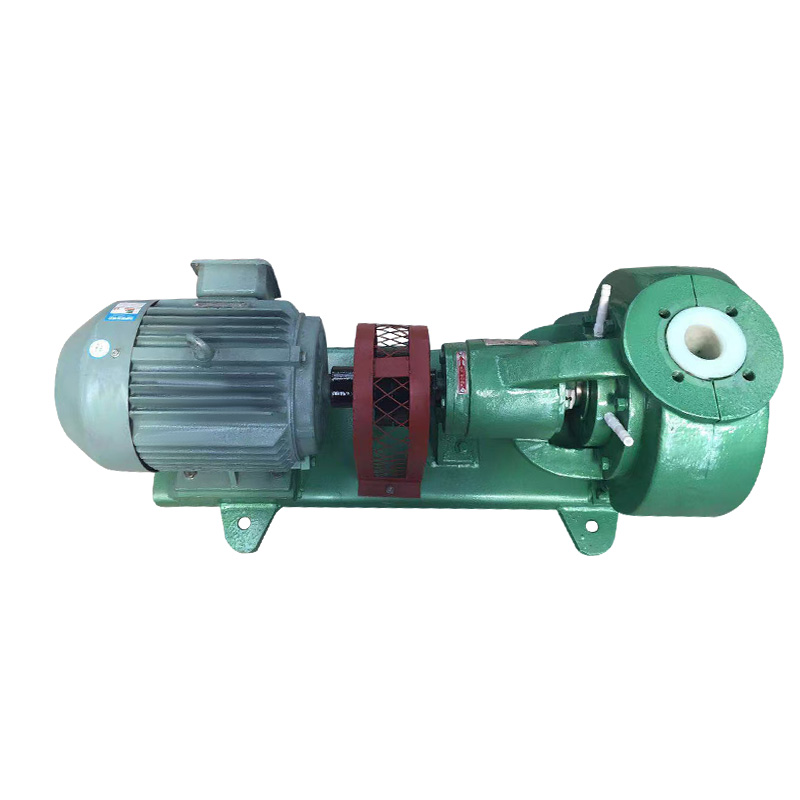
When the media defeats stainless steel and duplex alloys, fluoroplastic-lined pumps take over. PTFE, F46, and PFA linings are nearly inert to concentrated acids and bases, including hydrochloric acid, hydrofluoric acid, and even aqua regia at normal process temperatures. The trade-off is temperature range—typically −20 °C to 100–120 °C depending on the lining grade—and limited resistance to abrasive particles. Within those boundaries, however, a lined pump often outlasts a metal pump by several times at a fraction of the alloy cost. The FSB fluoroplastic centrifugal pump is a typical example of this approach in practice, with a fully lined casing and a solid fluoroplastic impeller for high-concentration acid duty. For a broader look at how these pumps handle aggressive chemical service, the fluoroplastic anticorrosion centrifugal pump guide covers the design details and application limits.
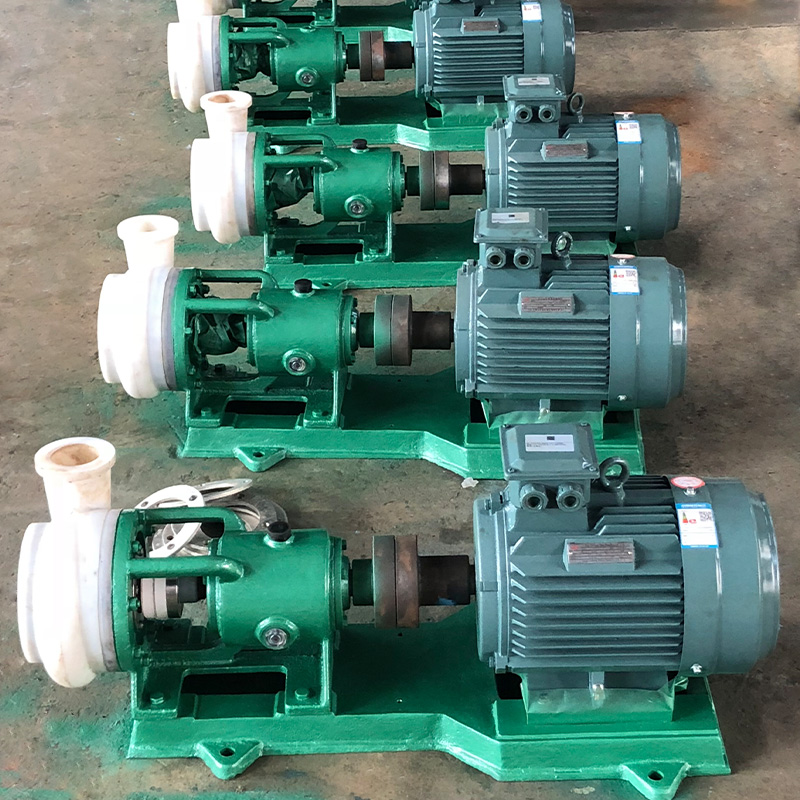 Wholesale FSB Fluoroplastic Pump Suppliers, Manufacturers, CompanyJiangsu Huanyu Chemical New Materials Co., Ltd is China Wholesale FSB Fluoroplastic Pump Supplier, Manufacturers and FSB Fluoroplastic Pu...View Product →
Nickel Alloys and Titanium for Extreme Conditions
Some environments leave even fluoroplastic linings insufficient, not because the plastic corrodes but because process temperatures exceed its rating. Nickel alloys such as Hastelloy C-276 handle wet chlorine gas, hot concentrated hydrochloric acid, and mixed acid streams at elevated temperatures. Titanium serves oxidizing chloride media where its passive film remains stable, including seawater and wet chlorine applications. The cost penalty is significant—typically several times that of 316L—so these materials are reserved for duties where no lined or stainless option can operate reliably.
| Wetted material | Typical corrosive media | Main limitations | Relative cost |
|---|---|---|---|
| 316L stainless steel | Dilute sulfuric acid, nitric acid, alkaline solutions | Pitting in chloride media, stress corrosion cracking above 60 °C | Baseline |
| 2205 duplex / 904L | Chloride-bearing salt solutions, phosphoric acid | Limited performance in reducing acids | 1.5–3× 316L |
| PTFE / F46 lining | Concentrated HCl, HF, aqua regia, caustic solutions | Temperature ≤100–120 °C, poor abrasion resistance | Similar to 316L |
| Hastelloy C-276 | Wet chlorine, hot concentrated HCl, mixed acids | High cost, complex casting and machining | 6–10× 316L |
| Titanium | Oxidizing chloride media, wet chlorine, seawater | Susceptible to reducing acids, high cost | 5–8× 316L |
Pump Architecture Determines Field Suitability
Material selection answers one question: will the wetted parts survive contact with the media? Pump architecture answers the second: can the pump be installed, sealed, and maintained in the space available, and can it handle the physical state of the fluid—including solids, vapor pressure, and required suction conditions?
Centrifugal Pumps and Lined Configurations for General Duty
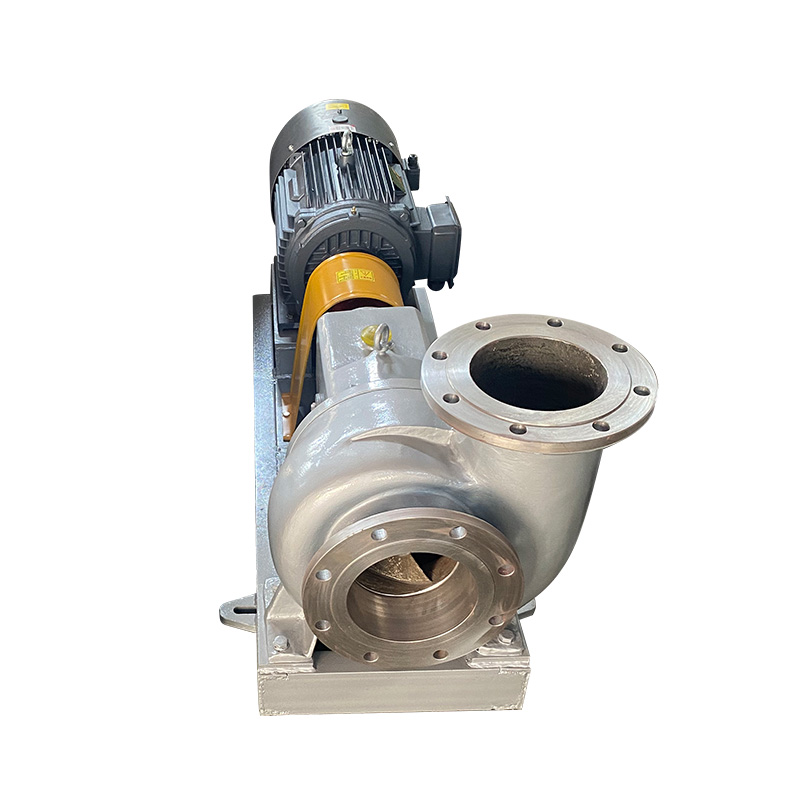
For most chemical transfer and process circulation duties, the single-stage centrifugal pump is the standard. It offers a wide hydraulic envelope, simple maintenance, and a mature supply chain. When the media is corrosive, the IHF fluorine-lined pump is one of the most widely used configurations: a metal casing protects the pressure boundary, while the fluoroplastic lining isolates the metal from the process fluid. This keeps the equipment economical while preserving corrosion resistance across a broad range of acids and alkalis. Centrifugal pumps remain the right default unless sealing, solids, or suction conditions argue otherwise.
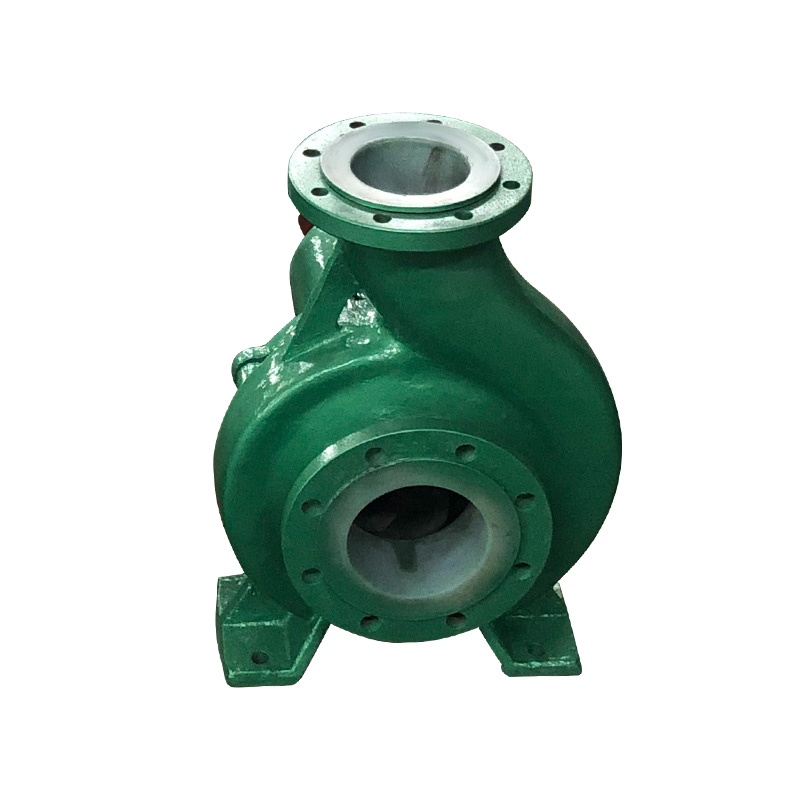 Wholesale IHF Fluorine Lined Pump Suppliers, Manufacturers, CompanyJiangsu Huanyu Chemical New Materials Co., Ltd is China Wholesale IHF Fluorine Lined Pump Supplier, Manufacturers and IHF Fluorine Lined ...View Product →
Magnetic Drive Pumps When Leakage Is Unacceptable
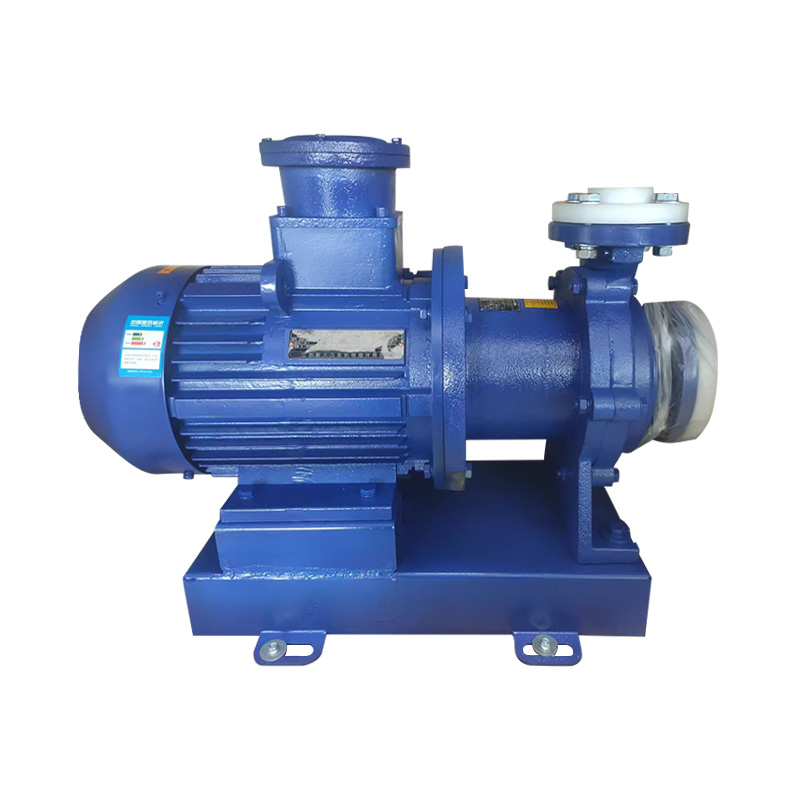
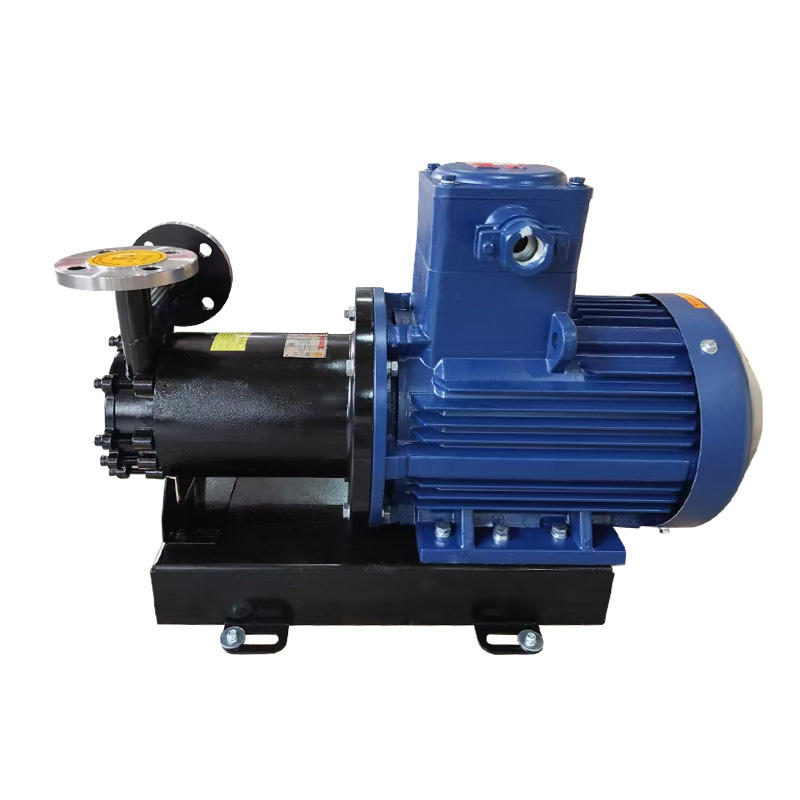
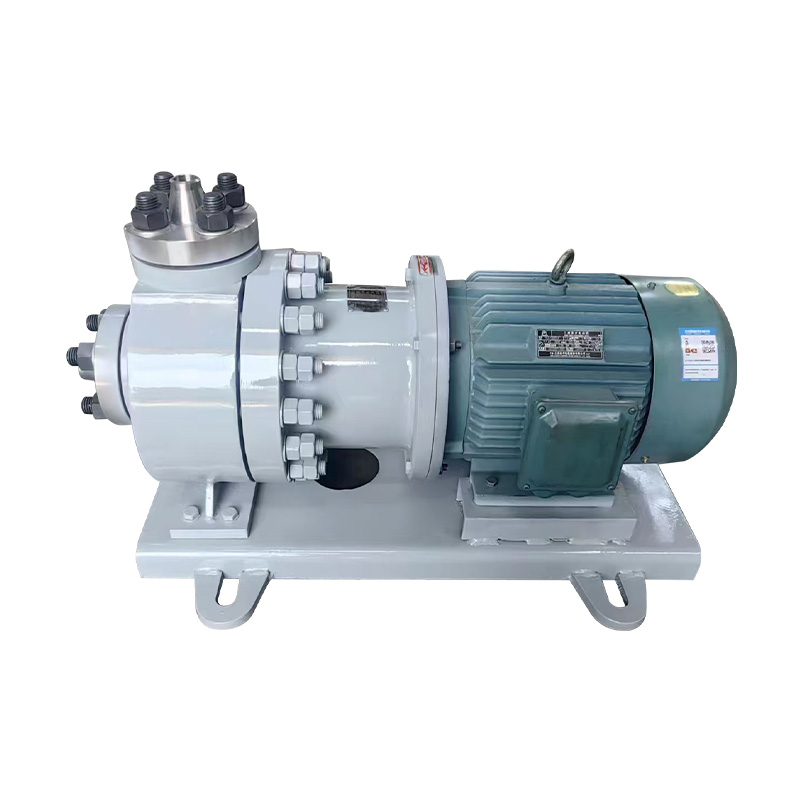
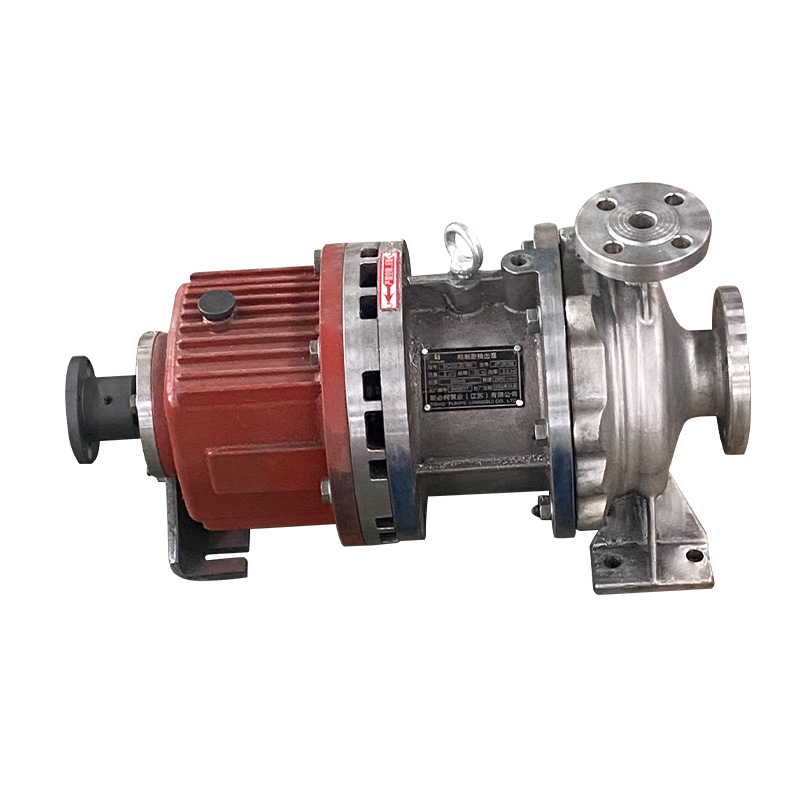
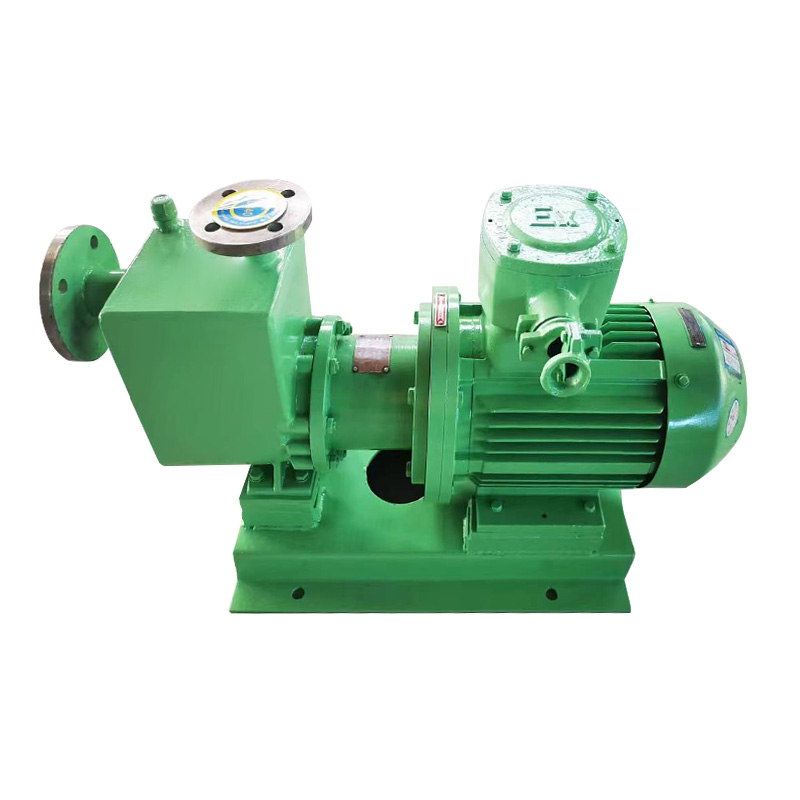
The weakest point of every conventional centrifugal pump is the rotating shaft seal. Mechanical seals can handle many services, but they are a maintenance item, and for toxic, flammable, or high-value media, even a small seepage is unacceptable. Magnetic drive pumps eliminate the dynamic seal altogether: a magnetic coupling transfers torque through a containment shell, so the process fluid stays fully enclosed. The CQB magnetic drive pump is a well-established example of this design, combining a fluoroplastic lining with an external-and-internal magnet set for leak-free transfer of corrosive chemicals. How this configuration holds up in real chemical environments is explained in the chemical magnetic drive pump corrosion-reliability guide, which compares seal-less operation with conventionally sealed pumps.
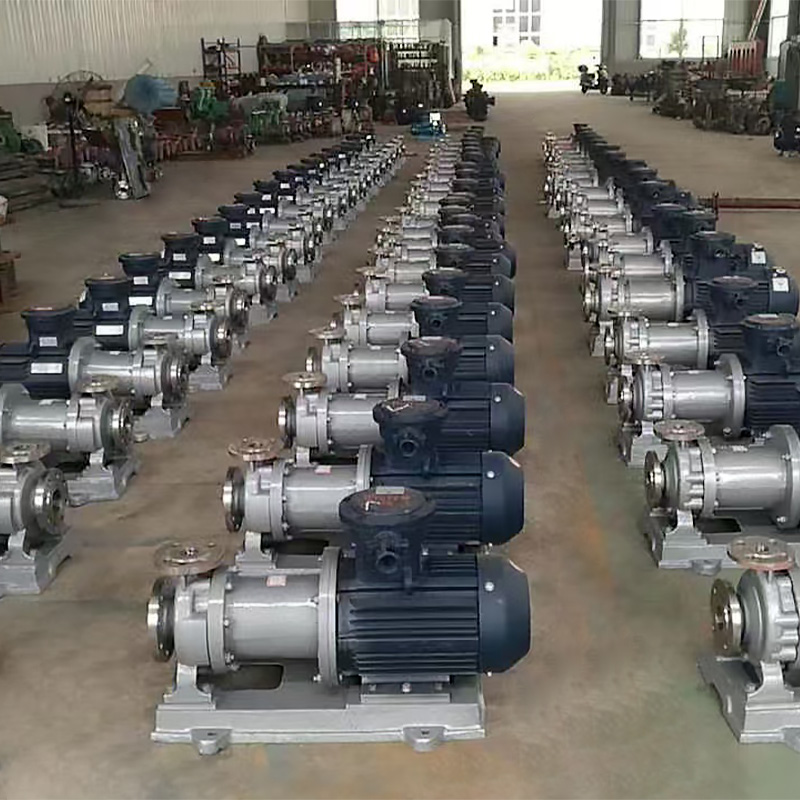 Wholesale CQB Ordinary Magnetic Pump Suppliers, Manufacturers, CompanyJiangsu Huanyu Chemical New Materials Co., Ltd is China Wholesale CQB Ordinary Magnetic Pump Supplier, Manufacturers and CQB Ordinary Mag...View Product →
Submersible and Self-Priming Layouts for Specific Installations
Not every corrosive fluid sits in a tank at eye level. For pit, sump, and underground tank service, vertical submersible pumps lower the pump end directly into the liquid, which eliminates the suction pipe and reduces the number of external leak points. Where the process requires a pump to lift liquid from a below-grade vessel and operate intermittently, self-priming pumps provide the convenience of simpler priming. Fluoroplastic-lined versions of both types exist, so corrosion resistance does not have to be sacrificed to solve a layout problem.
Engineering Considerations Before You Buy
After materials and pump type are shortlisted, the evaluation shifts to engineering details. These details separate a pump that runs for years from one that fails at first startup.
Media Data, Not Just Pump Curves
Pump selection documents often quote flow rate, head, and motor power—and omit the chemistry that destroys pumps. A complete media data sheet should include the exact chemical name, concentration in percent, operating temperature, pressure, chloride or fluoride content, presence of solids and their size and hardness, density, and viscosity. Concentration matters more than most engineers assume. Sulfuric acid at 50% is aggressive toward 316L, while at 98% the same acid passivates the surface. If the process can vary, the pump must be specified for the worst-case combination, not the average.
Manufacturer Capability and Quality Control
A corrosion-resistant chemical pump is only as good as the foundry that casts its casing and the workshop that applies the lining. Casting defects in alloys create localized corrosion sites that no surface treatment can repair. Lining application defects cause the same result in a fluoroplastic-lined pump. When evaluating suppliers, it is worth verifying that the manufacturer actually controls its own casting, machining, and assembly rather than assembling bought-in parts. Specific checks include:
- Does the manufacturer operate its own casting and machining facilities?
- Can it supply multiple material grades—stainless, duplex, nickel alloy, titanium—from one workshop?
- Is the fluoroplastic lining applied in-house with controlled thickness and inspection?
- Are pumps tested before shipment, and can test reports be provided?
These checks are not bureaucratic extras. A pump made from the right material by the right process will typically deliver several times the service life of a marginally cheaper unit with a weaker engineering chain behind it.
Final Selection Path
The shortest reliable route to a corrosion-resistant chemical pump for a new or replacement duty is a five-step path. First, document the complete chemical environment: composition, concentration, temperature, and solids content. Second, choose the wetted material based on the corrosion data, not on the material name alone. Third, select the pump architecture around sealing requirements and installation constraints. Fourth, verify the manufacturer can build and test the pump with the required materials under its own control. Finally, compare total life-cycle cost—purchase price, seal replacements, downtime, and spare parts—rather than the initial quote alone. A pump that survives years of concentrated acid service with routine shutdowns is always cheaper than one that fails at the worst possible moment.