English
 русский
 Español
Content
- 1 A Stainless Steel Chemical Pump Is a Specification, Not a Product Name
- 2 Match the Alloy to the Media Before You Match the Price
- 3 Sealing Arrangements Decide Whether the Pump Leaks or Runs
- 4 Hydraulic Selection Is About the Curve, Not Just the Name
- 5 What to Verify Before You Write the Purchase Order
- 6 Why the Manufacturer's Alloy Range and Casting Control Matter
- 7 Bringing the Selection Together
A Stainless Steel Chemical Pump Is a Specification, Not a Product Name
A dilute sulfuric acid transfer line running at 40 °C and 50 m³/h is the type of duty where many plants order a 316L stainless steel chemical pump without a second thought. In most cases that order is correct, but only when chloride content stays low, temperature stays moderate, and the sealing arrangement matches the fluid. The conclusion to keep in mind is simple: a stainless steel chemical pump performs only as well as the alloy grade, the sealing concept, and the hydraulic sizing built into it, and each of those three decisions has to be made deliberately.
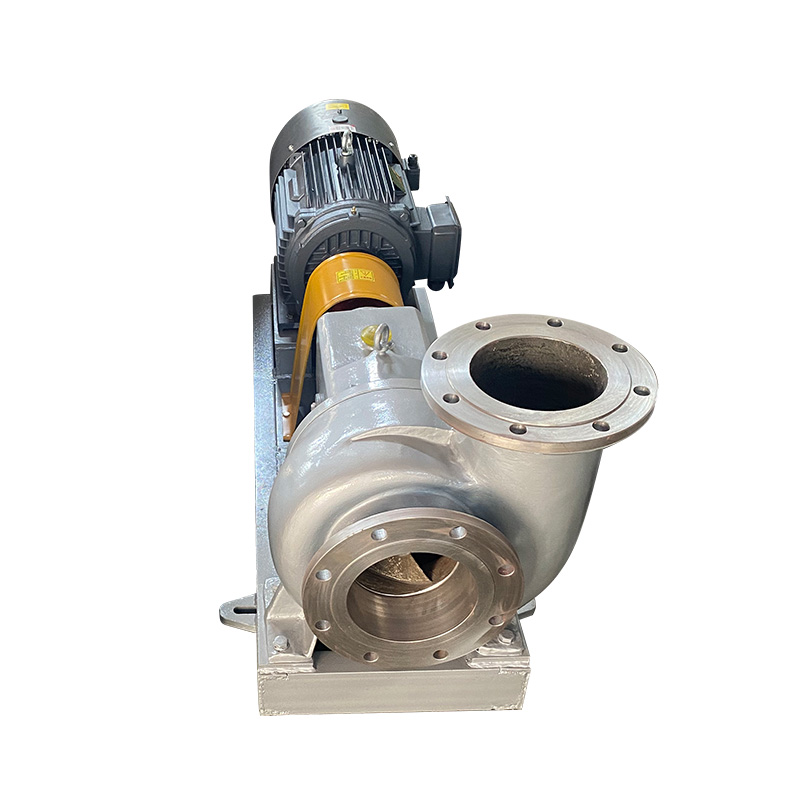
In construction, the typical stainless steel chemical pump is a single-stage, single-suction overhung centrifugal pump. The casing, impeller, wear rings, and often the shaft are cast or machined from a stainless alloy, while the bearing housing and foot are usually iron to keep cost under control. Most series follow ISO 2858 or the corresponding Chinese GB/T 5656 dimensional standard, which means the pump can be exchanged within an existing piping envelope or replaced with a spare from another qualified supplier without repiping.
Within this basic layout, manufacturers offer a wide flow and head range. A standard chemical pump family may cover capacities from a few cubic meters per hour up to several hundred, with heads to roughly 150 meters. That covers ordinary acid transfer, chemical dosing, circulation, and process feed duties, which is why the stainless steel chemical pump has become the default workhorse of chemical and pharmaceutical plants.
Match the Alloy to the Media Before You Match the Price
"Stainless steel" is not a single material. A 304 pump is a very different machine from a 316L pump, and a 2507 super duplex pump is different again. Selection always starts with the corrosive medium, its concentration, its temperature, and the presence of chlorides or halides. Even a well-specified pump can fail through pitting, crevice corrosion, or stress corrosion cracking when the operating window moves outside expectations. These failure modes are the practical reason to understand why stainless steel can be difficult to trust as a chemical pump material in extreme environments before committing to a grade.
| Media or Operating Condition | Typical Grade | Selection Rationale |
|---|---|---|
| Clean water, neutral media, mild organics, no significant chlorides | 304 | General corrosion resistance at moderate cost; acceptable for non-critical plant water duties. |
| Dilute acids, alkalis, chloride levels up to a few hundred ppm | 316L | Molybdenum improves pitting resistance; low carbon improves weldability and reduces sensitization risk. |
| Hot acids, moderate chloride process streams, seawater exposure | 904L or 2205 duplex | Higher nickel and molybdenum give better resistance to pitting and stress corrosion cracking. |
| Severe chloride service, aggressive hot media, high mechanical loads | 2507 super duplex | Very high pitting resistance and strength; can allow thinner sections and longer service life. |
The table is a starting point, not a substitute for a corrosion engineer's check. Temperature multiplies every effect: a 316L pump that survives decades in cold sodium chloride solution can pit within weeks when the same solution is heated. Likewise, oxidizing acids like nitric acid behave differently from reducing acids like hydrochloric acid. The correct sequence is to define the media envelope, compare it against the alloy's corrosion data, and only then look at price.
Sealing Arrangements Decide Whether the Pump Leaks or Runs
Most stainless steel chemical pumps are delivered with a mechanical seal, and the seal is the first component to fail in aggressive service. A single mechanical seal with a compatible flush plan handles the majority of clean chemical duties, but fluids that are toxic, flammable, or prone to crystallization demand a more robust answer.
Mechanical Seals in Chemical Duty
The standard mechanical seal relies on a secondary flush or quench plan, careful mating face selection, and correct gland loading. When the pumped fluid contains abrasive particles or polymerizes on contact with air, a conventional seal can require frequent maintenance, and the maintenance cost often exceeds the pump's original price within the first year of operation.
Sealless Magnetic Drive Pumps
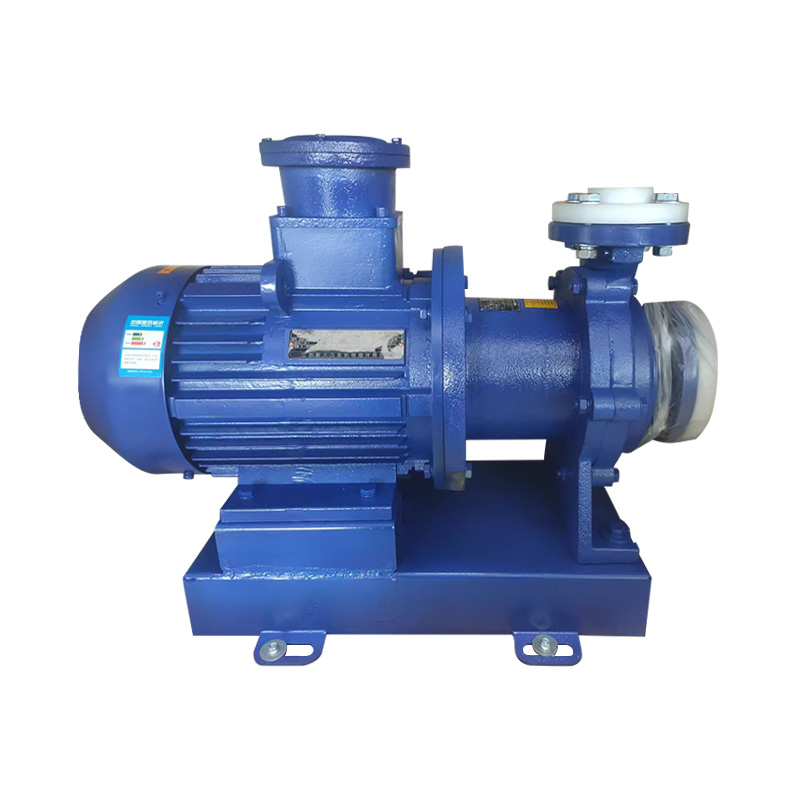
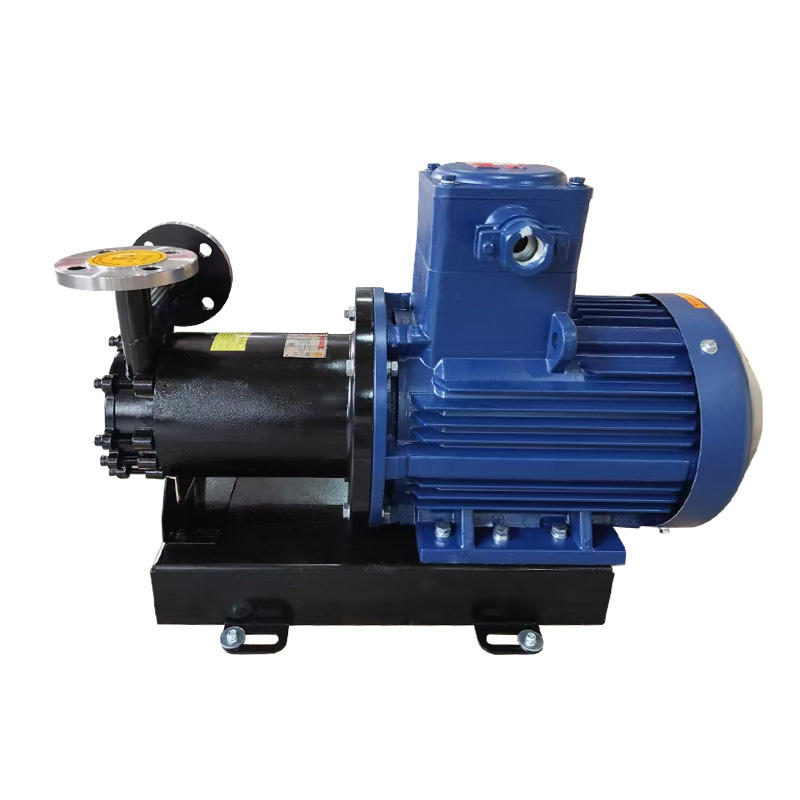
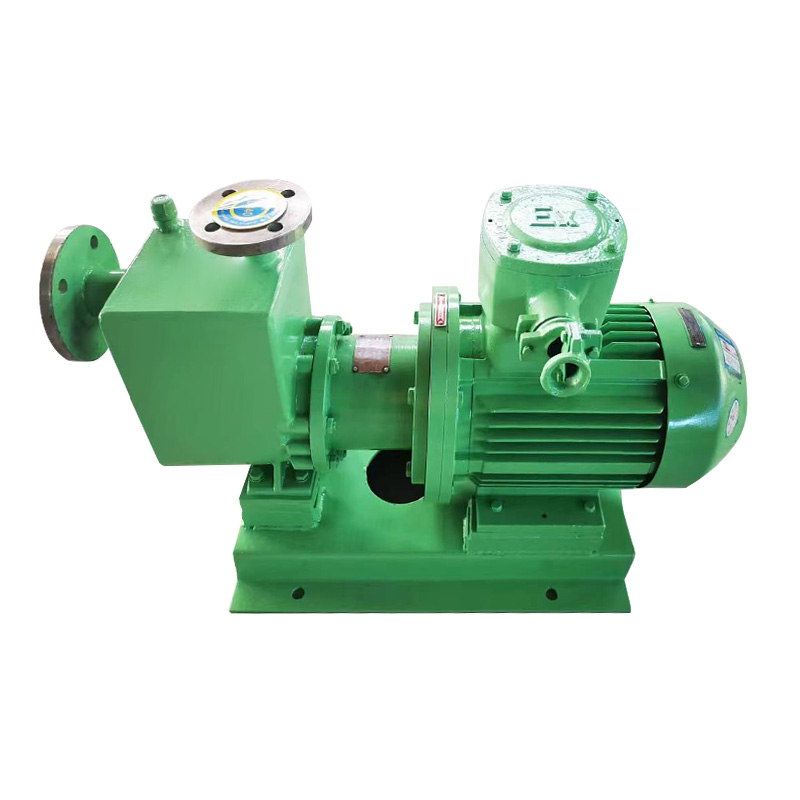
When the process fluid is toxic, flammable, expensive, or simply too difficult to seal, a sealless configuration is the rational choice. A magnetic drive pump replaces the shaft seal with a static containment shell, so there is no dynamic seal to leak. This is the logic behind our CQB stainless steel chemical magnetic drive pump, which keeps the same hydraulic envelope as a conventional chemical pump but contains the fluid completely. Many operators select it for metering additives, handling solvents, or pumping liquids where any visible leak is a safety or environmental event.
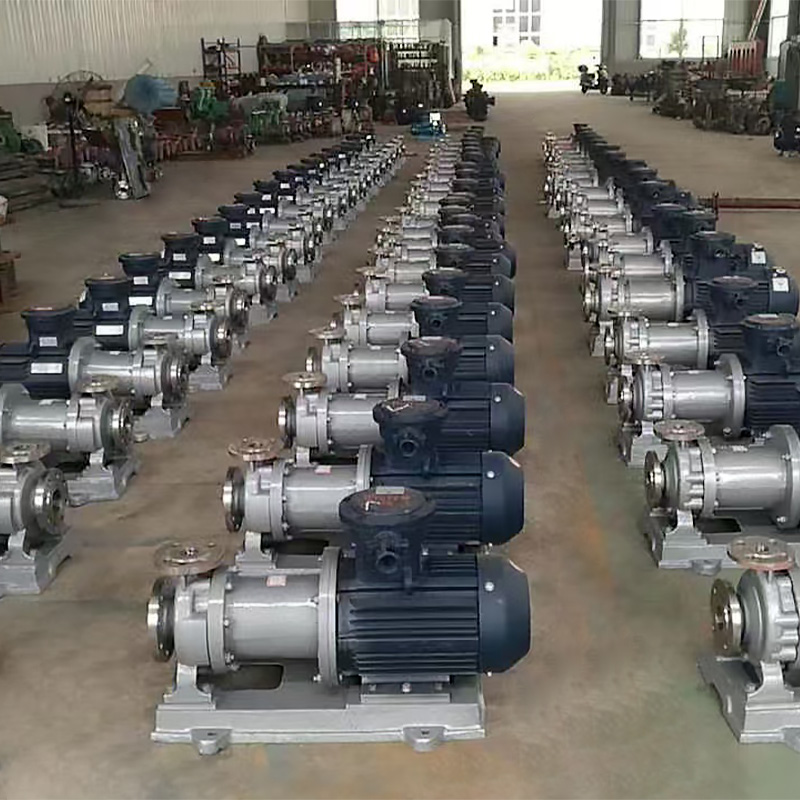 Wholesale CQB Ordinary Magnetic Pump Suppliers, Manufacturers, CompanyJiangsu Huanyu Chemical New Materials Co., Ltd is China Wholesale CQB Ordinary Magnetic Pump Supplier, Manufacturers and CQB Ordinary Mag...View Product →
Hydraulic Selection Is About the Curve, Not Just the Name
A stainless steel chemical pump ordered by model and size alone rarely runs at its best efficiency point. The pump curve matters: the duty flow and head must intersect the curve within a reliable operating window, with enough NPSH available at the maximum suction flow, and the driver sized for the pumped liquid's specific gravity and viscosity.
Rating the Operating Point
For a typical centrifugal chemical pump, the recommended operating range sits between approximately 70 percent and 110 percent of the best efficiency point. Running too far to the right increases vibration and shaft load; running too far to the left can raise liquid temperature inside the casing. If the future process load is uncertain, choose a curve with some head margin and confirm the motor power for the maximum impeller diameter.
Temperature, Viscosity, and Solids
Temperature changes both material behavior and hydraulics. Above roughly 150 °C, standard 316L components lose corrosion resistance and mechanical strength, so high-temperature duties push the selection toward stabilized grades, higher alloys, or a dedicated pump design. Viscous fluids reduce pump head and efficiency, while suspended solids increase wear on casing and impeller; for gritty media, a slurry or process pump with thicker sections is a better choice than a standard stainless chemical pump. For plant engineers working through a full duty check, a broader chemical transfer pump selection guide for petrochemical service can be a useful reference.
What to Verify Before You Write the Purchase Order
Buyers often compare stainless steel chemical pumps on price and delivery time, then discover later that material certificates are incomplete or that casing thickness does not match the flange rating. The checks below catch most of those problems before they become operational.
- Material certification. Confirm the grade, chemical composition, and mechanical properties of all wetted parts. "Stainless steel" on a quotation is not a specification; 316L, 904L, and 2205 are.
- Dimensional standard. Verify that the pump follows ISO 2858 or GB/T 5656 dimensions, so nozzles, baseplate, and shaft center height match the piping or an existing spare.
- Casting quality. Ask about foundry control, wall thickness, and how porosity is detected. A casting defect in the casing is the most expensive type of pump failure to repair.
- Seal chamber design. Check whether the gland area accepts a dual seal, which flush connections are supplied, and whether the chamber meets the seal manufacturer's recommendations.
- Test and documentation. Request a hydrostatic test and a performance test curve, and confirm that the pump will be shipped with an instruction manual and material certifications.
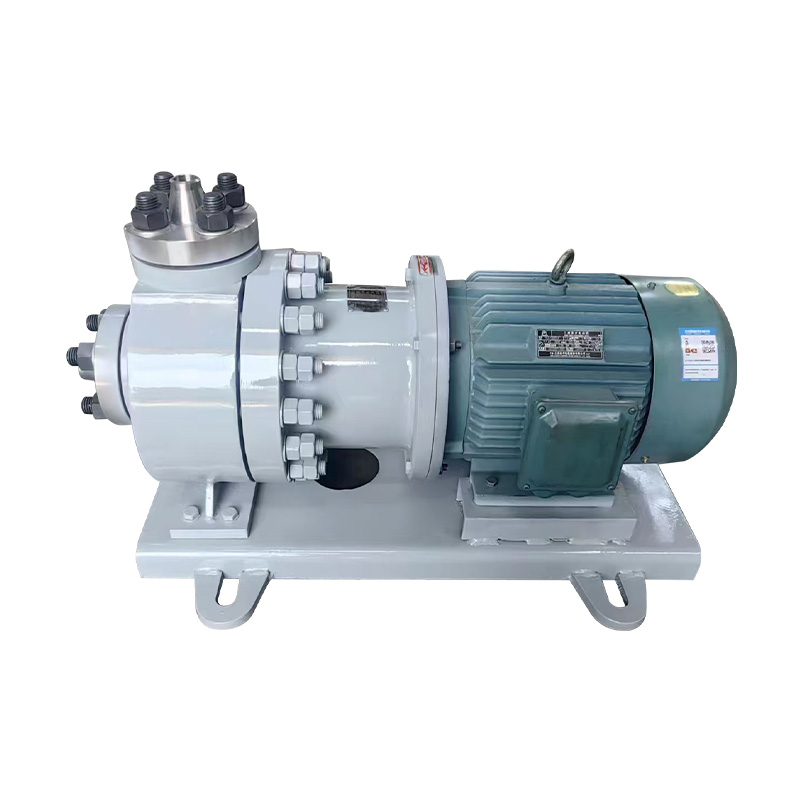
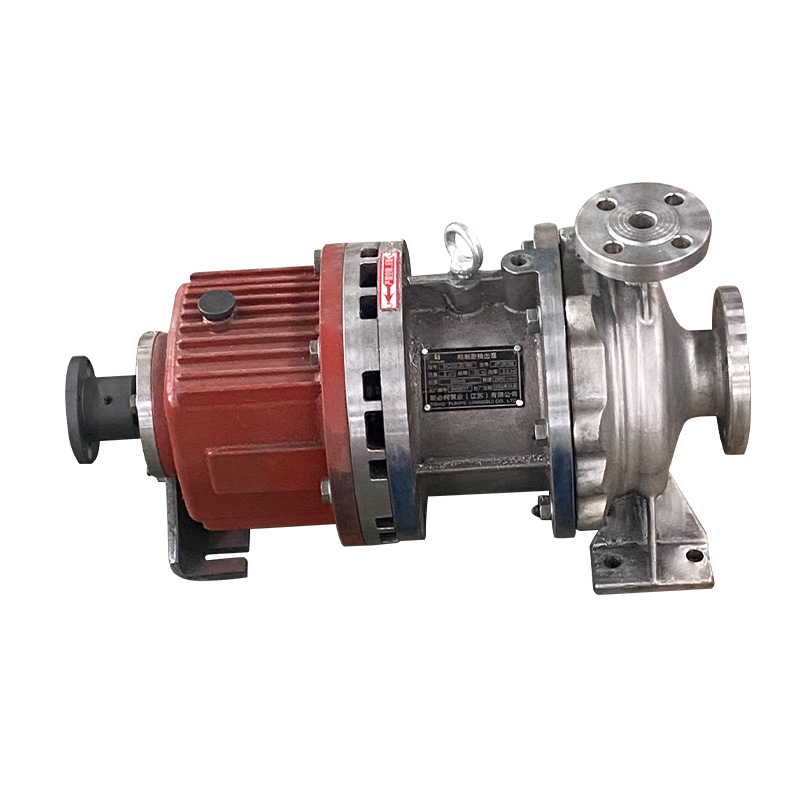
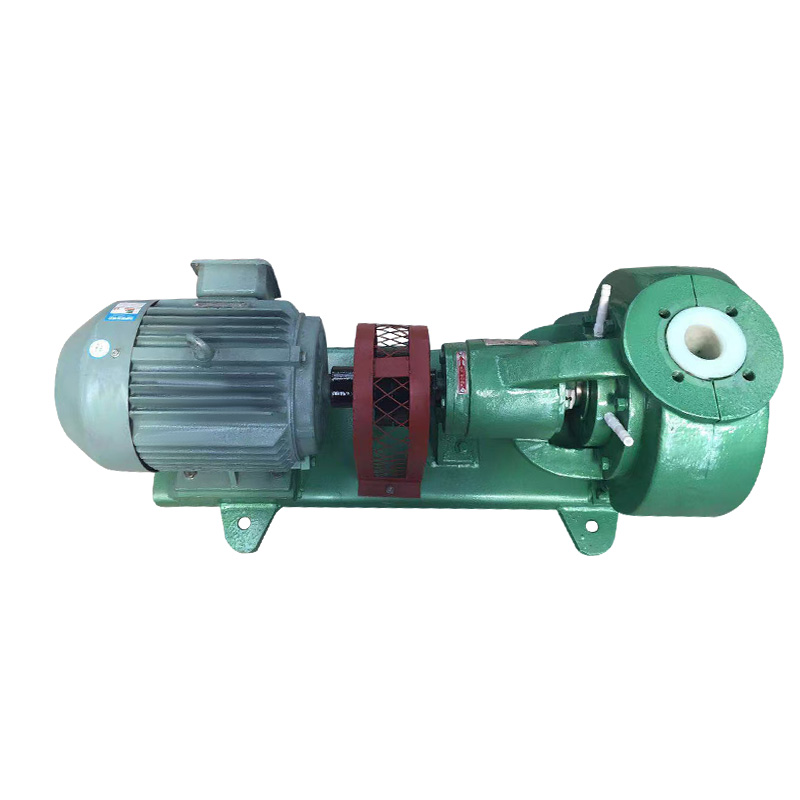
For most standard chemical duties, our range includes the IH stainless steel chemical centrifugal pump, a single-stage, single-suction design available in 304, 316L, 904, 2205, 2507, and other alloys, with capacities and heads that cover typical process requirements. For duties that demand higher temperatures, heavier loads, or more stringent reliability expectations, the CZ petrochemical process pump is the next step up. Both designs come from the same manufacturing floor, which keeps the material traceability chain short.
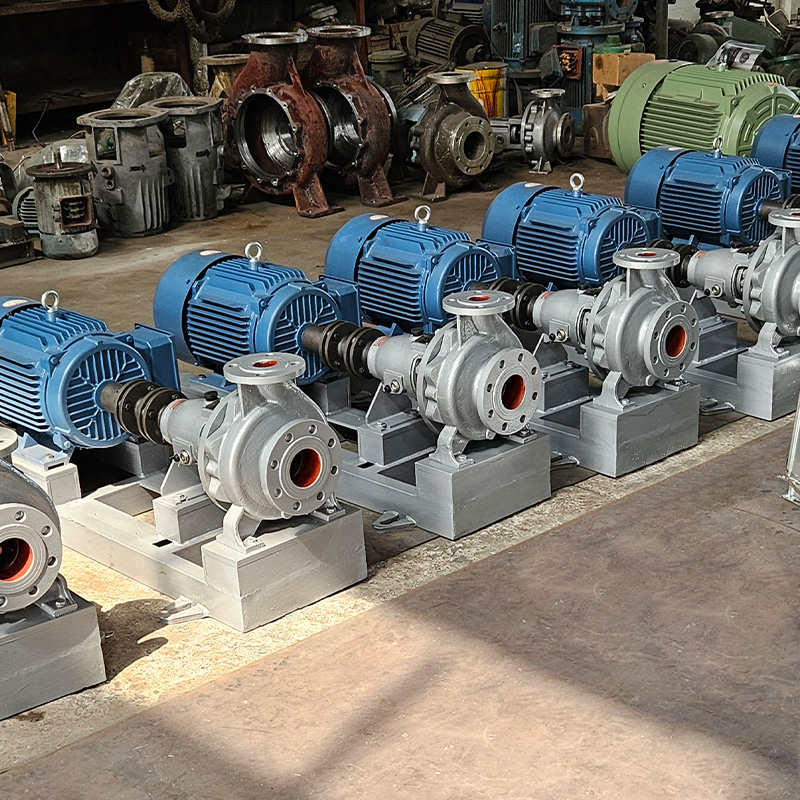 Wholesale CZ Suppliers, Manufacturers, CompanyJiangsu Huanyu Chemical New Materials Co., Ltd is China Wholesale CZ Supplier, Manufacturers and CZ Company, The standard chemical pump o...View Product →
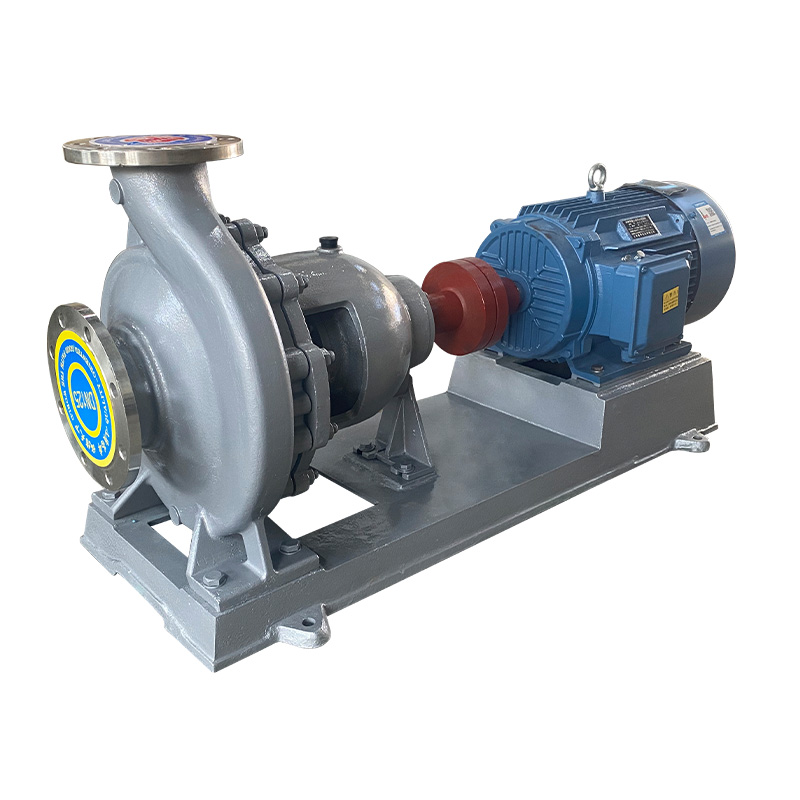 Wholesale IH Suppliers, Manufacturers, CompanyJiangsu Huanyu Chemical New Materials Co., Ltd is China Wholesale IH Supplier, Manufacturers and IH Company, Type IH pump is a single-sta...View Product →
Why the Manufacturer's Alloy Range and Casting Control Matter
A stainless steel chemical pump is only as trustworthy as its castings and its material control. Jiangsu Huanyu Chemical New Materials, the manufacturer behind submersiblepumpfactory.com, has operated its own foundry, machining, and assembly workshops since 1987, and lists pump series in more than 300 specifications. Wetted parts are produced in 304, 316L, 904, 2205, 2507, and CD4, as well as titanium and nickel-based options for special media. That breadth matters in practice: when a process engineer asks for a 904L impeller to match a 904L casing, there is no need to substitute a lower grade or wait for an outside foundry to deliver the component.
The relationship between foundry and assembly is also a practical advantage. With casting, machining, non-metal pressing, and assembly inside one facility, the manufacturer controls wall thickness, heat treatment, balance, and surface finish rather than accepting whatever a subcontractor sends. This is the difference between buying a pump and buying a specification. Customers working on projects from China's coastal industrial belt to export destinations in Laos, Thailand, Tanzania, Malaysia, and Russia rely on that consistency when they commission stainless steel chemical pumps.
Bringing the Selection Together
The right stainless steel chemical pump is the one whose alloy, sealing arrangement, and hydraulic curve all match the duty, and whose supplier can prove the material and control the casting. Define the media, temperature, chloride content, flow, and head, and most of the selection becomes a straightforward materials and manufacturing question.
If you are not sure which grade or series fits your process, contact our application engineers with your duty data, and we will work through the selection with you.