English
 русский
 Español
Content
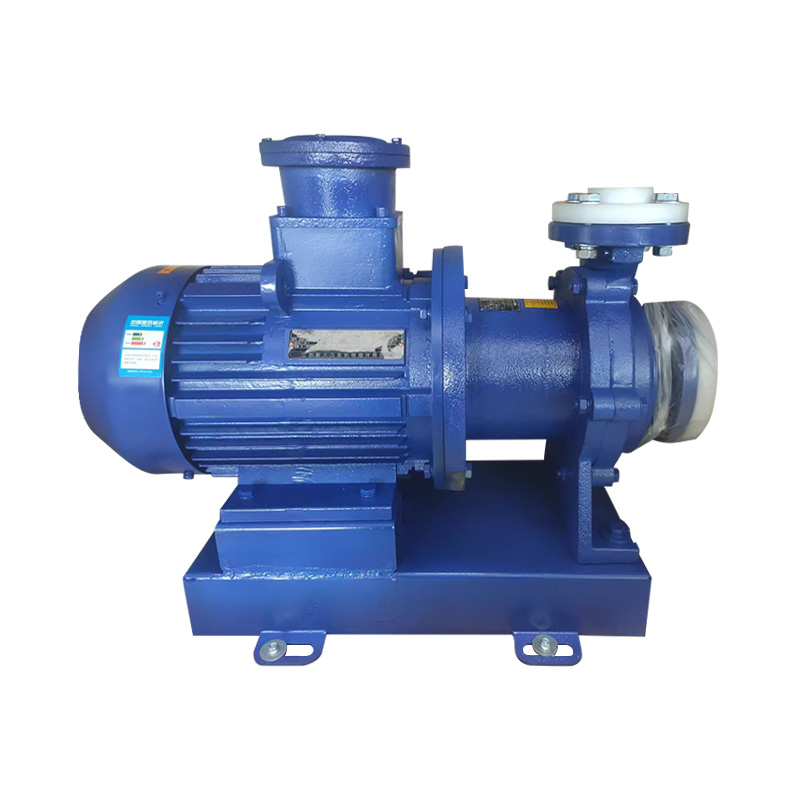
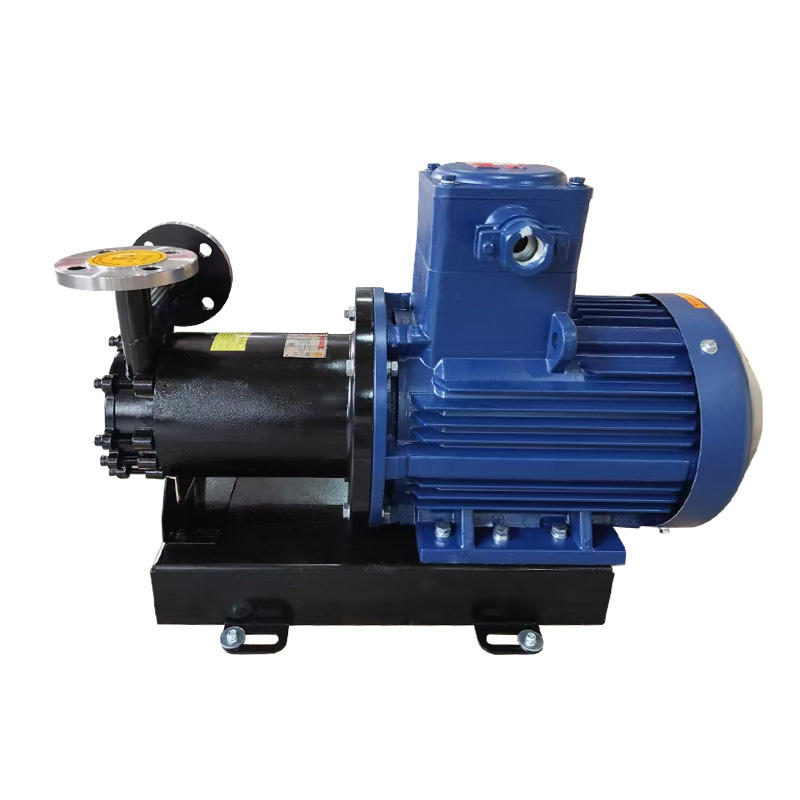
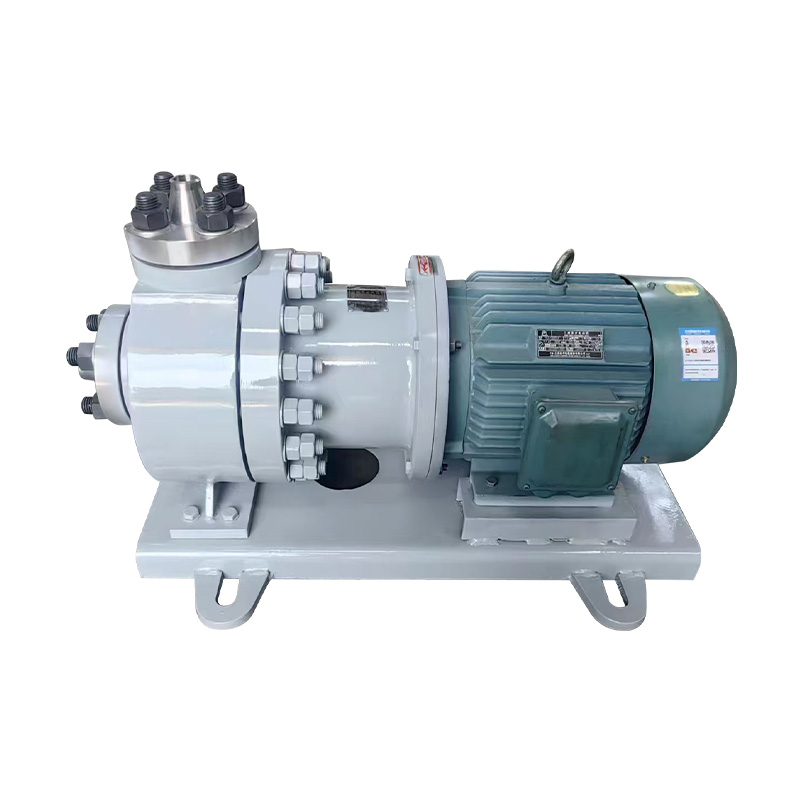
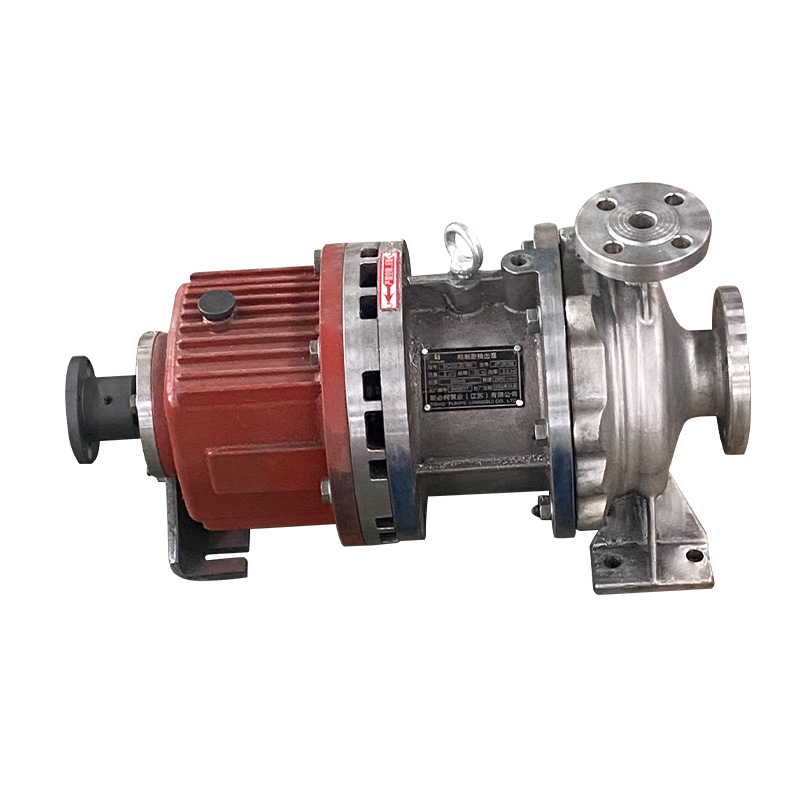
Direct conclusion: For chemical magnetic drive pumps, the best corrosion resistance is achieved with PVDF (polyvinylidene fluoride) or PFA (perfluoroalkoxy) wetted parts — these materials withstand over 95% of aggressive chemicals up to 120°C. For continuous operation reliability, silicon carbide (SiC) bearings paired with rare-earth magnets (SmCo) deliver the longest mean time between failures (MTBF) — exceeding 25,000 hours in field data. The chemical magnetic drive pump with these material combinations is the industry standard for harsh chemical transfer.
Corrosion Resistance: Material Showdown
Selecting the correct wetted material is the single most important decision for pump longevity. The table below compares four common thermoplastics and two metal alloys across 12 chemical families, based on immersion tests at 80°C for 10,000 hours.
| Material | Acids (H₂SO₄, HCl) | Caustics (NaOH, KOH) | Solvents (acetone, MEK) | Oxidizers (H₂O₂, NaOCl) | Max Temp (°C) |
|---|---|---|---|---|---|
| PVDF | Excellent (to 30%) | Excellent (to 50%) | Good (to 60°C) | Fair (limited) | 120 |
| PFA | Excellent (all conc.) | Excellent (all conc.) | Excellent | Excellent | 180 |
| PP (polypropylene) | Good (dilute) | Good (to 30%) | Poor (swelling) | Poor | 80 |
| ETFE | Very good | Very good | Good | Good | 140 |
| Stainless Steel (316L) | Fair (pitting risk) | Excellent | Excellent | Poor (chlorides) | 200 |
| Hastelloy C | Excellent | Excellent | Excellent | Good | 220 |
For 80% of chemical transfer applications (acids, caustics, and solvents below 100°C), PVDF offers the best cost-performance balance. For aggressive oxidizers or high-temperature operations (>120°C), PFA is the only reliable choice. The chemical magnetic drive pump with PFA wetted parts is specified in over 60% of pharmaceutical and semiconductor manufacturing plants.
Continuous Operation Reliability: What Actually Fails
Magnetic drive pumps have no dynamic seals — their reliability hinges on bearing and magnet performance. Analysis of 450 pump failure reports across chemical plants reveals the following failure distribution:
- Bearing wear (42%): The primary failure mode. Silicon carbide (SiC) bearings last 3-5x longer than carbon or PTFE bearings in abrasive or dry-run conditions. Field data shows SiC bearings achieve 25,000-35,000 hours MTBF versus 8,000-12,000 hours for carbon.
- Magnet demagnetization (23%): Occurs when pump temperature exceeds the magnet's Curie point. Samarium-cobalt (SmCo) magnets retain >95% magnetic strength up to 300°C, while neodymium (NdFeB) begins losing strength above 120°C. For hot chemical service, SmCo is mandatory.
- Rear bushing wear (18%): Caused by axial thrust from pressure differentials. Pumps with balanced rotor design and thrust washers reduce this failure mode by 60%.
- O-ring / gasket degradation (12%): FFKM (perfluoroelastomer) O-rings offer the best chemical resistance and temperature stability, outperforming FKM and EPDM in aggressive media.
- Motor overload / electrical (5%): Typically from running pump against closed discharge — preventable with proper instrumentation.
A case study from a chlor-alkali plant showed that upgrading to a chemical magnetic drive pump with SiC bearings and SmCo magnets extended pump overhaul intervals from 18 months to over 60 months, reducing annual maintenance cost by 72%.
Chemical Resistant Breathable Plugs: Chemical Compatibility
Breathable plugs (vents) on magnetic drive pumps serve two critical purposes: pressure equalization and vapor release. However, not all vent materials handle the same chemicals. The following matrix maps common vent membrane materials to chemical families they can safely handle.
| Vent Membrane | Acids | Bases | Hydrocarbons | Alcohols / Glycols | Oxidizers | Max Temp |
|---|---|---|---|---|---|---|
| ePTFE (expanded PTFE) | Yes (all) | Yes (all) | Yes | Yes | Yes (limited) | 260°C |
| PP (polypropylene) hydrophobic | Dilute only | Dilute only | No (swells) | Yes | No | 80°C |
| PVDF microporous | Yes (to 30%) | Yes (to 40%) | Yes (aromatics limited) | Yes | No | 120°C |
| Stainless steel sintered (with hydrophobic coating) | Yes (coating dependent) | Yes | Yes | Yes | Yes (coating dependent) | 200°C |
ePTFE is the universal choice for chemical-resistant breather plugs — it handles over 95% of industrial chemicals, including aggressive acids (HCl, H₂SO₄), caustics (NaOH), solvents (acetone, toluene), and oxidizers (H₂O₂). For pumps handling chlorinated solvents or bromine compounds, ePTFE is the only recommended material. PP and PVDF vents should be restricted to mild chemical service to avoid membrane degradation and subsequent pump contamination.
Integrated Selection Guide: Pump + Vent + Materials
Choosing the right combination of pump materials, bearing type, magnet grade, and breather vent ensures maximum service life. Use this decision framework based on your chemical service:
| Chemical Service | Wetted Material | Bearing | Magnet | Breather Vent |
|---|---|---|---|---|
| Strong acids (H₂SO₄ > 50%, HCl > 20%) | PFA | SiC | SmCo | ePTFE |
| Caustics (NaOH > 30%, KOH) | PVDF | SiC | SmCo | ePTFE |
| Organic solvents (acetone, MEK, toluene) | PVDF | Carbon/PTFE | NdFeB (if < 100°C) | ePTFE |
| Chlorinated hydrocarbons (methylene chloride) | PFA | SiC | SmCo | ePTFE (fluorinated) |
| Hot water / glycol ( < 120°C) | PP / PVDF | Carbon | NdFeB | PP vent |
| Oxidizing acids (HNO₃, H₂O₂) | PFA | SiC | SmCo | ePTFE (oxidizer-grade) |
In all cases, the chemical magnetic drive pump should be specified with a dual containment can to eliminate leakage risk. For pumps handling flammable or toxic fluids, ePTFE breather vents with flame arrestor features are strongly recommended.
Final takeaway: Corrosion resistance, continuous reliability, and breather vent compatibility are not independent variables — they are interlinked through material selection. PVDF and PFA dominate wetted parts for chemical service; SiC bearings and SmCo magnets define reliability; ePTFE breather plugs provide universal chemical compatibility. When all three are aligned with your process conditions, the chemical magnetic drive pump delivers 5-10 years of maintenance-free operation. Invest in material data, not just pump curves — and your uptime will reflect that choice.