English
 русский
 Español
Content
What Type Of Pump Is Used In Petroleum Refining
Refineries rely on a mix of pump technologies depending on the stage of the process, and no single design covers every task. The three dominant categories are centrifugal pumps, positive displacement pumps, and magnetic drive sealless pumps.
| Pump Type | Typical Use In Refining | Why It Fits |
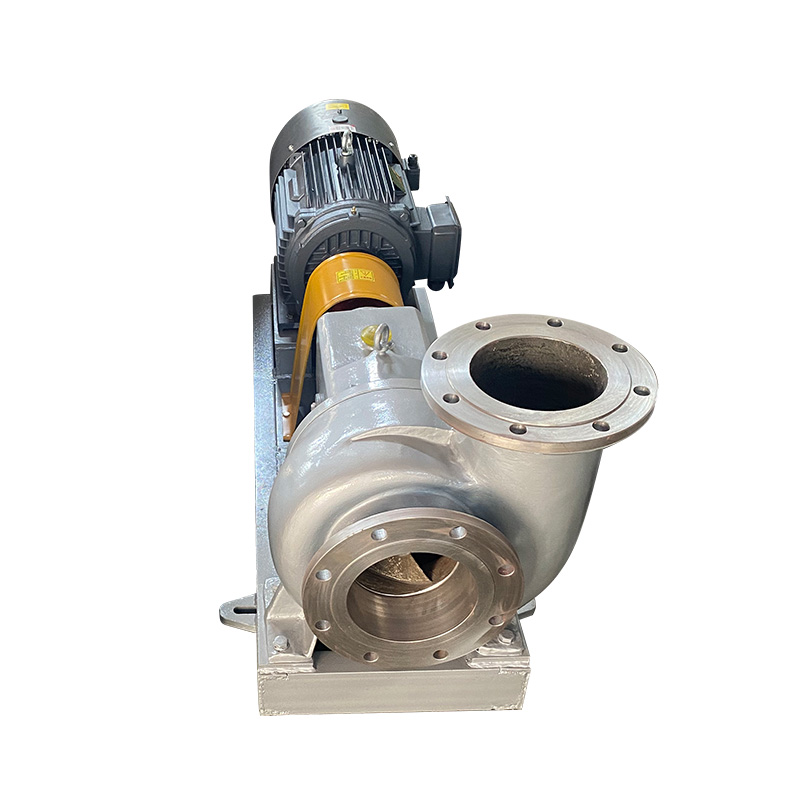
| Centrifugal process pump | Crude oil transfer, cooling water circulation, distillation feed | High flow rates at moderate pressure, reliable for continuous operation |
| Positive displacement pump | Additive injection, viscous residue transfer, metering | Delivers precise, steady flow regardless of pressure fluctuation |
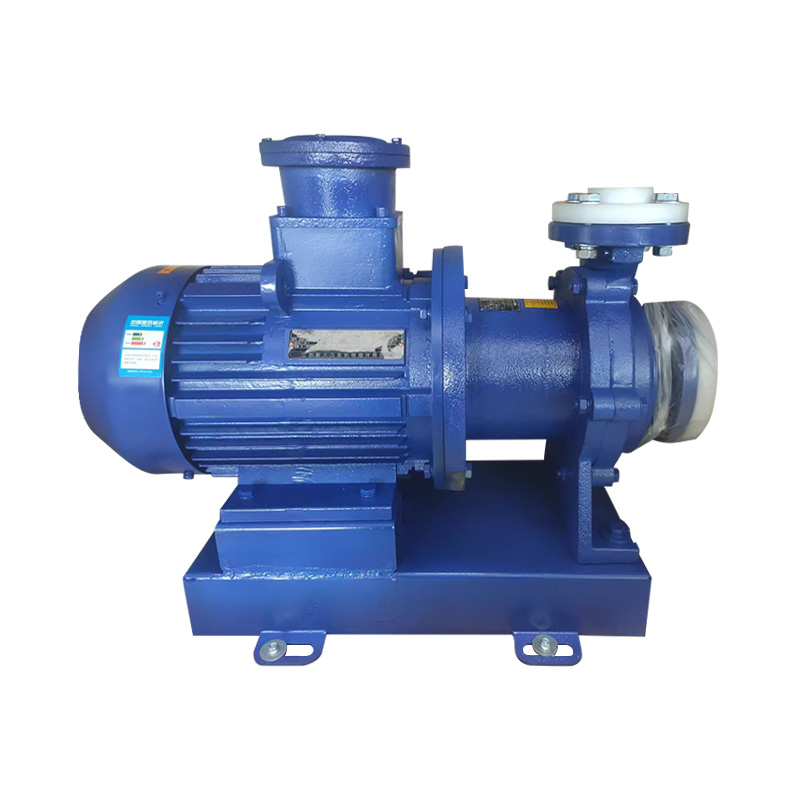
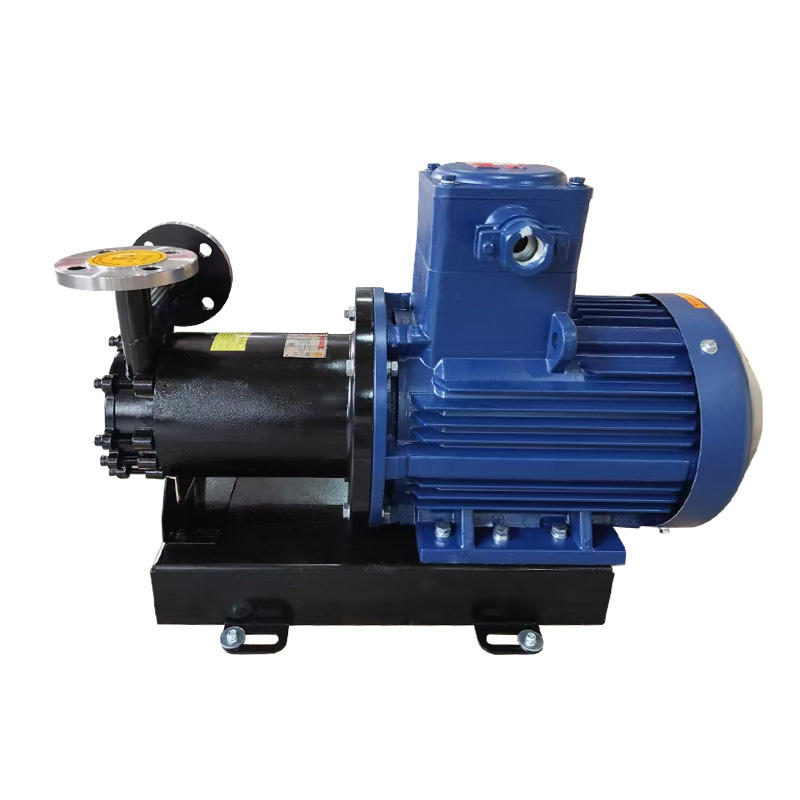
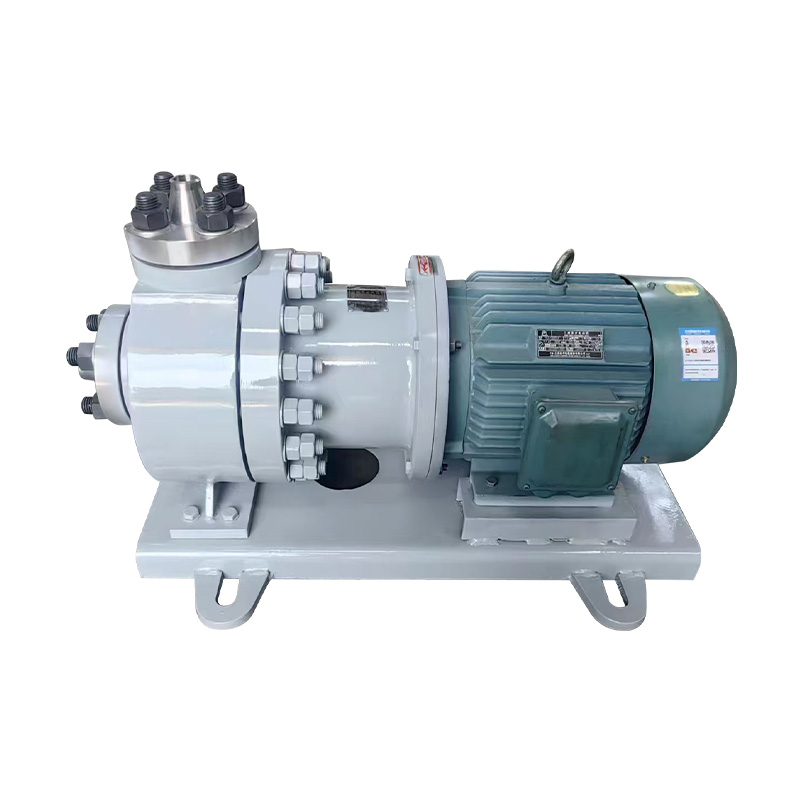
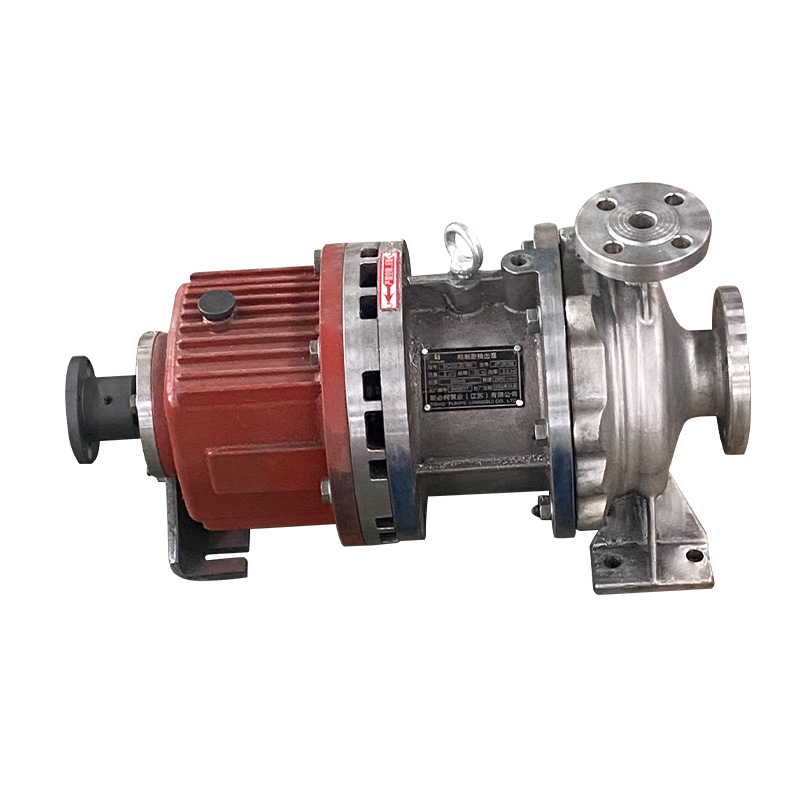
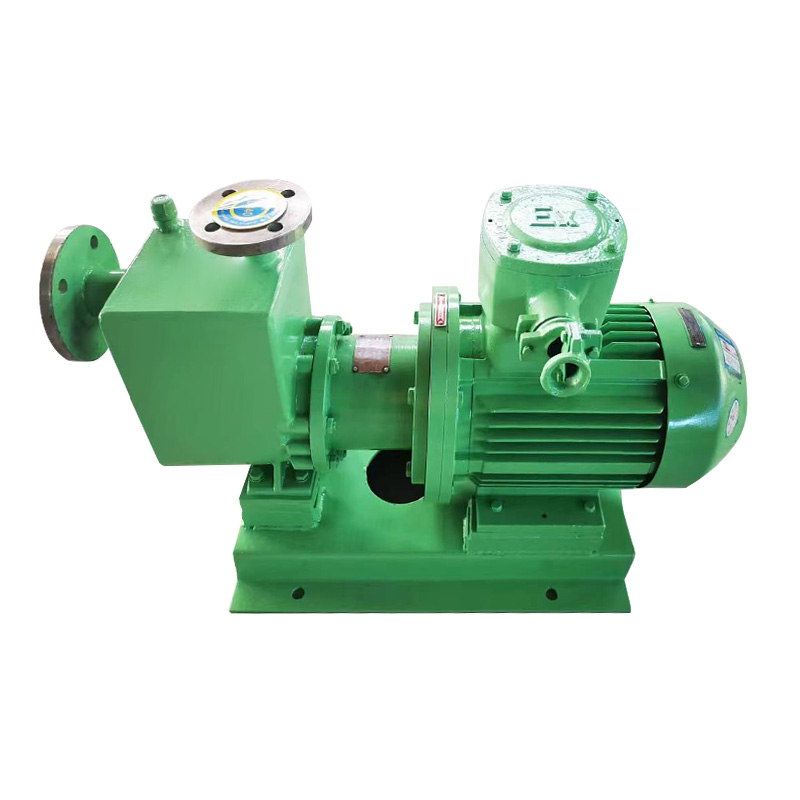
| Magnetic drive sealless pump | Handling acids, solvents, and other hazardous or toxic fluids | No mechanical seal means zero leak path to atmosphere |
| Diaphragm pump | Low flow, high hazard chemical dosing | Fully enclosed fluid path, ideal for corrosive or flammable liquids |
Most refineries run a combination of all four across different units, matching each pump to the specific fluid characteristics and pressure demands of that stage rather than standardizing on one design plant-wide.
Heavy Duty Process Pump Applications Across The Plant
Petrochemical facilities push pumps through some of the harshest operating conditions in industrial processing, including extreme temperatures, abrasive particulates, and fluids that are flammable, toxic, or corrosive simultaneously. Typical heavy duty applications include:
- Crude and feedstock transfer: moving raw material between storage tanks and processing units at high continuous flow
- Reactor feed and circulation: maintaining precise flow into reaction vessels where pressure consistency directly affects product yield
- Acid and caustic handling: transferring highly corrosive fluids used in alkylation and treatment processes
- Cooling and utility water systems: supporting heat exchangers and condensers across the facility
- Slop oil and wastewater transfer: handling abrasive, contaminated fluid streams during recovery and treatment
A pump specified for crude transfer at 150 degrees C and moderate viscosity will fail quickly if redeployed to an acid line without reevaluating seal material and wetted parts, which is why application-specific sizing matters more in this industry than in general industrial pumping.
How To Choose A Process Pump For Chemical Plants
Selecting a chemical transfer pump involves working through fluid data first, then matching mechanical design to that data rather than starting from a preferred brand or pump style.
Identify Fluid Chemistry
Confirm corrosivity, viscosity, and whether the fluid contains suspended solids. Acidic or highly reactive fluids typically require magnetic drive or lined pump construction rather than standard mechanical seal designs.
Confirm Operating Temperature Range
Many petrochemical fluids run between 100 and 300 degrees C. Seal materials, gaskets, and bearing lubrication must all be rated for the sustained temperature, not just a brief peak.
Calculate Flow And Head Requirements
Undersized pumps cavitate and wear prematurely, while oversized pumps waste energy and increase maintenance frequency from operating outside their efficiency curve.
Determine Seal Or Sealless Requirement
For hazardous or emission-regulated fluids, a sealless magnetic drive design eliminates fugitive emission risk entirely, which is often a regulatory requirement rather than a preference.
Verify Material Compatibility
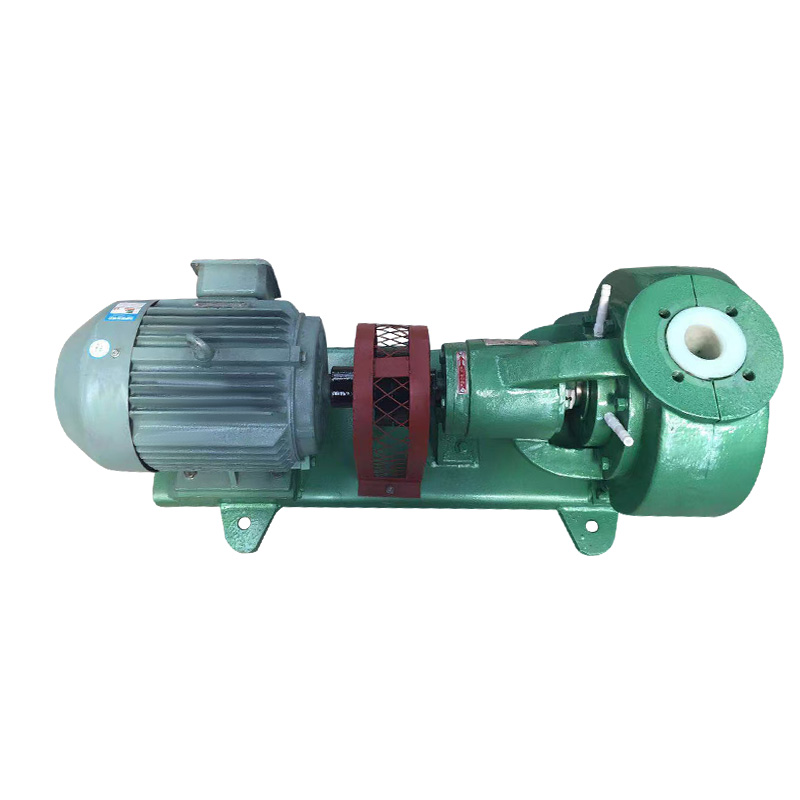
Wetted parts made from Hastelloy, PTFE-lined components, or duplex stainless steel resist specific chemical attacks that standard 316 stainless steel cannot withstand over long service periods.
Why Is Pump Maintenance Critical In Petrochemical Industry
Pump failure in a petrochemical facility is rarely just a downtime issue. A seal failure on a fluid transfer pump can release flammable or toxic material directly into the plant environment, triggering safety shutdowns, environmental reporting requirements, and in serious cases, fire or explosion risk. Industry data consistently shows that mechanical seal failure accounts for a large share of unplanned pump downtime, often cited around 60 to 70 percent of pump-related failures across process industries.
| Maintenance Task | Recommended Frequency |
| Vibration and bearing analysis | Monthly or continuous monitoring on critical units |
| Seal inspection or replacement | Every 6 to 12 months depending on fluid severity |
| Alignment check | After any coupling work or annually as routine practice |
| Full teardown inspection | Every 2 to 3 years or per manufacturer interval |
Facilities that follow a scheduled predictive maintenance program, rather than reactive repair after failure, commonly report significantly fewer unplanned shutdowns and extend average pump service life well beyond units maintained only after a fault occurs.
Common Questions On Petrochemical Pump Selection
Can one pump handle both crude transfer and chemical dosing
Generally no, since flow requirements and chemical compatibility differ significantly between bulk transfer and precise dosing tasks, each calling for a different pump category.
What is the advantage of a magnetic drive pump over a sealed pump
A magnetic drive design removes the mechanical seal entirely, eliminating the most common leak point and reducing the risk of fugitive emissions for hazardous fluids.
How often should wetted parts be inspected
This depends on fluid corrosivity, but most facilities schedule inspection alongside seal service intervals, typically every 6 to 12 months for aggressive chemical duty.
Does pump material choice affect long term operating cost
Yes, a higher grade alloy costs more upfront but often reduces replacement frequency and unplanned downtime enough to lower total cost of ownership over the pump's service life.