English
 русский
 Español
Content
- 1 What Is a Centrifugal Self Priming Pump and How Does It Work?
- 2 What Are the Main Applications of Centrifugal Self Priming Pumps?
- 3 Why Are Centrifugal Self Priming Pumps Ideal for Harsh Environments?
- 4 What Should You Consider When Choosing a Centrifugal Self Priming Pump?
- 5 How to Maximize the Efficiency of Centrifugal Self Priming Pumps?
- 6 Conclusion: Why Centrifugal Self Priming Pumps Are the Best Choice for Your Industry?
- 7 FAQ
- 7.1 What industries benefit the most from centrifugal self priming pumps?
- 7.2 What are the key advantages of self priming pumps over traditional pumps?
- 7.3 How do centrifugal self priming pumps help with wastewater treatment?
- 7.4 What factors should I consider when selecting a centrifugal self priming pump?
What Is a Centrifugal Self Priming Pump and How Does It Work?
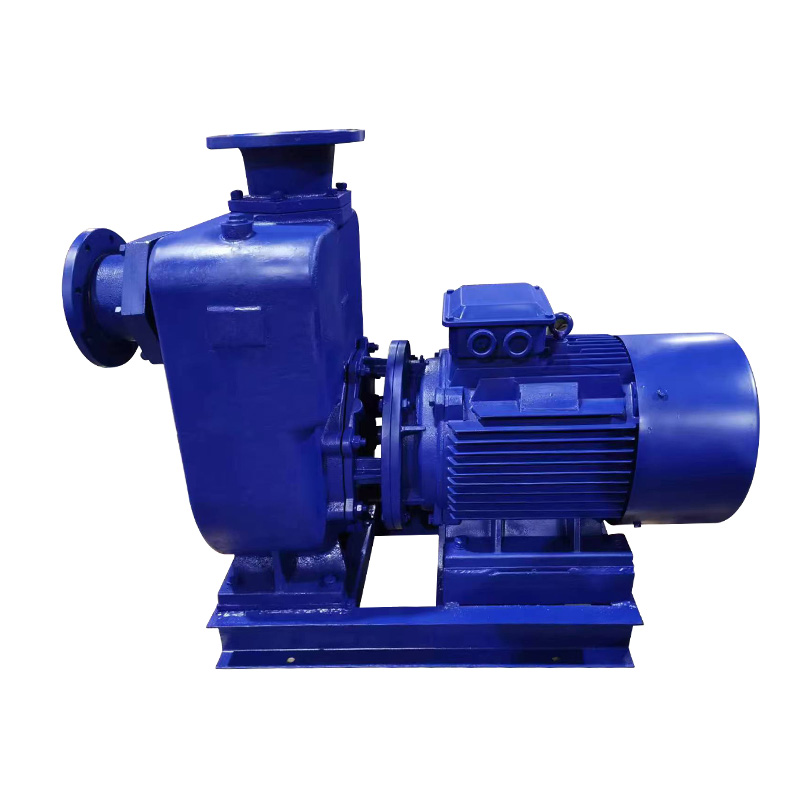
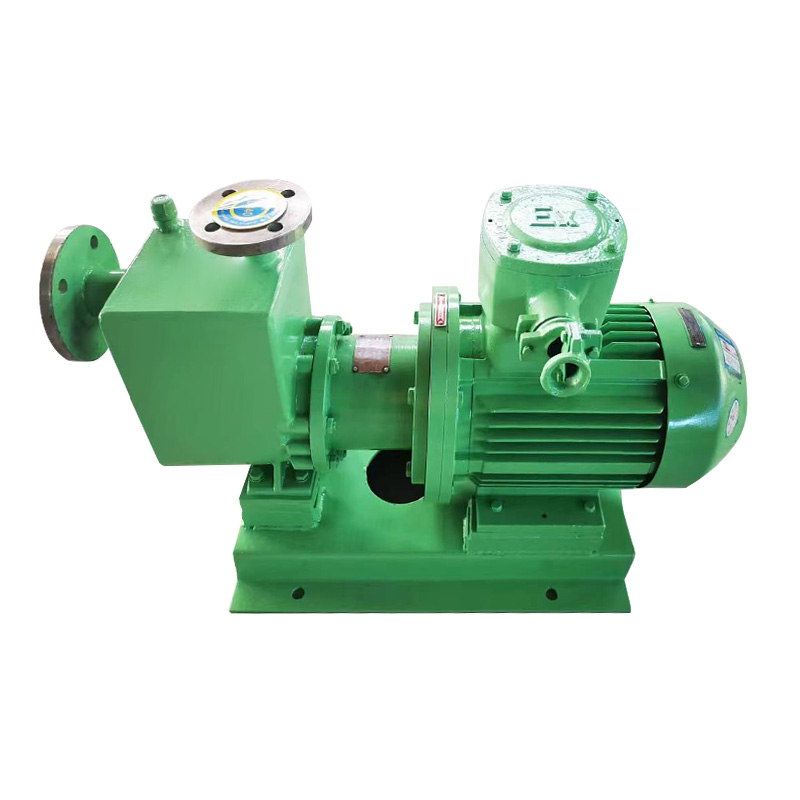
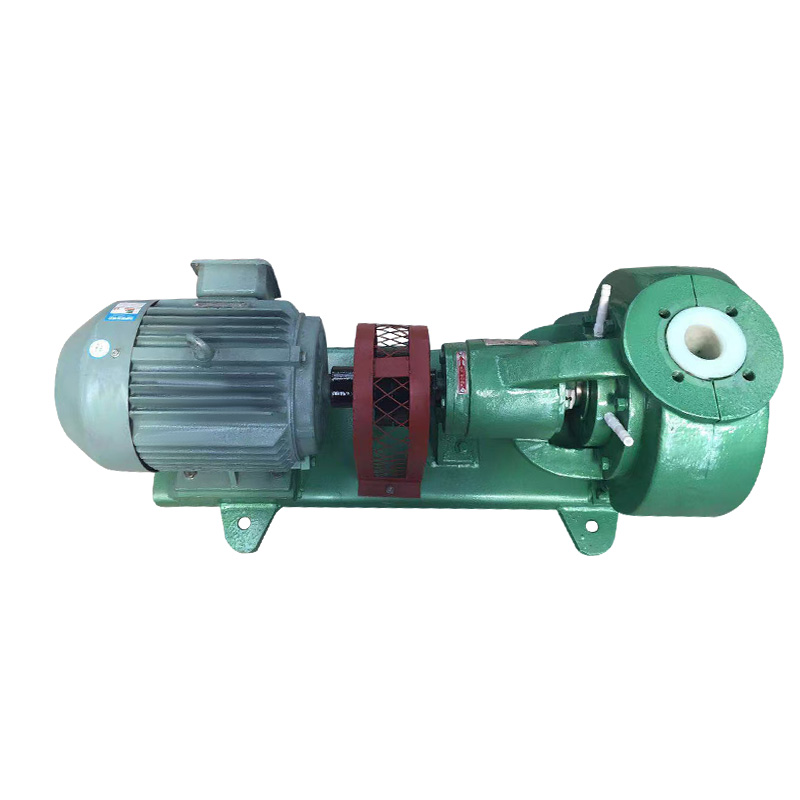
A centrifugal self priming pump is a type of pump that is designed to draw liquid into the pump without the need for external priming, making it an excellent choice for applications where the pump is required to handle air or gases. The working principle behind centrifugal pumps is based on converting rotational energy into kinetic energy through a spinning impeller, which creates a vacuum that draws liquid into the pump. In the case of self-priming pumps, the ability to evacuate air and maintain suction even after the pump has been emptied or is running dry is a key feature.
- Priming Capability: Self priming pumps automatically evacuate air from the pump casing, ensuring continuous flow even when air or gas is present in the pipeline.
- Energy Efficiency: With minimal energy loss due to air removal, these pumps offer increased efficiency compared to non-self-priming pumps in specific applications.
- Ease of Use: They simplify operation by eliminating the need for manual priming, which reduces labor costs and improves operational reliability.
Centrifugal self priming pumps are widely used in various industries, including agriculture, wastewater treatment, chemical processing, and marine applications. Their ability to work with both liquids and gases makes them a versatile and reliable choice.
What Are the Main Applications of Centrifugal Self Priming Pumps?
Centrifugal self priming pumps have a broad range of applications across multiple industries due to their ability to handle various types of liquids and gases, and their robust performance in demanding conditions. These pumps are especially beneficial when working with water, chemicals, or slurry mixtures.
- Agricultural Irrigation: These pumps are essential in agricultural applications, where reliable water supply is critical for irrigation. They are used to transfer water from sources like wells, rivers, or reservoirs to irrigation systems, even when the pump is not initially primed with water.
- Wastewater Treatment: In wastewater treatment plants, centrifugal self priming pumps for wastewater treatment are employed to handle wastewater with varying consistencies, including sludge, which may contain air pockets or solids that could otherwise impede flow in standard pumps.
- Chemical Processing: In industries like chemical manufacturing, these pumps ensure the safe and efficient transfer of chemicals, including corrosive or abrasive fluids, ensuring proper sealing and reducing leakage risks.
One key advantage of centrifugal self priming pumps in these industries is their ability to provide continuous operation without the need for manual priming or refilling, making them highly reliable in environments that require sustained performance.
Why Are Centrifugal Self Priming Pumps Ideal for Harsh Environments?
In harsh environments such as offshore platforms or chemical plants, equipment reliability is paramount. Centrifugal self priming pumps are specially designed to thrive in challenging environments, offering unmatched durability and performance under pressure.
- Corrosion Resistance: Pumps designed for harsh conditions, especially those in marine or chemical processing environments, are often made from corrosion-resistant materials such as stainless steel, ensuring longevity even when exposed to corrosive substances.
- Self Priming in Dry Conditions: Unlike traditional pumps that may fail when air is present, self priming pumps can continue to operate in environments where liquids are not readily available, reducing the risk of downtime in industrial processes.
- Offshore and Marine Use: The centrifugal self priming pump for marine and offshore applications is ideal for transferring fluids in ships and offshore platforms where maintaining a constant flow of liquid is crucial, even in fluctuating sea conditions.
These pumps are equipped to withstand extreme conditions, offering an indispensable solution for industries where performance and reliability in harsh settings are crucial for ongoing operations.
What Should You Consider When Choosing a Centrifugal Self Priming Pump?
Choosing the right centrifugal self priming pump involves considering several factors to ensure the pump meets your operational requirements. Here are the key considerations:
- Flow Rate: Ensure the pump’s flow rate aligns with the needs of your application. Whether you need a low-flow pump for precision or a high-flow pump for large-scale operations, selecting the right flow rate is essential.
- Material Compatibility: Pumps must be compatible with the fluids being transferred. For example, when dealing with corrosive chemicals, choose pumps made of corrosion-resistant materials like stainless steel or specialty alloys.
- Durability: Consider the pump’s ability to withstand wear and tear, especially in applications where continuous operation is required. Choose pumps designed for extended lifespans, reducing the need for frequent replacements.
- Ease of Maintenance: A self priming pump with easy maintenance features can save time and reduce operational costs over time.
How to Maximize the Efficiency of Centrifugal Self Priming Pumps?
To ensure optimal performance and longevity of your centrifugal self priming pump, follow these tips for maximizing efficiency:
- Regular Inspection and Cleaning: Keeping the pump and its components clean ensures smooth operation, preventing the buildup of debris or contaminants that could reduce performance.
- Monitor System Pressure: Maintaining the correct system pressure is vital for efficiency. Excess pressure can cause wear, while low pressure can affect the pump's ability to prime effectively.
- Routine Maintenance: Ensure that all parts are properly lubricated and that seals are intact to avoid any potential leaks or breakdowns.
By performing regular maintenance and monitoring the pump’s performance, you can enhance its efficiency, reduce downtime, and extend its lifespan.
Conclusion: Why Centrifugal Self Priming Pumps Are the Best Choice for Your Industry?
Centrifugal self priming pumps are a critical component for various industries, offering unmatched efficiency, versatility, and reliability. Whether you are operating in agriculture, wastewater treatment, chemical processing, or harsh marine environments, these pumps ensure continuous performance and are designed to withstand demanding conditions.
- Reliability: Their ability to handle air and gases makes them the most reliable choice for a wide range of applications.
- Durability: Built to last in tough environments, they are the go-to option for industries requiring long-term performance.
- Efficiency: Centrifugal self priming pumps reduce operational downtime and increase productivity, making them a smart investment for businesses.
Investing in a high-quality centrifugal self priming pump will ensure your operation remains efficient, cost-effective, and reliable. Choose the right pump for your needs, and you'll experience the long-term benefits of increased productivity and reduced maintenance costs.
FAQ
What industries benefit the most from centrifugal self priming pumps?
Centrifugal self priming pumps are ideal for industries such as agriculture, wastewater treatment, chemical processing, and marine applications. They are especially useful in applications where air, gases, or dry conditions are present, and reliability is crucial for continuous operation.
What are the key advantages of self priming pumps over traditional pumps?
Self priming pumps do not require manual priming, which saves time and labor costs. They are able to handle air or vapor in the fluid, making them suitable for applications where traditional pumps would fail due to the presence of air in the line.
How do centrifugal self priming pumps help with wastewater treatment?
In wastewater treatment, centrifugal self priming pumps are capable of handling sludge, solids, and air pockets in the fluid, making them perfect for transferring wastewater or slurry mixtures. This capability ensures continuous and reliable operation in treatment facilities.
What factors should I consider when selecting a centrifugal self priming pump?
When selecting a centrifugal self priming pump, consider factors such as flow rate, material compatibility, pump durability, ease of maintenance, and the specific environmental conditions in which the pump will operate. Ensuring these elements align with your operational needs will help you choose the most effective pump.