English
 русский
 Español
Content
- 1 Engineering Foundations: The Inherent Advantages of Horizontal Design
- 2 Core Application Domains: Engineered for Diverse Industries
- 3 Technical Advantages: Performance, Reliability, and Economy
- 4 Comparative Analysis and Selection Guidance
- 5 Industry Trends and Evolving Standards
- 6 Procurement and Lifecycle Support Considerations
- 7 Frequently Asked Questions (FAQ)
- 7.1 1. What are the most critical steps during installation to ensure long pump life?
- 7.2 2. How do I determine the correct metallurgy and seal type for a chemical application?
- 7.3 3. Are spare parts readily available, and what is the typical lead time?
- 7.4 4. How does the efficiency of these pumps impact operational energy costs?
- 7.5 5. Can these pumps handle fluids with suspended solids or abrasive slurries?
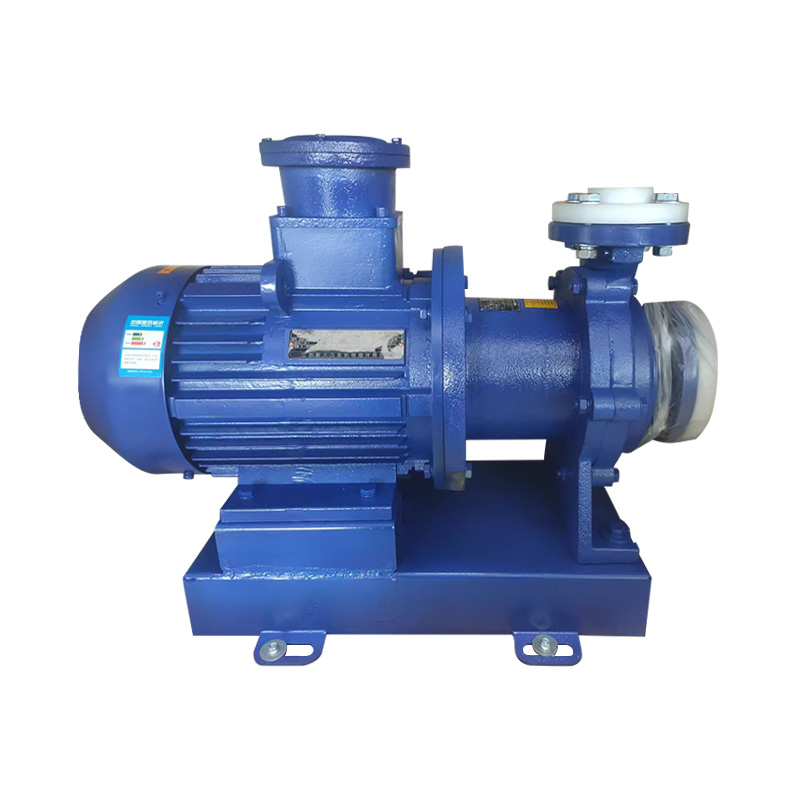
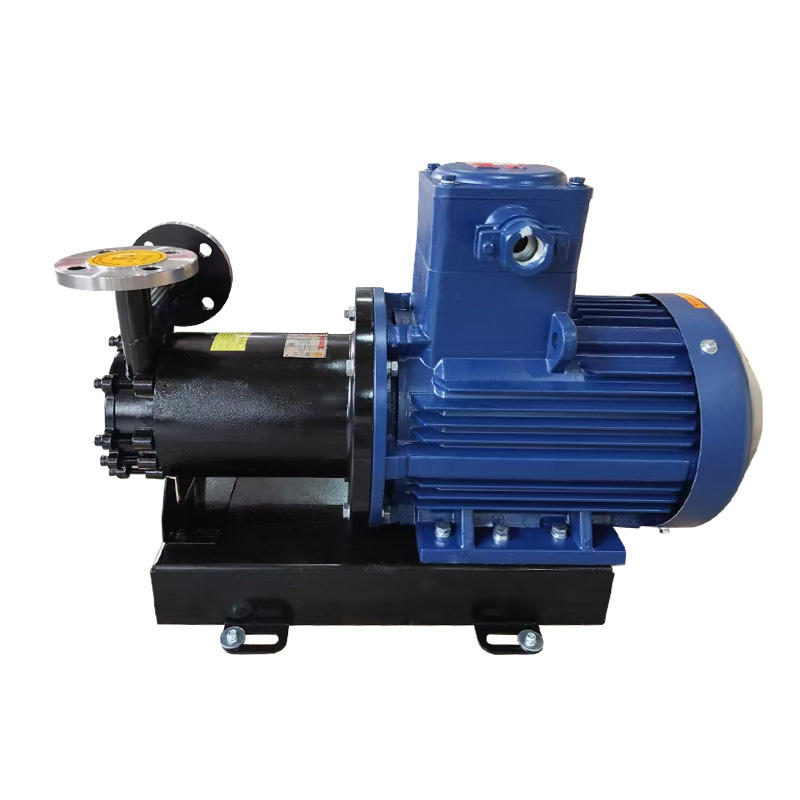
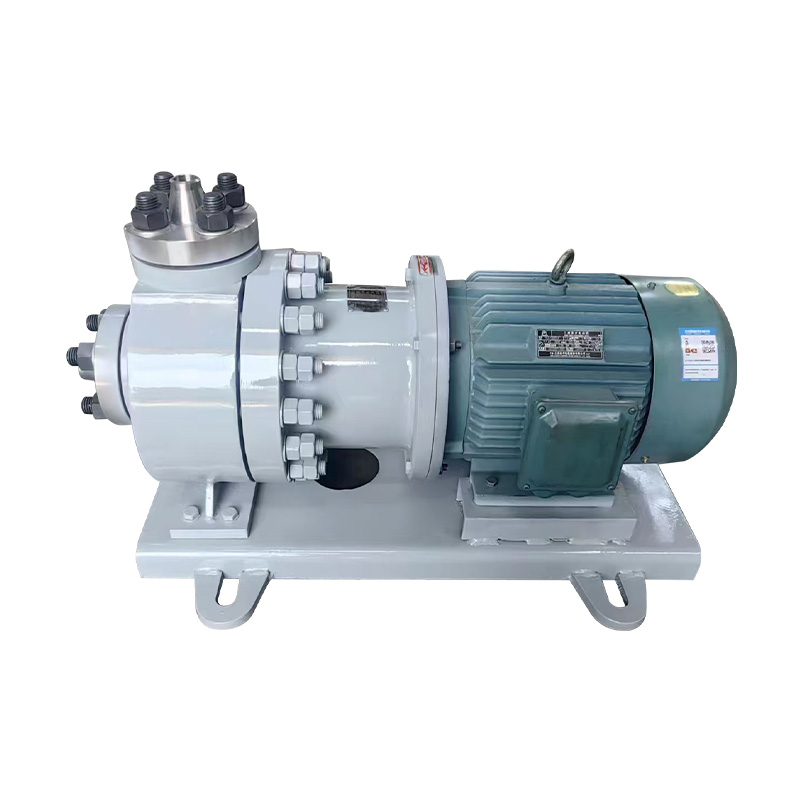
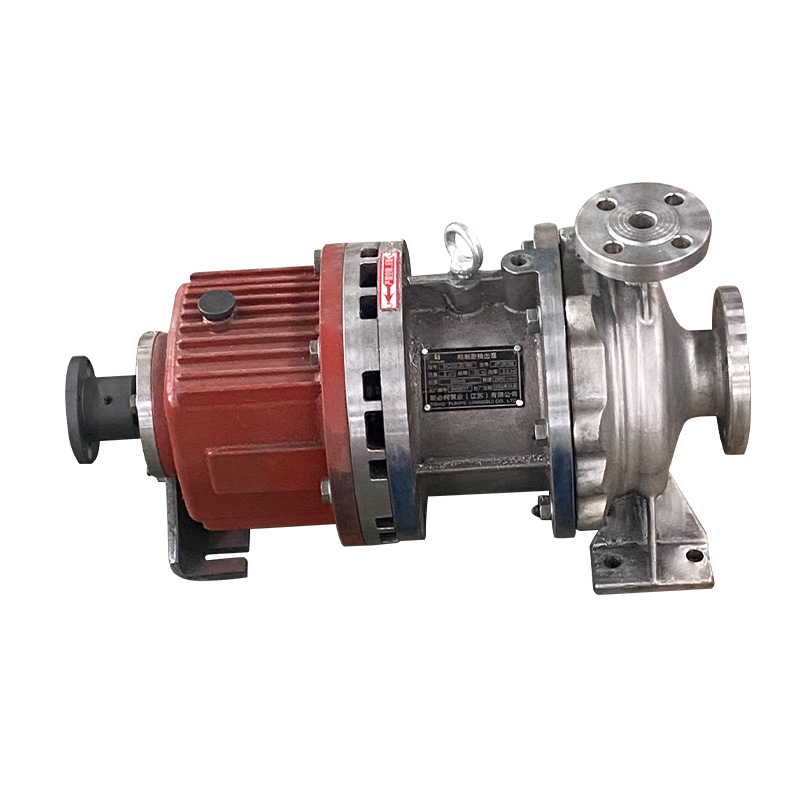
In industrial and municipal fluid handling systems, the choice of pump technology is a critical decision impacting process reliability, efficiency, and total cost of ownership. The Flowmore horizontal pump represents a class of robust, end-suction centrifugal pumps engineered for demanding, continuous-duty applications. This article provides a technical analysis of its core applications and inherent design advantages, offering plant engineers and procurement specialists a detailed framework for evaluation and specification.
Engineering Foundations: The Inherent Advantages of Horizontal Design
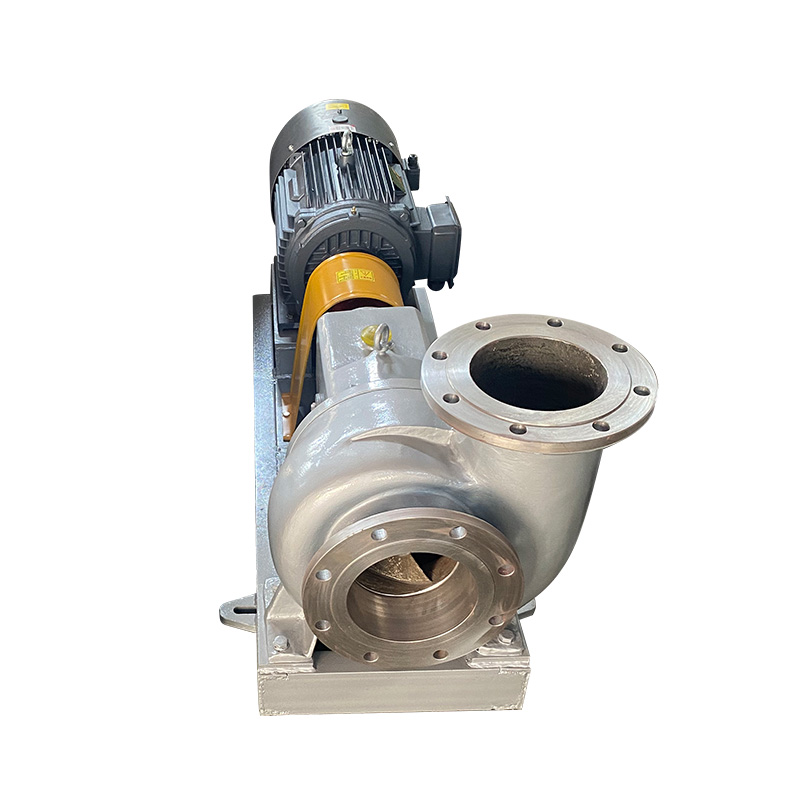
Horizontal centrifugal pumps offer fundamental benefits rooted in their orientation and construction. The low center of gravity and stable baseplate mounting provide exceptional resistance to vibration and operational stresses, particularly in high-power applications. This contrasts with vertical turbine pumps, which can be susceptible to shaft deflection and require specialized structural support. Furthermore, the horizontal configuration offers unparalleled accessibility for maintenance; critical components like the coupling, bearings, and mechanical seals are positioned at ground level, facilitating inspection, servicing, and replacement without complex disassembly. This design philosophy aligns with the detailed procedures found in any comprehensive Flowmore horizontal pump installation manual, ensuring proper setup for long-term reliability.
Core Application Domains: Engineered for Diverse Industries
The versatility of the Flowmore horizontal pump is demonstrated by its widespread adoption across key sectors, each with unique fluid handling challenges.
Water and Wastewater Management
In municipal and industrial water systems, these pumps are workhorses for raw water intake, booster service, filter backwashing, and chemical dosing. Their ability to handle clean to slightly abrasive fluids with high efficiency makes them a standard choice.
Chemical and Process Industries
A critical application is the safe and reliable Flowmore horizontal pump for chemical transfer. For this service, pumps are specified with metallurgies like AISI 316 stainless steel or higher alloys to resist corrosion from acids, alkalis, and solvents. Sealing is paramount, typically employing advanced dual mechanical seal arrangements with flush plans to prevent leakage of hazardous or valuable process fluids. The robust construction ensures containment and safety in challenging environments.
Power Generation, HVAC, and Irrigation
- Power Plants: Used for boiler feedwater, condenser circulation, and flue gas desulfurization slurry transfer, where reliability is non-negotiable.
- Building Services: Provide efficient circulation for heating, ventilation, and air conditioning (HVAC) systems, as well as fire protection water supply.
- Agriculture: Ideal for high-volume, moderate-pressure irrigation and drainage projects, moving large quantities of water efficiently.
Technical Advantages: Performance, Reliability, and Economy
The advantages of this pump style translate directly into operational benefits, which are quantifiable and critical for capital equipment justification.
Wide Performance Range and Specification Clarity
Engineers can precisely match pump performance to system requirements by consulting a detailed Flowmore horizontal pump specifications chart. These charts provide essential data across various models: flow rate (Q in m³/hr), head (H in meters), pump speed (RPM), required net positive suction head (NPSHr), and efficiency curves. This allows for optimized selection to avoid energy waste from over-sizing or process failure from under-sizing.
Engineered for Reliability and Long Service Life
- Robust Mechanical Construction: Features a heavy-duty shaft supported by oversized bearings in a rigid bearing housing, designed for continuous operation with minimal vibration.
- Advanced Sealing Options: Available with packed glands, single, or double mechanical seals to suit the fluid characteristics and leakage control requirements of the application.
- Optimized Hydraulics: Impeller and volute designs minimize turbulence and cavitation potential, reducing wear and maintaining efficiency over time.
Low Total Cost of Ownership (TCO)
The TCO advantage stems from multiple factors. The initial capital expenditure is competitive, and the simplified installation reduces labor costs. Operationally, high hydraulic efficiency translates to lower energy consumption. Most significantly, ease of maintenance and strong Flowmore horizontal pump spare parts availability through established distribution networks drastically reduce mean time to repair (MTTR) and associated downtime costs, a key consideration for plant managers. For projects in specific regions, a transparent Flowmore horizontal pump price list India aids in accurate budgeting and procurement planning.
Comparative Analysis and Selection Guidance
Understanding where a horizontal end-suction pump is the optimal choice requires comparison with other common pump types.
| Pump Type | Key Advantages | Typical Limitations | Ideal for Flowmore Horizontal Pump When... |
| Horizontal End-Suction (Flowmore Type) | Ease of maintenance, stable support, wide range availability, cost-effective. | Requires floor space, may need more NPSH than vertical designs. | Reliable, continuous duty with accessible maintenance is a priority. |
| Vertical Turbine / Submersible | No priming issues, saves floor space, good for deep wells/sumps. | Specialized maintenance, motor removal often required for service. | The source fluid is in a deep sump or well, and space is extremely limited. |
| Positive Displacement (e.g., Diaphragm, Gear) | Constant flow despite pressure, handles high-viscosity fluids well. | Generally lower flow rates, more complex with valves/check valves. | Handling low viscosity fluids (like water) at high flow rates with efficiency. |
Industry Trends and Evolving Standards
The industrial pump sector is increasingly focused on energy efficiency and smart monitoring. According to the latest 2024 market analysis by the European Pump Industry Association (EUROPUMP), regulatory pressures and energy costs are driving accelerated adoption of pumps meeting the highest efficiency classes as defined by the extended ErP (Energy-related Products) regulations. This makes consulting an up-to-date Flowmore horizontal pump specifications chart for verified efficiency data more critical than ever for compliance and operational savings. Concurrently, a 2025 technical white paper from the Hydraulic Institute highlights the integration of IoT sensors for predictive maintenance as a key trend. While traditional designs excel in reliability, the future lies in augmenting them with vibration, temperature, and pressure monitoring to transition from scheduled to condition-based maintenance, further enhancing the lifecycle value proposition of robust pumps.
Source: European Pump Industry Association (EUROPUMP) - Market Reports
Source: Hydraulic Institute - White Papers & Standards
Procurement and Lifecycle Support Considerations
Successful implementation extends beyond the purchase order. Key support elements include:
- Technical Selection Support: Utilizing performance curves and specification charts for system-matched selection.
- Professional Installation: Adhering to the Flowmore horizontal pump installation manual for proper grouting, alignment, and piping to prevent premature failure.
- After-Sales Service Network: Ensuring local technical support and guaranteed Flowmore horizontal pump spare parts availability to minimize operational risk.
Frequently Asked Questions (FAQ)
1. What are the most critical steps during installation to ensure long pump life?
As detailed in the Flowmore horizontal pump installation manual, three steps are paramount: First, ensuring a rigid, level, and grouted baseplate to prevent distortion and misalignment. Second, performing precise laser alignment between the pump and driver shafts after final piping is connected to account for pipe strain. Third, verifying that the suction piping is designed to provide adequate and uniform flow to the impeller eye, preventing cavitation.
2. How do I determine the correct metallurgy and seal type for a chemical application?
Selecting a Flowmore horizontal pump for chemical transfer requires a clear process fluid analysis. You must provide the fluid's full chemical composition, concentration, temperature, and the presence of any solids to the supplier. This allows the specification of compatible wetted materials (cast iron, stainless steel 304/316, alloy 20, etc.) and the appropriate seal arrangement—often a double mechanical seal with a compatible barrier fluid for hazardous or aggressive chemicals.
3. Are spare parts readily available, and what is the typical lead time?
A key advantage of established brands is structured Flowmore horizontal pump spare parts availability</strong. Common wear parts like mechanical seals, bearing kits, and impellers are typically held in regional distributor stock for fast turnaround. For major components like casings or shafts, lead times vary. It is essential to confirm parts availability and stocking policies with your local authorized distributor during the procurement phase to factor into your maintenance planning.
4. How does the efficiency of these pumps impact operational energy costs?
Significantly. Pump systems can account for over 20% of industrial electrical energy use. A high-efficiency pump, selected at its Best Efficiency Point (BEP) from the Flowmore horizontal pump specifications chart, can reduce energy consumption by 5-10% or more compared to a standard-efficiency unit. Over a 20-year lifecycle, the energy savings often far exceed the initial pump purchase price, making efficiency a primary selection criterion.
5. Can these pumps handle fluids with suspended solids or abrasive slurries?
Standard end-suction centrifugal pumps, including many Flowmore horizontal pump models, are designed for clean liquids. For slurries or fluids with significant abrasive solids, specialized slurry pump designs are required. These feature heavier-duty construction, larger clearances, wear-resistant alloys, and often replaceable liners. It is crucial to specify the exact nature and concentration of solids to determine if a standard pump with modified materials or a dedicated slurry pump is necessary.