English
 русский
 Español
Content
Understanding the Core Advantages of Magnetic Drive Technology
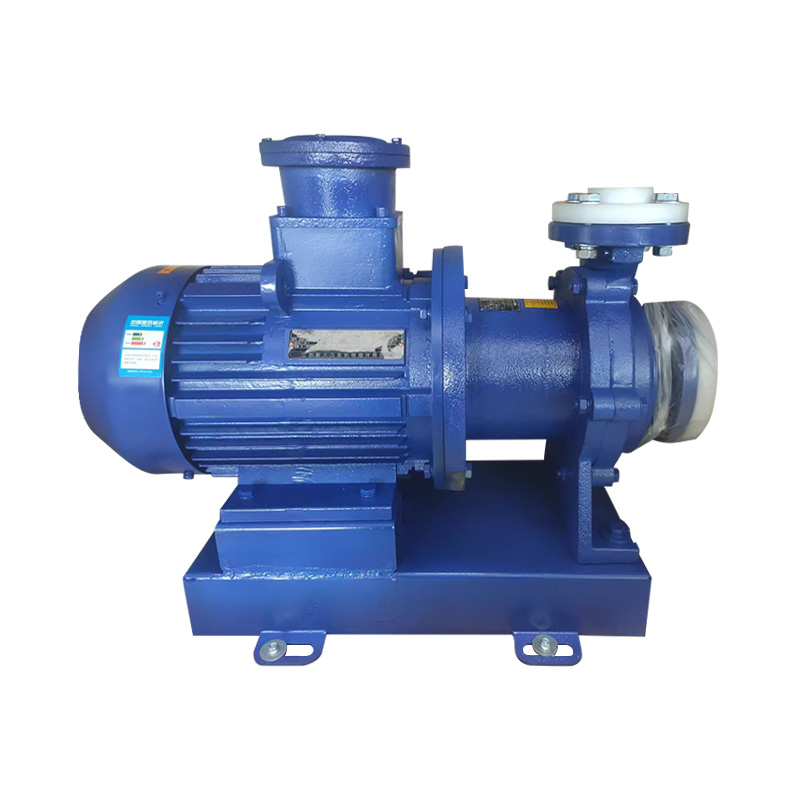
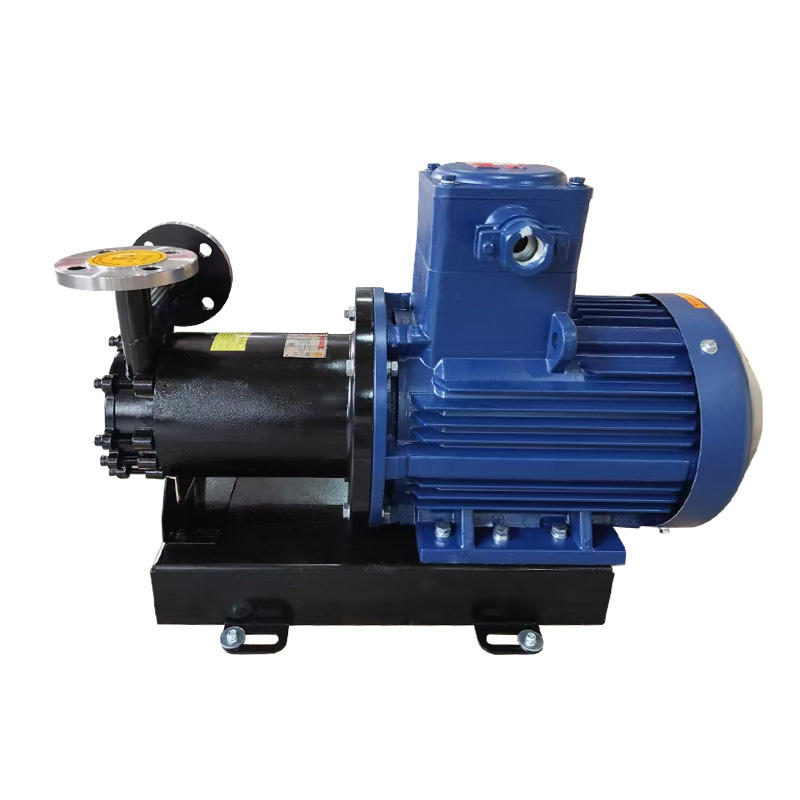
In the industrial fluid transfer sector, safety and reliability are paramount. A Chemical Magnetic Drive Pump utilizes a magnetic coupling to transmit torque from the motor to the impeller without a direct mechanical connection. This sealless design eliminates the primary failure point of traditional pumps—the shaft seal—thereby guaranteeing zero leakage. For B2B purchasers, this technology significantly reduces maintenance costs and mitigates environmental risks associated with hazardous fluid handling.
Why choose a centrifugal magnetic drive pump for chemicals?
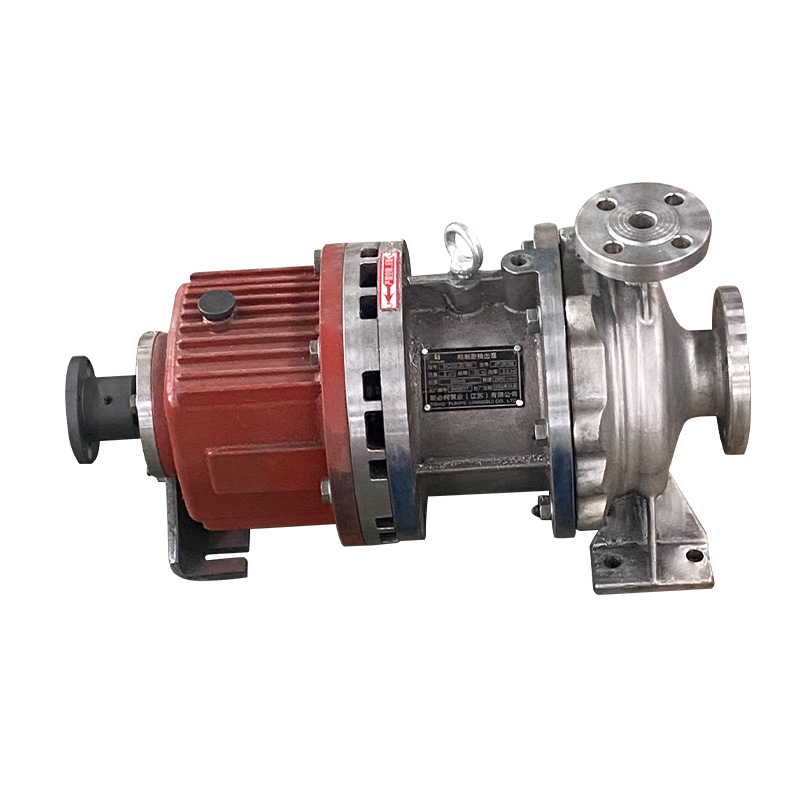
A centrifugal magnetic drive pump for chemicals is specifically engineered to handle aggressive fluids such as acids, alkalis, and organic solvents. The operating principle involves an outer magnet assembly driven by the motor and an inner magnet assembly connected to the impeller, separated by a containment shell (isolation shell). This static sealing method is superior to dynamic mechanical seals. When comparing these two technologies, the differences in lifecycle cost and safety compliance are substantial.
| Feature | Centrifugal Magnetic Drive Pump | Traditional Mechanical Seal Pump |
| Sealing Mechanism | Static (Containment Shell) | Dynamic (Rotating Faces) |
| Leakage Risk | Zero Leakage (Hermetic) | High risk of wear and leakage over time |
| Maintenance | Low (No seal replacement) | High (Regular seal adjustment/replacement) |
| Suitability for Hazardous Media | Ideal for toxic, corrosive, and flammable liquids | Risk of vapor emission; requires double seals |
Handling corrosive media with an acid resistant magnetic drive pump
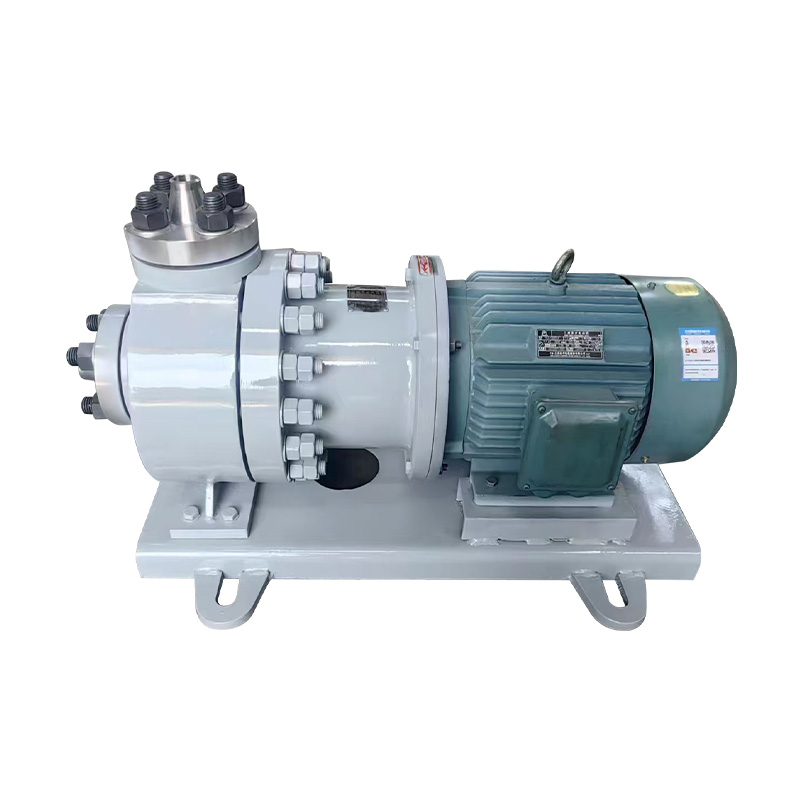
Corrosion resistance is a critical specification for engineers. An acid resistant magnetic drive pump must be constructed from materials that can withstand specific chemical properties. The selection of wetted materials—such as Polypropylene (PP), Polyvinylidene Fluoride (PVDF), or high-grade stainless steel alloys—is determined by the concentration and temperature of the acid. For instance, hydrofluoric acid requires specific alloy materials, while sulfuric acid may necessitate high-silicon cast iron or PVDF linings. Proper material selection prevents premature failure and ensures process continuity.
Selecting the Right Pump for Complex Conditions
Industrial environments vary widely, requiring pumps that can adapt to specific operational challenges such as volatility and suction lift requirements.
Ensuring safety with an explosion proof magnetic drive pump
When transferring volatile organic compounds or flammable liquids, the risk of explosion is a critical concern. An explosion proof magnetic drive pump is designed with specialized motor enclosures and spark-resistant materials to operate safely in hazardous locations (Class I, Division 1 or 2). The absence of a mechanical seal removes a potential ignition source, making magnetic drive pumps inherently safer for these applications. Certification standards such as ATEX or IECEx should be verified during the procurement process to ensure compliance with international safety regulations.
Efficiency in difficult installations: Self priming chemical magnetic pump
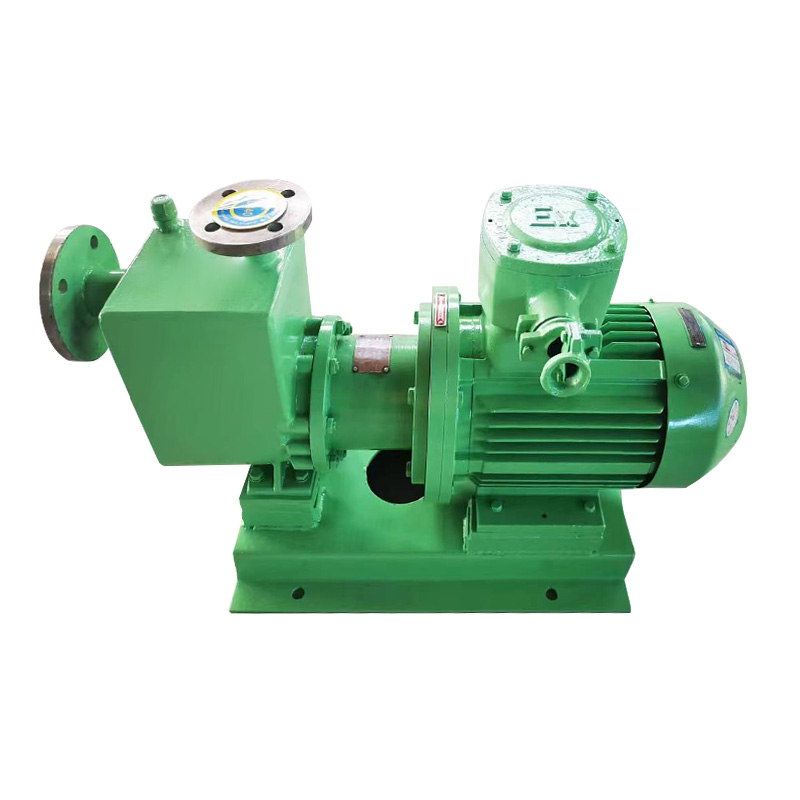
In process lines where the pump is positioned above the liquid source, priming becomes a challenge. A self priming chemical magnetic pump integrates a priming chamber that retains liquid, allowing the pump to evacuate air and establish flow without external priming devices. This design simplifies installation and reduces the complexity of the piping system, making it an efficient solution for tanker unloading or sump applications.
Sourcing from Professional Manufacturers
The reliability of fluid handling equipment is directly linked to the technical capability of the manufacturer. Partnering with established magnetic drive chemical pump suppliers ensures access to engineering expertise, quality control, and diverse material options.
About Jiangsu Huanyu Chemical New Materials Co., Ltd.
Choosing the right manufacturing partner is essential for long-term success. Jiangsu Huanyu Chemical New Materials Co., Ltd. founded in 1987, has more than 100 employees. We are China Custom Industrial Pipeline Transportation Pumps Manufacturers and OEM/ODM Industrial Pipeline Transportation Pumps Factory. Our facility integrates machinery manufacturing, hot and cold processing, and investment casting, allowing for continuous product development and strict quality control.
Our product portfolio includes over ten series and more than 300 specifications of chemical pumps. The main production of "Huanning" brand single stage single suction chemical centrifugal pump, various series of liquid pump, forced circulation pump, fluorine plastic centrifugal pump, magnetic pump, self-priming pump and pipeline pump. We utilize advanced materials including 304, 316L, 904, 2205, 2507, CD4, Hastelloy, titanium, and 2520 to meet diverse working conditions.
Our products serve critical sectors such as chemical, petroleum, metallurgy, chemical fiber, and electric power. Some custom Industrial Pipeline Transportation Pumps are exported to Laos, Thailand, Tanzania, Malaysia, Russia and other places. Located conveniently near the Jiangyin Yangtze River Bridge, we warmly welcome new and old customers to visit and guide our operations.
Conclusion
Selecting the appropriate Chemical Magnetic Drive Pump requires a deep understanding of fluid dynamics, material science, and safety standards. Whether the application requires a sealless centrifugal design or an explosion-proof configuration, sourcing from an experienced manufacturer like Jiangsu Huanyu ensures technical reliability and operational safety.
Frequently Asked Questions (FAQ)
- What are the main advantages of a Chemical Magnetic Drive Pump?
The primary advantage is the sealless design, which eliminates leakage risks associated with mechanical seals. This makes it ideal for handling toxic, corrosive, or flammable liquids safely. - Can a centrifugal magnetic drive pump for chemicals run dry?
Standard magnetic drive pumps should not run dry, as the liquid acts as a lubricant for the internal bearings. However, special designs with self-lubricating bearings (such as silicon carbide) can tolerate brief periods of dry running. - How does an acid resistant magnetic drive pump differ from a standard pump?
It differs in material composition. Wetted parts are constructed from corrosion-resistant polymers (like PVDF or PP) or specialized alloys (like Hastelloy or Titanium) to withstand aggressive acid media without degrading. - When should I specify an explosion proof magnetic drive pump?
This specification is necessary when the fluid being transferred is flammable or explosive, or when the operating environment contains explosive gases or dust. The motor and pump construction prevent ignition sources. - What maintenance is required for a self priming chemical magnetic pump?
While it requires less maintenance than a sealed pump, it is important to periodically check the priming chamber for blockages and inspect the internal bearings for wear, especially if pumping fluids with suspended solids.
References
- Karassik, I. J., & McGuire, T. (2018). Centrifugal Pumps: Design and Application. Gulf Professional Publishing.
- Hydraulic Institute. (2020). "Guidelines for Sealless Centrifugal Pumps." Hydraulic Institute Standards.
- Nelik, L. (2019). "Magnetic Drive Pumps: Principles and Applications." Pumps & Systems Magazine, Vol. 27, Issue 4.