English
 русский
 Español
Content
- 1 Industry Standards and Compliance Frameworks
- 2 Centrifugal Pump Design Configurations
- 3 Sealing Technologies and Emission Control
- 4 Specialized Applications and Extreme Conditions
- 5 Maintenance Strategies and Component Management
- 6 Procurement and Vendor Evaluation
- 7 Company Profile: Jiangsu Huanyu Chemical New Materials Co., Ltd.
- 8 Frequently Asked Questions (FAQ)
- 8.1 What distinguishes API 610 from ANSI pump standards in petrochemical applications?
- 8.2 When should magnetic drive pumps be specified over conventional sealed pumps?
- 8.3 How do I select materials for high-chloride petrochemical environments?
- 8.4 What maintenance intervals should be expected for properly specified petrochemical pumps?
- 8.5 How do I verify pump efficiency guarantees during procurement?
- 9 References
Selecting the optimal Petrochemical Process Pump requires deep understanding of fluid dynamics, material science, and industry compliance standards. For engineering procurement teams and plant operators, technical specifications determine operational reliability, maintenance intervals, and total lifecycle costs in demanding chemical processing environments. This comprehensive guide examines critical selection criteria, compliance frameworks, and advanced pump technologies tailored for industrial applications.
Industry Standards and Compliance Frameworks
API 610 vs. ANSI/ASME Standards
The petroleum and chemical industries operate under stringent equipment standards that ensure safety and interchangeability. Understanding the distinction between these frameworks is essential for specification development.
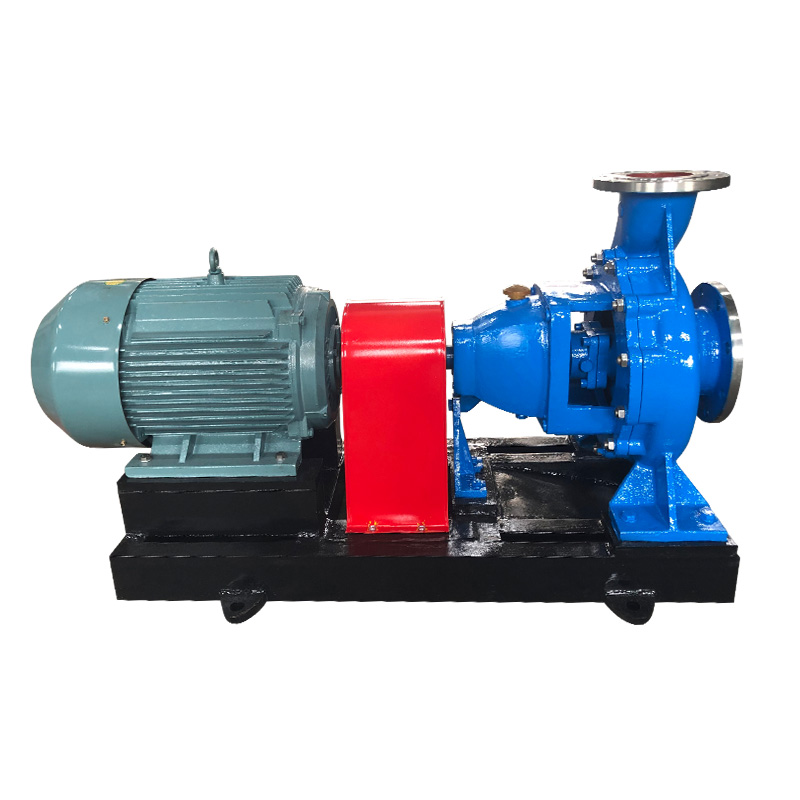
API 610 process pump specifications govern heavy-duty centrifugal pumps in petroleum, petrochemical, and natural gas applications. This standard emphasizes robust construction with specific requirements for:
- Overhung (OH), between-bearings (BB), and vertically suspended (VS) pump types
- Minimum bearing life of 25,000 hours (3 years) at rated conditions
- Cast steel or alloy casings rated for minimum 50 psi above maximum allowable working pressure
- Shaft seal chamber dimensions accommodating API 682 mechanical seals
ANSI/ASME B73.1 specifications address horizontal end-suction pumps for chemical applications, focusing on:
- Dimensional interchangeability across manufacturers
- Back pull-out designs enabling rotor removal without disturbing piping
- External seal adjustment capabilities
- Pressure ratings typically limited to 24 bar (350 psi) and 300°C (572°F)
| Parameter | API 610 11th Edition | ANSI/ASME B73.1-2012 |
| Primary Application | Refinery, heavy petrochemical | General chemical processing |
| Pressure Rating | Up to 200 bar (2,900 psi) | Up to 24 bar (350 psi) |
| Temperature Range | -160°C to 450°C | -73°C to 370°C |
| Material Specification | Cast steel minimum, alloys common | Ductile iron, 316SS standard |
| Shaft Design | Stiff shaft, L3/D4 ratio < 60 | Standard shaft tolerances |
| Seal Chamber | API 682 compliant dimensions | Standard seal chambers |
| Baseplate Requirements | API 610 Appendix B (grouted) | ANSI standard fabricated |
For facilities processing hydrocarbons above 150°C or pressures exceeding 20 bar, API 610 process pump specifications provide necessary safety margins and material integrity.
Material Selection for Corrosive Media
Petrochemical environments demand precise material matching to prevent catastrophic failure. Common alloy specifications include:
- 316L stainless steel: Standard for mild acids and chloride environments below 50 ppm
- CD4MCu (ASTM A890 Grade 1B): Duplex stainless steel offering superior pitting resistance equivalent (PREN > 33) for seawater and chloride services
- Hastelloy C-276: Nickel-molybdenum alloy for oxidizing and reducing environments including wet chlorine and sulfuric acid
- Titanium Grade 2: Exceptional corrosion resistance in chloride environments, limited to 315°C maximum
- 2205/2507 duplex stainless steels: Cost-effective alternatives to super-austenitic alloys with PREN 35-40
Material selection must account for galvanic compatibility when dissimilar metals contact process fluids simultaneously.
Centrifugal Pump Design Configurations
Overhung vs. Between-Bearings Arrangements
The centrifugal pump for chemical plant selection fundamentally depends on hydraulic requirements and maintenance accessibility.
Overhung (OH) pumps position the impeller on the shaft end cantilevered beyond bearings:
- Single-stage configurations for heads up to 300 meters
- Compact footprint reducing foundation requirements
- Back pull-out designs enabling rotor removal without disturbing motor or piping
- Limitations: Shaft deflection constraints at high specific speeds
Between-bearings (BB) pumps support the impeller between two bearing housings:
- Single-stage (BB1) or multistage (BB3, BB4, BB5) configurations
- Axially split casings enabling inspection without disturbing main piping
- Higher radial and thrust load capacity
- Required for flows exceeding 1,000 m³/h or heads above 400 meters
| Configuration | Max Flow (m³/h) | Max Head (m) | Max Speed (rpm) | Typical Efficiency |
| OH2 (single stage) | 1,500 | 350 | 3,600 | 65-78% |
| OH3 (inline) | 300 | 150 | 3,600 | 60-72% |
| BB1 (axial split, single) | 15,000 | 300 | 1,800 | 75-85% |
| BB3 (axial split, multistage) | 8,000 | 2,000 | 4,000 | 70-82% |
| BB5 (radial split, multistage) | 2,500 | 3,500 | 6,000 | 65-75% |
Hydraulic Performance Optimization
Best efficiency point (BEP) selection determines long-term reliability. Operating beyond 80-110% of BEP flow creates:
- Radial thrust loads increasing bearing wear
- Recirculation causing impeller cavitation
- Shaft deflection exceeding seal face runout tolerances
Specific speed (Ns) calculations guide impeller geometry selection:
Ns = N × √Q / H^0.75
Where N = rotational speed (rpm), Q = flow rate (m³/h), H = head per stage (m)
- Ns 500-1,500: Radial impellers for high-head, low-flow applications
- Ns 1,500-5,000: Mixed flow impellers for moderate head applications
- Ns 5,000-10,000: Axial flow impellers for high-flow, low-head services
Sealing Technologies and Emission Control
Mechanical Seal Configurations
Environmental regulations and safety requirements drive advanced sealing solutions in Petrochemical Process Pump applications.
Single mechanical seals suit non-hazardous, non-toxic services with Plan 11 (recirculation from pump discharge to seal chamber) or Plan 13 (recirculation to pump suction) piping arrangements.
Dual unpressurized seals (Arrangement 2) provide backup containment for hazardous fluids using Plan 52 (external reservoir with circulation) or Plan 53A (pressurized barrier fluid).
Dual pressurized seals (Arrangement 3) offer zero-emission capability for volatile organic compounds (VOCs) and toxic chemicals, utilizing Plan 53B (circulating barrier fluid system) or Plan 53C (piston accumulator pressurization).
| Seal Arrangement | Leakage Control | Barrier Fluid Required | Typical Application |
| Single (Plan 11) | Controlled leakage to atmosphere | No | Water, non-volatile hydrocarbons |
| Dual unpressurized (Plan 52) | Secondary containment | Yes, unpressurized | Light hydrocarbons, toxic chemicals |
| Dual pressurized (Plan 53B) | Zero process leakage | Yes, pressurized above process | Hydrogen sulfide, benzene, lethal services |
| Gas barrier (Plan 72/76) | Zero process leakage | Nitrogen gas barrier | Polymerizing fluids, solids-laden |
Magnetic Drive Technology
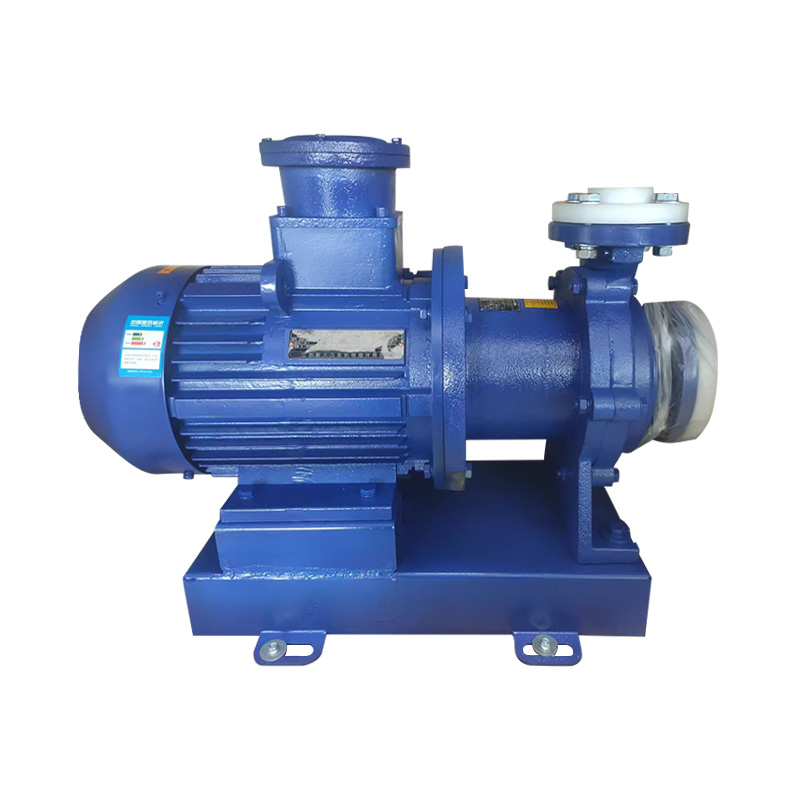
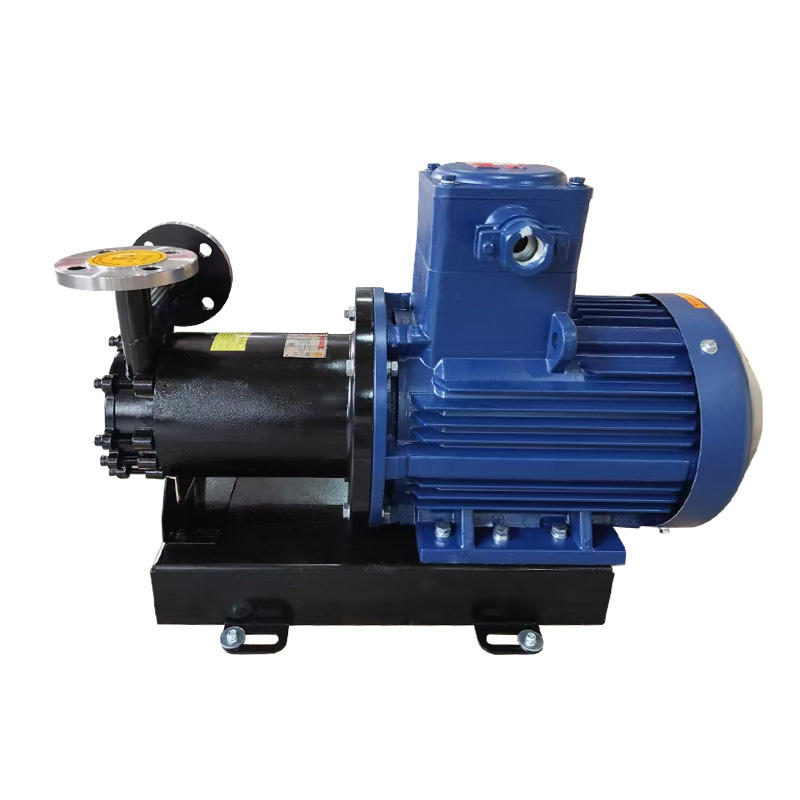
Magnetic drive petrochemical pump configurations eliminate mechanical seals entirely through synchronous magnetic coupling:
- Containment shell: Hastelloy C or titanium construction separating process fluid from atmosphere
- Magnetic materials: Samarium-cobalt (SmCo) for temperatures to 350°C, neodymium-iron-boron (NdFeB) limited to 150°C
- Eddy current losses: Metallic containment shells generate heat requiring circulation; non-metallic (ceramic) shells eliminate losses but limit pressure ratings
- Run dry protection: Required to prevent catastrophic failure during cavitation or dry operation
Power transmission efficiency ranges 85-95%, with losses manifesting as containment shell heating requiring 15-30°C temperature rise calculations.
Specialized Applications and Extreme Conditions
High Temperature Process Design
High temperature process pump manufacturer capabilities address thermal expansion challenges exceeding 400°C:
- Centerline support: Maintains alignment during thermal growth, mandatory above 175°C per API 610
- Flexible pipe connections: Accommodate nozzle loads without transmitting excessive forces to pump casing
- Cooling jackets: Maintain bearing housing temperatures below 80°C when handling fluids above 300°C
- Hot alignment procedures: Verify coupling alignment at operating temperature after initial cold alignment
Thermal gradient management prevents distortion of critical seal chamber and bearing housing geometries.
Cryogenic and Multiphase Handling
Liquefied natural gas (LNG) and cryogenic chemical services require:
- Extended bonnet designs: Isolate cold process fluid from ambient temperature bearings and seals
- Material embrittlement verification: Charpy impact testing at minimum design temperatures
- Gas handling impellers: Specialized inducer designs or open impellers managing 15-30% gas volume fractions
Maintenance Strategies and Component Management
Predictive Maintenance Implementation
Condition monitoring technologies extend mean time between repairs (MTBR) for critical Petrochemical Process Pump assets:
- Vibration analysis: ISO 10816 velocity limits (4.5 mm/s for large pumps, 7.1 mm/s for smaller units) detect bearing degradation and impeller imbalance
- Seal chamber pressure/temperature monitoring: Early detection of seal face wear or flush line blockage
- Current signature analysis: Identifies pump operating point deviation from BEP through motor load variations
- Infrared thermography: Locates bearing overheating and lubrication failures
Spare Parts Inventory and Interchangeability
ANSI chemical pump repair parts benefit from dimensional standardization enabling multi-source procurement:
- Critical spares: Shaft, bearings, mechanical seal, casing wear rings, impeller (12-18 month lead times for special alloys)
- Recommended spares: Gaskets, O-rings, seal faces, coupling elements
- Capital spares: Complete rotor assembly, casing for high-value services
API 610 pumps require manufacturer-specific components due to custom engineering, necessitating long-term supplier relationships and comprehensive spare parts agreements.
| Component Category | ANSI Pump Availability | API 610 Pump Availability | Typical Lead Time |
| Mechanical seal | Multi-source, standardized chambers | API 682 cartridge seals | 2-8 weeks |
| Bearings | Standard SKF/FAG/NSK | Customized for thrust loads | 1-4 weeks |
| Impeller | Interchangeable within frame size | Cast-to-order, pattern required | 12-26 weeks |
| Casing | Interchangeable dimensions | Unique casting, material-specific | 16-32 weeks |
| Shaft | Standard materials | Alloy-specific, heat-treated | 8-16 weeks |
Procurement and Vendor Evaluation
Technical Bid Evaluation Criteria
Comprehensive supplier assessment for centrifugal pump for chemical plant procurement includes:
- Hydraulic verification: Witnessed performance testing per ISO 9906 Grade 1 or 2, including NPSH verification and vibration measurement
- Material certification: Mill test reports (MTRs) with chemical composition and mechanical properties, positive material identification (PMI) for critical alloys
- Quality management: ISO 9001 certification, welding qualifications to ASME Section IX, NDE procedures (radiography, ultrasonic, dye penetrant)
- Documentation: API 610 data sheets, performance curves, sectional drawings, maintenance manuals, spare parts lists
Life Cycle Cost Analysis
Total cost of ownership calculations prioritize energy consumption and maintenance over initial capital expenditure:
LCC = C_initial + C_energy + C_maintenance + C_production_loss - C_residual
Energy costs typically represent 75-85% of total life cycle costs for continuously operating pumps. Efficiency guarantees with liquidated damages provisions (typically 0.5-1.0% efficiency shortfall penalties) protect procurement interests.
Company Profile: Jiangsu Huanyu Chemical New Materials Co., Ltd.
Founded in 1987, Jiangsu Huanyu Chemical New Materials Co., Ltd. operates as a specialized manufacturer in the industrial pump sector, employing over 100 technical and production staff. The company integrates machinery manufacturing, thermal processing, cold working, and investment casting capabilities within a unified production framework.
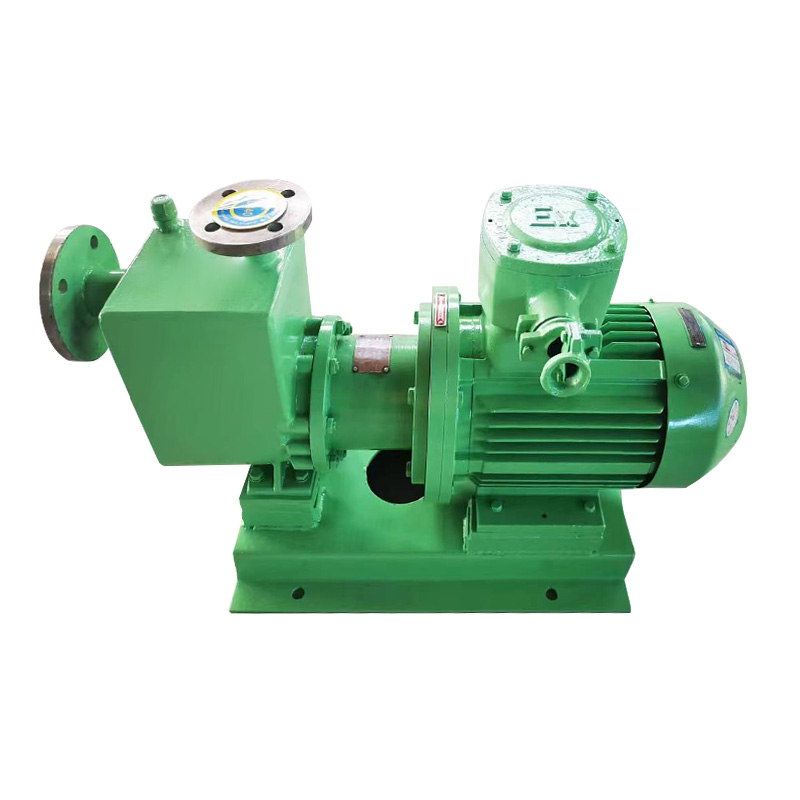
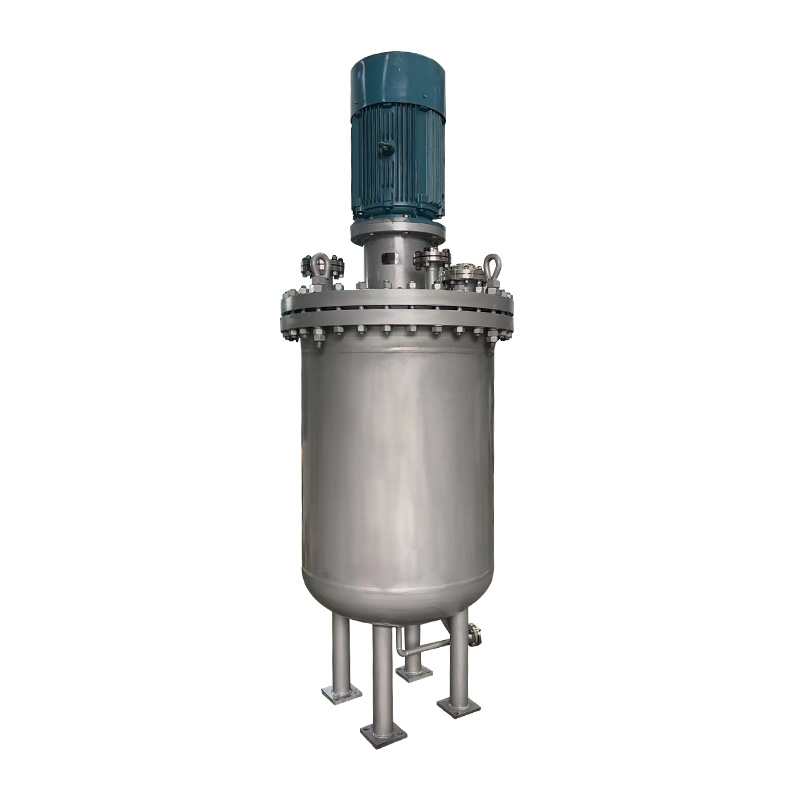
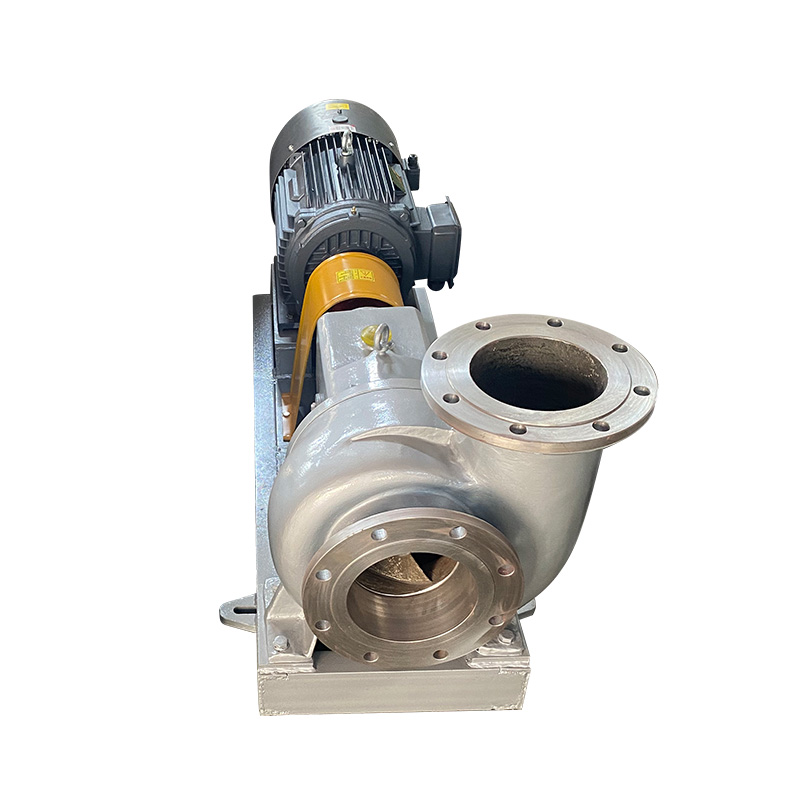
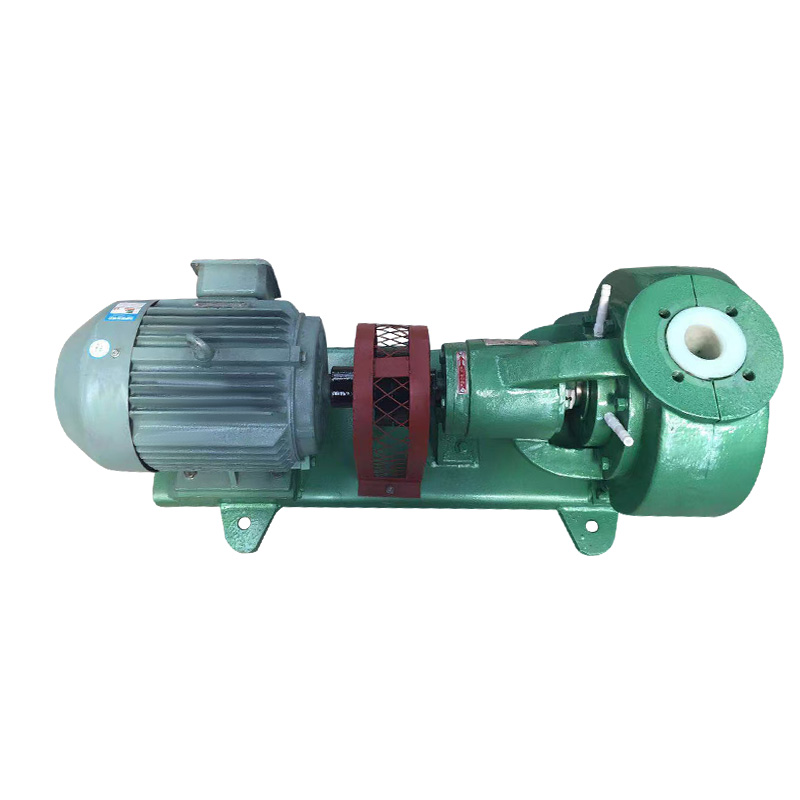
The product portfolio encompasses more than ten series of chemical pumps with over 300 specifications, manufactured from diverse alloy materials including 304, 316L, 904, 2205, 2507, CD4, Hastelloy, titanium, and 2520 stainless steels. Primary product lines include single-stage single-suction chemical centrifugal pumps, liquid pumps, forced circulation pumps, fluorine plastic centrifugal pumps, magnetic drive petrochemical pump units, self-priming pumps, and pipeline pumps.
These product configurations address varied process conditions and media characteristics across chemical processing, petroleum refining, metallurgical operations, chemical fiber production, and electric power generation sectors. Export markets include Laos, Thailand, Tanzania, Malaysia, and Russia, supporting international industrial infrastructure development.
Located on the Yangtze River with proximity to the Jiangyin Yangtze River Bridge, the facility maintains strategic logistics advantages for domestic and international distribution.
Frequently Asked Questions (FAQ)
What distinguishes API 610 from ANSI pump standards in petrochemical applications?
API 610 process pump specifications mandate heavier construction, higher pressure ratings (up to 200 bar versus 24 bar), and specific material requirements for refinery services. API 610 requires cast steel minimum construction, stiff shaft design with L3/D4 ratios below 60, and seal chambers dimensioned for API 682 mechanical seals. ANSI pumps emphasize dimensional interchangeability and back pull-out designs for general chemical service at lower pressures. For hydrocarbons above 150°C or toxic services, API 610 compliance is typically mandatory.
When should magnetic drive pumps be specified over conventional sealed pumps?
Magnetic drive petrochemical pump selection is indicated for zero-emission requirements, toxic or carcinogenic fluids (benzene, hydrogen sulfide), expensive process fluids where leakage represents economic loss, or vacuum services where air ingress contaminates product. Limitations include 85-95% efficiency (versus 95-98% for conventional pumps), temperature constraints based on magnetic material selection (150°C for NdFeB, 350°C for SmCo), and catastrophic failure mode if run dry. Initial capital costs run 30-50% higher than sealed alternatives, justified by eliminated seal maintenance and environmental compliance.
How do I select materials for high-chloride petrochemical environments?
Material selection requires calculating Pitting Resistance Equivalent Number (PREN = %Cr + 3.3×%Mo + 16×%N). For chloride concentrations below 1,000 ppm at temperatures under 60°C, 316L (PREN ~24) suffices. Moderate chlorides (1,000-10,000 ppm) demand 2205 duplex (PREN 35) or 904L super-austenitic (PREN 34). Severe environments exceeding 10,000 ppm chloride or temperatures above 100°C require 2507 duplex (PREN 40), Hastelloy C-276 (PREN 65), or titanium. High temperature process pump manufacturer documentation must verify galling resistance for duplex stainless steel components in rotating assemblies.
What maintenance intervals should be expected for properly specified petrochemical pumps?
Mean time between repairs (MTBR) targets of 48-60 months are achievable with proper specification and operation. Critical factors include operating within 80-110% of best efficiency point, maintaining NPSH margins above 1.5 meters (or NPSHA > 1.3×NPSHR), monitoring vibration velocities per ISO 10816, and implementing API 682-compliant seal support systems. ANSI chemical pump repair parts availability and standardization reduce repair times to 8-24 hours versus 48-72 hours for custom API 610 units. Predictive maintenance using vibration analysis and thermography prevents catastrophic failures.
How do I verify pump efficiency guarantees during procurement?
Require witnessed performance testing per ISO 9906 Grade 1 (higher precision) or Grade 2 (standard acceptance) at the manufacturer's facility. Testing must cover the full operating range from shut-off to run-out, verifying head, flow, power, NPSH requirements, and vibration levels. Acceptable tolerances per API 610 include: head ±3% at BEP, efficiency 0% negative tolerance (no reduction from guarantee), and NPSHR +0% (no increase from guarantee). Include liquidated damages clauses specifying 0.5-1.0% of pump price per 1% efficiency shortfall. For centrifugal pump for chemical plant applications, request wire-to-water efficiency including motor and transmission losses for accurate operating cost projections.
References
- American Petroleum Institute. (2010). API Standard 610: Centrifugal Pumps for Petroleum, Petrochemical and Natural Gas Industries (11th ed.). Washington, DC: API Publishing Services.
- American Society of Mechanical Engineers. (2012). ASME B73.1-2012: Specification for Horizontal End Suction Centrifugal Pumps for Chemical Process. New York: ASME.
- American Society of Mechanical Engineers. (2019). ASME Section IX: Welding, Brazing, and Fusing Qualifications. New York: ASME.
- European Committee for Standardization. (2012). EN ISO 9906:2012: Rotodynamic pumps — Hydraulic performance acceptance tests — Grades 1, 2 and 3. Brussels: CEN.
- Hydraulic Institute. (2014). ANSI/HI 9.6.3-2012: Rotodynamic (Centrifugal and Vertical) Pumps — Guideline for Allowable Operating Region. Parsippany, NJ: Hydraulic Institute.
- International Organization for Standardization. (2016). ISO 10816-7:2009: Mechanical vibration — Evaluation of machine vibration by measurements on non-rotating parts — Part 7: Rotodynamic pumps for industrial applications. Geneva: ISO.
- Karassik, I. J., Messina, J. P., Cooper, P., & Heald, C. C. (2008). Pump Handbook (4th ed.). New York: McGraw-Hill.
- Lobanoff, V. S., & Ross, R. R. (1992). Centrifugal Pumps: Design and Application (2nd ed.). Boston: Butterworth-Heinemann.
- Stepanoff, A. J. (1957). Centrifugal and Axial Flow Pumps: Theory, Design, and Application (2nd ed.). New York: John Wiley & Sons.