English
 русский
 Español
Content
- 1 Market Context: Why Submersible Pump Investment Is Rising
- 2 Technical Spotlight: What Makes a Submersible Pump "High Performance"
- 3 Application Focus: Key Industries Driving Submersible Pump Demand
- 4 Huanyu Chemical: Bringing Advanced Pump Technology to Global Markets
- 5 Buyer Checklist: Key Specifications for Industrial Submersible Pump Procurement
- 6 Outlook: Submersible Pump Technology in the Next Three Years
- 7 References
Global demand for high-performance submersible pumps has accelerated sharply in 2025, as industrial operators across the chemical processing, mining, municipal wastewater, and energy sectors confront mounting pressure to replace aging infrastructure with more efficient, corrosion-resistant, and energy-optimized fluid handling equipment. Industry analysts tracking the global pump market — valued at approximately USD 68 billion in 2024 — report that the submersible pump segment is among the fastest-growing categories, with projected compound annual growth rates of 5.8–7.2% through 2028, driven by infrastructure investment cycles in Asia-Pacific, the Middle East, and Sub-Saharan Africa, combined with tightening energy efficiency regulations in Europe and North America. For procurement engineers, plant operators, and wholesale industrial equipment buyers, understanding the performance specifications, material innovations, and application requirements that define the current generation of industrial submersible pumps is essential for confident sourcing and specification decisions.
Market Context: Why Submersible Pump Investment Is Rising
Infrastructure Renewal Drives Replacement Demand
A significant proportion of the industrial pump installed base globally was deployed during the infrastructure investment cycles of the 1990s and early 2000s. With average industrial pump service life of 15–20 years, a large share of this installed base is now approaching or past its design life, generating urgent replacement demand. In the chemical processing and petrochemical sectors specifically, aging centrifugal and submersible pump installations are being replaced with modern high-performance submersible pump units featuring advanced alloy construction, improved mechanical seal systems, and variable frequency drive (VFD) compatibility — delivering measurable improvements in energy efficiency, maintenance intervals, and total cost of ownership.
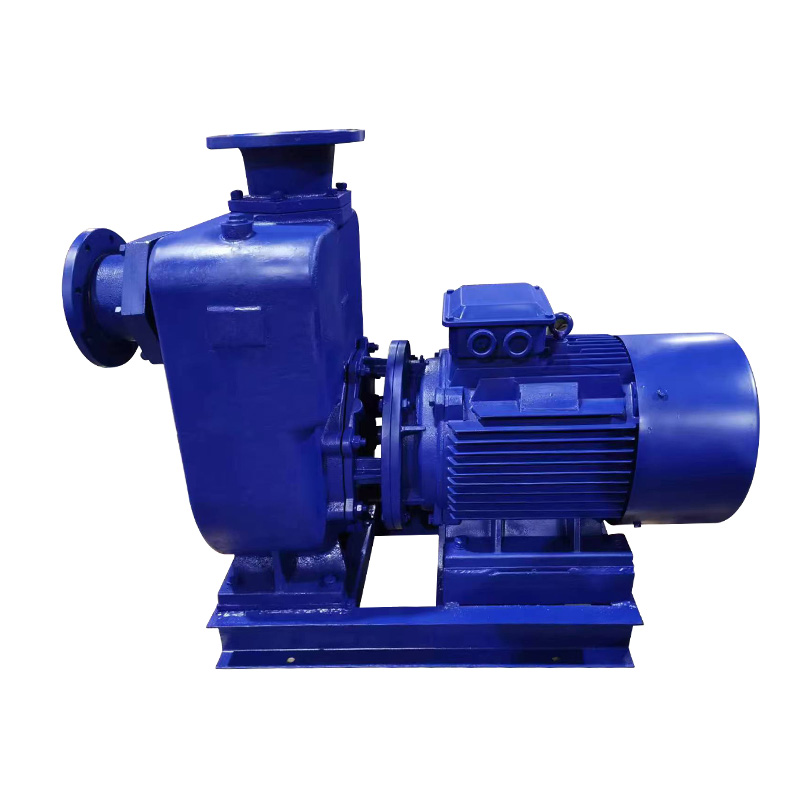
Energy Efficiency Regulations Accelerate Upgrade Cycles
The European Commission's Ecodesign Regulation for water pumps (EU Regulation 547/2012 and its 2023 revision extending scope to industrial process pumps) and equivalent efficiency mandates being introduced in China (GB 19762 pump efficiency standards), the US (DOE pump efficiency rule effective 2020), and Australia are compelling industrial operators to retire below-minimum-efficiency-index (MEI) pump installations and replace them with equipment meeting the latest performance benchmarks. Modern high-performance submersible pumps from quality manufacturers achieve MEI values of 0.4–0.7 — significantly above the regulatory minimum of 0.1 — delivering energy savings of 15–35% over replaced legacy units and payback periods of 18–36 months on energy cost savings alone.
Technical Spotlight: What Makes a Submersible Pump "High Performance"
Hydraulic Efficiency and Flow Range
The hydraulic performance of a high-performance submersible pump is defined by its efficiency curve across the operating flow range — the relationship between flow rate (m³/h), total head (m), shaft power (kW), and pump efficiency (%). Modern high-efficiency submersible pump designs achieve peak hydraulic efficiencies of 75–88% at best efficiency point (BEP), compared to 60–72% for standard commercial grade units. This efficiency improvement is achieved through:
- Computational fluid dynamics (CFD) optimized impeller geometry: Three-dimensional impeller profiles designed and validated using CFD simulation minimize hydraulic losses at the impeller inlet, within the impeller passages, and at the volute transition — collectively reducing internal energy losses by 8–15% versus conventionally designed impellers.
- Precision casting tolerances: Investment casting of impeller and volute components to dimensional tolerances of ±0.1–0.2 mm minimizes the clearance losses between rotating and stationary components that are a primary source of efficiency reduction in lower-quality cast components.
- Surface finish quality: Hydraulic passage surface roughness (Ra) below 3.2 µm in impeller channels reduces boundary layer friction losses; polished passages (Ra ≤ 1.6 µm) are specified for high-head, high-efficiency chemical process pump applications.
Material Selection for Corrosive and Abrasive Media
Material selection is the most technically consequential specification decision in sourcing a submersible pump for chemical applications. The pump wetted components — impeller, volute, shaft, and mechanical seal faces — must withstand continuous exposure to the process medium without corrosion, erosion, or stress corrosion cracking over the design service life of 5–15 years. The following alloy systems represent the current state-of-the-art in corrosion-resistant pump construction:
| Material | Key Properties | Typical Application |
|---|---|---|
| 316L Stainless Steel | Good general corrosion resistance; low carbon for weld stability | Dilute acids, seawater, food processing, general chemical duty |
| 904L Stainless Steel | Enhanced resistance to sulfuric and phosphoric acids; pitting resistance | Sulfuric acid, phosphate fertilizer, seawater desalination |
| Duplex 2205 | High strength + pitting/crevice corrosion resistance; stress corrosion resistant | Chloride-containing media, offshore, oil and gas, pulp and paper |
| Super Duplex 2507 | Superior pitting resistance (PREN > 40); high strength | Seawater, highly concentrated chlorides, subsea applications |
| Hastelloy C-276 | Outstanding resistance to oxidizing and reducing acids; HCl, H₂SO₄ | Hydrochloric acid, wet chlorine, flue gas desulfurization |
| Titanium (Grade 2) | Exceptional corrosion resistance in oxidizing media and seawater | Nitric acid, chlorine, seawater, bleaching chemicals |
| CD4MCu | High hardness; abrasion and corrosion combined resistance | Slurry, mining, abrasive chemical media, mixed duty |
| Fluoropolymer (PTFE/PFA lined) | Universal chemical resistance; no metallic corrosion path | Highly aggressive acids, oxidizing agents, ultra-pure chemical duty |
Mechanical Seal Technology
The mechanical seal is the highest-failure-frequency component in any submersible pump deployed in aggressive chemical service. Modern high-performance submersible pump designs address seal reliability through several engineering advances:
- Cartridge seal design: Factory pre-set, self-contained cartridge mechanical seals eliminate field setting errors that are the primary cause of premature seal failure during maintenance replacement; reduce mean time to repair (MTTR) by 40–60%.
- Silicon carbide (SiC) face materials: SiC/SiC face combinations provide superior abrasion resistance and thermal conductivity compared to conventional carbon/ceramic faces; standard specification for slurry and abrasive chemical submersible pump applications.
- Dual mechanical seal with barrier fluid: For highly toxic, flammable, or polymerizing media, a dual seal arrangement with pressurized barrier fluid provides a secondary containment layer and verifiable leak detection capability, meeting ISO 21049 (API 682) requirements for fugitive emissions compliance.
Application Focus: Key Industries Driving Submersible Pump Demand
Chemical and Petrochemical Processing
The chemical processing industry remains the largest single end-use market for high-performance submersible pumps in corrosion-resistant alloy construction. Process applications including acid transfer, solvent circulation, reactor feed, and waste liquor handling require pumps that can operate continuously in media with pH values from 0 to 14, temperatures from –20°C to 180°C, and specific gravities up to 1.8 without scheduled seal replacement intervals shorter than 8,000 operating hours. The trend toward modular continuous processing plants — replacing batch reactors in fine chemical and pharmaceutical manufacturing — is increasing the mean operating hours per pump per year and raising reliability requirements correspondingly.
Mining and Mineral Processing
Mining dewatering and mineral slurry transfer represent the most mechanically demanding applications for industrial submersible pumps. Submersible dewatering pumps in underground and open-pit mining must handle highly abrasive groundwater containing suspended solids at concentrations of 1,000–50,000 mg/L while operating continuously at depths of 50–500 meters. Hard-faced impellers in chrome white iron (27% Cr) or CD4MCu alloy, combined with heavy-duty motor frames rated for continuous submerged operation, are the standard specification for this demanding application environment. The global mining sector's expansion in lithium, copper, and rare earth mineral extraction in South America, Africa, and Australia is a significant driver of demand growth for heavy-duty high-performance submersible pumps in 2025.
Municipal Wastewater and Flood Control
Municipal wastewater treatment and urban flood management infrastructure investment — driven by urbanization in Asia-Pacific and climate adaptation spending in Europe and North America — is generating substantial procurement activity for submersible sewage pumps and stormwater pumps. Modern wastewater submersible pump specifications emphasize clog-free impeller designs (single or dual-channel vane geometries) capable of passing solid particles up to 80–100 mm diameter, combined with Class F or Class H motor insulation for reliability in variable load duty cycles.
Energy and Power Generation
Cooling water circulation, condensate extraction, and boiler feedwater applications in thermal and nuclear power plants require high-performance submersible pumps with exceptional reliability metrics — mean time between failures (MTBF) of 25,000–40,000 hours is the standard procurement specification for power sector pump applications. The rapid expansion of offshore wind energy infrastructure is creating new demand for submersible seawater pumps in foundation dewatering and cable trench dewatering applications, requiring super duplex and titanium alloy pump constructions resistant to full seawater immersion over 20–25 year design lives.
Huanyu Chemical: Bringing Advanced Pump Technology to Global Markets
Company Overview
Jiangsu Huanyu Chemical New Materials Co., Ltd., founded in 1987 and located on the bank of the Yangtze River near the renowned Jiangyin Yangtze River Bridge in Jiangsu Province, brings nearly four decades of manufacturing experience to the high-performance submersible pump and industrial chemical pump market. With more than 100 employees and a fully integrated manufacturing capability encompassing mechanical manufacturing, hot and cold processing, and investment casting within a single facility, Huanyu has built the technical foundation necessary to deliver precision-engineered pump products that meet the demanding specifications of chemical, petroleum, metallurgy, chemical fiber, and power generation applications.
Product Range and Material Expertise
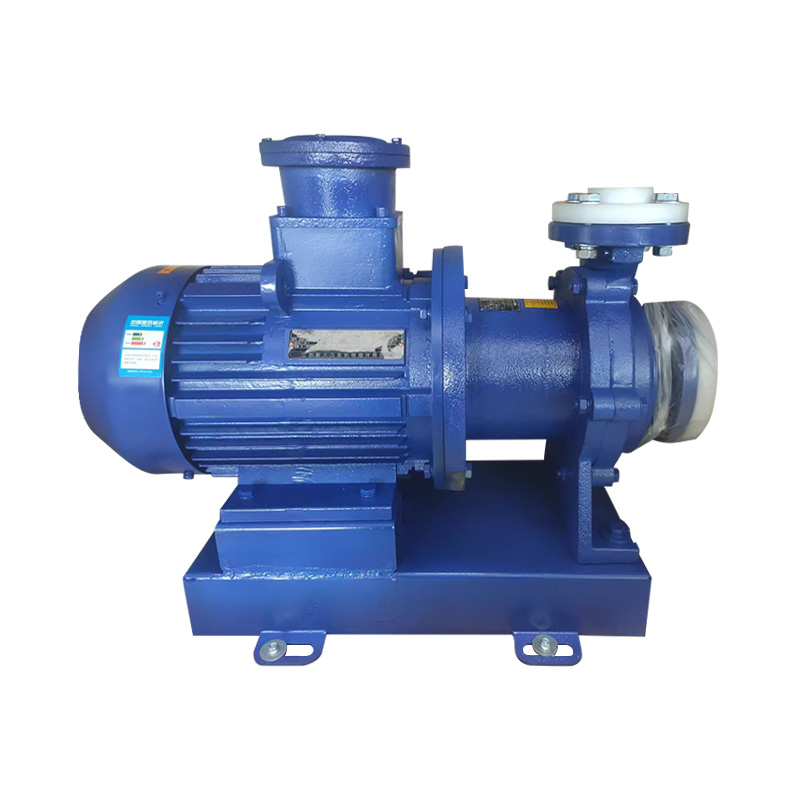
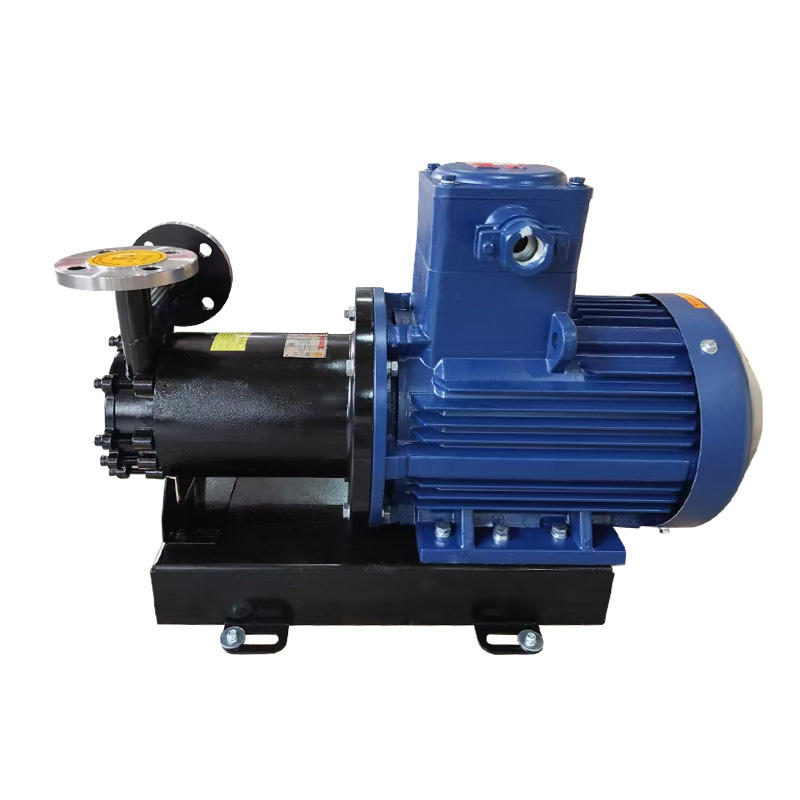
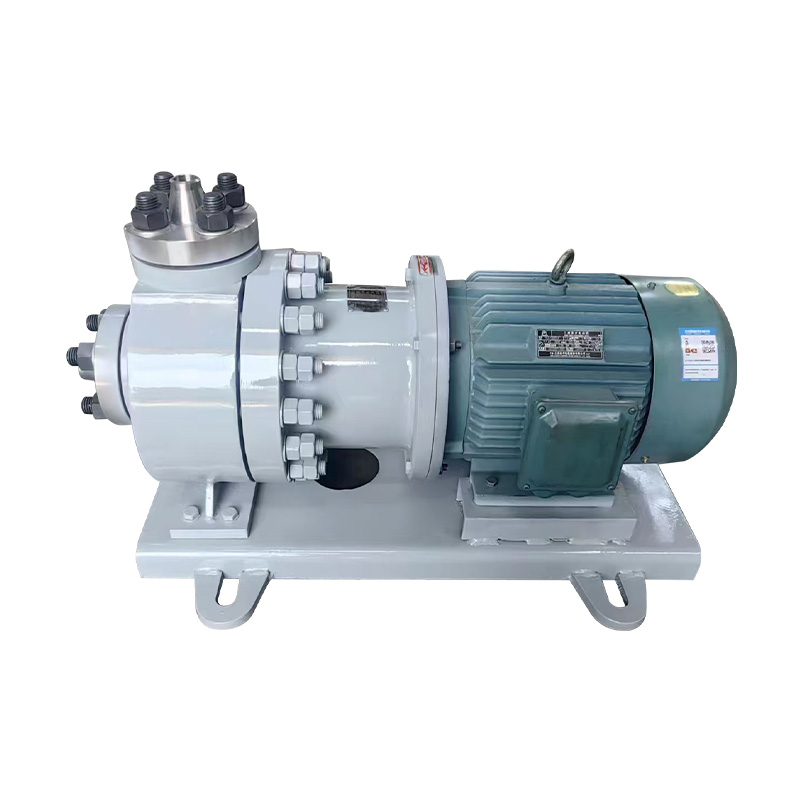
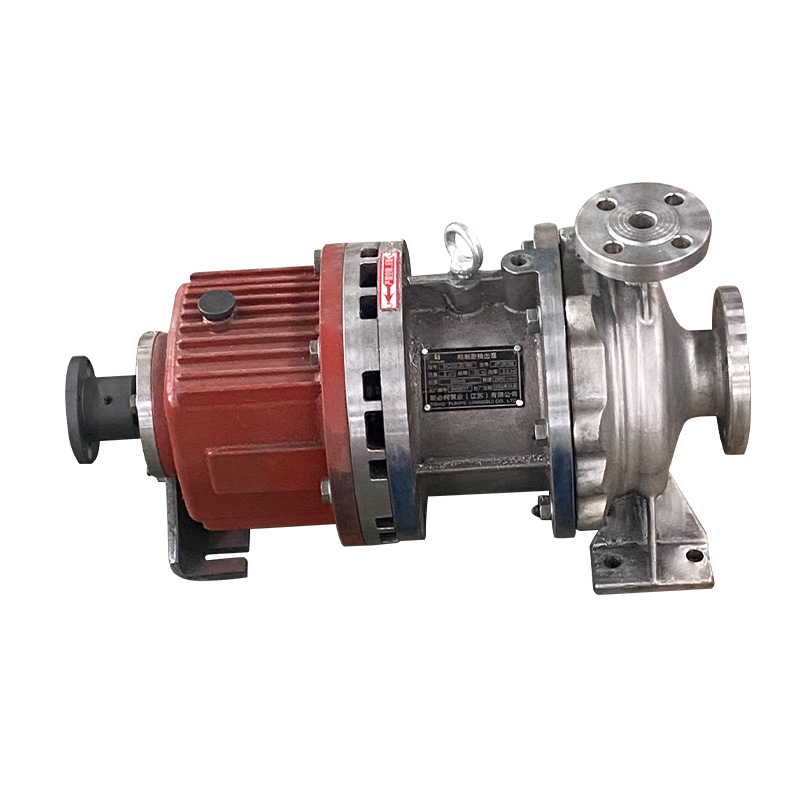
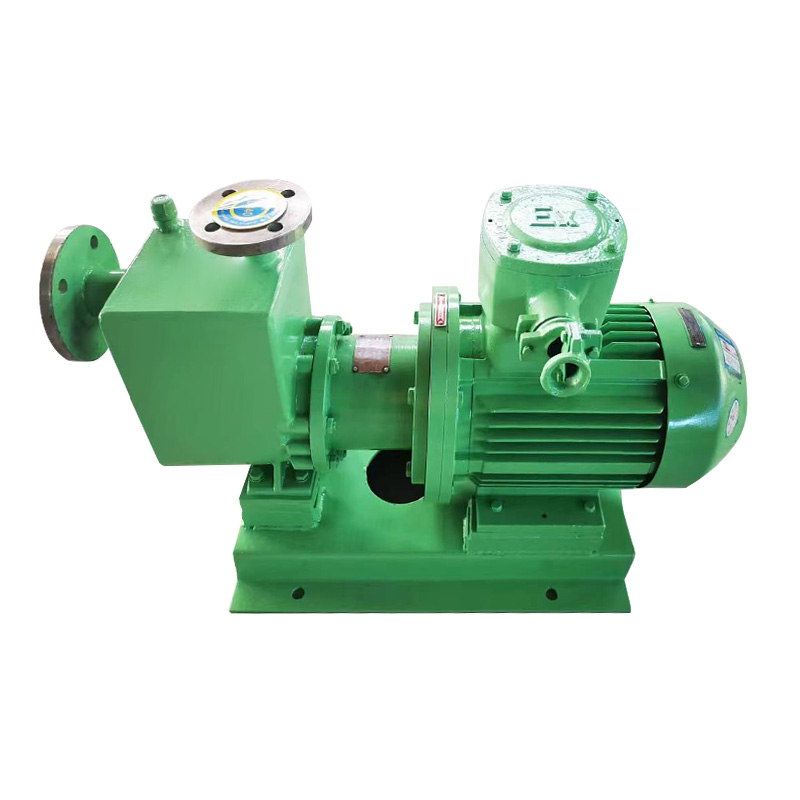
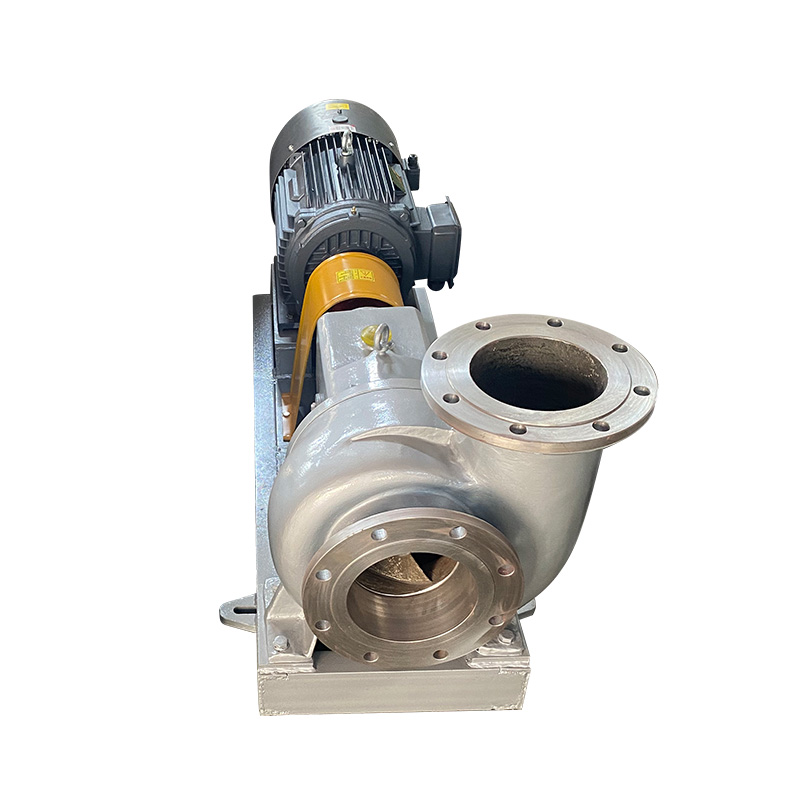
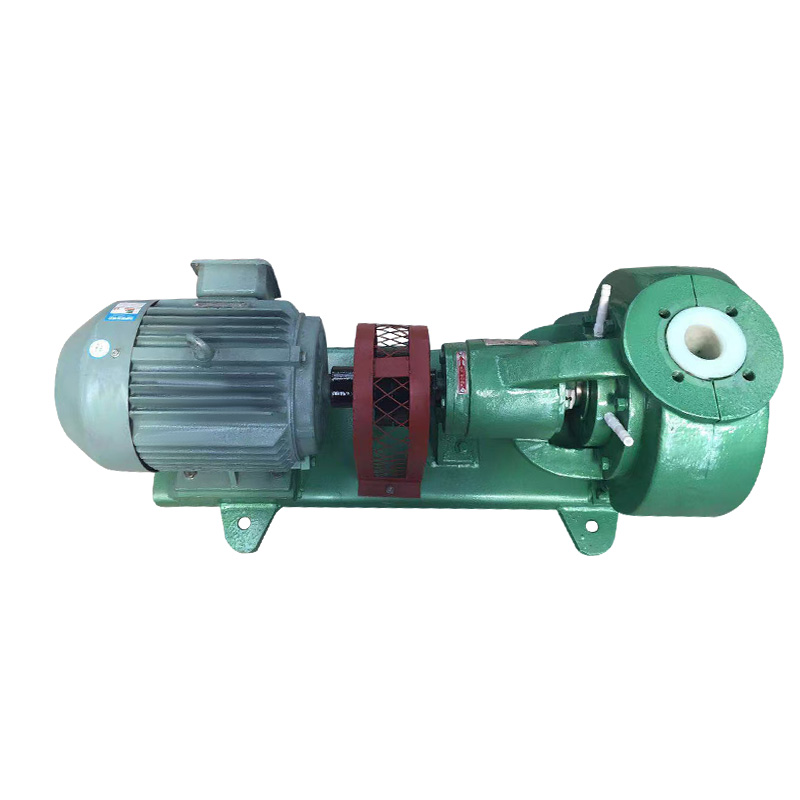
Huanyu's product portfolio spans more than ten series and over 300 specification variants under the "Huanning" brand, covering the full range of industrial fluid handling requirements. The lineup includes single stage single suction chemical centrifugal pumps, forced circulation pumps, fluorine plastic centrifugal pumps, magnetic drive pumps, self-priming pumps, pipeline pumps, and various series of liquid handling pumps — all available in a comprehensive material range including 304, 316L, 904, 2205, 2507, CD4, Hastelloy, titanium, and 2520 alloys. This material breadth enables Huanyu to configure pump wetted components for virtually any corrosive or abrasive process media encountered in industrial chemical service, making the company a single-source solution provider for facilities with diverse fluid handling challenges.
OEM/ODM Capability and Export Reach
As a recognized China Custom Industrial Pipeline Transportation Pumps Manufacturer and OEM/ODM factory, Huanyu supports buyers seeking customized pump specifications beyond standard catalog offerings — including non-standard alloy combinations, modified hydraulic performance curves, special flange and connection standards, and custom motor specifications for non-standard voltage and frequency requirements. Huanyu's products are exported to Laos, Thailand, Tanzania, Malaysia, Russia, and other markets, reflecting the company's capability to meet diverse international technical standards and its experience in navigating the documentation, certification, and logistics requirements of cross-border industrial equipment supply.
Buyer Checklist: Key Specifications for Industrial Submersible Pump Procurement
Engineering and procurement teams specifying a high-performance submersible pump should confirm the following parameters before committing to a purchase order:
- Process medium: Chemical composition, pH, temperature range, specific gravity, viscosity, and suspended solids concentration and particle size
- Hydraulic requirements: Design flow rate (m³/h), total dynamic head (m), NPSH available at pump inlet, and system curve data
- Alloy specification: Wetted material selection verified against corrosion resistance data for the specific process medium at operating temperature
- Motor specification: Power (kW), voltage, frequency, protection class (minimum IP68 for submersible duty), insulation class, and VFD compatibility
- Mechanical seal type: Single or dual arrangement; face material; seal flush plan (API 682 Plan designation)
- Standards compliance: ISO 9908 / ISO 5199 (chemical pump design); ATEX / IECEx (hazardous area motor); CE marking for EU market access
- Factory testing: Hydraulic performance test per ISO 9906 Grade 2 or 1; hydrostatic pressure test; NPSH test (if required)
- Documentation package: Material test certificates (EN 10204 3.1 or 3.2), dimensional inspection records, factory test reports, and operating and maintenance manual
Outlook: Submersible Pump Technology in the Next Three Years
Looking ahead to 2026–2028, several technology trends are expected to reshape the high-performance submersible pump market and create new specification requirements for industrial buyers:
- Smart pump integration: Embedded sensors for vibration, temperature, pressure, and flow monitoring — combined with IIoT connectivity via IO-Link, Profibus, or 4G/5G wireless — are transitioning from premium options to standard features in process industry pump specifications, enabling predictive maintenance programs that reduce unplanned downtime by 30–50%.
- Additive manufacturing of hydraulic components: Metal 3D printing (selective laser melting) of impellers and diffusers in complex alloys is moving from R&D to commercial production for small-batch custom specifications, reducing lead times from 16–20 weeks (conventional casting) to 4–6 weeks for non-standard hydraulic configurations.
- Fluoropolymer composite construction: Advanced PTFE and PFA composite pump bodies — combining the universal chemical resistance of fluoropolymers with the structural strength of fiber-reinforced polymer matrix — are gaining market share in ultra-aggressive acid service applications where even Hastelloy is marginal.
- Energy recovery integration: In high-pressure reverse osmosis and brine concentration applications, submersible pump-turbine combinations that recover energy from concentrate streams are reducing net energy consumption by 20–30% in desalination and lithium brine processing plants.
References
- Grand View Research. Industrial Pumps Market Size, Share & Trends Analysis Report, 2024–2030. Grand View Research, San Francisco, 2024. Available at: https://www.grandviewresearch.com
- ISO 9906:2012 — Rotodynamic Pumps: Hydraulic Performance Acceptance Tests — Grades 1, 2 and 3. International Organization for Standardization, Geneva.
- ISO 5199:2002 — Technical Specifications for Centrifugal Pumps — Class II. ISO, Geneva.
- API Standard 682, 4th Edition — Pumps: Shaft Sealing Systems for Centrifugal and Rotary Pumps. American Petroleum Institute, Washington DC, 2014.
- EU Regulation 547/2012 — Implementing Directive 2009/125/EC with Regard to Ecodesign Requirements for Water Pumps. Official Journal of the European Union, Brussels.
- Karassik, I.J. et al. (2008). Pump Handbook, 4th Edition. McGraw-Hill, New York. ISBN 978-0-07-146044-6.
- NACE International. Corrosion Engineer's Reference Book, 3rd Edition. NACE International, Houston, TX. ISBN 978-1-57590-181-1.
- ISO 21049 / API 682 — Pumps: Shaft Sealing Systems for Centrifugal and Rotary Pumps. ISO, Geneva / API, Washington DC.
- GB 19762-2007 — Minimum Allowable Values of the Energy Efficiency and Energy Efficiency Grades for Clear Water Centrifugal Pumps. Standardization Administration of China (SAC), Beijing.
- Hydraulic Institute. Pump Life Cycle Costs: A Guide to LCC Analysis for Pumping Systems. Hydraulic Institute / Europump / US DOE, 2001. Available at: https://www.pumps.org