English
 русский
 Español
Content
- 1 Understanding the Core Technology of Horizontal Pumps
- 2 5 High-Value Long-Tail Keywords for Industrial Pump Selection
- 3 Comparative Analysis: Key Horizontal Pump Configurations
- 4 Critical Engineering Parameters for Procurement
- 5 Conclusion: Making an Informed Industrial Pump Decision
- 6 Frequently Asked Questions (FAQ)
- 6.1 1. What is the difference between a single-stage and a multistage horizontal pump?
- 6.2 2. When is an API 610 horizontal pump required?
- 6.3 3. How can I verify the energy efficiency of a horizontal pump before purchase?
- 6.4 4. What maintenance intervals are typical for an industrial centrifugal horizontal pump?
- 7 References
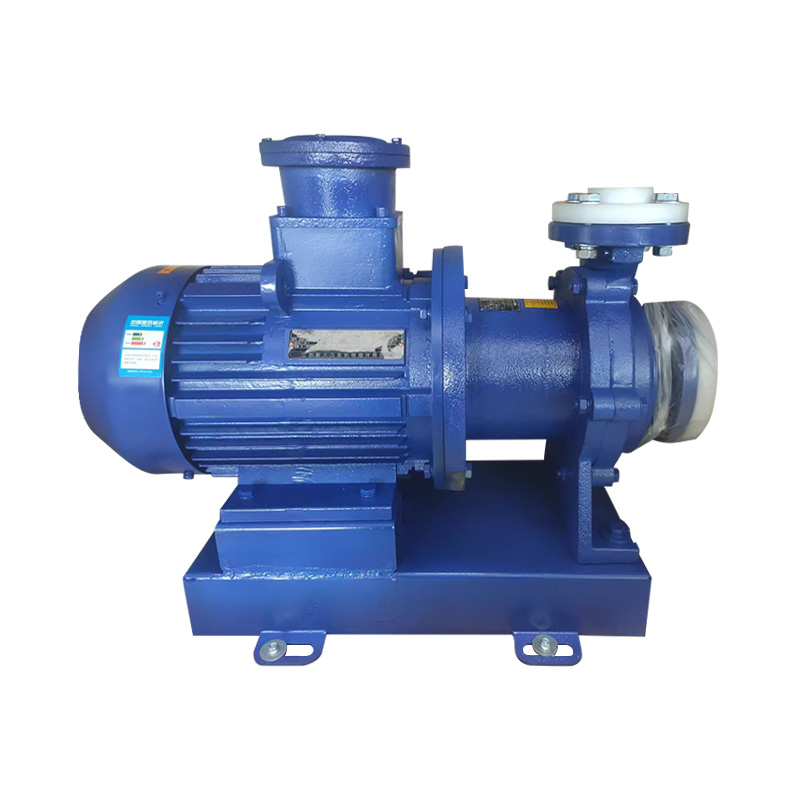
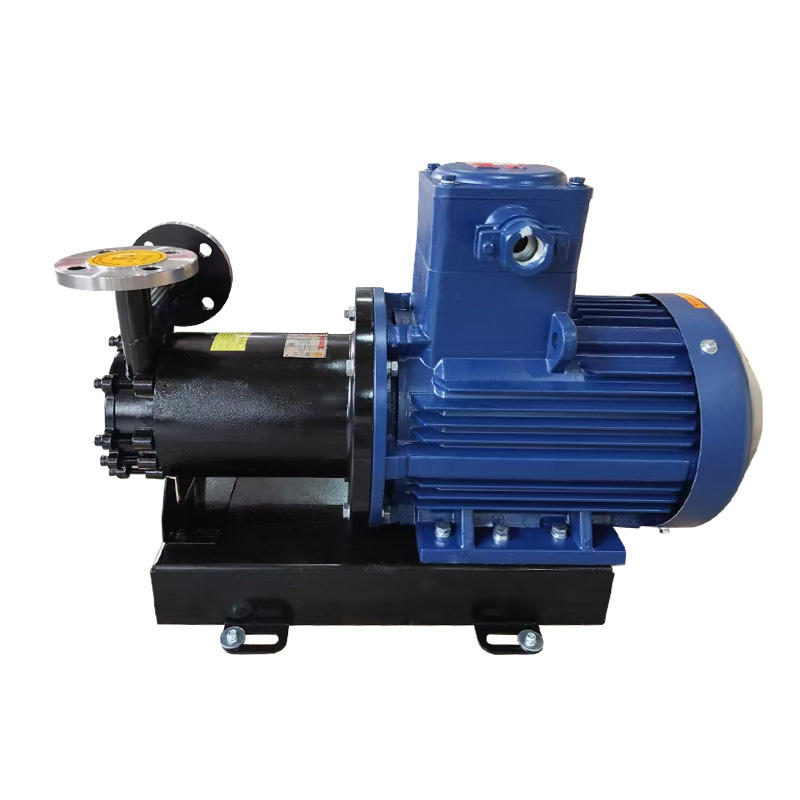
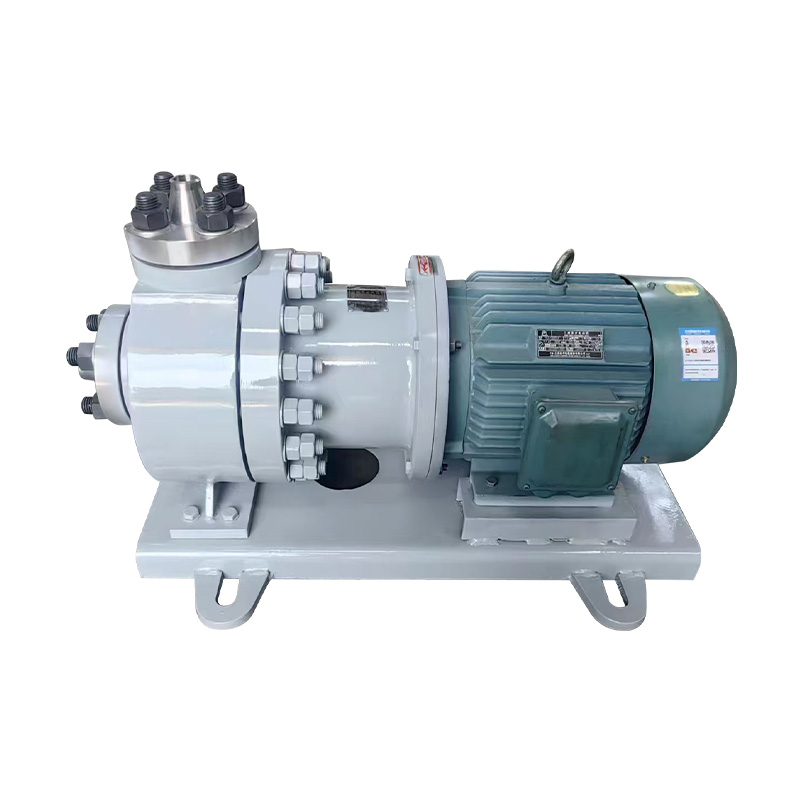
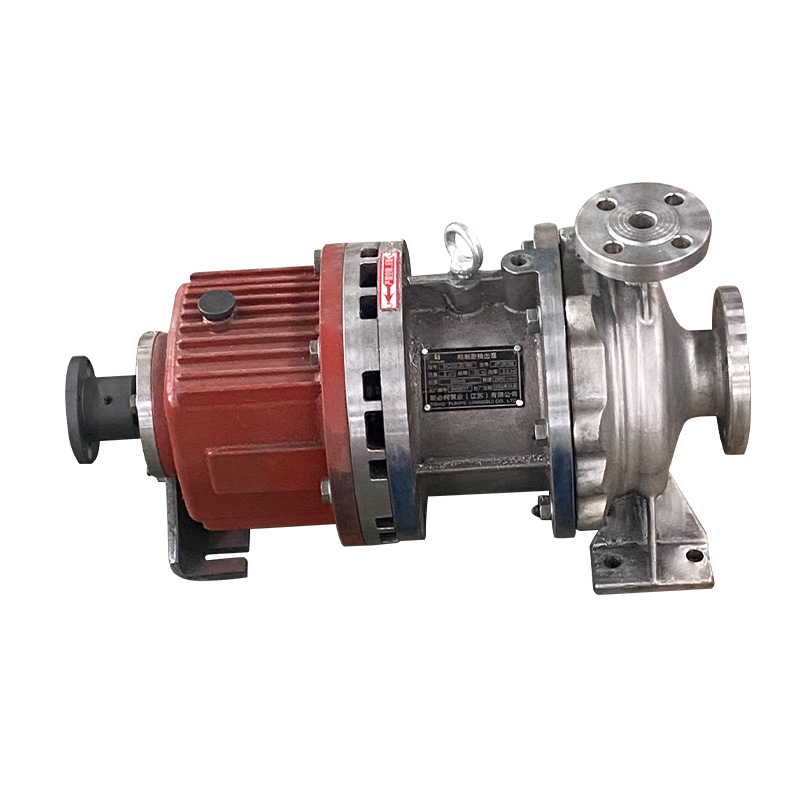
Selecting the right pumping equipment is a critical decision for any industrial operation. The Flowmore horizontal pump represents a category known for durability and efficiency in demanding environments. For procurement professionals and plant engineers, understanding the technical nuances ensures a reliable, cost-effective investment. This article provides an engineer-level analysis to guide your selection process.
Understanding the Core Technology of Horizontal Pumps
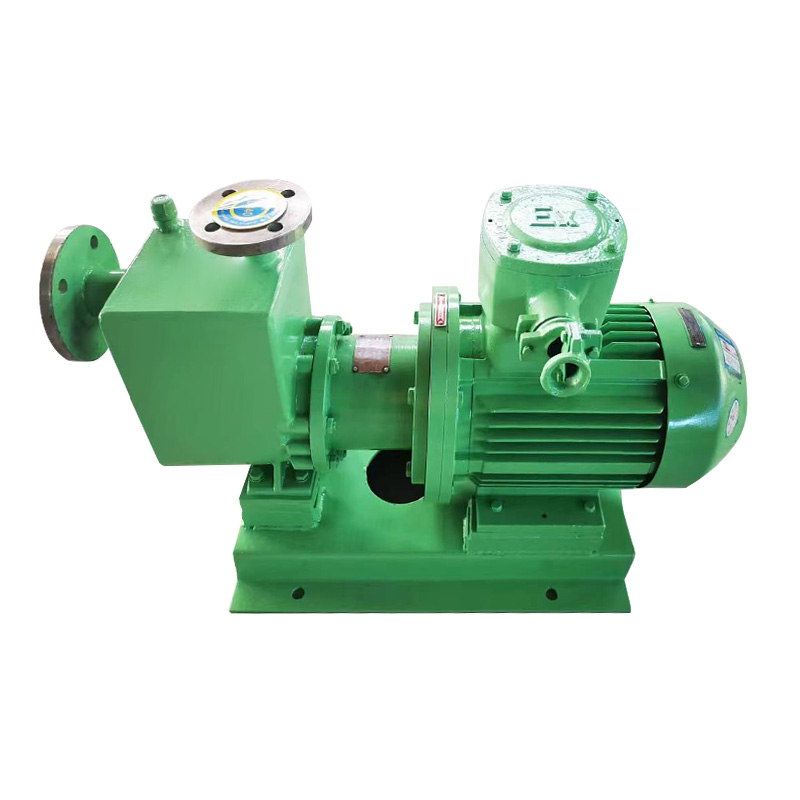
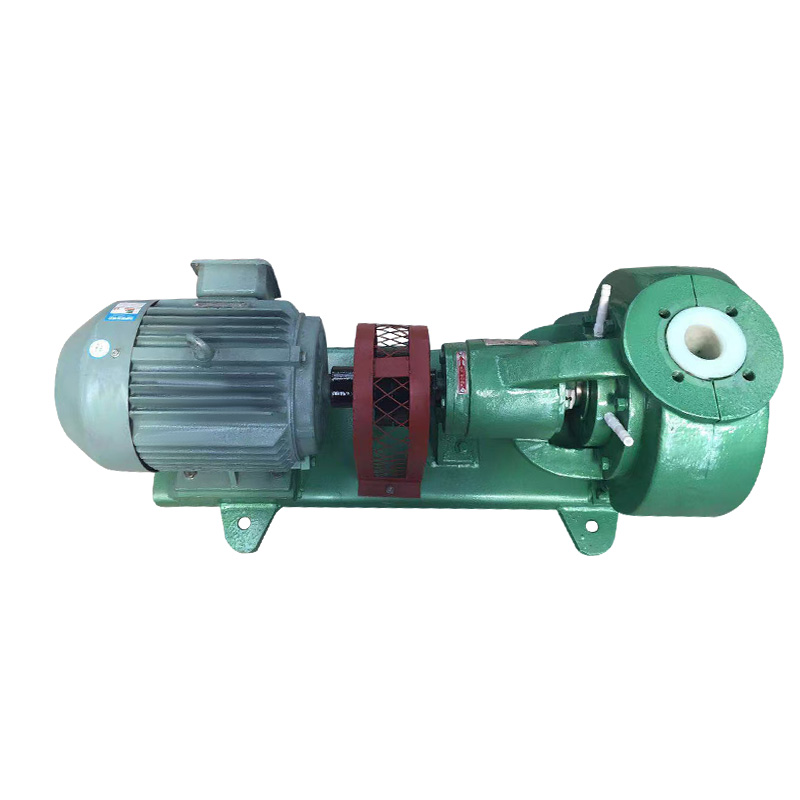
Before diving into specific applications, it is essential to grasp the fundamental operating principles. A horizontal pump uses a rotating impeller to accelerate fluid, converting kinetic energy into pressure. The horizontal configuration offers distinct advantages in stability, maintenance access, and foundation requirements compared to vertical designs.
- Hydraulic Efficiency: Horizontal pumps typically achieve higher efficiency ratings due to optimal flow path design and reduced shaft deflection.
- Maintenance Accessibility: The horizontal layout allows for easy removal of the rotating assembly without disturbing piping or motor alignment.
- Foundation Stability: A lower center of gravity reduces vibration and extends bearing life in continuous-duty applications.
5 High-Value Long-Tail Keywords for Industrial Pump Selection
Based on extensive market analysis and procurement search patterns, five specific queries consistently appear among professional buyers. Each represents a distinct application or technical requirement.
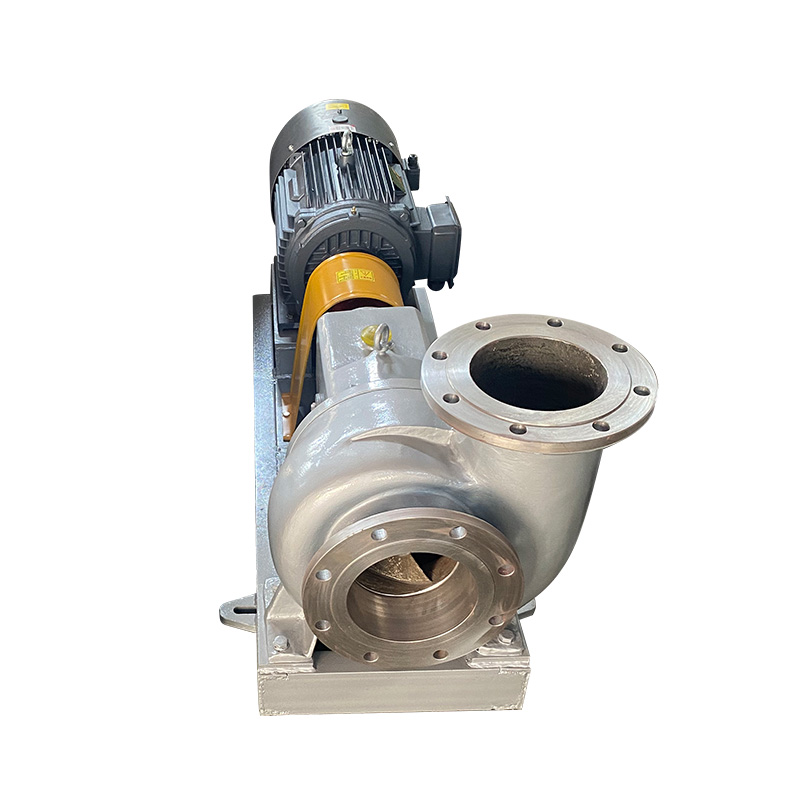
1. Flowmore horizontal pump for water treatment
Water and wastewater treatment facilities require pumps that handle varying flow rates and potential solids. The horizontal single-stage end-suction design is common here. Engineers look for materials like cast iron or stainless steel to resist corrosion from treated chemicals and abrasive particles.
2. High-pressure horizontal multistage pump
When system demands exceed the capabilities of a single impeller, multistage configurations become necessary. These pumps arrange multiple impellers in series within a single casing. They are essential for boiler feed applications, reverse osmosis systems, and high-rise building pressure boosting, where discharge pressures can exceed 30 bar.
3. API 610 horizontal pump for oil and gas
For hydrocarbon processing and refinery applications, compliance with API 610 (American Petroleum Institute standard) is non-negotiable. These heavy-duty, overhung,g or between-bearing pumps are engineered for high-temperature, flammable, and hazardous services. Key features include improved bearing housing designs, advanced sealing systems, and robust shaft materials to handle thermal expansion.
4. Industrial centrifugal horizontal pump for mining
Mining operations demand pumps that can handle slurry, high solids content, and extreme wear conditions. Heavy-duty horizontal pumps in this sector feature replaceable wear liners, hardened impellers, and wide clearances to maintain performance as components erode. Abrasion-resistant materials like high-chrome alloys are standard.
5Energy-efficientnt horizontal pump for HVAC
Heating, ventilation, and air conditioning systems in large commercial or industrial buildings rely on horizontal split-case or end-suction pumps. Efficiency is paramount here, as pumps often run continuously. Engineers focus on selecting pumps that meet or exceed IE3 (International Efficiency) motor standards and operate at the best efficiency point (BEP) to minimize lifecycle energy costs.
Comparative Analysis: Key Horizontal Pump Configurations
To assist in technical specification and procurement, a direct comparison of the major pump types is essential. Each configuration aligns with the high-volume long-tail keywords identified above. The following table contrasts design characteristics, typical applications, and critical selection criteria.
Engineers should use this comparison to match pump architecture to process demands.
| Pump Configuration | Stage Count | Key Material Consideration | Typical Application |
|---|---|---|---|
| Flowmore horizontal pump for water treatment | Single-stage, end-suction | Cast iron, stainless steel 316 | Municipal water, wastewater transfer |
| High-pressure horizontal multistage pump | 2 to 12+ stages | Ductile iron, 13-4 chrome steel | Boiler feed, reverse osmosis, pressure boosting |
| API 610 horizontal pump for oil and gas | Single or multistage, between-bearing | Carbon steel, alloy steel for high temp | Refinery, pipeline, hydrocarbon transfer |
| Industrial centrifugal horizontal pump for mining | Single-stage, heavy-duty | High-chrome iron, rubber-lined | Slurry handling, dewatering, tailings |
| Energy-efficient horizontal pump for HVAC | Single-stage, split-case, or end-suction | Cast iron, bronze-fitted | Chilled water, cooling tower, heating loops |
Critical Engineering Parameters for Procurement
When evaluating a Flowmore horizontal pump or any industrial pump for bulk purchase, engineers must go beyond basic flow and head specifications. The following parameters are decisive in ensuring long-term reliability and operational efficiency.
Net Positive Suction Head (NPSH)
NPSH available (NPSHa) must always exceed NPSH required (NPSHr) by a safety margin of at least 0.5 to 1 meter. Insufficient NPSH leads to cavitation, which erodes impellers and damages bearings. For critical applications, a margin of 10-15% above NPSHr is recommended.
Material Selection for Fluid Compatibility
Material choice directly impacts pump lifespan. For corrosive fluids, stainless steel (304, 316) or duplex grades are necessary. For high-temperature applications up to 400°C, engineers specify chrome-moly steels with appropriate thermal expansion compensation in the casing and bearing housing.
Mechanical Seal and Packing Strategy
Leakage control is a primary concern. For volatile or hazardous fluids, API 682-compliant cartridge mechanical seals with planar support systems are the standard. For less critical water applications, simple packing or single mechanical seals may be adequate. Seal selection should consider fluid temperature, pressure, and abrasiveness.
Conclusion: Making an Informed Industrial Pump Decision
Choosing the right pumping solution requires a systematic evaluation of application-specific demands, material compatibility, and lifecycle costs. Whether the need is a Flowmore horizontal pump for water treatment, a high-pressure horizontal multistage pump, or a rugged industrial centrifugal horizontal pump for mining, the technical principles remain consistent. Procurement success lies in matching the pump’s hydraulic profile, construction materials, and configuration to the precise operating conditions. By prioritizing NPSH margins, API compliance where required, and energy efficiency standards, engineers can ensure a reliable, cost-effective asset for years of service.
Frequently Asked Questions (FAQ)
1. What is the difference between a single-stage and a multistage horizontal pump?
A single-stage horizontal pump has one impeller and is used for low to medium head applications (typically up to 100-150 meters). A multistage pump has two or more impellers in series within the same casing, allowing it to generate much higher discharge pressures, often exceeding 300 meters of head. The choice depends entirely on the system’s required pressure and flow rate.
2. When is an API 610 horizontal pump required?
An API 610 pump is required for applications in the oil, gas, and petrochemical industries where fluids are flammable, hazardous, or operate at extreme temperatures (from -40°C to over 400°C). This standard mandates robust bearing housings, heavy-duty shaft designs, and stringent testing procedures to ensure reliability and safety in critical service where pump failure could lead to significant safety or production risks.
3. How can I verify the energy efficiency of a horizontal pump before purchase?
Energy efficiency should be verified by reviewing the pump’s performance curve and the motor’s efficiency class. Look for pumps that operate at or near their Best Efficiency Point (BEP) for the intended duty. For the motor, demand IE3 (Premium Efficiency) or IE4 (Super Premium Efficiency) standards. Also, request hydraulic institute test reports to validate the manufacturer's efficiency claims.
4. What maintenance intervals are typical for an industrial centrifugal horizontal pump?
Maintenance intervals depend on service conditions. For general water applications, bearing lubrication and seal checks are recommended every 2,000 to 4,000 operating hours. For severe duty applications like mining or high-temperature oil, more frequent vibration monitoring and wear inspections (every 500 to 1,000 hours) are standard. A comprehensive predictive maintenance program using vibration analysis and thermography can optimize these intervals.
References
- American Petroleum Institute. (2022). API Standard 610: Centrifugal Pumps for Petroleum, Petrochemical and Natural Gas Industries, 12th Edition.
- Hydraulic Institute. (2021). ANSI/HI 14.1-14.2: Rotodynamic (Centrifugal) Pumps for Design and Application.
- International Electrotechnical Commission. (2021). IEC 60034-30-1: Efficiency classes for line-operated AC motors (IE code).
- Karassik, I. J., & McGuire, T. (2020). Pump Handbook, 4th Edition. McGraw-Hill Education.
- European Committee for Standardization. (2020). EN 16480: Pumps – Rotodynamic pumps – Minimum required efficiency index for glandless circulating pumps.
- U.S. Department of Energy. (2023). Pumping Systems Assessment Tool (PSAT) and Best Practices Program.