English
 русский
 Español
Content
Introduction to Sealless Pumping Technology
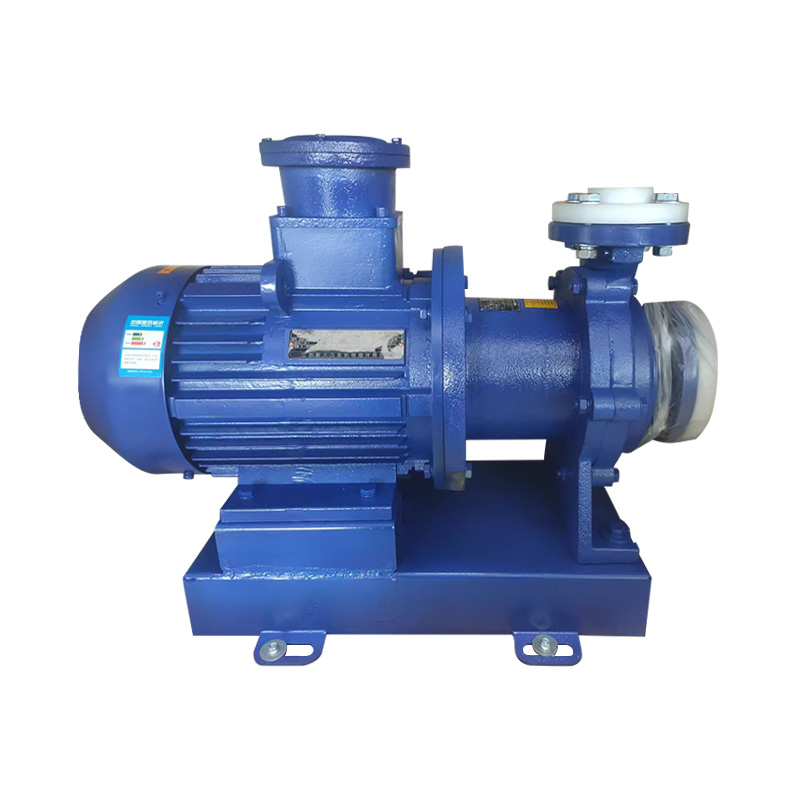
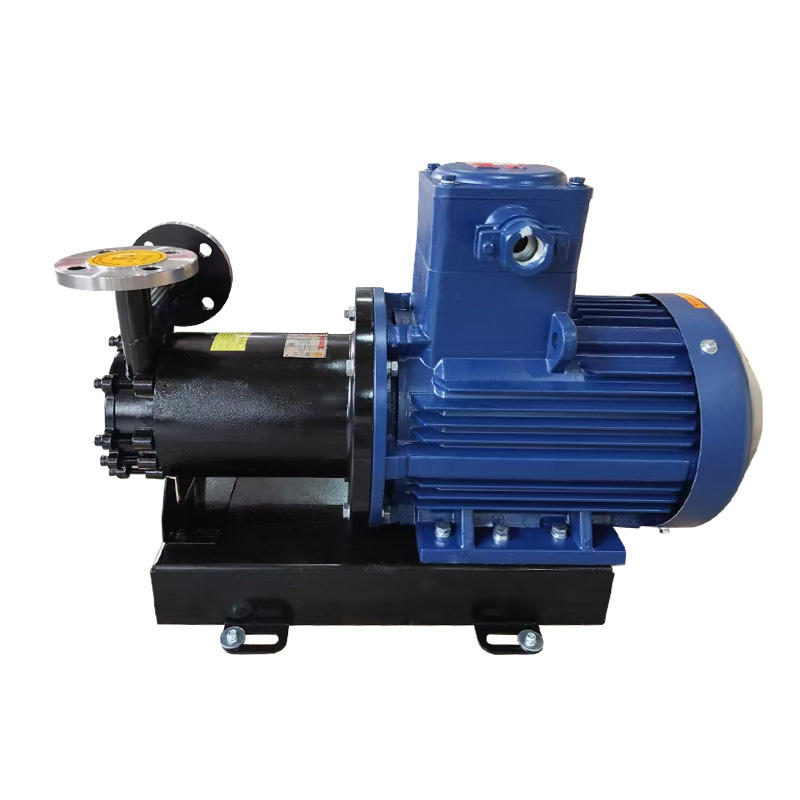
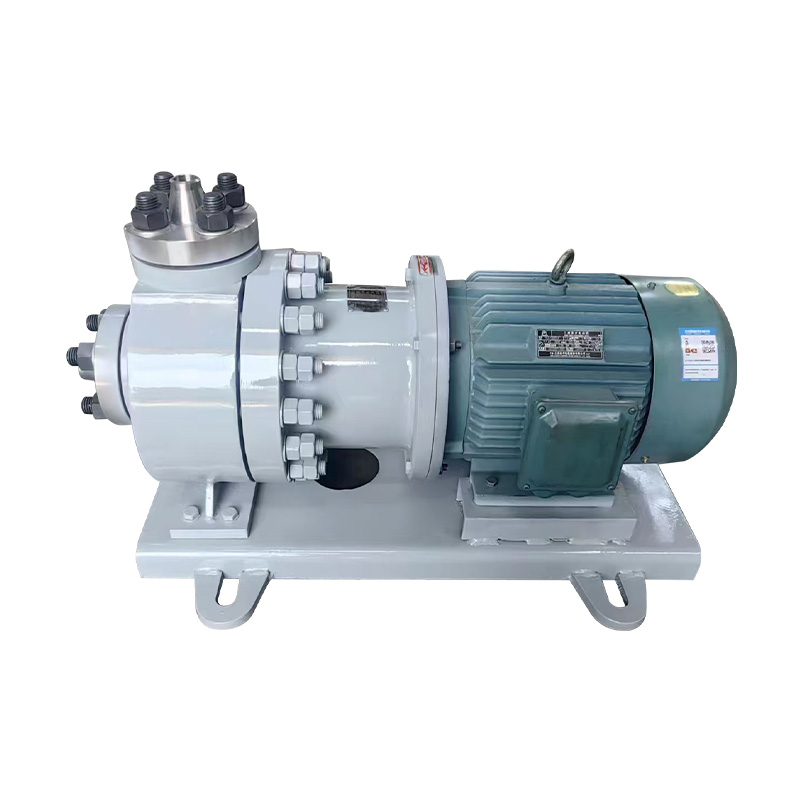
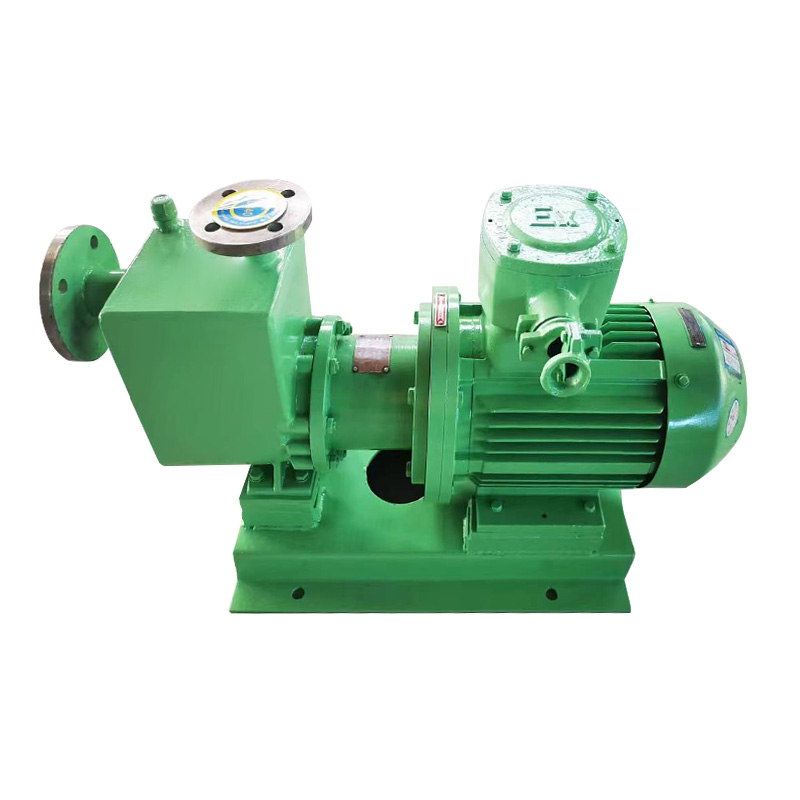
Fluid transfer in the chemical industry presents unique challenges. Leaks can cause safety hazards and environmental damage. Traditional pumps use mechanical seals that eventually wear out. A Chemical Magnetic Drive Pump offers a modern solution to this age-old problem. It uses magnetic coupling to transmit torque without a direct physical connection. This design eliminates the need for the shaft seal. Engineers and procurement specialists value this technology for its safety and reliability.
Core Working Principles
The Magnetic Coupling Mechanism
The operation relies on the principle of magnetism. The motor drives an outer magnet assembly. This outer assembly rotates around a containment shell. Inside the shell, an inner magnet assembly connects to the impeller. The magnetic field passes through the containment shell. It drives the inner magnet and impeller to move the fluid. There is no direct shaft penetration into the pumping chamber.
Eliminating Leakage Risks
Seals are the weakest point in any pumping system. They require constant maintenance and monitoring. The sealless magnetic drive pump benefits come from the complete removal of this component. The fluid is hermetically sealed within the containment shell. This design ensures zero leakage of hazardous or expensive fluids. It provides a safer working environment for plant personnel.
Key Material Considerations for Chemical Compatibility
Material selection is critical for chemical applications. The pump must withstand the corrosive nature of the fluid. Engineers must verify chemical compatibility charts before selection. Common materials include stainless steel, polypropylene, and fluoropolymers. The containment shell and impeller are the primary wetted parts.
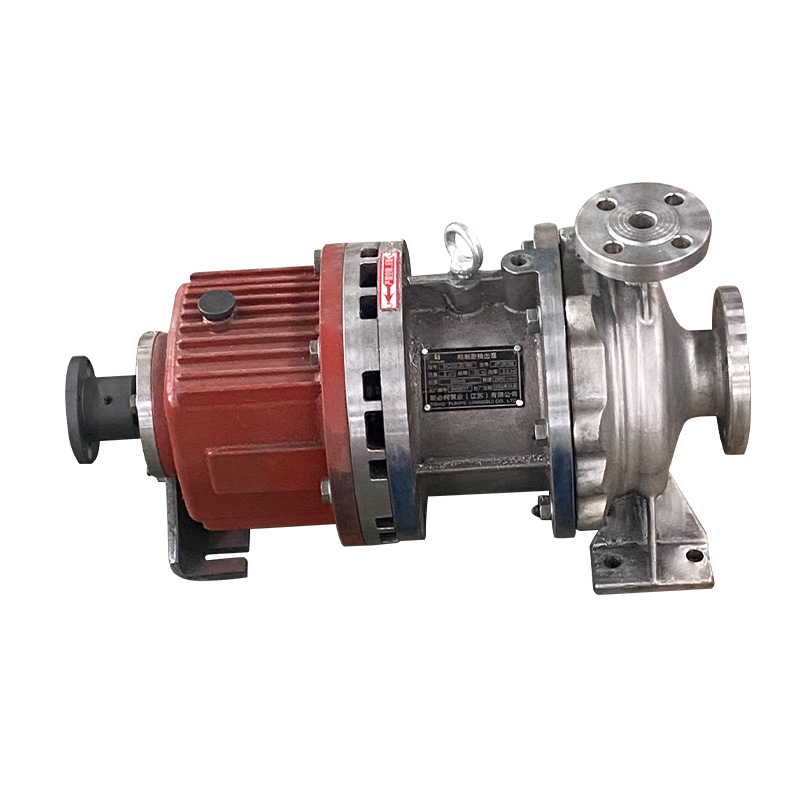
The choice of material depends on the specific chemical, concentration, and temperature. The following table compares common materials used in these pumps:
| Material | Corrosion Resistance | Temperature Limit | Typical Application |
| ETFE / PFA | Excellent (most acids/alkalis) | Up to 180°C | High-purity acids and solvents |
| PVDF | Very Good | Up to 120°C | Chlorine, bromine compounds |
| Stainless Steel (316L) | Good (limited for strong acids) | Up to 250°C | Hydrocarbons, mild chemicals |
Advantages Over Conventional Pumps
Understanding Sealless Magnetic Drive Pump Benefits
The primary benefit is the reduction in maintenance costs. Mechanical seals require periodic replacement and adjustment. Sealless designs remove this recurring expense. Companies also reduce their insurance premiums due to lower fire and spill risks. Environmental compliance becomes easier to manage. There is no risk of VOC (Volatile Organic Compounds) emissions into the atmosphere.
Magnetic Drive Pump vs Mechanical Seal Pump
Procurement teams often compare technologies before purchase. The initial cost of a magnetic drive pump is higher. However, the total cost of ownership is often lower. A comparison between the two technologies highlights the differences:
| Feature | Magnetic Drive Pump | Mechanical Seal Pump |
| Leakage Risk | Zero (Hermetically Sealed) | High (Seal wear) |
| Maintenance Frequency | Low (Bearing replacement only) | High (Seal replacement) |
| Energy Efficiency | High | Medium (Friction losses) |
| Safety Level | Very High | Moderate |
Applications in Industrial Environments
Handling Corrosive Fluids
Acids and caustics are common in many industries. An acid-resistant magnetic drive pump is essential for these tasks. These pumps handle sulfuric acid, hydrochloric acid, and nitric acid safely. The non-metallic wetted parts prevent chemical attack. This ensures a long service life even in harsh conditions.
Role as an Industrial Chemical Transfer Pump
Large-scale chemical processing requires robust equipment. The industrial chemical transfer pump must operate continuously without failure. Magnetic drive pumps excel in filter press feeding and tank transfer applications. They provide a steady flow rate and pressure. Their ability to run dry for short periods is an added advantage in some models.
Sourcing from Suppliers
Evaluating Magnetic Drive Chemical Pump Manufacturers
Selecting the right partner is as important as selecting the pump. Reliable magnetic drive chemical pump manufacturers provide detailed performance curves. They should offer hydrostatic test certificates. Engineers should check for ISO 9001 certification. It is also important to verify the quality of the magnets. Neodymium magnets are common, but Samarium Cobalt magnets are better for high temperatures. A good manufacturer will help you select the right bearing material as well. Carbon bearings are standard, while silicon carbide bearings offer superior wear resistance.
When sourcing a Chemical Magnetic Drive Pump, buyers should request a vibration test report. This ensures the pump runs smoothly. It also indicates the precision of the manufacturing process.
Conclusion
The Chemical Magnetic Drive Pump is a vital asset for modern industry. It solves the leakage problems associated with traditional seals. By understanding material compatibility and pump construction, buyers can make informed decisions. This technology offers long-term value through safety and reliability.
Frequently Asked Questions
Can a magnetic drive pump run dry?
Most magnetic drive pumps cannot run dry for extended periods. The internal bearings rely on the pumped fluid for lubrication. However, some advanced designs use self-lubricating ceramic bearings that can tolerate limited dry running.
What fluids are suitable for this pump?
These pumps are suitable for a wide range of fluids. They handle acids, alkalis, solvents, and hydrocarbons. Users must ensure the wetted materials are compatible with the specific fluid chemistry.
How do I prevent magnetic decoupling?
Decoupling occurs when the load exceeds the magnetic force. This usually happens if the viscosity is too high or the impeller jams. Operators should ensure the pump operates within the specified viscosity range and keep the fluid clean.
Is the containment shell strong enough?
Yes, the containment shell is designed to withstand high pressures. It is typically made from reinforced engineering plastics or metal. Manufacturers subject these shells to rigorous pressure testing before delivery.