English
 русский
 Español
Content
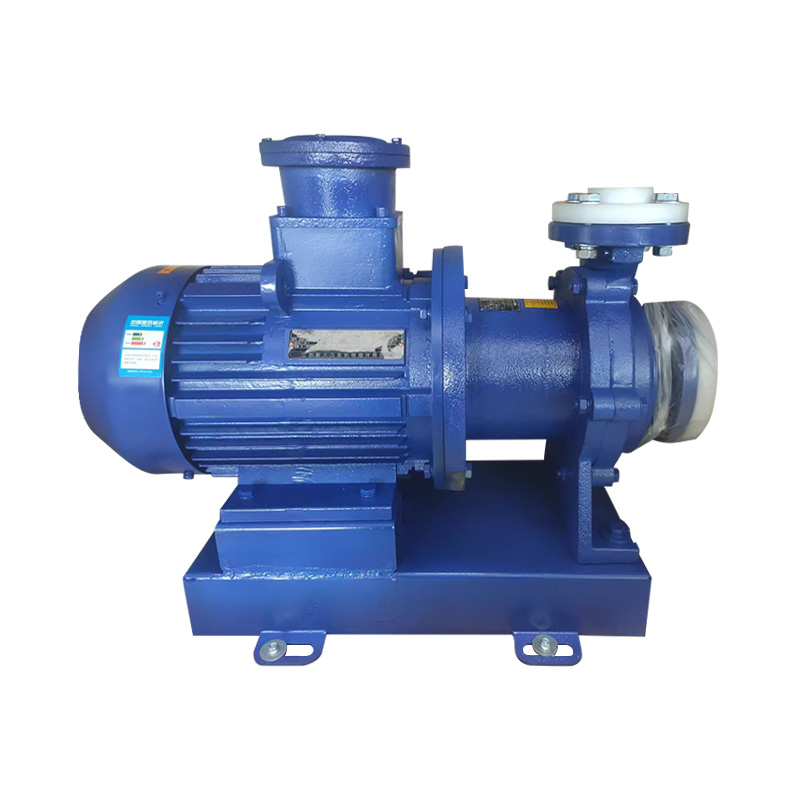
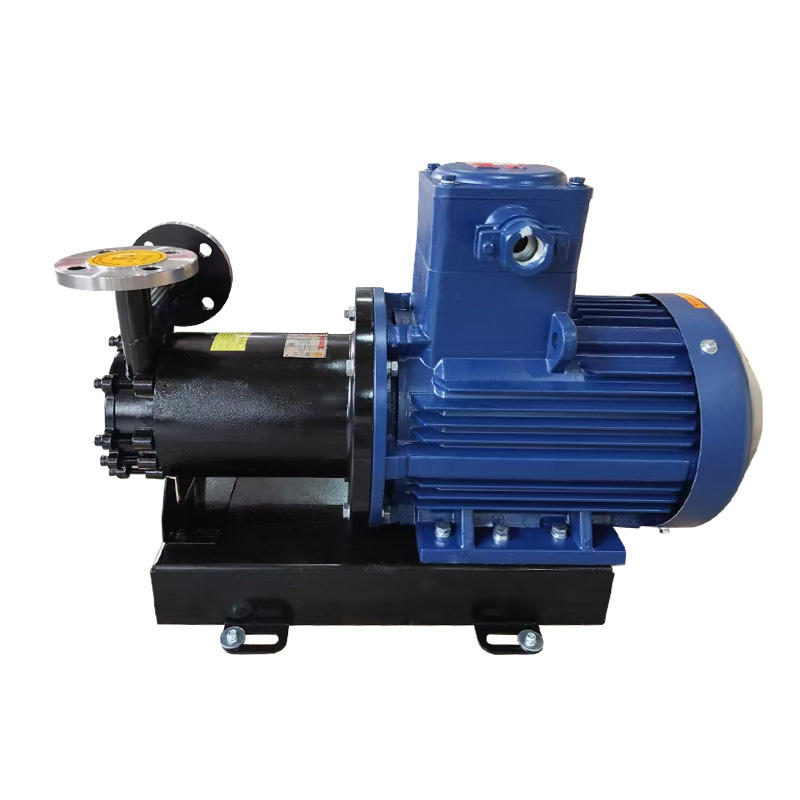
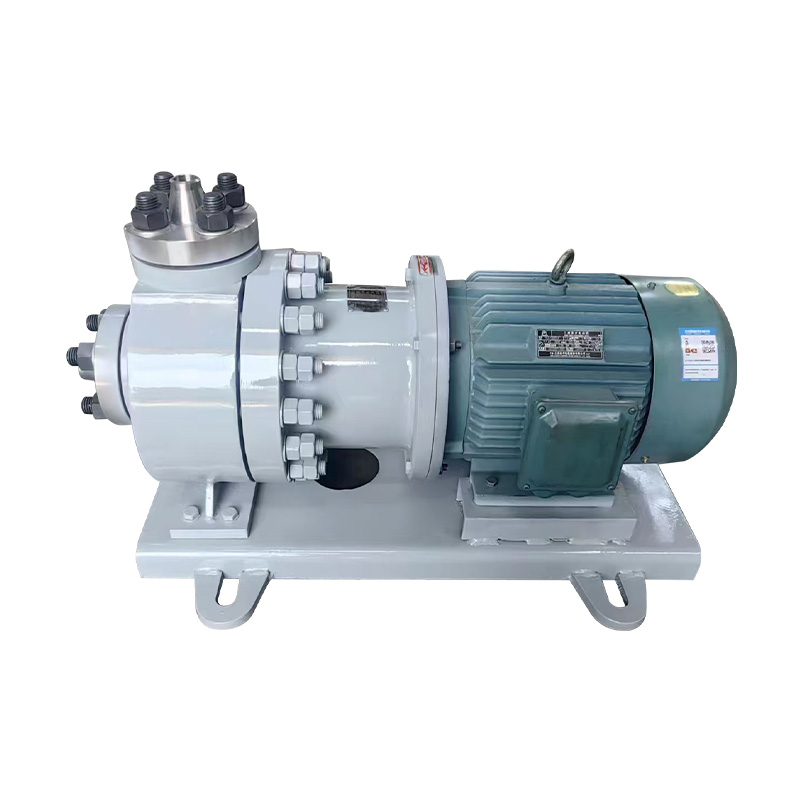
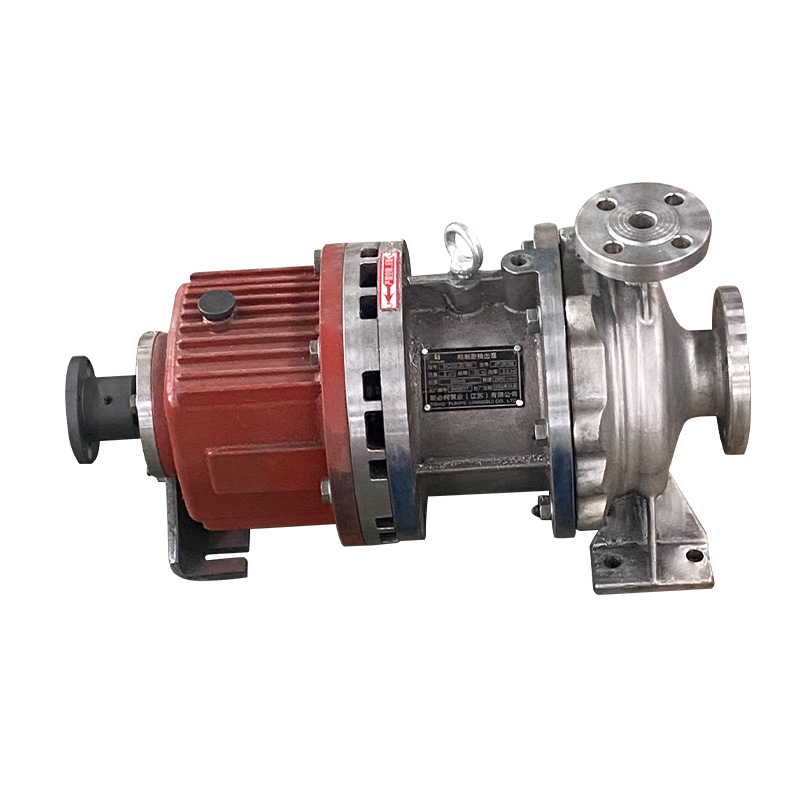
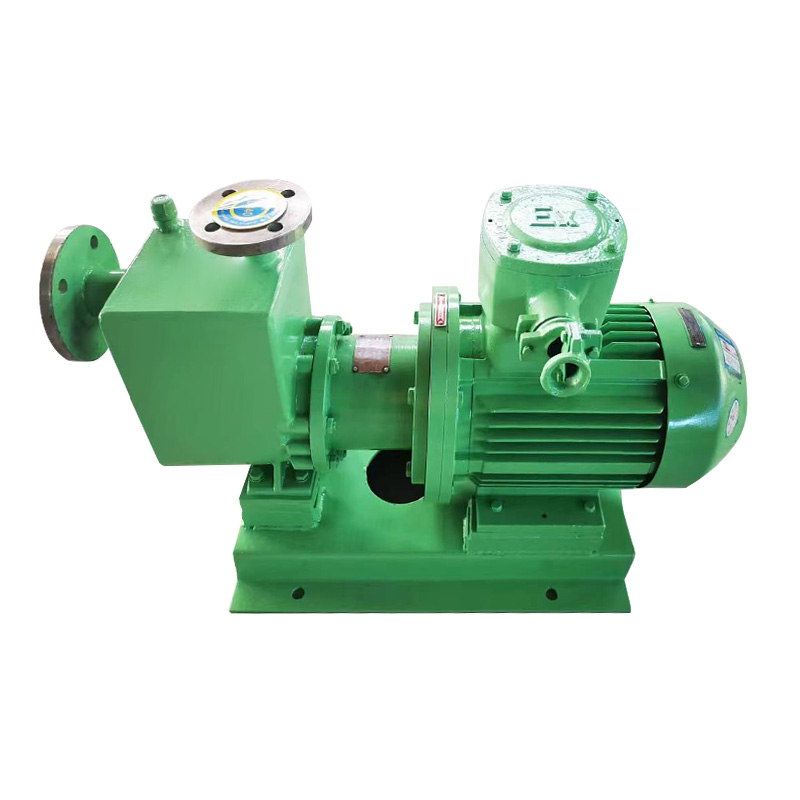
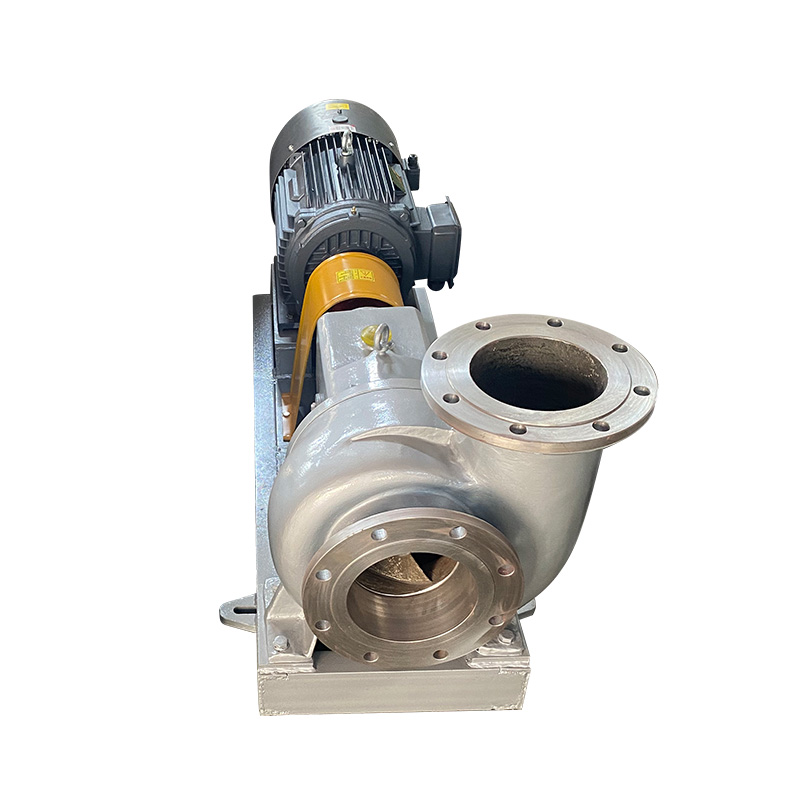
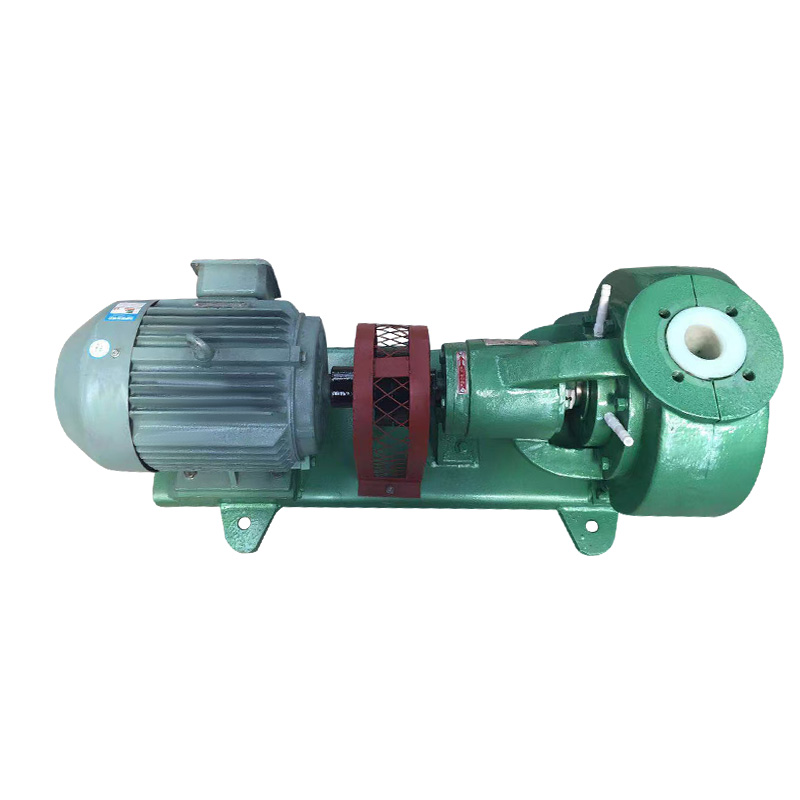
In the high-stakes environment of oil refining and chemical processing, the reliability of fluid handling equipment is paramount. A failure in a critical loop can lead to catastrophic safety incidents, significant production downtime, and severe environmental repercussions. As a specialized manufacturer dedicated to industrial fluid solutions, we understand that selecting a petrochemical process pump requires a rigorous engineering approach. It is not merely about moving fluids; it is about managing extreme pressures, corrosive chemistries, and variable temperatures with absolute precision. For engineers and procurement officers, distinguishing a robust pump from a commodity item lies in the details of its design, material composition, and adherence to global standards.
Compliance with Industry Standards: API 610 Specifications
The foundation of any reliable centrifugal pump in this sector is its adherence to the American Petroleum Institute (API) standards. Specifically, API 610 petrochemical process pump specifications provide the definitive benchmark for the design, manufacturing, and testing of pumps for hydrocarbon services. This standard ensures that the pump can handle the rigorous demands of continuous operation in harsh environments.
According to the 2024 market outlook released by the Hydraulic Institute, the push for higher efficiency and reliability in rotating equipment has led to stricter interpretations of API 610 regarding vibration and rotordynamic stability. The report highlights that modern pumps must not only meet dimensional specifications but also demonstrate extended mean time between failures (MTBF) through advanced sealing technologies and bearing isolation.
Source: Hydraulic Institute - Market Outlook
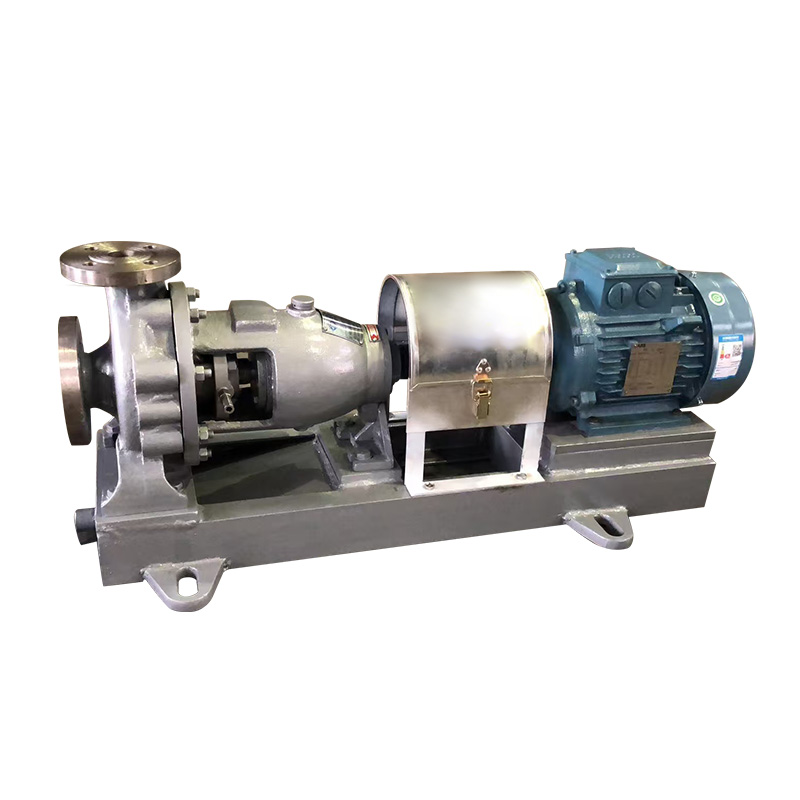
Core API 610 Requirements
- Robust Casing Design: Centerline support casing designs are mandatory to absorb thermal expansion and prevent misalignment during temperature fluctuations.
- Rotordynamic Stability: Strict limits on shaft vibration and runout to minimize mechanical seal wear.
- Pressure Containment: Maximum allowable working pressure (MAWP) ratings that significantly exceed the normal operating pressure.
Material Engineering and Corrosion Resistance
The chemical composition of the fluid being pumped dictates the metallurgy of the equipment. Petrochemical streams often contain hydrogen sulfide (sour service), chlorides, and various acids that induce rapid material degradation. Therefore, the selection of corrosion resistant materials for petrochemical pumps is a critical engineering decision. Standard cast iron is rarely sufficient; instead, engineers rely on austenitic stainless steels, duplex alloys, and nickel-based alloys to combat corrosive attack.
Common Material Applications
| Material Type | Typical Application | Corrosion Resistance |
| Austenitic Stainless Steel (316/316L) | General chemical processing, mild acids | Good resistance to a wide range of organic chemicals |
| Duplex Stainless Steel | Seawater injection, high-chloride environments | Excellent resistance to pitting, stress corrosion cracking |
| Super Alloys (Hastelloy, Titanium) | Highly aggressive acids, high-temp oxidizers | Superior resistance to severe corrosion conditions |
Thermal Management and High-Temperature Capabilities
Processing units often operate at elevated temperatures to maintain fluid viscosity or facilitate chemical reactions. A standard petrochemical process pump must be engineered to mitigate the effects of thermal growth. Without proper management, heat expansion causes shaft misalignment, bearing overload, and seal failure. The high temperature petrochemical process pump utilizes specific design features, such as dual bearing cooling jackets and planar centerline mounting, to keep the shaft centerline constant regardless of temperature.
Furthermore, cooling water systems are often integrated into the seal chambers and bearing housings to dissipate heat generated by fluid friction and mechanical action. In services exceeding 350°C (662°F), specialized high-temperature packing or metal bellows seals are employed to ensure containment integrity.
Hydraulic Design and Mechanical Efficiency
Efficiency is a primary driver for reducing operational expenditure (OPEX). When selecting equipment, engineers must evaluate the hydraulic profile against the system curve. A comparison of centrifugal vs reciprocating petrochemical pump technologies reveals distinct advantages depending on the application. While centrifugal pumps are preferred for high-flow, low-to-medium viscosity applications due to their simplicity and smooth flow, reciprocating pumps are often utilized for high-pressure, low-flow scenarios or for metering applications.
Hydraulic Comparison
td>td>td> td>
| Feature | Centrifugal Pump | Reciprocating Pump |
| Flow Rate | High flow capacity | |
| Pressure Generation | Very High (ideal for injection services) | |
| Viscosity Handling | ||
| Pulsation | Steady, non-pulsating flow | Pulsating flow (requires pulsation dampeners) |
Reliability and Maintenance Protocols
For plant managers, the total cost of ownership is heavily influenced by maintenance intervals. Reliable pumps are designed for ease of service, often referred to as "back-pull-out" designs, which allow the rotating element to be removed without disturbing the suction or discharge piping. Implementing a strategy for heavy duty petrochemical process pump maintenance involves regular monitoring of vibration signatures and bearing temperatures.
Reliability is further enhanced by the inclusion of dual mechanical seals with barrier fluid systems. These systems pressurize the seal chamber above the process pressure, ensuring that lubricating fluid leaks into the process rather than hazardous hydrocarbons leaking into the atmosphere. This feature is critical for meeting volatile organic compound (VOC) emissions regulations.
Conclusion
Identifying the key features of a reliable petrochemical process pump requires a comprehensive evaluation of mechanical design, metallurgical compatibility, and thermal management. From strictly adhering to API 610 petrochemical process pump specifications to selecting the appropriate corrosion resistant materials for petrochemical pumps, every detail contributes to operational safety and efficiency. As a manufacturer committed to engineering excellence, we advocate for a thorough procurement process that prioritizes long-term reliability over initial capital cost. By integrating advanced high temperature petrochemical process pump technologies and establishing rigorous heavy duty petrochemical process pump maintenance schedules, facilities can ensure seamless operations and maximize their return on investment.
Frequently Asked Questions (FAQ)
- Q1: Why is API 610 compliance critical for petrochemical pumps?
A: API 610 ensures the pump is designed for maximum reliability and safety in severe hydrocarbon services. It mandates features like centerline support and heavy-duty bearings to handle the thermal and mechanical stresses found in refineries. - Q2: How do I choose between a centrifugal and reciprocating pump?
A: The choice depends on your flow and pressure requirements. Centrifugal vs reciprocating petrochemical pump selection generally favors centrifugal pumps for high-flow, moderate-pressure applications, while reciprocating pumps are better suited for high-pressure, low-flow, or precise metering needs. - Q3: What materials are best for handling corrosive fluids?
A: The selection depends on the specific chemical composition. Corrosion resistant materials for petrochemical pumps typically include Duplex Stainless Steel for chlorides and Hastelloy for strong acids, often outperforming standard carbon steel or bronze. - Q4: Can standard pumps handle high-temperature oil refining processes?
A: No, standard pumps generally lack the thermal expansion management required. A high temperature petrochemical process pump is engineered with centerline support and specialized cooling jackets to maintain alignment and seal integrity at temperatures often exceeding 350°C. - Q5: What maintenance practices extend the life of these pumps?
A: Key heavy duty petrochemical process pump maintenance practices include regular vibration analysis, monitoring bearing temperatures, ensuring proper alignment, and adhering to seal flush system schedules to prevent premature wear.