English
 русский
 Español
Content
In industrial, agricultural, and municipal applications, selecting a reliable high‑performance submersible pump is critical for operational continuity, energy efficiency, and lifecycle cost control. This article provides an in‑depth technical analysis aimed at B2B procurement specialists, engineers, and distributors, covering performance design, sizing guidelines, maintenance strategies, energy metrics, and common industrial uses.
1. Market Context and Industry Standards
According to the latest report by globally recognized market analysts, the submersible pump market was valued at over USD 14.75 billion in 2024 and is projected to expand significantly over the next decade, driven by water & wastewater management, agriculture, mining, and oil & gas sectors. This growth trend highlights the increasing demand for reliable, energy-efficient pumping solutions. ([globenewswire.com](https://www.globenewswire.com/news-release/2025/07/29/3123383/0/en/Submersible-Pump-Market-to-Hit-USD-23-07-Billion-by-2032-Demand-Driven-by-Rising-Urbanization-Agricultural-Irrigation-Needs-and-Industrial-Water-Management.html?utm_source=chatgpt.com))
Source: Submersible Pump Market Size & Growth
Industry standards form the basis for performance and acceptance testing. The ANSI/HI 11.6‑2022 standard specifies mechanical and electrical performance acceptance tests for rotodynamic submersible pumps, providing uniform test procedures for integrity, data recording, and reporting.
Source: ANSI/HI 11.6‑2022 Standard Overview
2. Design for Efficiency and Longevity
A key aspect of high performance submersible pump design for maximum efficiency and long life lies in material selection, impeller geometry, and seal robustness. High-strength, corrosion-resistant materials such as duplex stainless steels and advanced elastomers improve resistance to abrasive and corrosive environments. Additionally, optimized impeller and volute designs reduce hydraulic losses and increase efficiency.
When comparing generic and engineered high-performance designs:
| Design Attribute | Generic Pump | Engineered High-Performance Pump |
| Material Quality | Standard cast materials | Corrosion-resistant alloys |
| Hydraulic Efficiency | Lower efficiency (<55%) | Higher efficiency (≥65%) |
| Seal and Bearing Life | Moderate | Extended via advanced seals & bearings |
| Service Interval | Frequent | Extended |
- Optimized impellers reduce recirculation and increase flow uniformity;
- Hydraulic interfaces designed to minimize turbulence improve efficiency;
- High-quality mechanical seals and bearing systems reduce wear in submerged conditions.
3. Sizing for Specific Flow and Head Requirements
Proper sizing remains vital for performance. Designing and specifying the right model requires matching expected operating flow rates and head conditions with pump curves and motor capacity. A well-sized pump avoids unnecessary energy consumption and reduces early wear.
Sizing Considerations
- Flow rate (Q) requirements in m³/hr or GPM;
- Total dynamic head (TDH) based on system elevation and losses;
- Matching motor power to prevent overload or underutilization.
| Parameter | Low Demand Scenario | High Demand Scenario |
| Flow Rate | 10–50 m³/hr | 100–300 m³/hr+ |
| Total Head | 10–30 m | 60–120 m+ |
| Motor Power | 5–15 kW | 30–90 kW+ |
Understanding how to size a high performance submersible pump for specific flow and head requirements ensures that the pump operates within its optimal efficiency region, minimizing energy usage and maximising service life.
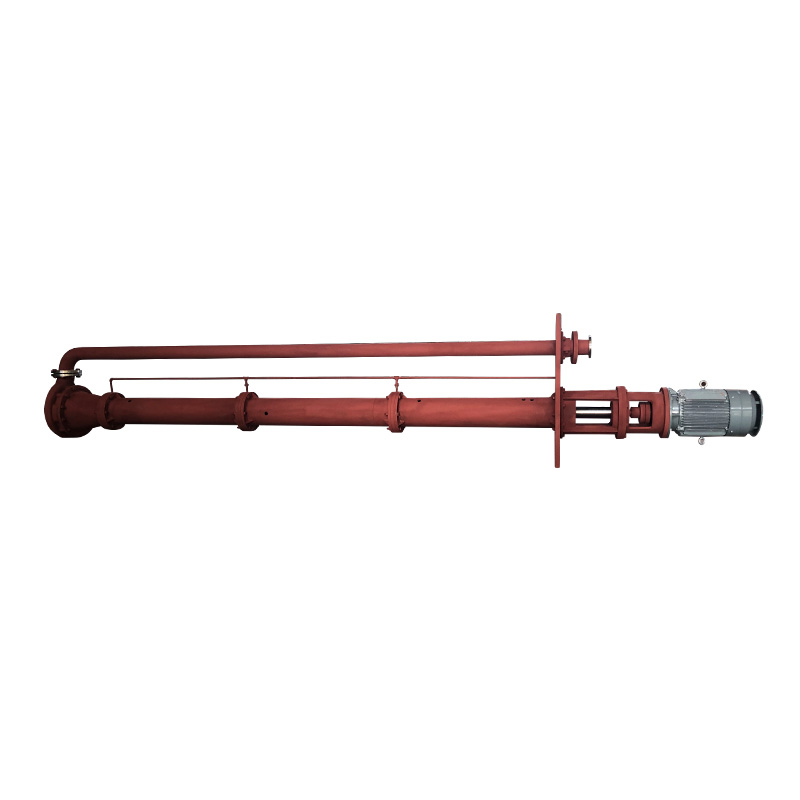
4. Maintenance Strategies for Extended Lifespan
Maintenance heavily influences the long-term reliability of high-performance submersible pumps. Effective strategies include routine inspections, electrical testing, lubrication, and monitoring vibration and temperature. Fault conditions often arise from seal failures, bearing wear, and motor overloads.
| Maintenance Practice | Poor Maintenance | Proactive Maintenance |
| Inspection Frequency | Annual | Quarterly |
| Downtime | High | Low |
| Service Life | Shorter | Longer |
| Unexpected Failures | Frequent | Rare |
Implementing clearly defined inspection procedures, routine impedance checks, and predictive monitoring extends the lifecycle of submersible systems while reducing unplanned outages. Proactive maintenance aligns with best practices for extending the longevity of a high performance submersible pump.
5. Energy Efficiency Considerations
Energy usage represents a significant portion of operating costs for submersible pump systems. Understanding energy performance metrics can lead to substantial operational savings. Variable frequency drives (VFDs), advanced motor designs, and optimized hydraulic profiles contribute to energy efficiency.
| Efficiency Metric | Standard System | Energy Optimised System |
| Electrical Efficiency | ~70–75% | ≥80% |
| Hydraulic Efficiency | ~45–55% | ≥60% |
| Overall System COP | Moderate | High |
6. Common Industrial Applications
High performance submersible pump units serve a wide range of sectors. Their fully submersible design makes them ideal for liquid transfer in deep wells, flood dewatering, wastewater treatment, and industrial fluid handling.
| Application | Operational Demands | Typical Pump Focus |
| Water & Wastewater | High reliability and continuous duty | Corrosion-resistant, efficient seals |
| Agriculture Irrigation | Variable flow and head | Efficient hydraulic design |
| Mining Dewatering | Abrasive fluid handling | Reinforced materials |
| Oil & Gas Artificial Lift | High pressure and depth | High head capability |
Conclusion
Reliable high performance submersible pump solutions require careful consideration of design efficiency, proper sizing, proactive maintenance, energy efficiency, and application fit. By aligning procurement specifications with industry standards and performance benchmarks, organizations can achieve cost-effective, durable, and high-performing pumping systems.
FAQ
-
Q1: What materials improve durability in submersible pump design?
A1: Materials such as duplex stainless steel, high-grade alloys, and advanced elastomers improve resistance to corrosion, abrasion, and chemical exposure, enhancing service life and reducing maintenance frequency.
-
Q2: How do you calculate the optimal pump size for a given flow and head?
A2: Calculate the total dynamic head (TDH) and expected flow rate, then match with the pump curve and motor power. Consider efficiency, system losses, and safety margins to select a model that operates near its best efficiency point (BEP).
-
Q3: What maintenance practices most extend pump life?
A3: Regular inspection, seal replacement, bearing lubrication, vibration monitoring, and routine electrical testing minimize wear and prevent unexpected failures, extending the operational life of high-performance submersible pumps.
-
Q4: How do energy efficiency metrics affect long-term operating costs?
A4: Higher electrical and hydraulic efficiency reduces energy consumption, leading to lower operating costs and improved sustainability. Implementing VFDs and optimized impeller designs further enhances efficiency.
-
Q5: Which industrial sectors benefit most from high-performance submersible pumps?
A5: Water & wastewater management, agriculture irrigation, mining dewatering, and oil & gas sectors benefit from high-performance submersible pumps due to their ability to handle variable flow, depth, and fluid conditions efficiently.