English
 русский
 Español
Content
- 1 Analyzing System Requirements and Fluid Dynamics
- 2
- 3 Application-Specific Selection Criteria
- 4 Material Science and Sealing Options
- 5 Operational Sustainability and Maintenance Planning
- 6 FAQ
- 6.1 How do I read a Flowmore performance curve correctly?
- 6.2 What are the primary causes of vibration in horizontal pumps?
- 6.3 When should I choose a horizontal pump over a vertical pump?
- 6.4 How often should mechanical seals be replaced?
- 6.5 Why is material selection so critical in the "Huanning" series?
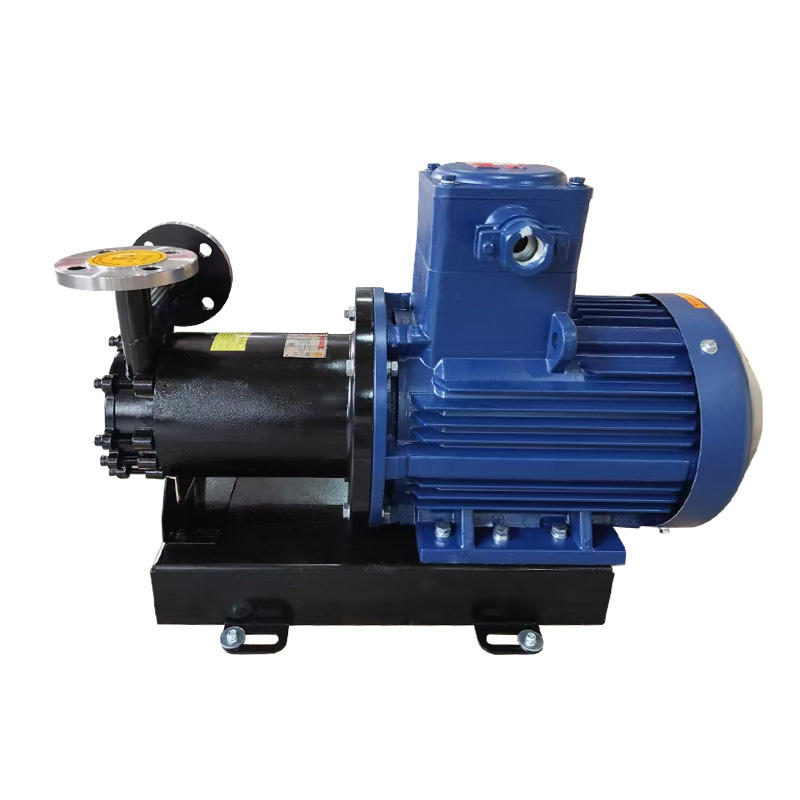
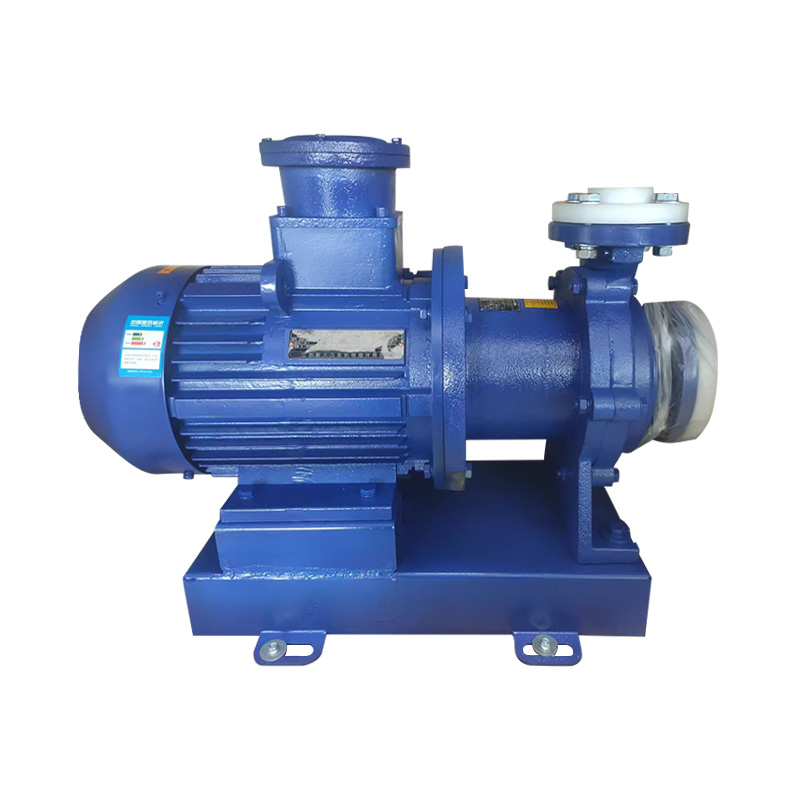
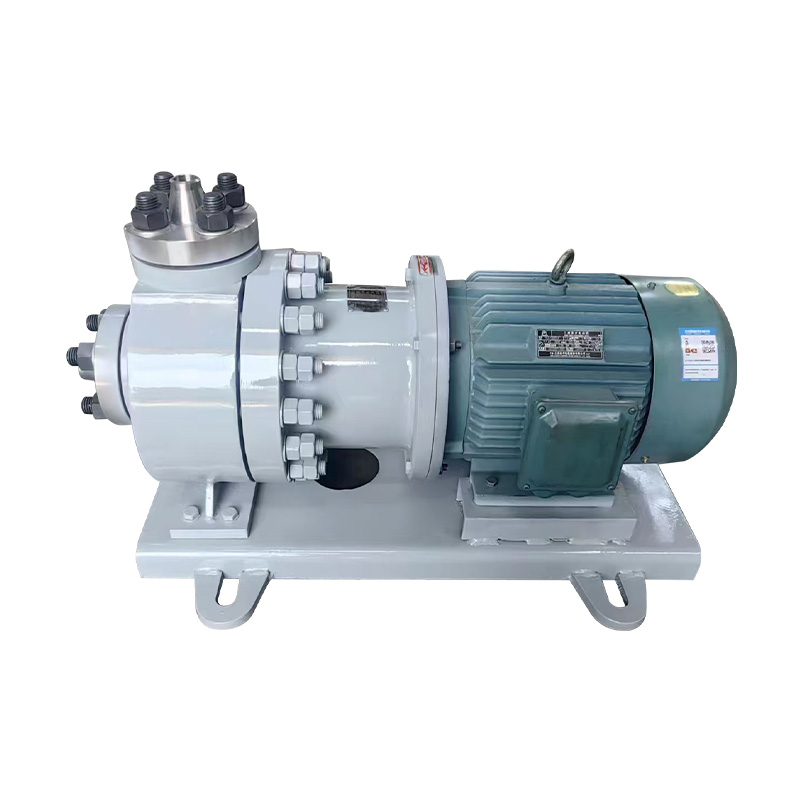
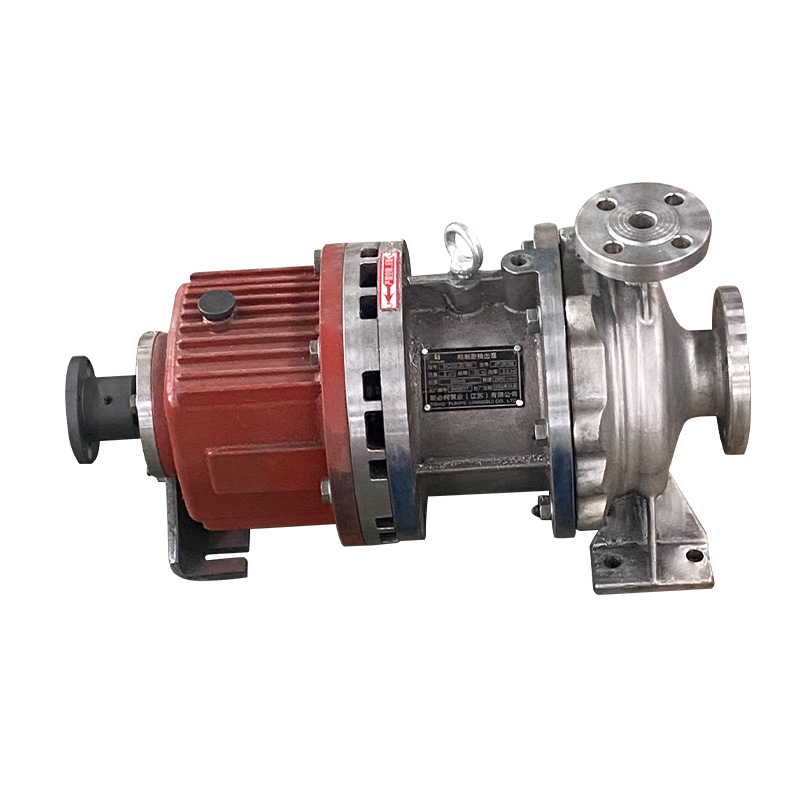
Selecting high-performance pumping equipment requires a deep understanding of fluid mechanics and material compatibility. The flowmore horizontal pump is a staple in industrial fluid transportation, valued for its accessibility and robust centrifugal design. At Jiangsu Huanyu Chemical New Materials Co., Ltd., founded in 1987, we leverage decades of expertise in investment casting and cold/hot processing to manufacture over 300 specifications of chemical pumps. Our "Huanning" brand utilizes advanced alloys like Titanium and Hastelloy to ensure reliability in the most demanding sectors, including petroleum and metallurgy. For B2B procurement managers, the selection process is not merely about mechanical fit but about optimizing for the specific hydraulic duty point to ensure long-term operational stability.
Analyzing System Requirements and Fluid Dynamics
The foundation of pump selection rests on the calculation of the duty point, where the pump’s performance meets the system's resistance. Engineers must conduct a precise flowmore horizontal pump performance curve and head calculation to ensure the motor operates within its Best Efficiency Point (BEP). Operating too far to the left or right of the BEP leads to excessive radial loads and thermal instability. Furthermore, fluid properties such as viscosity and temperature significantly alter the required power; for instance, high-viscosity media in chemical processing require a derating of the standard water-based performance curves to prevent motor overload.
| Operational Factor | Standard Water Transfer | Chemical/Viscous Media |
| Power Requirement | Nominal based on density 1.0 | Higher (requires specific gravity correction) |
| Impeller Design | Enclosed (high efficiency) | Open or Semi-open (prevents clogging) |
| Seal Selection | Standard Gland Packing | Mechanical Seal (Double or Tandem) |
Application-Specific Selection Criteria
According to the latest 2024 Global Industrial Pump Market Outlook by the International Energy Agency (IEA), energy-related CO2 emissions in the industrial sector are increasingly being mitigated through high-efficiency motor-driven systems, with a projected 15 percent improvement in pumping system efficiency by 2030. This makes choosing an energy efficient flowmore horizontal pump for water treatment a strategic priority for municipal facilities aiming to reduce carbon footprints. Conversely, in the extractive industries, the focus shifts toward durability; calculating a heavy duty flowmore horizontal pump price for mining operations must account for the high cost of abrasive wear, necessitating the use of hardened alloys like 2205 or 2507 Duplex stainless steel provided by specialized manufacturers like Jiangsu Huanyu Chemical New Materials Co., Ltd.
Source: IEA: World Energy Outlook 2024 - Industrial Energy Efficiency
NPSH and Cavitation Prevention
- NPSHa (Available) must always exceed NPSHr (Required) by at least 0.5 to 1.0 meters.
- Inlet pipe diameter should be at least one size larger than the pump suction flange.
- Minimize elbows and valves near the suction inlet to maintain laminar flow.
Material Science and Sealing Options
Material integrity is the primary defense against corrosion and erosion. While cast iron may suffice for neutral fluids, chemical pipeline transportation requires alloys such as 316L, 904, or Titanium. Sealing technology has also evolved; traditional packing is being replaced by sophisticated mechanical seals to meet 2025 environmental leakage standards. When specifying a new unit, ensuring a flowmore horizontal pump spare parts and seal replacement kit is available in the local inventory is essential for minimizing MTTR (Mean Time To Repair). Jiangsu Huanyu Chemical New Materials Co., Ltd. provides OEM/ODM services, allowing for custom metallurgy tailored to specific pH levels and chloride concentrations.
| Seal Type | Gland Packing | Mechanical Seal |
| Leakage Rate | Controlled drip required for cooling | Zero visible leakage |
| Maintenance Frequency | High (frequent adjustment) | Low (until end of life) |
| Initial Cost | Low | Moderate to High |
Operational Sustainability and Maintenance Planning
A proactive maintenance strategy is the key to achieving the lowest Total Cost of Ownership (TCO). Following a comprehensive flowmore horizontal pump maintenance guide for industrial plants allows operators to transition from reactive to predictive maintenance. This involves regular vibration analysis and temperature monitoring of the bearing housing. With international exports to Russia, Tanzania, and Thailand, our engineering team emphasizes that the heavy duty flowmore horizontal pump price for mining operations is offset by the longevity and reduced downtime provided by high-grade alloy investment casting and precision balancing of the rotating assembly.
- Alignment checks: Laser alignment should be performed post-installation.
- Lubrication: Follow the specific grease/oil schedule based on RPM and ambient heat.
- Impeller Inspection: Check for pitting or erosion during annual shutdowns.
FAQ
How do I read a Flowmore performance curve correctly?
The performance curve plots Head (m) against Flow (m3/h). To select a model, find your required flow and head intersection. Ensure this point lies within the middle third of the curve, known as the Preferred Operating Region (POR). Operating too close to the "shut-off" head or the "run-out" end of the curve will cause vibration and premature bearing failure.
What are the primary causes of vibration in horizontal pumps?
Vibration is usually caused by shaft misalignment, unbalanced impellers, or cavitation. In chemical transportation, it can also stem from "gas binding" if the fluid contains entrained air. Regular use of a flowmore horizontal pump maintenance guide for industrial plants helps in identifying these issues through vibration frequency analysis before they lead to catastrophic shaft breakage.
When should I choose a horizontal pump over a vertical pump?
Horizontal pumps are preferred when suction pressure is sufficient and floor space is available, as they are easier to maintain due to accessible bearings and seals. Vertical pumps are typically reserved for deep sump applications or where space is severely restricted. For most water treatment and chemical processing plants, an energy efficient flowmore horizontal pump for water treatment offers better ROI due to lower installation costs.
How often should mechanical seals be replaced?
Mechanical seal life varies based on the medium. In clean water, they can last 2-3 years. In abrasive or crystallizing fluids, life may be shorter. It is a best practice to keep a flowmore horizontal pump spare parts and seal replacement kit on-site to ensure immediate replacement during scheduled inspections or upon the first sign of leakage.
Why is material selection so critical in the "Huanning" series?
Because we serve sectors like metallurgy and chemical fiber, our use of CD4, Hastelloy, and 2507 alloys is essential to resist intergranular corrosion. The correct metallurgy ensures that the flowmore horizontal pump maintains its hydraulic efficiency throughout its service life, preventing the internal "washout" of the casing and impeller vanes.