English
 русский
 Español
Content
- 1 The Structural Difference Between Horizontal and Vertical Centrifugal Pumps
- 2 Installation Footprint and Floor Space
- 3 NPSH and Hydraulic Performance in Horizontal vs Vertical Pumps
- 4 Maintenance and Lifecycle Cost Comparison
- 5 How to Select Between Horizontal and Vertical Centrifugal Pumps
- 6 Frequently Asked Questions
Two engineers stand in a chemical plant with the same process spec: 120 m3/h of 30% sulfuric acid at 20 m head. One returns with a horizontal pump on a floor baseplate. The other specifies a vertical pump hanging inside a tank. Both move liquid, but their installation footprints, startup reliability, and maintenance costs diverge sharply. The difference between horizontal and vertical centrifugal pumps is not a matter of personal preference — it is a decision about how your plant will use floor space, avoid cavitation, and pay for future repairs.
At the most basic level, a vertical submersible pump can be dropped into a pit, while a horizontal pump is bolted to a skid. That simple geometric choice affects the pump's net positive suction head (NPSH), its seal configuration, and the way you will open it for service.
The Structural Difference Between Horizontal and Vertical Centrifugal Pumps
Start with the shaft axis. A horizontal centrifugal pump has a shaft parallel to the ground and an impeller that sits in a volute casing supported by a baseplate. The liquid enters through a suction nozzle on one side and exits through a discharge nozzle on the top. A vertical centrifugal pump has a shaft perpendicular to the ground. In many designs, the impeller and the lower bearing set are submerged in the liquid, while the motor stays above the mounting flange.
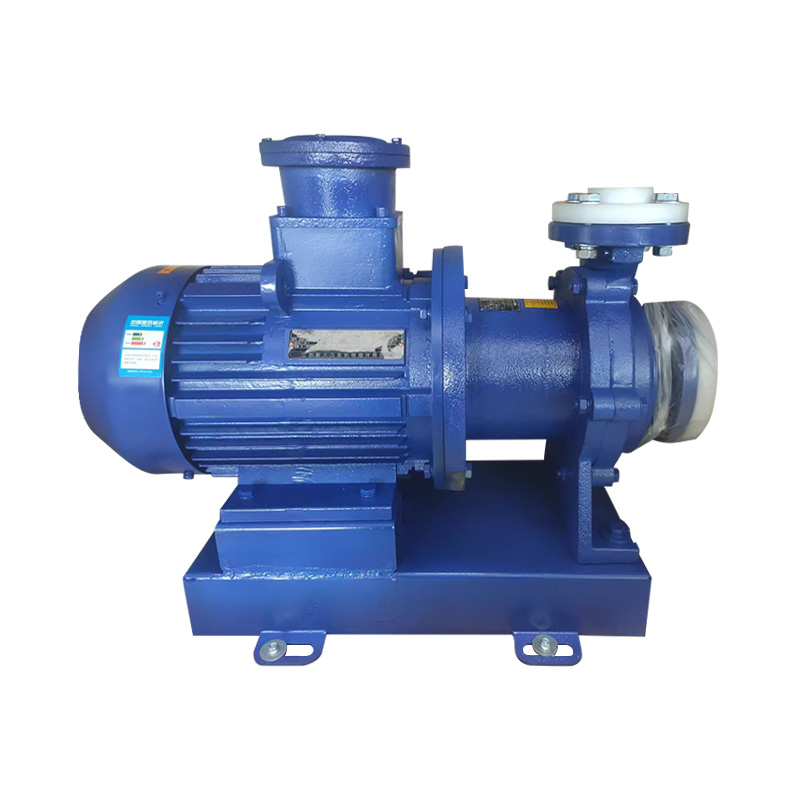
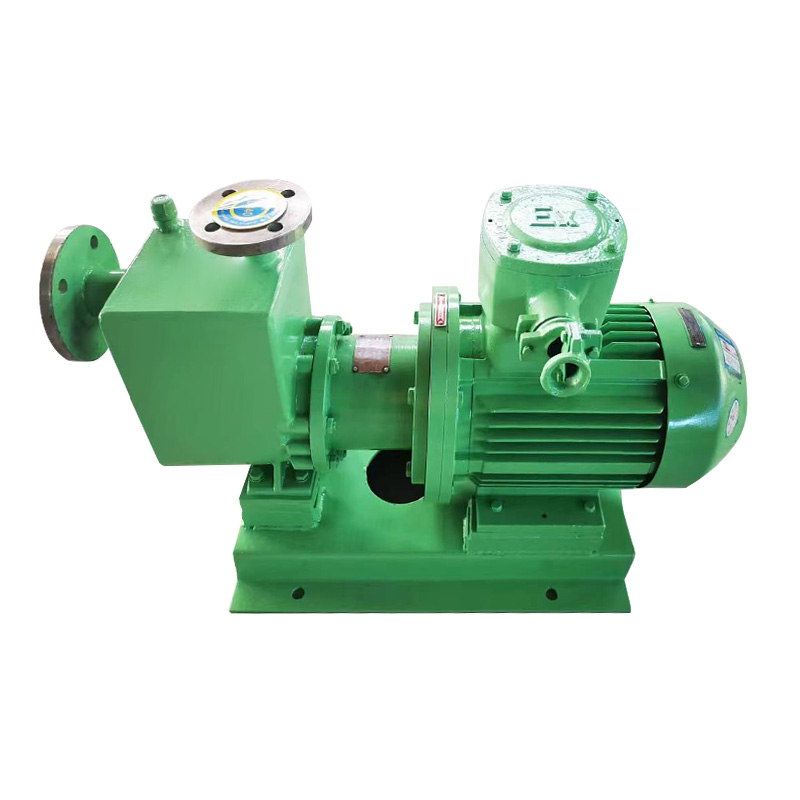
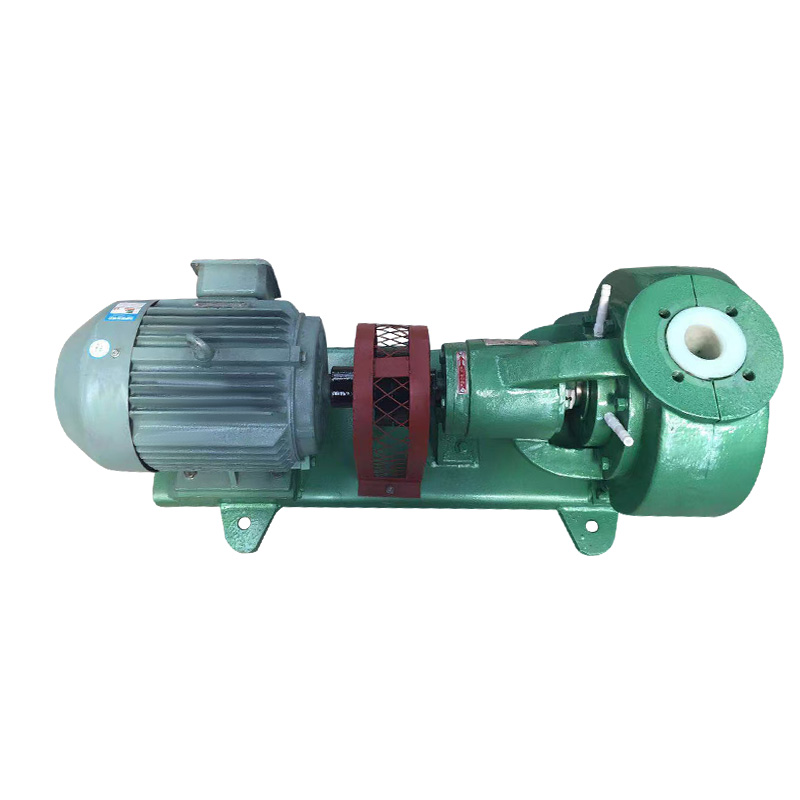
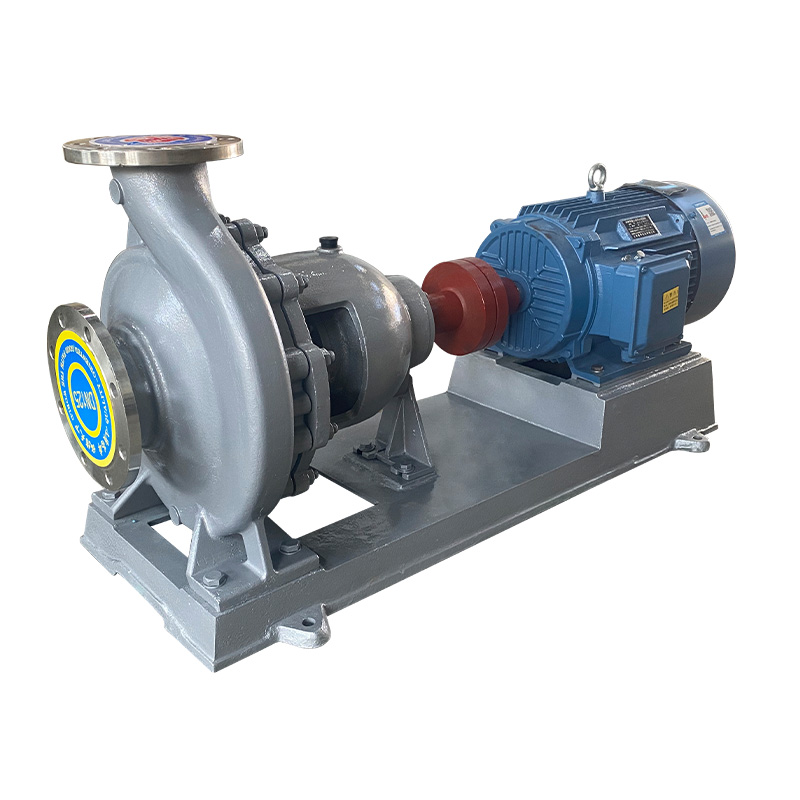 IH Single-Stage Single-Suction Corrosion-Resistant Centrifugal PumpDesigned to ISO2858, this horizontal pump handles corrosive liquids without solids up to 105°C. Its broad specification range and efficiency make it a strong fit for chemical and petrochemical services.View Product →
This orientation alone determines how the pump starts. A horizontal pump in an industrial setting normally requires a flooded suction or a priming system to expel air from the casing before startup. A vertical pump with a submerged impeller is self-priming by design, because the liquid is already present around the impeller when the motor starts. For a transfer service with poor suction conditions, that difference is often the deciding factor.
Installation Footprint and Floor Space
If floor area is scarce, the vertical pump wins before you even look at a performance curve. A horizontal pump needs a baseplate expansion area, space for the suction piping to make a straight run, and room on the side for a mechanic to swing a bearing housing. A vertical pump hangs directly on the tank lip or a support bracket, so it adds no floor footprint at all.
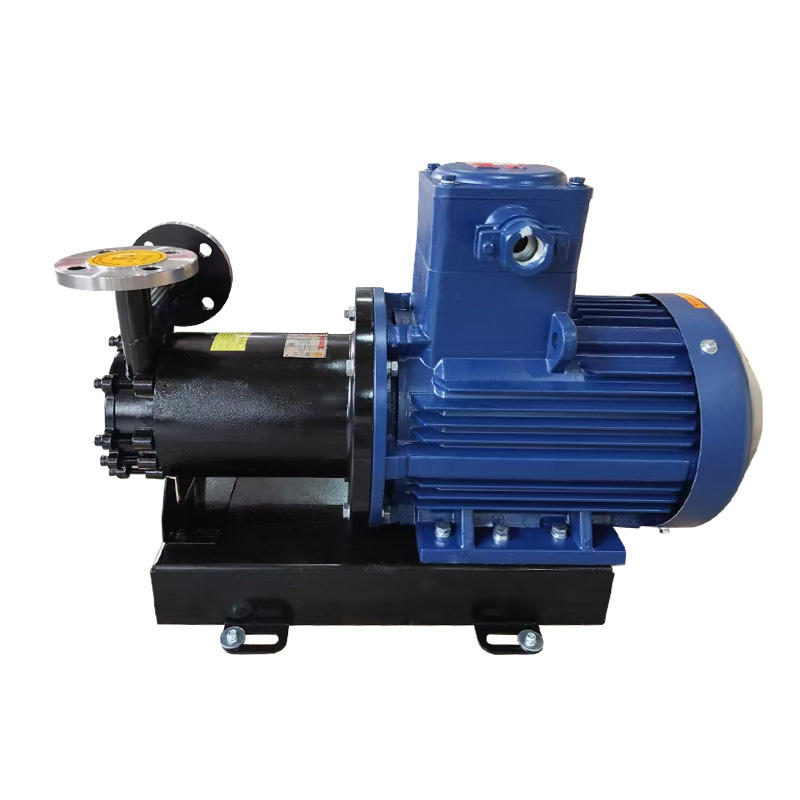
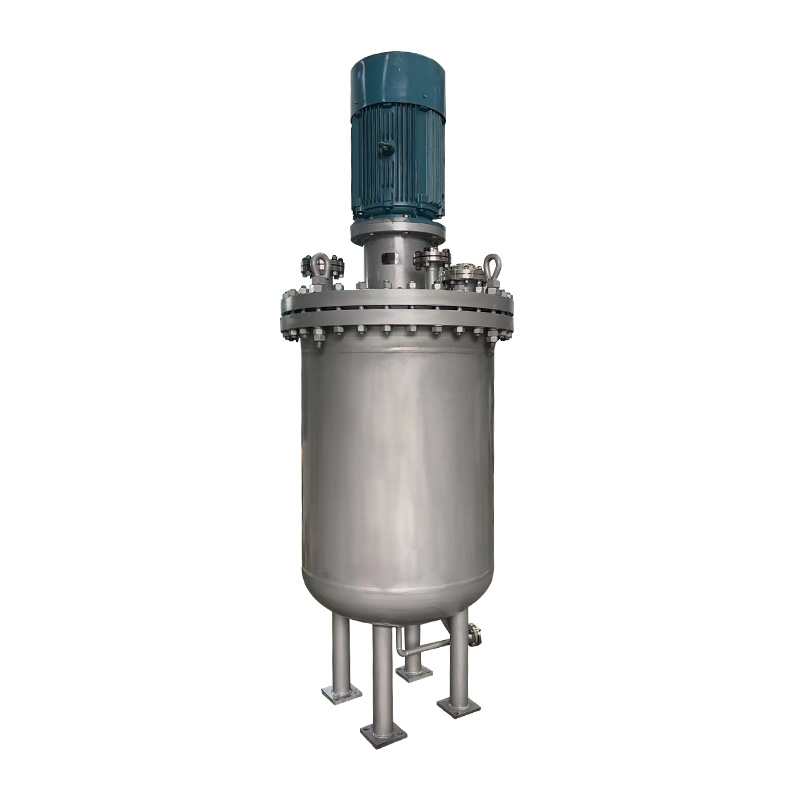
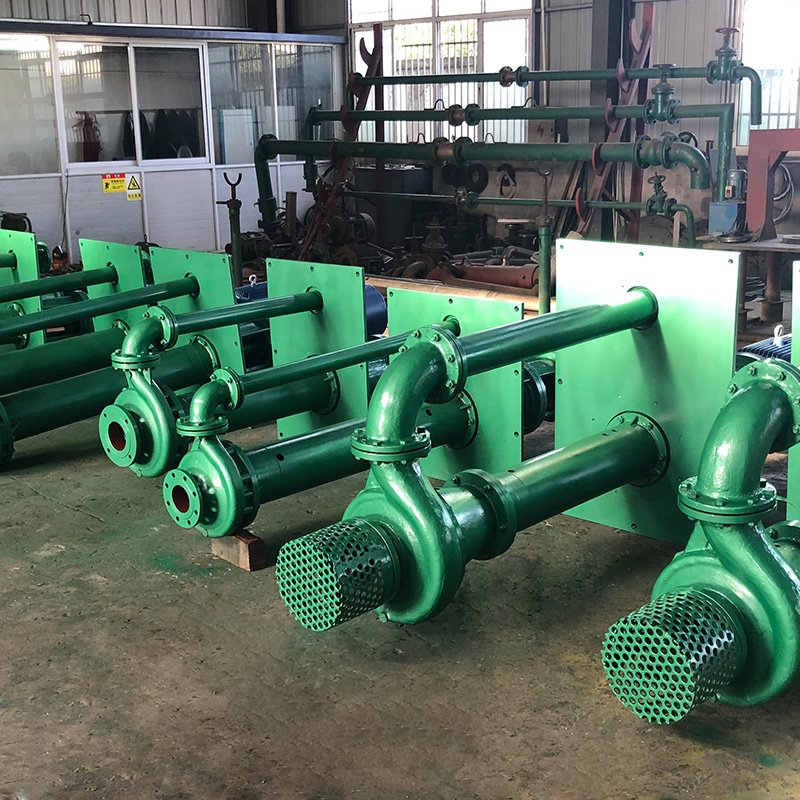 FY Vertical Long-Shaft Submersible Pump for Corrosive LiquidsThis vertical submersible pump saves floor space and simplifies installation in existing sumps. It follows ISO2858 and ISO5199, handles temperatures from -20°C to 180°C, and suits corrosive media without abrasive solids.View Product →
In our experience, replacing a horizontal pump with a vertical long-shaft pump in an existing dike bay can free up 60% of the pump cell floor area. That square footage is often enough to move a dosing skid or a secondary containment vessel into the same enclosure.
A vertical pump saves at least 60% of the floor area of a horizontal pump set, but it requires 2-3 m of overhead pull clearance for maintenance.
Vertical pumps do impose a cost: they need clearance above the mounting flange to pull the rotating element, and they often require a higher lifting eye on a hoist. For indoor pump rooms with a low ceiling, that overhead height can be a constraint.
NPSH and Hydraulic Performance in Horizontal vs Vertical Pumps
Horizontal pumps are reliable when the suction supply is above the pump centerline, but they become vulnerable to cavitation when the liquid source is below the pump. Every meter of suction lift reduces the available NPSH by roughly 10 kPa for water-like liquids. Vertical pumps eliminate that loss by keeping the impeller submerged, which means their available NPSH starts from the liquid surface pressure rather than the pump's elevation.
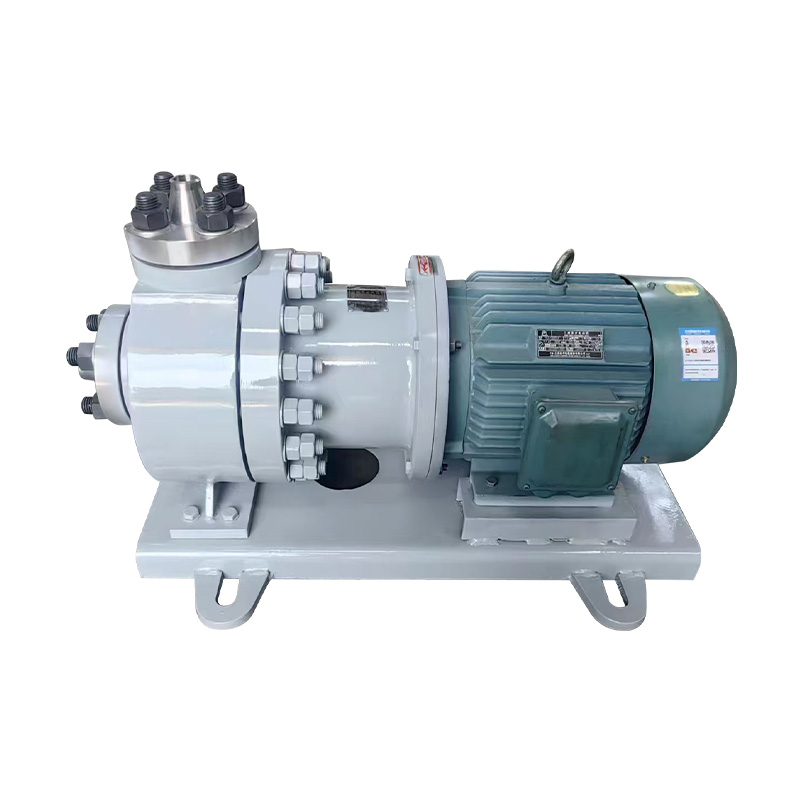
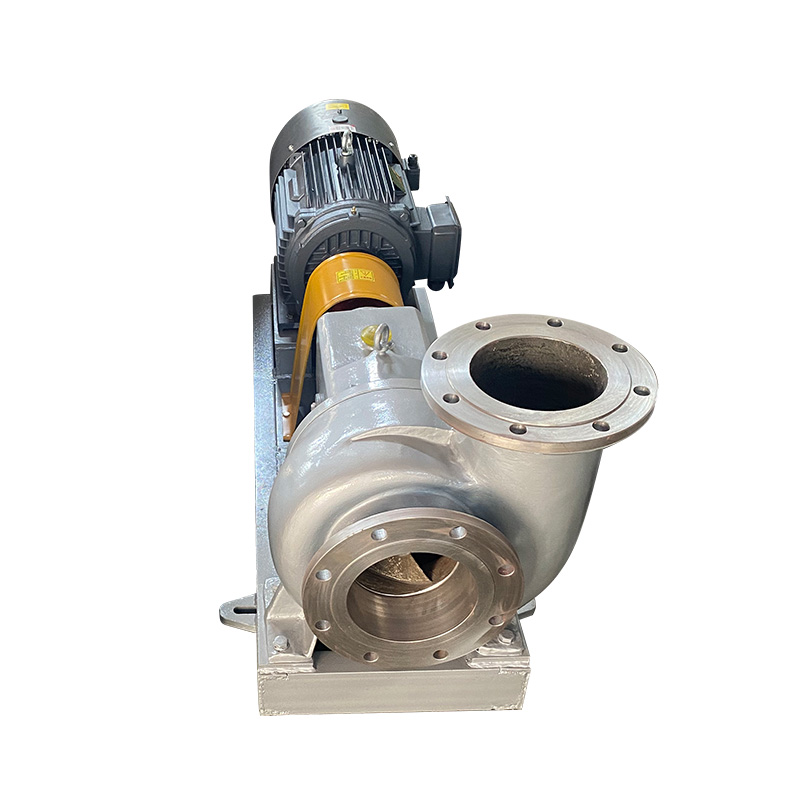
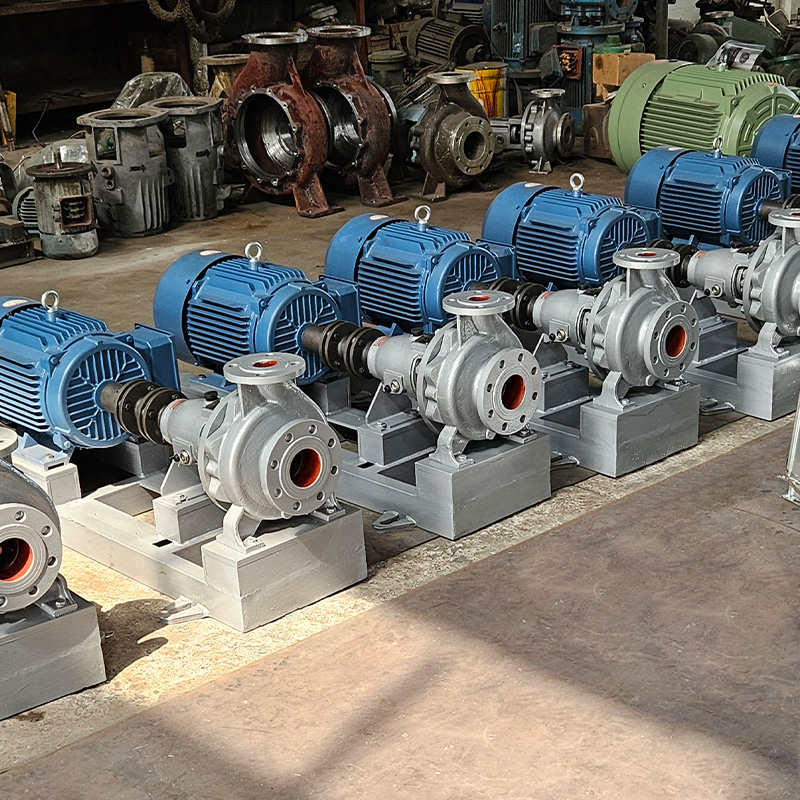 CZ Horizontal Chemical Pump with Enhanced Efficiency and Cavitation PerformanceConforming to DIN 24256 and ISO2858, this horizontal pump offers improved efficiency and NPSH over IH models. It handles clean or slightly contaminated liquids across a wide temperature range, making it versatile for chemical processes.View Product →
For a hot or volatile chemical, this difference is critical. Consider 60 C to 80 C sulfuric acid service. A horizontal pump on a sump floor may need a large drop pipe and a pre-prime vessel just to satisfy NPSH. A vertical pump in the same sump can often use a smaller motor because the suction side is already positive.
When a pump buyer asks us about a vertical pump for a corrosive system, the first question is not about efficiency. It is about the net positive suction head available at the plant. Once that number is below the pump's required NPSH, the horizontal configuration becomes a maintenance liability.
Maintenance and Lifecycle Cost Comparison
Maintenance access is where the horizontal pump fights back. A horizontal pump's shaft, bearings, and mechanical seal are all accessible from the sides and the top. A technician can remove the bearing end cover, pull the shaft, and inspect the seal without rigging a full-height hoist. A vertical long-shaft pump typically requires lifting the entire rotating element out of the tank, which means unbolting the mounting plate and using a dedicated crane or winch.
Horizontal pump repair profile
- Clean access from three sides
- Low lifting height for cartridge seal change
- Easy alignment check with dial indicators
- Drain path often needs a dry pit or grade
Vertical pump repair profile
- Full unit extraction for seal inspection
- Overhead clearance must allow a 2-3 m pull
- Longer downtime for impeller inspection
- Floor behind the tank stays free
Seal life is often the deciding cost factor: horizontal pumps expose the seal to liquid pressure at the bottom; vertical pumps locate the seal near the top, away from immersed debris.
The sealing arrangement also differs. A vertical pump's mechanical seal sits near the top of the shaft, which places it in a less aggressive environment than a horizontal pump's seal buried in the lower bearing housing. That can substantially increase seal life, provided the pump is not running dry.
How to Select Between Horizontal and Vertical Centrifugal Pumps
Use a short selection table before you order. Match the pump orientation to your site constraints and your process chemistry.
| Decision factor | Horizontal centrifugal pump | Vertical centrifugal pump |
| Space available | Needs baseplate area, suction and discharge piping clearance | Fits directly on tank, no baseplate floor footprint |
| Suction condition | Needs flooded suction above pump centerline | Submerged impeller handles low NPSH |
| Corrosive liquid | Chemical-resistant lining possible, but tank pits may need more excavation | Pump body can be fully submerged, protecting the casing from vapor phase |
| Maintenance | Easier component access for horizontal pumps | Full rotating element removal required |
| Typical applications | Transfer, circulation, dosing from a tank farm | Pit, tank, and sump service in process units |
60%
floor space reduction
0 m
suction lift required
2-3 m
typical pull clearance
For a new pump purchase, the shortest path to a reliable spec is to define your NPSH margin first, then choose the orientation that fits your maintenance strategy.
For a new chemical plant, a practical approach is to shortlist horizontal pumps for aboveground transfer services and vertical pumps for sumps, pits, and low-level storage. Buy a horizontal pump when your tank is already above grade and operators need quick access to the seal. Buy a vertical pump when you are inside a dike, handling corrosive chemicals, or trying to keep every square meter of floor available.
Frequently Asked Questions
Can a vertical centrifugal pump replace any horizontal pump?
No. Vertical pumps cannot typically handle high-flow, large-diameter transfer lines with very low suction pressure from an overhead tank, and they may require more headroom for maintenance. Horizontal pumps remain the standard for many aboveground, high-flow services.
Which pump type is better for corrosive chemicals?
A vertical pump can be more suitable for highly corrosive fluids because the casing can remain submerged, reducing vapor-phase attack. However, the wetted parts must still match the media, and a fluoroplastic-lined horizontal pump can also be an excellent choice.
Is a horizontal centrifugal pump cheaper to maintain?
Usually yes for standard bearing and seal access, since a mechanic can reach the component without lifting the full rotating element. Vertical pumps often require a crane or hoist, which can add labor cost per repair event.
Why do vertical pumps start without priming?
Because the impeller is already submerged in the liquid, there is no need to draw liquid up a suction pipe. The pump only needs to overcome friction and lift the liquid through the discharge.
In every case, match the pump orientation to your actual NPSH, available headroom, and the way your maintenance crew will work.