English
 русский
 Español
Content
- 1 Magnetic Coupling and Seal-Less Design Analysis
- 2 Material Selection and Chemical Compatibility
- 3 Flow Rate Optimization and Hydraulic Efficiency
- 4 Corrosion Resistance and Surface Finish
- 5 Temperature and Viscosity Management
- 6 Maintenance and Operational Reliability
- 7 Comparative Analysis: Magnetic vs Mechanically Sealed Pumps
- 8 Industry Standards and Compliance
- 9 FAQ
- 10 Technical References
Magnetic Coupling and Seal-Less Design Analysis
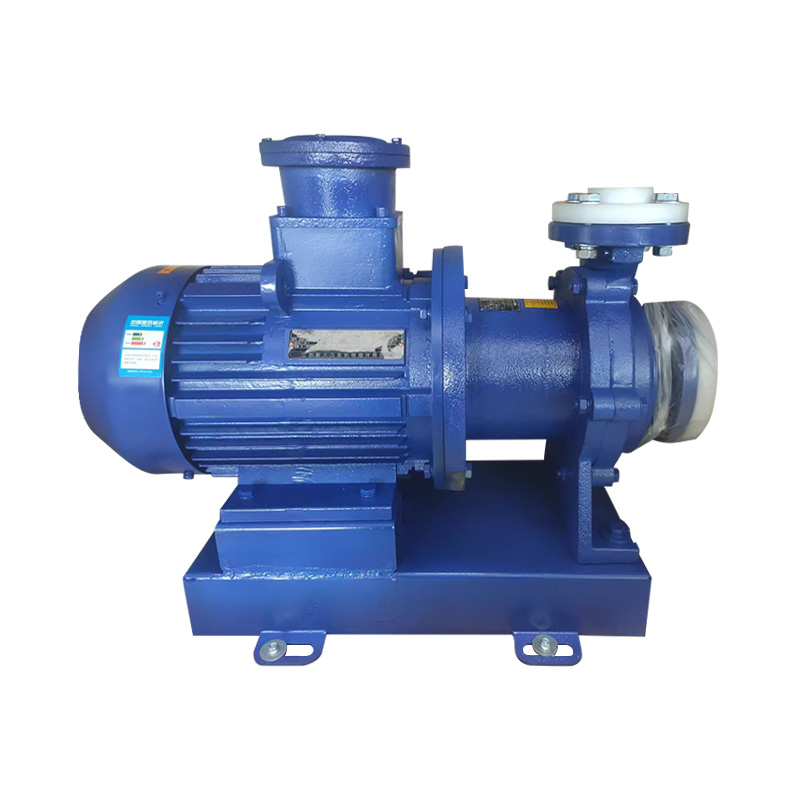
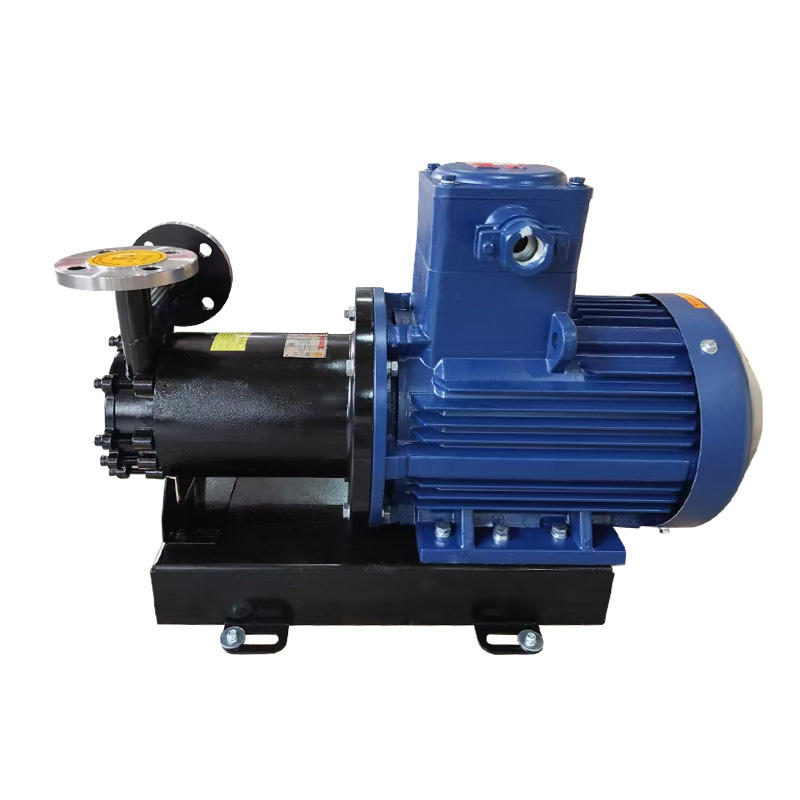
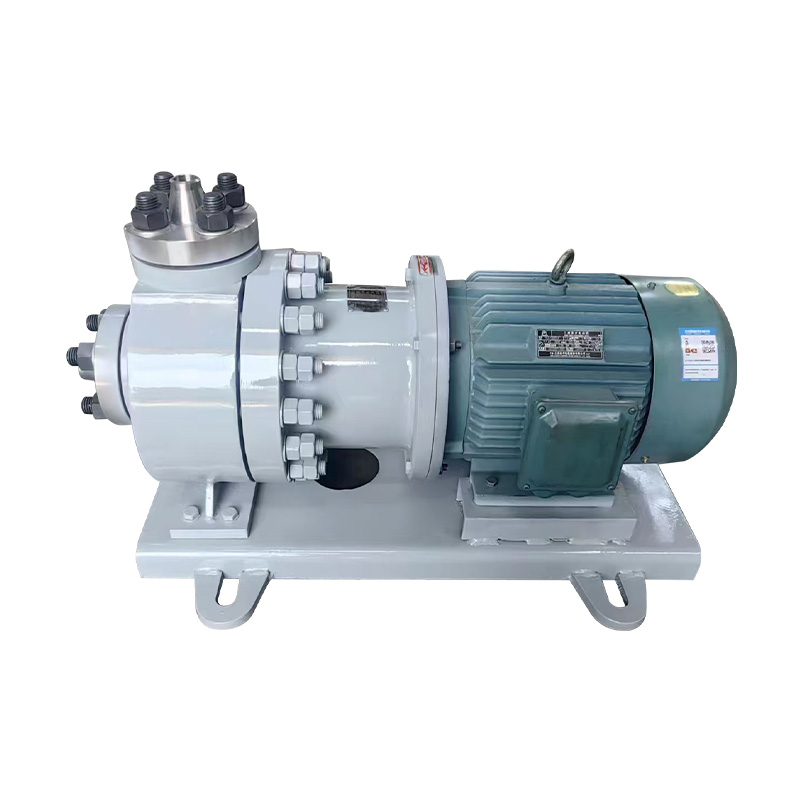
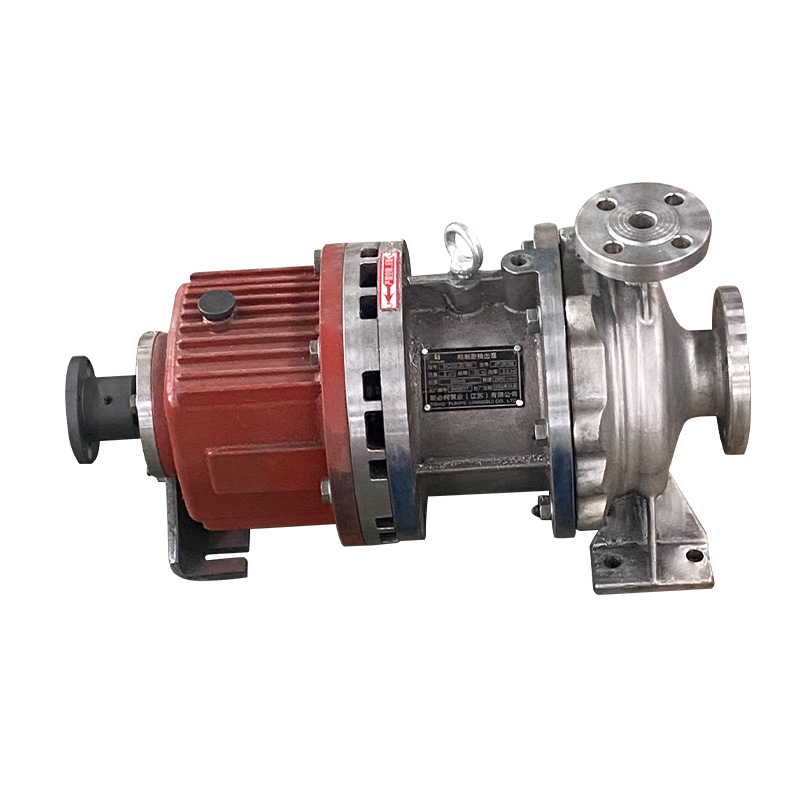
- The Chemical Magnetic Drive Pump eliminates traditional shaft seals, preventing leakages in corrosive fluids.
- Magnetic coupling torque: up to 120 Nm for medium-size units, ensuring transmission efficiency without mechanical contact.
- Long-tail keyword: How does a magnetic drive pump maintain leak-free operation?
Material Selection and Chemical Compatibility
- Constructed from PTFE, Hastelloy C, and 316L stainless steel for corrosion resistance in strong acids and alkalis.
- Operating temperature range: -20°C to 180°C depending on housing material.
- Long-tail keyword: Which materials are optimal for a chemical magnetic drive pump to handle aggressive chemicals?
Flow Rate Optimization and Hydraulic Efficiency
- Flow rates: 0.5–120 m³/h; differential head: 10–50 m depending on impeller diameter and fluid viscosity.
- Hydraulic efficiency: 60–75% measured via ISO 5199 standard for centrifugal pump performance.
- Long-tail keyword: How can flow rate and efficiency be optimized in a chemical magnetic drive pump? link example
Corrosion Resistance and Surface Finish
- Internal surfaces Ra < 0.8 µm minimize corrosion initiation points and facilitate cleaning.
- Electropolishing of stainless steel components extends operational life in harsh chemical environments.
- Long-tail keyword: Why corrosion resistance is critical for chemical magnetic drive pumps?
Temperature and Viscosity Management
- Viscosity range: 1–500 cP for standard units; high viscosity units up to 2000 cP require impeller adjustments.
- Thermal monitoring ensures pump components operate below material limits to prevent magnet demagnetization.
- Long-tail keyword: What temperature and viscosity limits apply to chemical magnetic drive pumps?
Maintenance and Operational Reliability
- Seal-less design reduces downtime; magnetic couplings require inspection for misalignment every 6 months.
- Long-tail keyword: What are the common maintenance challenges for a chemical magnetic drive pump?
Comparative Analysis: Magnetic vs Mechanically Sealed Pumps
- Leak risk, maintenance frequency, and chemical compatibility are key differentiators.
| Pump Type | Leak Risk | Maintenance Frequency | Chemical Compatibility |
| Magnetic Drive Pump | Minimal | Low | High |
| Mechanical Seal Pump | Moderate–High | Medium–High | Medium |
Industry Standards and Compliance
- ISO 2858 and ISO 5199 applied for pump performance testing.
- ASTM B574 for non-magnetic alloy verification of impellers and housings.
- Long-tail keyword: Which standards govern chemical magnetic drive pump performance?
FAQ
Q1: Can the pump handle highly oxidizing acids?
A: Yes, with PTFE or Hastelloy C components, compatible with strong oxidizers under specified temperature limits.
Q2: What is the maximum operating pressure?
A: Typically up to 16 bar; high-pressure units can reach 25 bar depending on housing and coupling design.
Q3: How often should the magnetic coupling be inspected?
A: Every 6 months or after 5000 operational hours, whichever occurs first.
Q4: Can the pump run dry without damage?
A: No, dry running can overheat the magnets and cause failure; optional dry-run sensors recommended.
Q5: Are magnetic drive pumps suitable for viscous chemicals?
A: Yes, within viscosity limits of 500 cP for standard units; high-viscosity variants are available.
Technical References
ISO 2858 – Centrifugal Pumps: Design and Performance
ISO 5199 – Technical Specifications for Centrifugal Pumps
ASTM B574 – Non-Magnetic Alloy Standards for Pump Components