English
 русский
 Español
Content
In the complex and safety-critical world of industrial fluid handling, the choice of pumping technology is not merely a matter of moving liquids from point A to point B; it is a decision that impacts environmental safety, operational efficiency, and long-term cost savings. The Chemical Magnetic Drive Pump has emerged as a superior alternative to traditional mechanical seal pumps, particularly in applications involving hazardous, corrosive, or volatile fluids. Unlike standard centrifugal pumps that rely on a mechanical seal to contain the fluid—a seal which is a common point of failure leading to leaks and emissions—magnetic drive pumps utilize a clever magnetic coupling to transmit torque through a containment shell, effectively eliminating the need for a dynamic seal. This innovative design ensures a hermetically sealed pump, preventing leakage of dangerous chemicals into the atmosphere. As industries face increasingly stringent environmental regulations and a growing emphasis on workplace safety, the adoption of seal-less pumping technology is becoming not just a preference but a necessity. By integrating advanced magnet technology with robust metallurgy, these pumps offer a reliable solution that minimizes downtime and maintenance costs associated with seal replacements.
Understanding the Chemical Magnetic Drive Pump
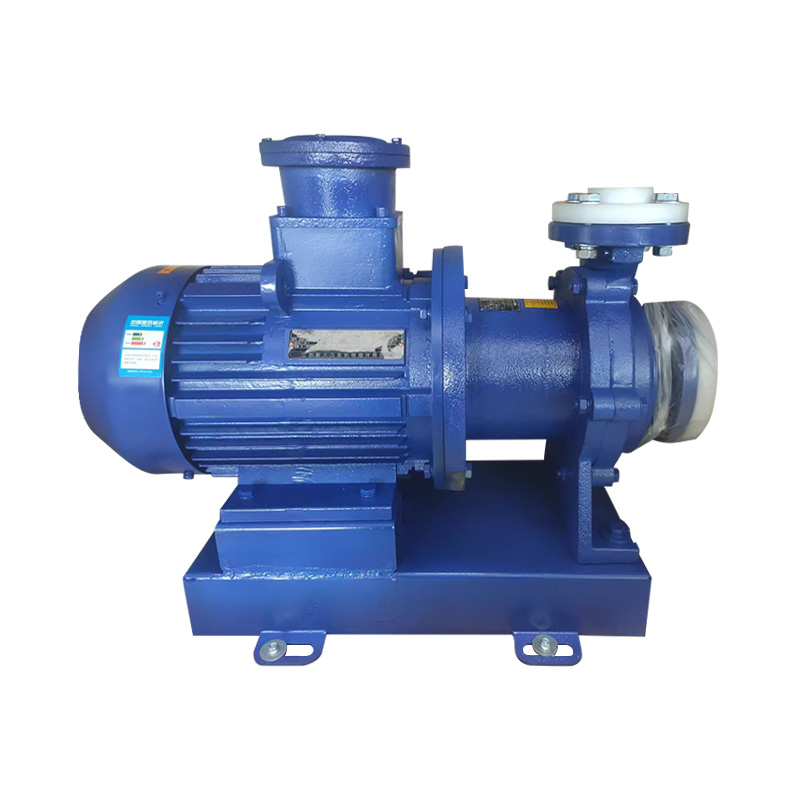
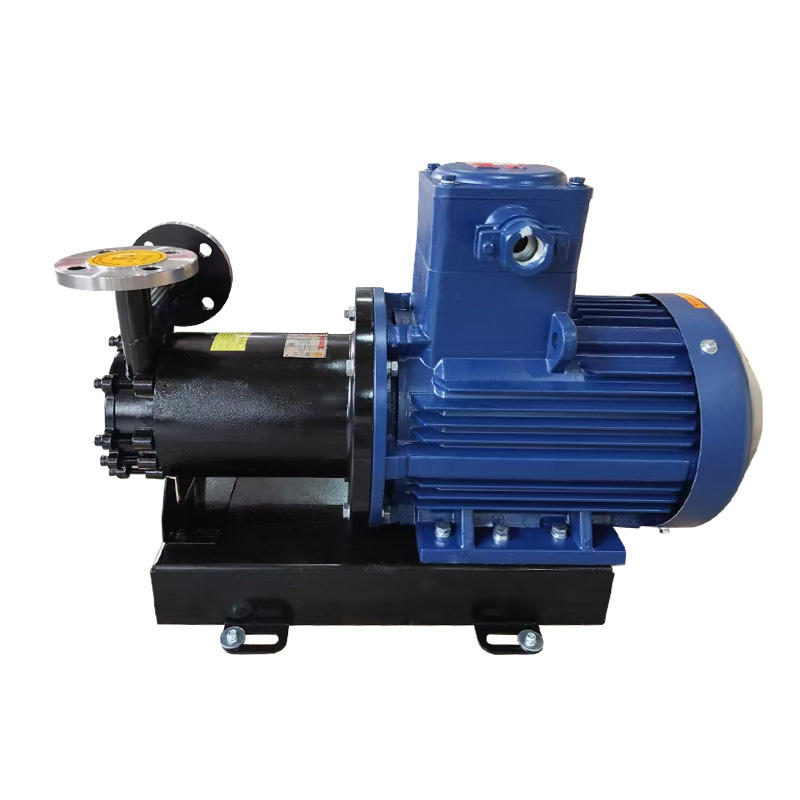
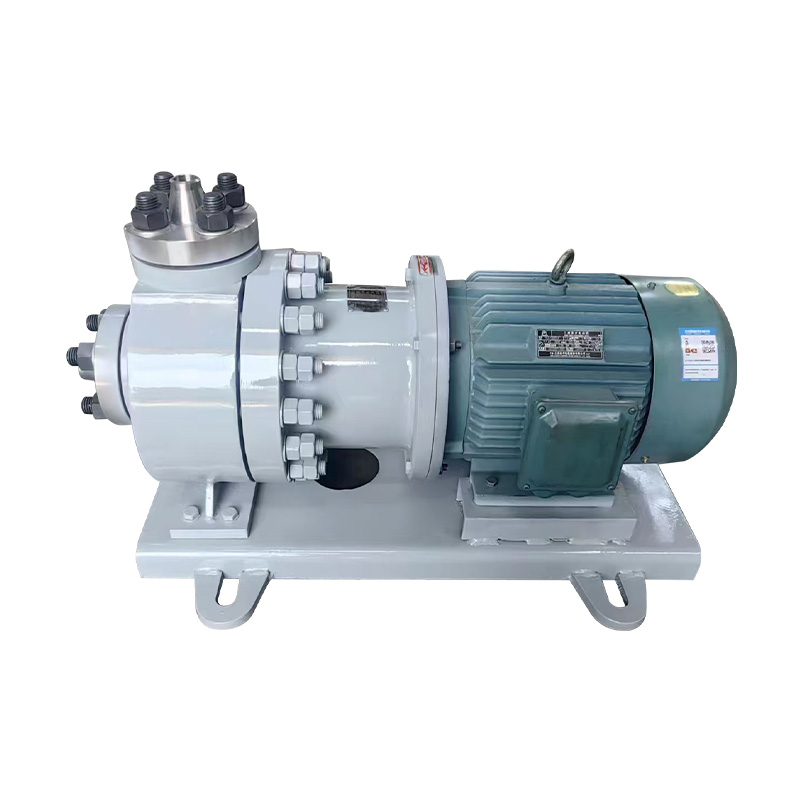
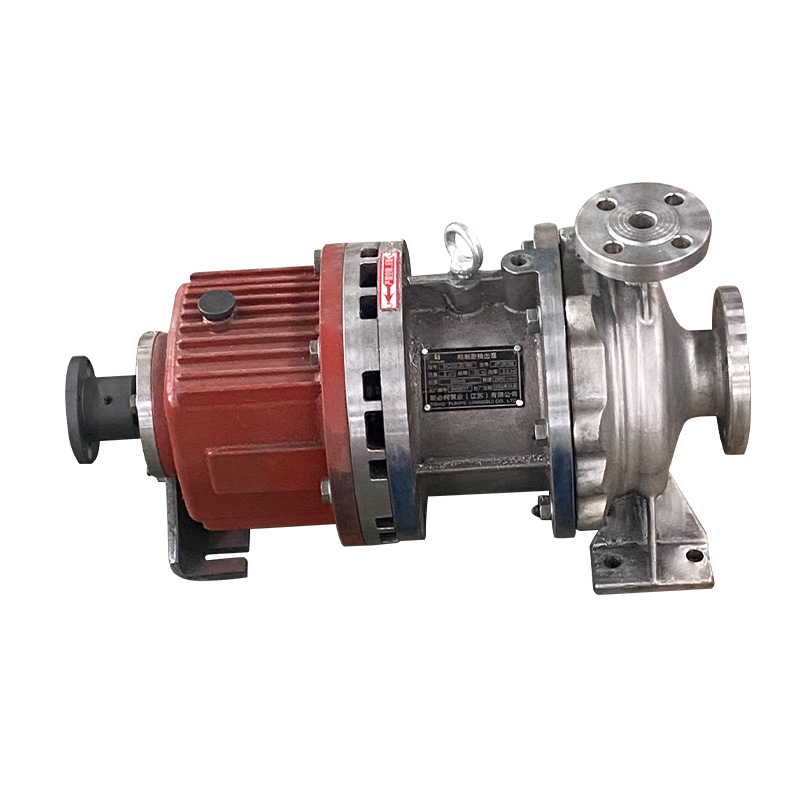
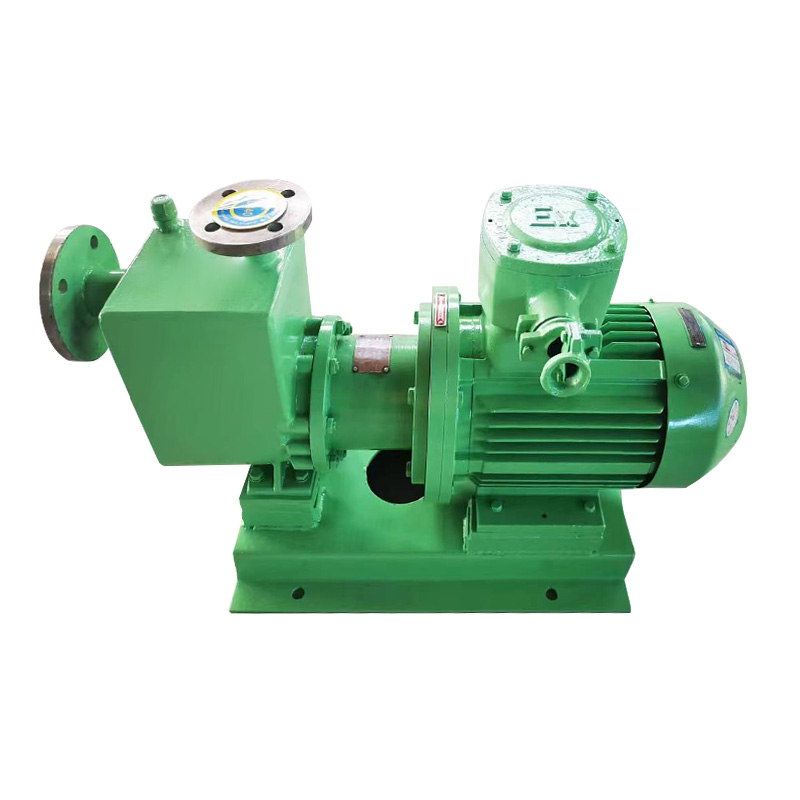
The fundamental advantage of the Chemical Magnetic Drive Pump lies in its unique construction, which isolates the pump's wet end from the motor. In this configuration, the standard shaft is replaced by a containment shell that forms a pressure boundary. Inside this shell, an impeller is attached to an inner magnetic assembly, while the motor drives an outer magnetic ring. The magnetic fields of these two components interact through the containment shell, causing the impeller to rotate in sync with the motor without any physical connection. This lack of penetration through the casing means there are no seals that can wear out, no stuffing boxes to repack, and significantly reduced risk of leakage. This technology is particularly vital when handling aggressive media where exposure to the environment or personnel is unacceptable. The reliability of this system makes it an indispensable asset in sectors such as chemical processing, pharmaceuticals, and semiconductor manufacturing.
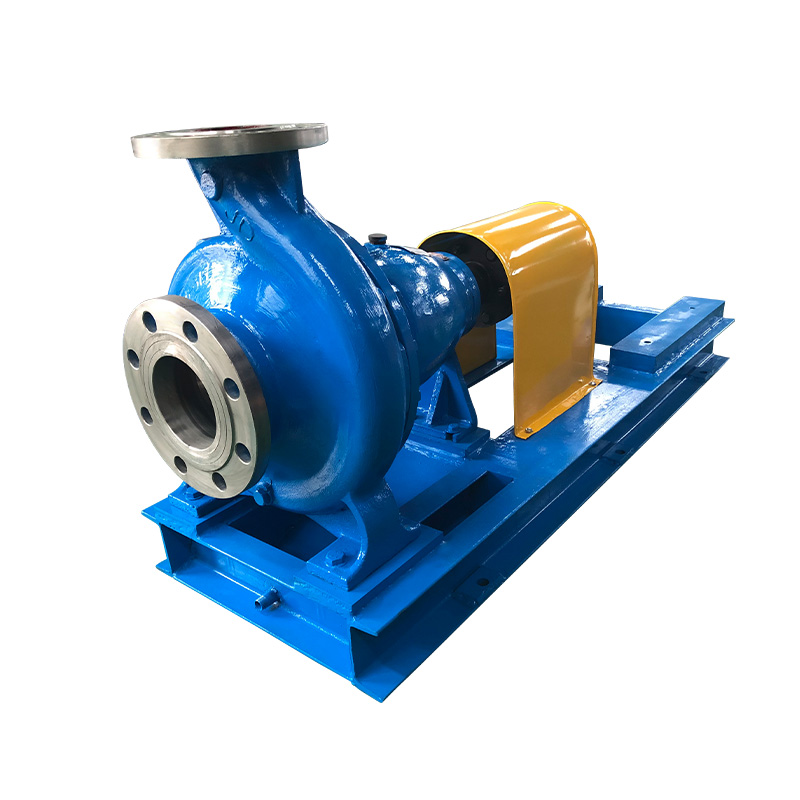
How Magnetic Coupling Technology Works
The efficiency of a sealed magnetic drive pump depends heavily on the quality of the magnetic coupling. The technology relies on high-power rare earth magnets, typically neodymium or samarium cobalt, arranged in alternating polarity to create a strong magnetic flux. When the outer magnets (driven by the motor) rotate, the magnetic flux passes through the containment canister and induces rotation in the inner magnets attached to the impeller. This transfer of energy occurs without friction, which significantly reduces heat generation compared to sealed bearings. However, the containment shell must be non-magnetic and electrically resistant to prevent eddy currents that can cause heating. Engineers design these pumps with precise clearances to ensure maximum torque transmission while maintaining the integrity of the isolation barrier.
Zero Leakage Sealing Mechanisms
The most defining feature of this equipment is its status as a zero-leakage device. In a conventional pump, the mechanical seal faces rub against each other, eventually wearing down and allowing fluid to escape. In contrast, a Chemical Magnetic Drive Pump provides a permanent seal. This is achieved through the static containment shell, which is welded or bolted shut. The only potential leakage paths are static gaskets, which are far more reliable than dynamic seals. This design ensures that expensive, dangerous, or environmentally sensitive fluids remain within the piping loop.
- Complete Isolation: The fluid is entirely contained within the pump casing.
- No Mechanical Seal: Eliminates the primary cause of pump failure and leakage.
- Zero Emissions: Meets strict environmental standards for volatile organic compounds.
- Reduced Maintenance: No need for complex seal flushing systems or regular seal changes.
Key Benefits for Industrial Applications
Industrial applications often involve the transfer of fluids that are not only expensive but also highly dangerous if mishandled. The deployment of specialized pumps, such as the acid resistant magnetic drive pump, is critical to ensuring operational continuity and safety. These pumps are specifically engineered to withstand the aggressive nature of acids, alkalis, and solvents. By utilizing advanced materials and corrosion-resistant designs, they offer a lifespan that far exceeds that of standard pumps in similar service. The economic benefits are substantial; while the initial investment might be higher, the total cost of ownership is lower due to the absence of seal failures, reduced spare parts inventory, and lower energy consumption from optimized hydraulics.
The Advantage of acid resistant magnetic drive pump
Handling strong acids like sulfuric, hydrochloric, or nitric acid demands equipment that can resist chemical attack. The acid resistant magnetic drive pump is typically constructed from high-grade alloys or advanced non-metallic linings to endure these harsh conditions. Unlike standard metal pumps that may corrode rapidly, leading to contamination and failure, acid-resistant models maintain integrity over long periods. This reliability is crucial for processes where purity is paramount, such as in chemical synthesis or pharmaceutical production. Furthermore, the magnetic drive eliminates the risk of acid leaking onto the motor base, which can cause catastrophic motor failure and safety hazards.
Corrosion-Resistant Materials
Selecting the correct material is paramount when specifying a pump for corrosive service. A acid resistant magnetic drive pump might be lined with PTFE (Polytetrafluoroethylene) or ETFE, which offer nearly universal chemical resistance. Alternatively, for certain halogen acids or high-temperature acid applications, specialized alloys such as Hastelloy or titanium are used. These materials ensure that the wetted parts of the pump do not degrade, ensuring that the fluid's chemical composition remains unchanged and the pump structure remains sound.
| Material Type | Chemical Resistance | Application |
| PTFE Liner | Excellent (Broad spectrum) | Highly corrosive acids and solvents |
| PP (Polypropylene) | Good (Acids/Alkalis) | Lower temperature acid transfer |
| Hastelloy | Superior (Acids at high temp) | Hot concentrated sulfuric acid |
| 316L Stainless Steel | Moderate | Weak acids and alkalis |
Safety and Reliability with sealed magnetic drive pump
In hazardous environments, the reliability of the sealed magnetic drive pump is a cornerstone of plant safety protocols. The containment shell serves as a physical barrier between the hazardous fluid and the atmosphere, effectively acting as a secondary containment vessel. This is particularly important for carcinogenic or volatile organic compounds. In the event of a bearing failure within the wet end, the fluid remains contained because there is no shaft seal to blow out. This fail-safe design gives plant operators peace of mind, knowing that a pump failure will not result in a toxic spill or fire hazard, protecting both personnel and the environment.
Preventing Hazardous Emissions
The environmental impact of industrial pumping is heavily regulated. A sealed magnetic drive pump is the technology of choice for complying with EPA and other international standards regarding fugitive emissions. Since there is no mechanical seal rubbing against a shaft, there is no generation of particulates or leakage paths. This hermetic seal ensures that volatile vapors are contained, contributing to cleaner air quality and a safer working environment for employees who would otherwise be exposed to toxic fumes.
| Risk Factor | Mechanical Seal Pump | Sealed Magnetic Drive Pump | |
| Leakage Path | Dynamic seal faces | Static containment shell | |
| Emissions | Fugitive emissions likely | Failure Mode | Regulatory Compliance |
Material Selection and Durability
The longevity and efficiency of a pumping system are inextricably linked to the materials of construction. While metallic pumps have traditionally dominated the industry, the rise of polymer technology has introduced viable alternatives, particularly in the form of the non metallic magnetic drive pump. These pumps utilize advanced composite materials that offer superior resistance to corrosion and erosion compared to metals. Furthermore, non-metallic pumps are often lighter and more cost-effective for aggressive chemical services. The choice between metal and non-metal often depends on the specific temperature and pressure of the application, as well as the chemical compatibility of the fluid being handled.
The Role of non metallic magnetic drive pump
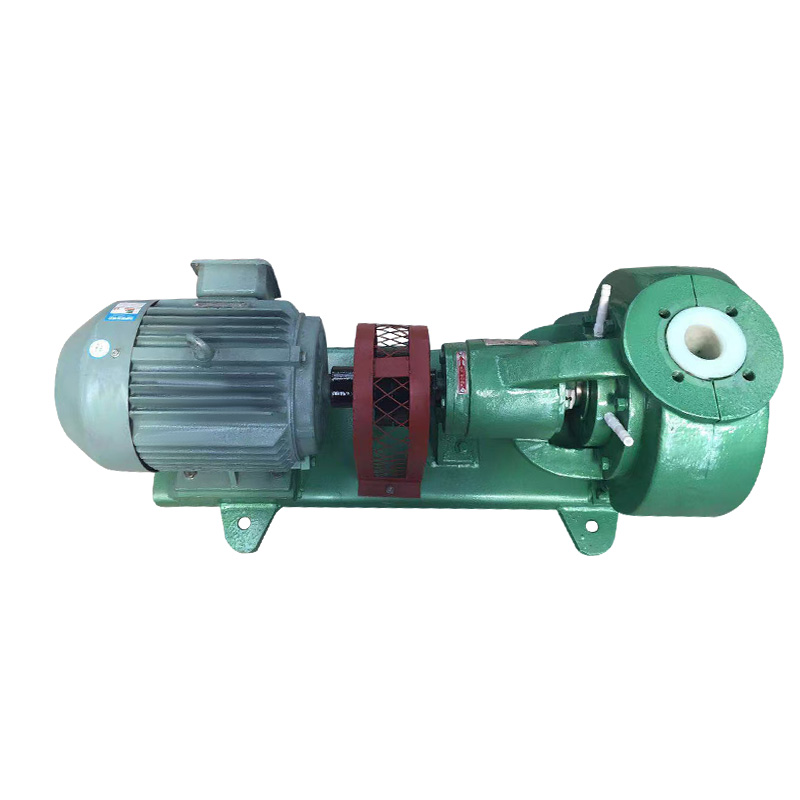
A non metallic magnetic drive pump is essential for applications where metal corrosion is unacceptable. These pumps are typically lined with fluoropolymers such as PTFE, PVDF, or molded from solid polymers like Polypropylene. These materials are inert to almost all industrial chemicals, excluding a few very specific solvents. The advantage extends beyond corrosion resistance; the smooth surface finish of these polymers reduces friction losses, improving efficiency. Additionally, the lightweight nature of these materials makes installation and maintenance easier. For applications involving hydrofluoric acid or aggressive chlorides, non-metallic construction is often the only viable engineering solution.
Fluoroplastic vs. Metal Alloys
When deciding between a non metallic magnetic drive pump and a metal alloy pump, one must consider the operating parameters. Fluoroplastic lined pumps are excellent for corrosion but are limited in temperature and pressure tolerance compared to metals. Metal alloys, such as Hastelloy or Titanium, can handle high temperatures and pressures but are significantly more expensive and may still suffer from specific types of corrosion.
| Material Property | Fluoroplastic (PTFE/PVDF) | Metal Alloy (Hastelloy/Ti) | |
| Max Temperature | Lower (approx. 150°C) | Higher (approx. 400°C+) | |
| Pressure Rating | Corrosion Resistance | Physical Strength | Lower (requires metal shell) |
Efficient Fluid Handling with chemical magnetic transfer pump
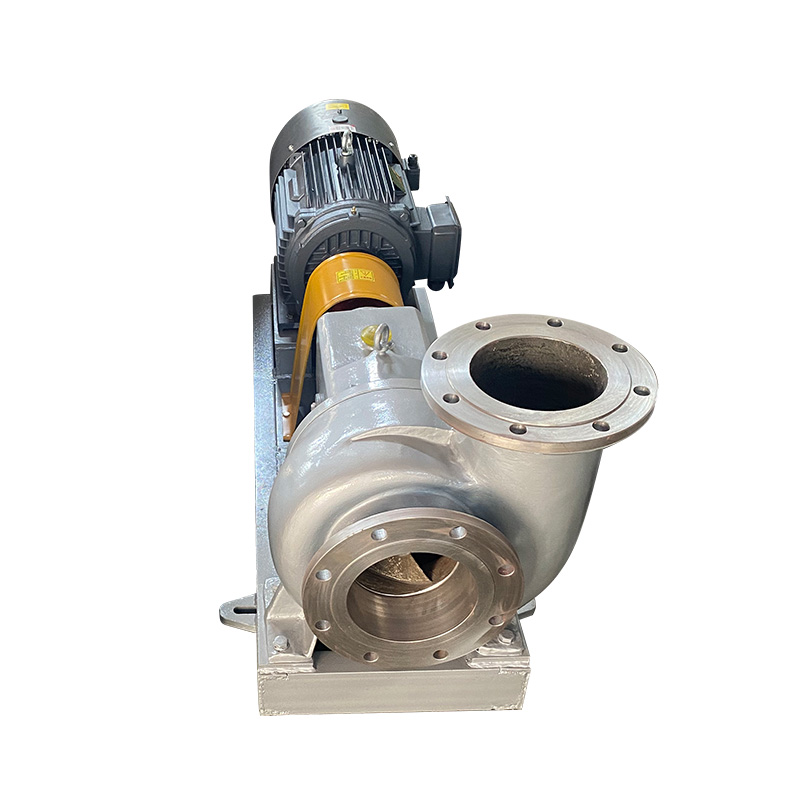
The primary function of a chemical magnetic transfer pump is to ensure the safe and efficient movement of fluids from storage tanks to process vessels or between process stages. Efficiency in this context means minimizing downtime and maximizing flow rates while maintaining safety. Magnetic drive pumps are specifically designed to handle low flow, high head applications, or simple transfer duties where leakage is not an option. The hydraulic design of the impeller is optimized to reduce the slip that can occur in magnetic couplings, ensuring that the motor power is effectively converted into fluid movement. This makes them ideal for batch loading, unloading tankers, and circulating aggressive chemical baths in plating and etching operations.
Performance in High-Temperature Environments
High temperatures present a significant challenge for magnetic drive pumps because the magnets can lose their magnetic properties (demagnetization) if heated excessively. However, advanced designs incorporate cooling loops and high-temperature magnets to allow the chemical magnetic transfer pump operate effectively in hot service. By utilizing a recirculation line from the discharge side back behind the containment shell, the internal magnets are cooled and lubricated, preventing overheating even when pumping fluids at elevated temperatures. This thermal management capability expands the utility of these pumps beyond just ambient temperature applications.
| Thermal Management | Ambient Temperature Pump | High Temperature Pump |
| Magnet Type | ||
| Cooling Method | Max Operating Temp | Complexity |
Innovation and Expertise at Jiangsu Huanyu
Founded in 1987, Jiangsu Huanyu Chemical New Materials Co., Ltd. has established itself as a premier manufacturer of industrial pipeline transportation pumps in China. With a workforce of over 100 employees, the company integrates machinery manufacturing, hot and cold processing, and investment casting into a cohesive production capability. This continuous commitment to product development has resulted in a vast portfolio comprising more than ten series and over 300 specifications of chemical pumps. The company is renowned for the production of various alloy materials and the "Huanning" brand, which includes single-stage single-suction chemical centrifugal pumps, forced circulation pumps, fluoroplastic centrifugal pumps, and self-priming pumps. Serving the chemical, petroleum, metallurgy, chemical fiber, and electric power sectors, Jiangsu Huanyu has successfully exported custom industrial pipeline transportation pumps to international markets, including Laos, Thailand, Tanzania, Malaysia, and Russia.
A Legacy of Precision Manufacturing since 1987
With over three decades of experience, Jiangsu Huanyu Chemical New Materials Co., Ltd. has cultivated a deep understanding of fluid dynamics and material science. The company's facility, located near the famous Jiangyin Yangtze River Bridge with convenient transportation access, is a hub of innovation. Here, they focus on creating specialized solutions such as the Chemical Magnetic Drive Pump, tailored to meet rigorous industry standards. Their expertise in investment casting allows for the precise creation of complex alloy components that ensure the durability and reliability of their pumps. This longevity in the market signifies a commitment to stability and quality, providing customers with confidence in the performance of their equipment.
Comprehensive Product Range and OEM Capabilities
Jiangsu Huanyu is not just a manufacturer but a solution provider, offering OEM/ODM services for industrial pipeline transportation pumps. Their extensive range includes advanced acid resistant magnetic drive pump models and non metallic magnetic drive pump variants, ensuring they can address virtually any fluid handling challenge. The company utilizes a wide array of materials including 304, 316L, 904, 2205, 2507, CD4, Hastelloy, Titanium, and 2520 to withstand diverse working conditions. By combining this material versatility with state-of-the-art engineering, they produce sealed magnetic drive pump units that are exported globally, meeting the specific needs of clients in various industrial sectors.
Custom Solutions for Diverse Industries
The ability to customize is a hallmark of Jiangsu Huanyu's success. Whether a client needs a chemical magnetic transfer pump for a corrosive chemical process or a specialized alloy pump for high-temperature metallurgical applications, the company has the engineering prowess to deliver. Their R&D team works closely with customers to understand their specific media, flow rates, and head requirements, ensuring that the final product fits perfectly into their operational ecosystem.
| Service Capability | Standard Offering | Custom OEM/ODM | |
| Product Design | Material Selection | Application Fit | Brand |
FAQ
What is the main benefit of a Chemical Magnetic Drive Pump?
The primary benefit of a Chemical Magnetic Drive Pump is its seal-less design. By using a magnetic coupling to drive the impeller, it eliminates the need for a mechanical seal, which is the most common point of failure in traditional pumps. This ensures zero leakage, making it ideal for handling hazardous, corrosive, and volatile fluids.
Can a non metallic magnetic drive pump handle high temperatures?
Generally, a non metallic magnetic drive pump is best suited for moderate temperatures because the polymers used (like PTFE or PP) have thermal limitations compared to metals. However, they are excellent for high-corrosion applications at temperatures typically below 150°C. For higher temperatures, metal-lined versions or special high-temperature designs are recommended.
How do I select the right acid resistant magnetic drive pump?
Selecting the right acid resistant magnetic drive pump requires analyzing the specific acid, concentration, and temperature of the fluid. You must verify the chemical compatibility chart for the wetted materials (e.g., PTFE, PVDF, or alloys like Hastelloy). Additionally, ensure the pump's flow rate and head (pressure) match your system requirements.
Is maintenance difficult for a sealed magnetic drive pump?
Maintenance for a sealed magnetic drive pump is generally simpler than for mechanical seal pumps because there are no seals to replace. However, care must be taken with the internal bearings and magnets. Routine checks on the containment shell for wear and ensuring the pump is not running dry are the main maintenance requirements to ensure longevity.