English
 русский
 Español
Content
- 1 Introduction: The Workhorse of Industrial Fluid Transport
- 2 Understanding Flowmore Horizontal Pump Technology
- 3 Key Features and Applications of Flowmore Horizontal Pumps
- 4 Procurement and Total Cost of Ownership
- 5 FAQ
- 5.1 What are the main advantages of a horizontal pump over a vertical one?
- 5.2 How do I determine the correct size (specifications) of a Flowmore pump for my system?
- 5.3 What materials are recommended for pumping seawater or highly corrosive chemicals?
- 5.4 How often should a horizontal centrifugal pump be serviced?
- 5.5 Can Flowmore horizontal pumps handle slurries or fluids with suspended solids?
Introduction: The Workhorse of Industrial Fluid Transport
In the vast network of industrial processes, from chemical manufacturing and agricultural irrigation to water supply and power generation, the reliable movement of fluids is paramount. At the heart of many of these systems lies a robust and efficient solution: the Flowmore horizontal pump. Characterized by its shaft orientation parallel to the ground, this pump design is a cornerstone of modern fluid handling due to its straightforward installation, ease of maintenance, and proven durability. These pumps are engineered to deliver consistent performance under demanding conditions, moving water, chemicals, process fluids, and slurries with precision and power. For engineers and procurement specialists, selecting the right pump involves a deep dive into Flowmore horizontal pump specifications, an understanding of material compatibility, and a clear view of the total cost of ownership. Whether the application calls for a standard Flowmore horizontal centrifugal pump for clear water transfer or a specialized alloy construction for aggressive chemical media, the horizontal configuration offers a versatile platform. This article provides a comprehensive exploration of horizontal pump technology, guiding you through its operation, key selection criteria, critical maintenance practices, and diverse applications to ensure you make an informed decision for your specific fluid transfer needs.
- Foundation of Industry: A critical component in countless industrial, agricultural, and municipal fluid systems.
- Design for Serviceability: Horizontal orientation allows for easy access to bearings, seals, and couplings for maintenance without major disassembly.
- Adaptable Performance: Available in a vast range of sizes, materials, and configurations to meet precise operational requirements.
Understanding Flowmore Horizontal Pump Technology
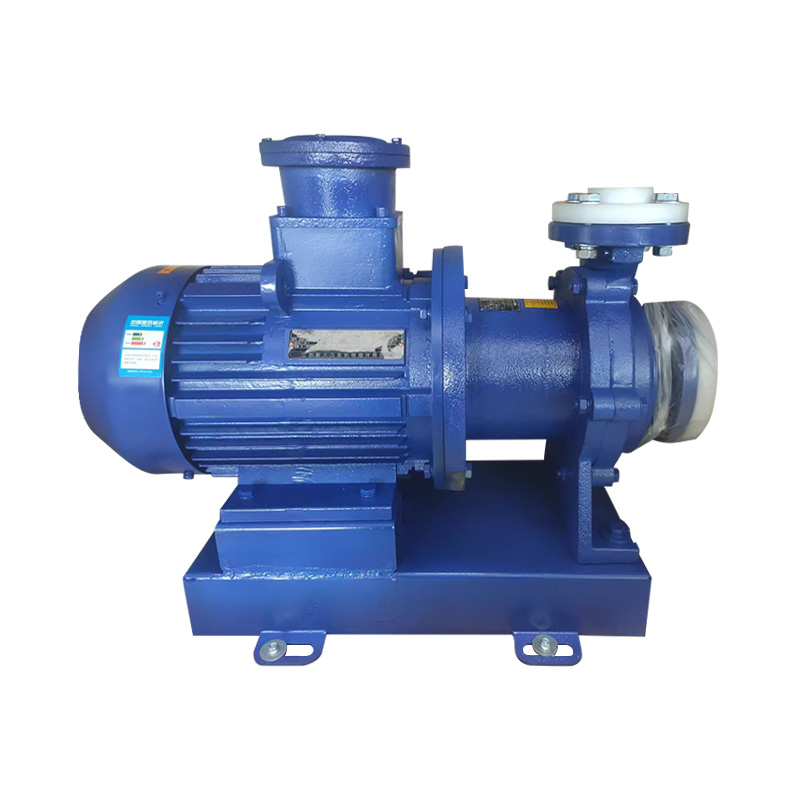
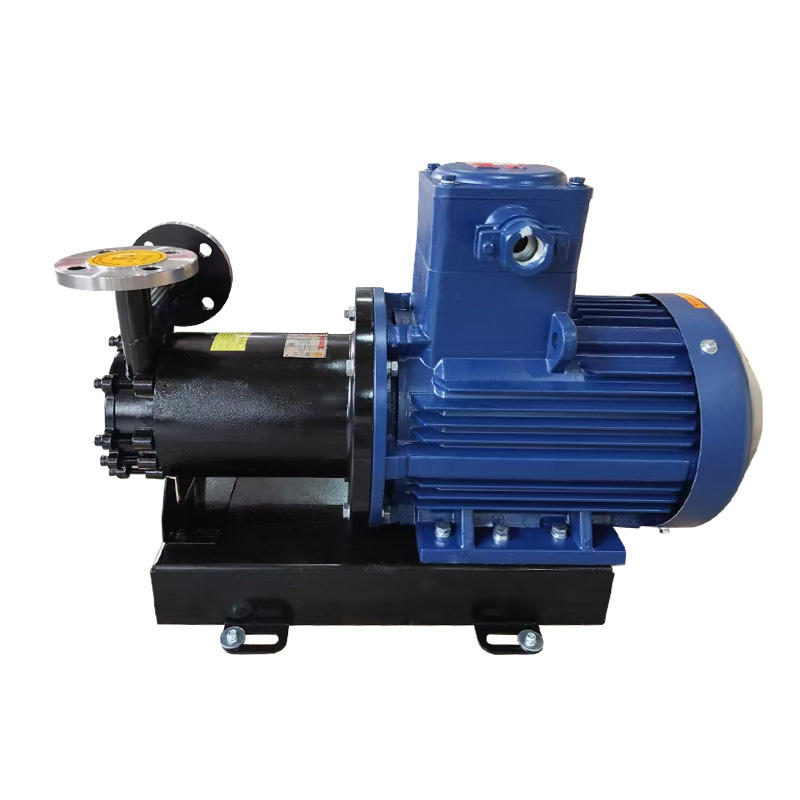
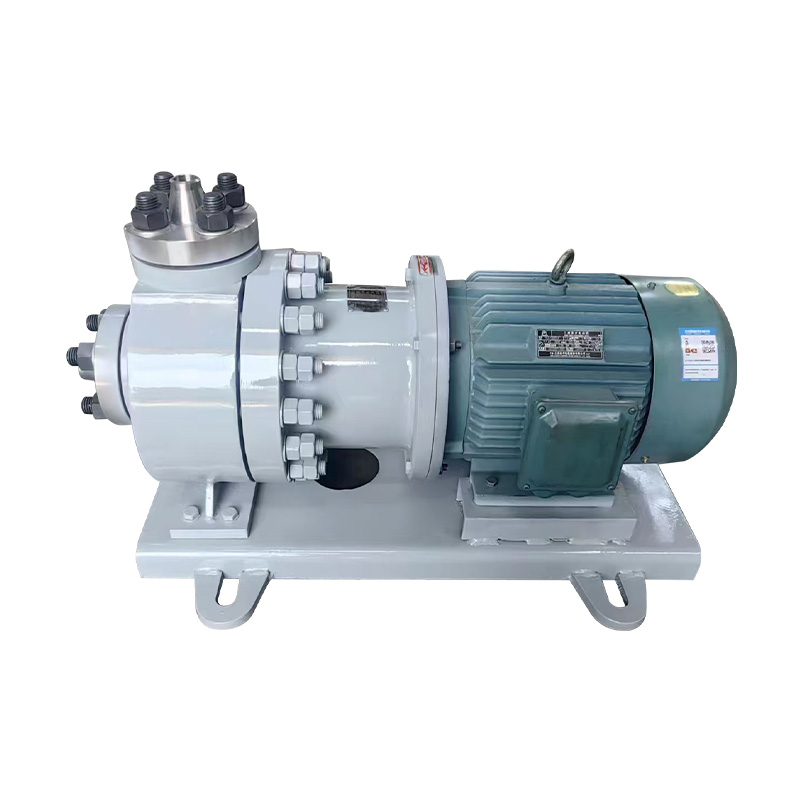
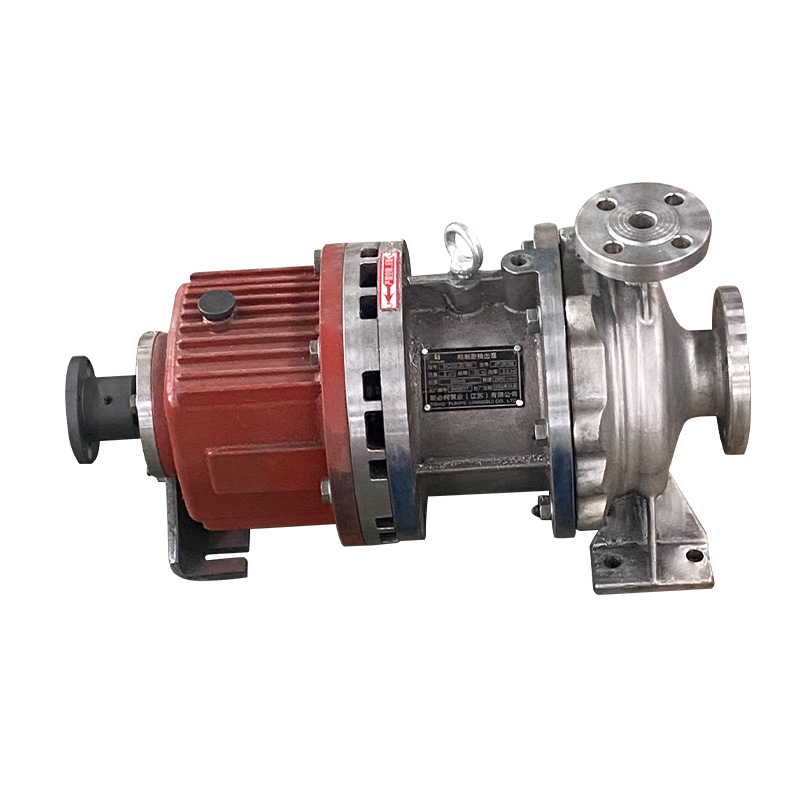
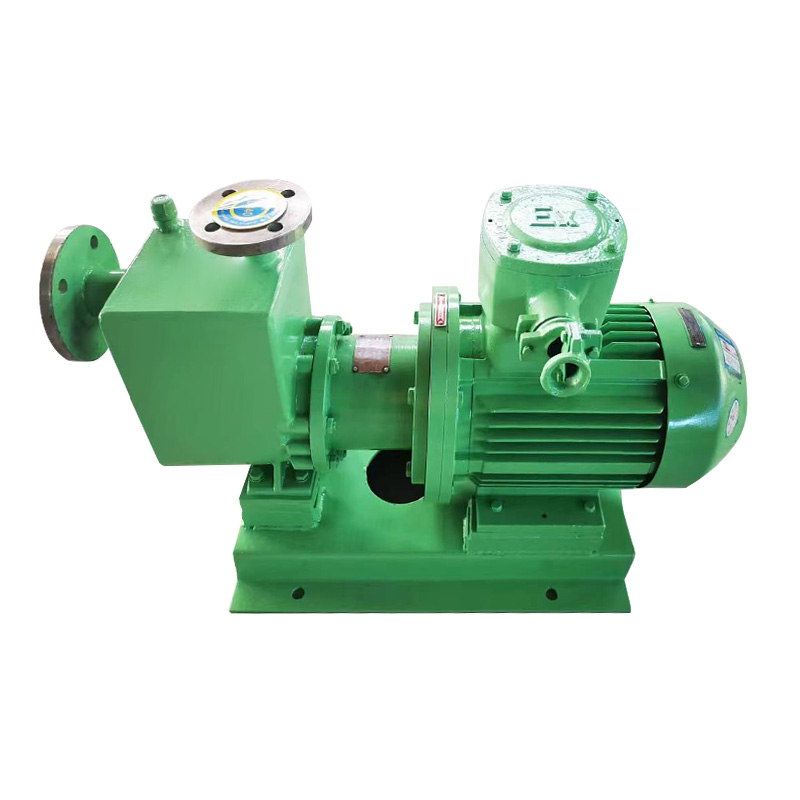
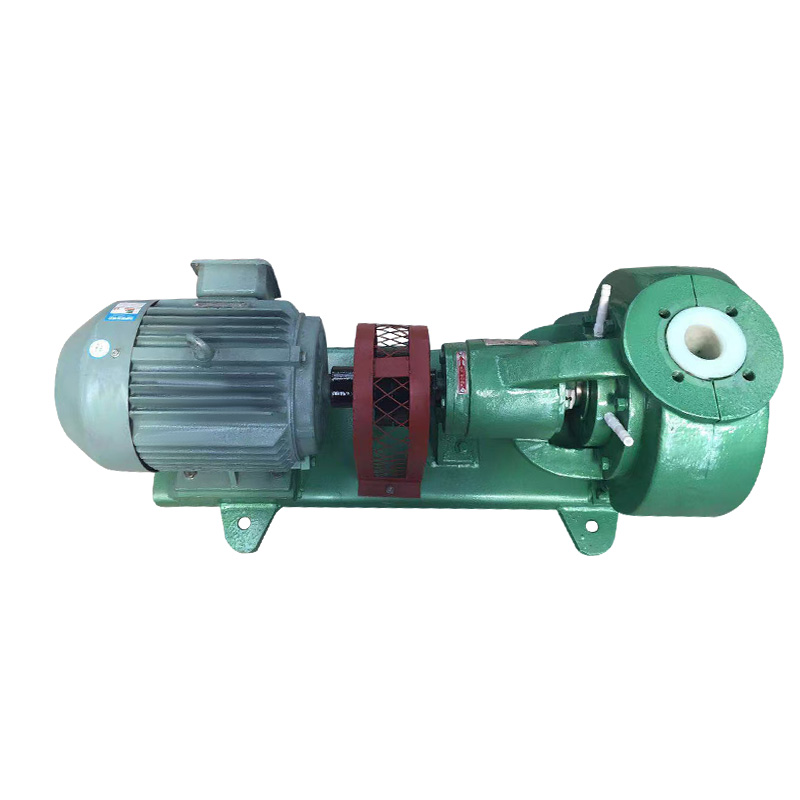
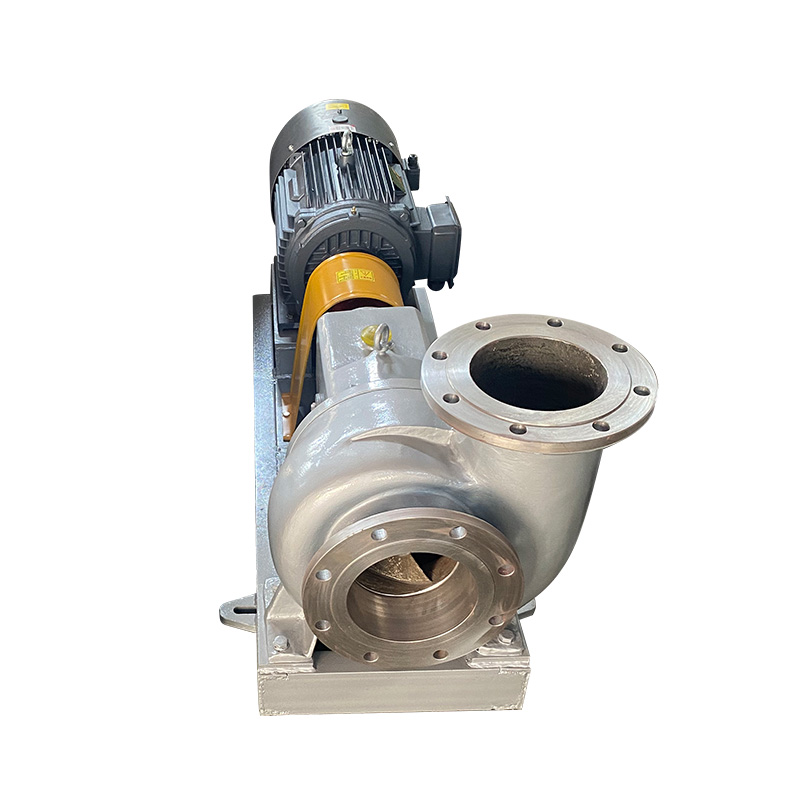
The Flowmore horizontal pump is a type of centrifugal pump where the rotating assembly (impeller and shaft) is supported by bearings on a horizontal plane. This classic design offers significant practical advantages. The pump and its driver (usually an electric motor) are mounted on a common baseplate, simplifying alignment and installation. The horizontal layout provides excellent stability and minimizes axial thrust loads on the bearings under normal operating conditions. The core principle remains centrifugal force: the rotating impeller imparts kinetic energy to the fluid, which is then converted to pressure energy within the volute casing, thereby moving the fluid through the system. The true engineering sophistication, however, lies in the precise hydraulic design of the impeller and volute for optimal efficiency, and crucially, in the selection of construction materials—from standard stainless steels (304, 316L) to exotic alloys like Hastelloy, duplex steels (2205, 2507), and titanium—to withstand the specific chemical, abrasive, and temperature challenges of the pumped medium.
- Centrifugal Action: Energy transfer is achieved through a high-speed rotating impeller, making it ideal for medium-to-high flow, low-to-medium head applications.
- Mechanical Simplicity: The straightforward horizontal shaft design reduces mechanical complexity compared to some vertical designs, facilitating easier inspection and repair.
- Material-Centric Design: Long-term reliability is fundamentally tied to selecting wetted parts materials that are fully compatible with the fluid's pH, temperature, chloride content, and abrasiveness.
Key Features and Applications of Flowmore Horizontal Pumps
The utility of the horizontal pump is demonstrated across a broad spectrum of industries. Its performance is defined by quantifiable specifications, and its design is tailored to excel in specific roles, from general service to specialized tasks like large-scale irrigation.
Deciphering Performance: Specifications and Selection
Accurately interpreting Flowmore horizontal pump specifications is the first critical step in selection. The performance curve, often provided by the manufacturer, graphically represents the relationship between key parameters at a constant speed. The primary specs include Flow Rate (Q, in m³/h or GPM), which is the volume of liquid delivered per unit of time; Total Head (H, in meters or feet), representing the total energy imparted to the fluid to overcome system pressure, elevation, and friction losses; Pump Efficiency (η), a percentage indicating how effectively the pump converts input power into hydraulic power; and Net Positive Suction Head Required (NPSHr), which is crucial for preventing cavitation. Matching these specifications to your system's demand curve ensures efficient and reliable operation.
| Key Specification | Symbol/Unit | What It Determines |
| Flow Rate | Q (m³/h, GPM) | The pumping capacity; the volume of fluid moved. |
| Total Head | H (m, ft) | The pressure or "lift" the pump can generate. |
| Power | P (kW, HP) | Input power required to achieve the desired Q and H. |
| Efficiency | η (%) | Operating cost; higher efficiency means lower energy use for the same output. |
| NPSH Required | NPSHr (m, ft) | The suction conditions needed to avoid damaging cavitation. |
The Centrifugal Force at Work
As a quintessential Flowmore horizontal centrifugal pump, its operation is defined by the dynamics of a rotating impeller. Fluid enters the pump at the center (eye) of the impeller and is accelerated radially outward by the impeller vanes due to centrifugal force. This high-velocity fluid then enters the surrounding volute casing, where its velocity is gradually converted into pressure. This design is exceptionally well-suited for applications requiring a smooth, non-pulsating flow of low-to-medium viscosity fluids. They are the default choice for clean water supply, boiler feed, general chemical transfer, and circulation duties across HVAC and industrial processes, thanks to their relatively simple construction, wide performance range, and high efficiency at their designed duty point.
- Smooth, Continuous Flow: Delivers a steady stream of fluid, minimizing pressure pulsations that can stress piping systems.
- Wide Operational Range: Available in sizes from small, fractional horsepower units to very large, high-capacity models.
- Optimal for Low-Viscosity Fluids: Performance is best with water-like viscosities; thick fluids require special design considerations.
A Prime Choice for Agricultural Water Management
Agriculture's reliance on consistent, high-volume water delivery makes the Flowmore horizontal pump for irrigation an indispensable tool. For drawing water from rivers, lakes, or reservoirs and distributing it through extensive networks of pipes and sprinklers, horizontal centrifugal pumps are ideal. They are capable of delivering the large flow rates needed to cover vast fields efficiently. Their robust construction allows them to handle source water that may contain minor suspended solids (though sand and grit can be abrasive over time). The horizontal design is also advantageous for installation in pump houses or shelters, as it allows for straightforward coupling to diesel engines or electric motors and facilitates routine maintenance checks, which are essential for preventing downtime during critical growing seasons.
- High-Volume Delivery: Engineered to meet the substantial flow requirements of center-pivot, drip, or flood irrigation systems.
- Durability in Field Conditions: Built to withstand the rigors of agricultural environments, often with protective coatings or specific material choices.
- Serviceability: Easy-access design allows farmers or technicians to perform essential maintenance without specialized tools or complex procedures.
Procurement and Total Cost of Ownership
Selecting a pump is an investment decision that extends far beyond the initial purchase price. A holistic view of procurement, focusing on lifecycle costs, ensures long-term value and operational reliability.
Understanding Investment and Value
Inquiries into a Flowmore horizontal pump price list are natural, but price should be contextualized within Total Cost of Ownership (TCO). The initial cost is influenced by pump size, material of construction (a titanium pump will cost significantly more than a 304 stainless steel one), technical features (such as seal type or cooling systems), and manufacturing standards. However, a lower upfront cost can lead to higher long-term expenses if the pump is inefficient (high energy costs), made from inappropriate materials (leading to premature failure), or difficult to maintain (high labor costs). Therefore, the most economical choice is often a pump that is correctly specified, made from durable, fit-for-purpose materials, and designed for easy Flowmore horizontal pump maintenance, even if its purchase price is higher.
- Initial Cost Drivers: Material grade, pump size and complexity, hydraulic performance level, and ancillary equipment.
- Operational Cost Drivers: Energy efficiency (pump and motor), reliability (which affects downtime costs), and required spares.
- Lifecycle Perspective: Evaluating TCO over a 5-10 year period often reveals the true value of a high-quality, correctly specified pump.
Ensuring Longevity: Proactive Maintenance Regimen
Effective Flowmore horizontal pump maintenance is the key to maximizing service life and preventing costly unplanned shutdowns. A proactive regimen includes daily visual and auditory checks for leaks, unusual vibrations, or overheating bearings. Scheduled maintenance involves tasks such as lubricating bearings according to the manufacturer's intervals (grease type and quantity are critical), checking and re-aligning the pump and motor coupling (especially after any base movement), and monitoring mechanical seal performance. Annual or biennial comprehensive overhauls may include inspecting impellers for wear or corrosion, checking shaft runout, and replacing wear rings. Keeping detailed maintenance logs helps track the pump's health and predict future part replacements.
- Daily/Weekly: Check for leaks, abnormal noise, vibration, and bearing temperature.
- Quarterly/Annually: Re-lubricate bearings, check coupling alignment, inspect foundation bolts.
- Predictive Maintenance: Use vibration analysis or thermography to detect issues like bearing wear or misalignment before failure occurs.
FAQ
What are the main advantages of a horizontal pump over a vertical one?
The primary advantages of a Flowmore horizontal pump are related to installation and maintenance. Horizontal pumps are typically mounted on a baseplate with the driver, making alignment more straightforward and providing excellent stability. Their design allows for easy access to bearings, seals, and the coupling for routine inspection and servicing without requiring the disassembly of the wet end or disturbing the piping. Vertical pumps, in contrast, often require the motor to be removed to access internal components and may need a dedicated sump or deep setting, which can complicate installation and repair.
How do I determine the correct size (specifications) of a Flowmore pump for my system?
Determining the correct Flowmore horizontal pump specifications requires calculating your system's hydraulic requirements. You need to define two key parameters: the required Flow Rate (based on your process needs) and the required Total Head. Total Head is the sum of: 1) Static Head (vertical lift from source to discharge point), 2) Pressure Head (difference in system pressures), and 3) Friction Head (losses due to fluid movement through pipes, valves, and fittings). Once you have the desired Flow (Q) and Head (H), you can consult the manufacturer's pump performance curves to select a pump whose curve intersects your required duty point at or near its Best Efficiency Point (BEP). It's highly recommended to involve a pump specialist or engineer in this critical sizing process.
What materials are recommended for pumping seawater or highly corrosive chemicals?
For aggressive media like seawater or strong acids/alkalis, material selection is critical for a Flowmore horizontal pump. For seawater, duplex and super duplex stainless steels (like 2205 and 2507) offer excellent resistance to chloride-induced pitting and crevice corrosion. For highly corrosive chemicals such as sulfuric acid or hydrochloric acid, high-nickel alloys like Hastelloy C-276 or B-2 are often specified. Titanium is excellent for saltwater and oxidizing environments. The specific concentration, temperature, and presence of other ions dictate the final material choice. A reputable manufacturer will have the metallurgical expertise to recommend the optimal, cost-effective material for your specific service.
How often should a horizontal centrifugal pump be serviced?
Service intervals for a Flowmore horizontal centrifugal pump depend on its duty, operating environment, and the manufacturer's guidelines. As a general rule, bearing lubrication should be performed per the pump manual (often every 3-6 months of continuous operation). Coupling alignment should be checked quarterly or after any maintenance that might shift the pump or motor. A thorough inspection, including internal wear parts like the impeller and wear rings, is typically recommended annually for pumps in continuous service or biannually for intermittent duty. The most reliable approach is to implement a condition-based maintenance program, monitoring vibration and temperature to schedule service based on actual need rather than a fixed calendar interval.
Can Flowmore horizontal pumps handle slurries or fluids with suspended solids?
Standard Flowmore horizontal centrifugal pumps are designed for clean or mildly contaminated liquids. However, specialized versions are engineered specifically for slurries. These slurry pumps feature heavier-duty construction, larger clearances to allow solids passage, wear-resistant materials (like high-chrome white iron or rubber lining), and impellers designed to minimize clogging. For fluids with a high concentration of abrasive solids, it is essential to select a pump explicitly designed and rated for slurry service to ensure reasonable wear life and avoid rapid failure. The particle size, concentration, and abrasiveness are key factors in selecting the correct slurry pump design.