English
 русский
 Español
Content
- 1 The Engineering Challenge: Critical Fluid Transfer in Hostile Environments
- 2 Unpacking the Superiority of Fluoroplastic Construction Materials
- 3 The Fundamental Advantages of the Vertical, Seal-less Structure
- 4 Operational Resilience in High Concentration Acid and Caustic Applications
- 5 Engineering for Longevity: Addressing Solid Content and Crystallization
- 6 The Practical Economics of Long-Term Pump Stewardship
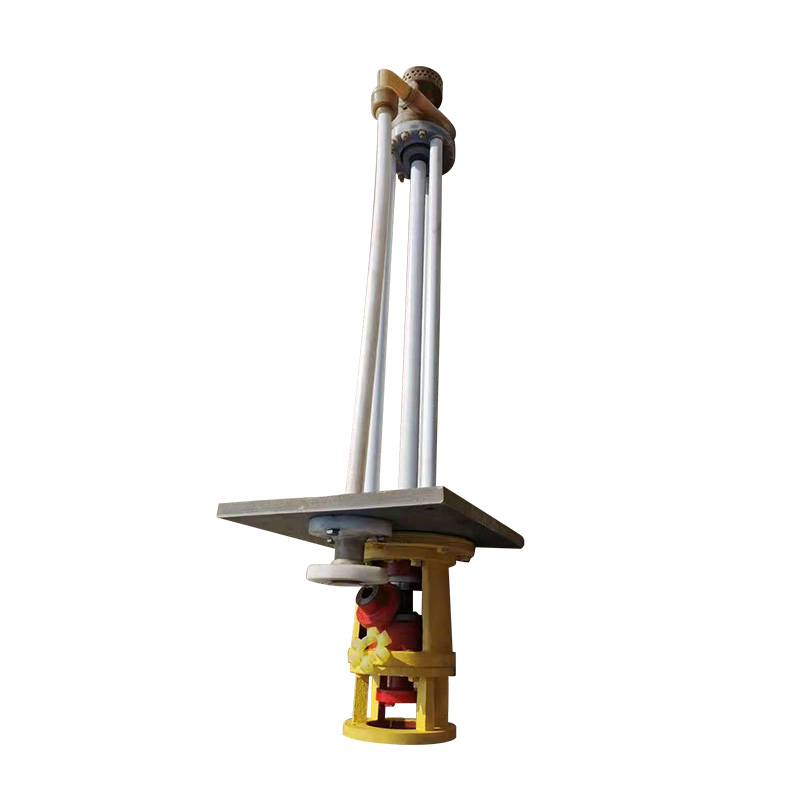
The Engineering Challenge: Critical Fluid Transfer in Hostile Environments
The landscape of heavy industrial processing, particularly within chemical manufacturing, petrochemical refining, and metallurgical operations, frequently demands the reliable transfer of fluids that are inherently aggressive. These corrosive media, encompassing everything from high-concentration mineral acids to potent alkalis and specialized organic solvents, pose a significant and persistent threat to conventional pumping equipment constructed from standard metals or common plastics. The fundamental challenge lies in developing a fluid handling solution that can maintain structural integrity and operational precision when fully immersed in such hostile chemical environments for extended periods. A successful solution must not only resist chemical attack but also minimize the risk of leakage, a critical factor for both environmental protection and occupational safety. The vertical, submerged configuration inherent to pumps of the FYS type presents a compelling engineering solution by allowing the pumping mechanism to operate directly within the fluid reservoir or sump, thereby circumventing many of the priming and cavitation issues that plague dry-mounted systems, while simultaneously leveraging advanced material science to achieve unparalleled durability.
Unpacking the Superiority of Fluoroplastic Construction Materials
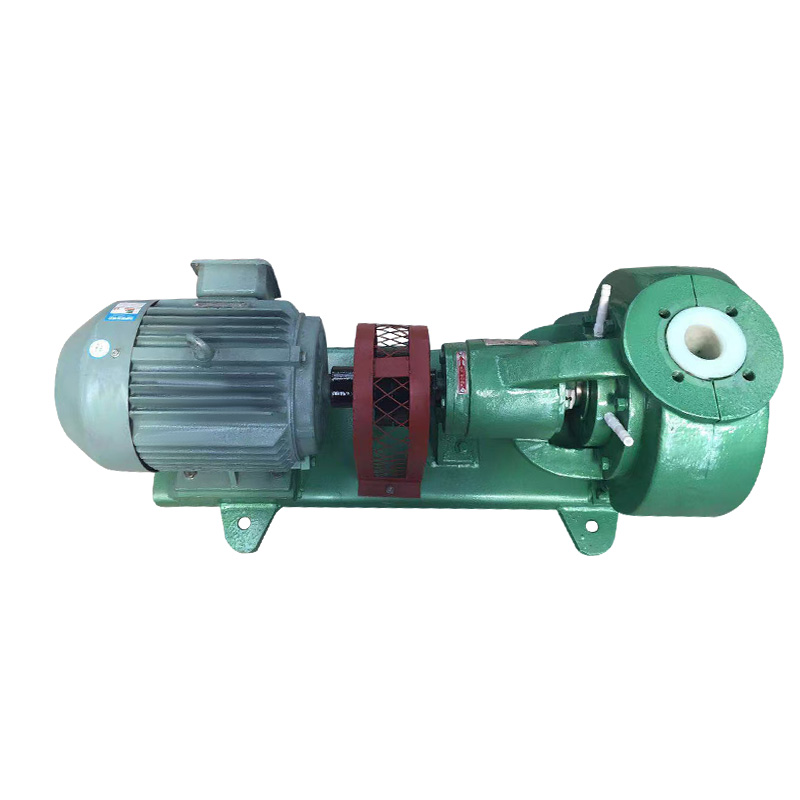
The exceptional longevity and reliability of this specialized pump design are rooted firmly in the choice of construction material: fluoroplastics. Polymers such such as polytetrafluoroethylene (PTFE), perfluoroalkoxy alkanes (PFA), and fluorinated ethylene propylene (FEP) are cornerstones of advanced corrosion-resistant equipment due to their remarkable molecular structure. This structure yields near-universal chemical inertness, meaning these materials remain virtually unaffected by the vast majority of corrosive chemicals, even at elevated temperatures where conventional materials rapidly degrade. Furthermore, fluoroplastics exhibit exceptional thermal stability, allowing the pumps to manage high-temperature effluents without compromising material strength or rigidity. The application of a thick, robust fluoroplastic lining over the pump's internal metal components creates an impenetrable barrier, ensuring that the corrosive media only contacts the inert polymer surface. This meticulous material engineering provides the ultimate defense against internal erosion and stress cracking, drastically extending the pump's service life in the most demanding contexts.
The Fundamental Advantages of the Vertical, Seal-less Structure
A defining characteristic of the FYS pump is its vertical, extended-shaft design, which often facilitates a seal-less operation where the pumping elements are deeply submerged. This structural choice is a masterful engineering strategy to eliminate the most vulnerable point of failure in any traditional centrifugal pump: the mechanical shaft seal. Standard seals are highly susceptible to wear, heat buildup, and premature failure, especially when exposed to abrasive particles or chemically aggressive fluids, which inevitably leads to catastrophic leakage. By adopting a seal-less design where the liquid itself serves to lubricate the submerged bearings, the risk of leakage is virtually negated. This inherent lack of a dynamic shaft seal transforms the pump into a profoundly safer and more environmentally responsible piece of equipment, completely isolating the critical motor and drive components from the volatile liquids being handled and guaranteeing a zero-emission transfer process crucial for modern, regulated industrial facilities.
Operational Resilience in High Concentration Acid and Caustic Applications
The core value proposition of the fluoroplastic submersible pump becomes manifest when it is deployed to manage highly aggressive chemical processes. Its robust construction renders it indispensable in applications such as the circulation of concentrated sulfuric, hydrochloric, or hydrofluoric acids, the transfer of strong sodium hydroxide or potassium hydroxide solutions, or the handling of complex waste streams loaded with multiple corrosive agents and contaminants. In the galvanizing and electroplating industries, for instance, the pump's complete chemical resistance allows it to efficiently manage spent bath solutions, while in environmental engineering, it is the workhorse for transferring highly corrosive industrial wastewater before neutralization. This capability to function flawlessly under extreme chemical duress ensures process continuity and substantially reduces expensive downtime for repair or replacement that would be necessitated by less resilient equipment. The pump operates as a critical, dependable link in complex, continuous industrial production chains.
Engineering for Longevity: Addressing Solid Content and Crystallization
Beyond simple corrosion resistance, advanced engineering considerations significantly contribute to the enduring performance of the modern fluoroplastic submersible pump. For instance, the presence of suspended solids or the potential for liquid crystallization can introduce major operational hurdles. Contemporary designs often incorporate specialized open or semi-open impellers, carefully structured to allow small solids and fibrous materials to pass through without causing clogs or excessive wear. Furthermore, the selection of premium fluoropolymer materials, known for their low surface energy and non-stick characteristics, inherently mitigates the tendency for slurries and dissolved salts to crystallize or deposit onto the pump's wetted surfaces. These subtle yet critical design features ensure that the equipment maintains its high efficiency and reliable flow characteristics even as the process fluid changes composition, securing both performance stability and a dramatically extended mean time between maintenance interventions.
The Practical Economics of Long-Term Pump Stewardship
The initial investment in a highly specialized, fluoroplastic-lined pump system is offset by substantial long-term economic benefits rooted in reduced maintenance frequency and exceptional operational life. The inherent durability of the fluoroplastic components translates directly into fewer unexpected breakdowns, lower expenditure on replacement parts, and minimal labor costs associated with routine servicing. Unlike metallic pumps subject to galvanic corrosion or frequent seal replacements, the chemically inert and seal-less nature of the FYS-type pump ensures reliable, continuous service. This reduction in the overall life-cycle cost, coupled with the critical advantage of uninterrupted process flow, makes the fluoroplastic submersible pump a highly economical and strategically sound choice for facilities where the safe and efficient handling of corrosive chemicals is not merely an option but an absolute necessity.