English
 русский
 Español
Content
- 1 Understanding High-Performance Submersible Pump Fundamentals
- 2 Technical Specifications and Performance Metrics
- 3 Drive Systems and Motor Configurations
- 4 High-Performance Submersible Pump vs Centrifugal Pump
- 5 Applications in Wastewater and Mining Operations
- 6 Selection Criteria for B2B Procurement
- 7 Frequently Asked Questions (FAQ)
- 7.0.1 What is the maximum depth a high-performance submersible pump can operate?
- 7.0.2 How does a submersible pump differ from a centrifugal pump in terms of efficiency?
- 7.0.3 What factors determine the head pressure capacity of a submersible pump?
- 7.0.4 What is the typical service life of an industrial submersible pump?
- 8 References
Industrial fluid management demands equipment that operates reliably under challenging conditions. A high-performance submersible pump provides the engineered solution that industries need to move water, slurry, and wastewater efficiently from deep sources or submerged environments. Understanding the technical specifications, operational principles, and selection criteria helps procurement teams specify equipment that aligns with their facility's hydraulic requirements and operational constraints.
Understanding High-Performance Submersible Pump Fundamentals
Definition and Operating Principles
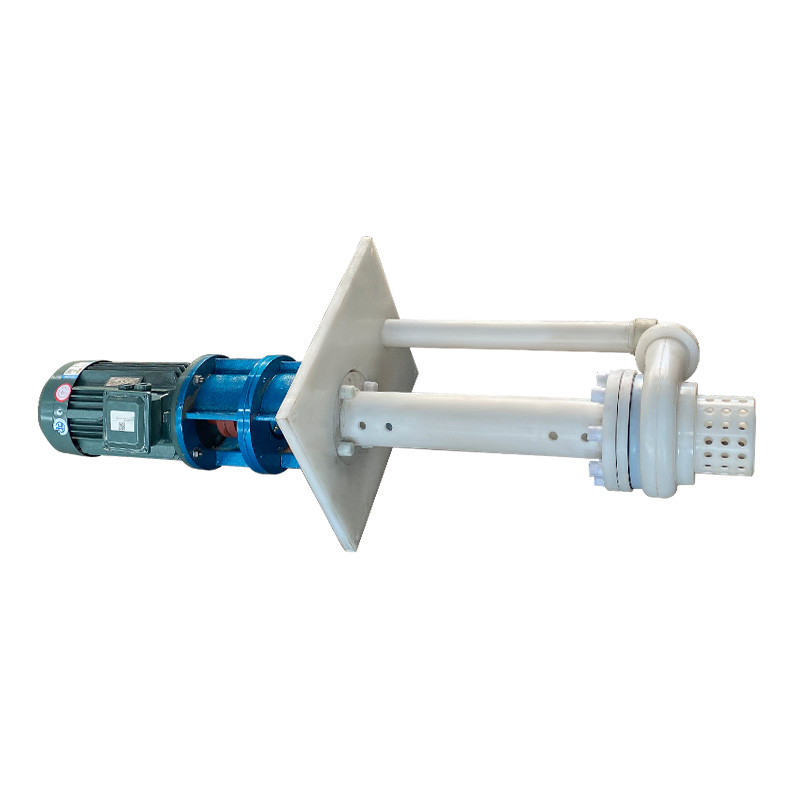
A high-performance submersible pump is an electromechanical device designed to operate while fully submerged in the fluid it transports. The pump unit combines a hermetically sealed electric motor with a hydraulic end containing impellers or stages that convert rotational energy into kinetic energy to move fluid upward against gravity.
The operating principle relies on centrifugal force generated by rotating impellers. As fluid enters the pump intake, impellers accelerate the liquid outward and upward through discharge pipes. The submerged design eliminates suction lift limitations since the pump pushes rather than pulls fluid, enabling efficient operation at significant depths
Key design features include waterproof motor housings rated for continuous submersion, mechanical shaft seals preventing fluid ingress into motor windings, and cooling systems that rely on surrounding fluid to maintain optimal operating temperatures .
Core Applications Across Industries
Multiple sectors depend on high-performance submersible pump systems for critical operations:
- Agricultural irrigation exextractsroundwater from deep boreholes
- Mining operations dewatering shafts and transporting abrasive slurry
- Municipal wastewater systems handling sewage and stormwater
- Construction sites managing groundwater infiltration and dewatering
- Industrial processes circulating cooling water and process fluids
- Emergency flood response removing high volumes of contaminated water
Mining applications particularly demonstrate the durability requirements of these systems. Submersible mining pumps handle abrasive ore, tailings, and corrosive wastewater while operating continuously in harsh underground environments.
Technical Specifications and Performance Metrics
Flow Rate and Discharge Capacity
Flow rate represents the volume of fluid a pump can move per unit time, typically measured in cubic meters per hour or liters per minute. Standard industrial submersible pump specifications range from compact units delivering 4-5 cubic meters per hour for residential wells to heavy-duty systems handling 80 cubic meters per hour or more for municipal and mining operations
A 5kW submersible pump typically achieves flow rates between 15 and 30 cubic meters per hour d, depending on depth and head pressure requirements. High-capacity 80 cubic meter per hour pumps require motors rated between 15 and 30 kW to maintain performance under demanding conditions
Matching flow rate specifications to pipeline diameter and system demand prevents efficiency losses. Undersized piping creates excessive friction losses, while oversized systems waste energy and reduce operational control .
Head Pressure and Total Dynamic Head (TDH)
Submersible pump head pressure capacity determines the vertical height and horizontal distance the pump can effectively move fluid. Head pressure represents the total resistance the pump must overcome, including vertical lift, friction losses in piping, and any pressure requirements at the discharge point .
Total Dynamic Head calculations incorporate static head (vertical distance from water source to destination), friction losses from pipes and fittings, and discharge pressure requirements. For example, lifting water 60 meters vertically with additional friction losses from long pipelines may require a TDH of 75 meters .
Standard 5kW submersible pumps achieve maximum heads of approximately 36 meters, making them suitable for deep wells up to 30-35 meters under normal operating conditions. Higher-capacity industrial pumps can achieve heads exceeding 100 meters for deep mining and municipal applications.
The following table presents typical industrial submersible pump specifications across different capacity classes:
| Capacity Class | Typical Flow Rate | Maximum Head Range | Motor Power Range | Primary Applications |
|---|---|---|---|---|
| Light Duty | 4-10 m³/h | 30-60 meters | 0.9-2.2 kW | Residential wells, small irrigation |
| Medium Duty | 15-30 m³/h | 36-80 meters | 3-7.5 kW | Agricultural irrigation, construction dewatering |
| Heavy Duty | 40-80 m³/h | 50-100 meters | 15-30 kW | Municipal water supply, industrial processes |
| Mining/Slurry | 18-200 m³/h | 12-75 meters | 7.5-45 kW | Mine dewatering, tailings transport, sand lurry handling |
Drive Systems and Motor Configurations
Electric Motor Options
Electric motors power most high-performance submersible pump installations. Three-phase motors operating at 380-415V deliver optimal efficiency and torque characteristics for continuous industrial duty. Three-phase configurations reduce electrical stress and provide a smoother startup compared to single-phase alternatives.
Motor windings require protection against moisture ingress through dual mechanical seal systems. High-quality pumps incorporate oil barriers and IP68-rated enclosures, ensuring reliable operation at submersion depths up to 100-200 meters.
Thermal overload protection prevents motor damage from excessive temperatures. Intelligent control systems monitor operating conditions and automatically shut down the pump if temperatures exceed safe thresholds
Solar-Powered Submersible Systems
Permanent magnet DC brushless synchronous motors enable solar-powered deep well submersible pump applications in remote locations. These systems achieve efficiency improvements of 15-20% compared to conventional AC motors while eliminating dependency on grid electricity .
Solar configurations typically operate at 96V-124V DC with intelligent maximum power point tracking controllers. Water shortage protection features automatically stop operation when wells run dry and restart after recovery periods, preventing damage to both the pump and the water source.
High-Performance Submersible Pump vs Centrifugal Pump
Design and Installation Differences
The submersible pump vs centrifugal pump comparison reveals fundamental engineering distinctions. Submersible pumps operate fully submerged with hermetically sealed motors integrated into waterproof housings. Centrifugal pumps iare installedabove the fluid level with external motors driving impellers through atmospheric pressure and suction.
Submersible designs eliminate priming requirements since the pump remains submerged in the fluid source. Centrifugal pumps require initial priming to fill suction lines before operation can commence, creating potential operational delays and maintenance complications
Installation complexity differs significantly between the two types. Submersible pumps require careful positioning at depth with secure electrical connections and proper suspension systems. Centrifugal pumps inare installedn stable, dry surfaces with simpler piping connection.
Performance and Efficiency Comparison
Submersible pump energy efficiency generally exceeds that of centrifugal alternatives due to the submerged operating position. Direct fluid contact eliminates suction lift losses and reduces turbulence, enabling higher efficiency in deep well and high-head applications.
Centrifugal pumps offer advantages in shallow water applications where above-ground installation simplifies maintenance access. Lower initial costs make centrifugal systems economically attractive for surface water transfer and low-head irrigation
Long-term operational costs favor submersible pumps despite higher upfront investment. Reduced maintenance requirements and superior energy efficiency typically offset initial price premiums within the equipment lifecycle .
The following table provides a detailed comparison of submersible pump vs centrifugal pump characteristics:
| Characteristic | High-Performance Submersible Pump | Centrifugal Pump |
|---|---|---|
| Installation Position | Fully submerged in a fluid source | Above ground, external to fluid |
| Priming Requirement | None required | Required before the operation |
| Depth Capability | Deep wells up to 300+ meters | Limited to shallow sources |
| Operating Noise | Very quiet due to submersion | Audible motor and impeller noise |
| Energy Efficiency | High (minimal suction losses) | Moderate (friction losses in piping) |
| Initial Cost | Higher purchase and installation cost | Lower upfront investment |
| Maintenance Access | Requires retrieval from depth | Easy surface access |
| Maintenance Frequency | Lower routine maintenance needs | Higher frequency checks required |
| Best Applications | Deep wells, mining, sewage, drainage | Surface water, HVAC, chemical transfer |
Applications in Wastewater and Mining Operations
Mining Dewatering Requirements
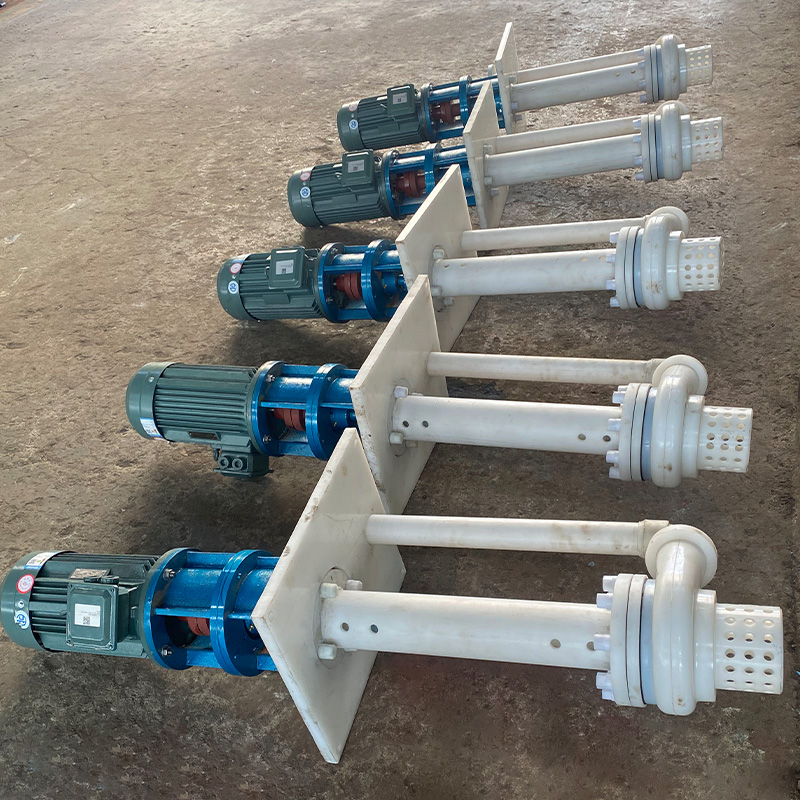
Mining operations present some of the most demanding deep well submersible pump applications. Underground mines require continuous dewatering to prevent flooding and maintain safe working conditions. Pumps must handle high-solids slurry, abrasive particles, and corrosive wastewater while operating at significant depths.
Specialized mining submersible pumps incorporate wear-resistant materials, including high-chromium alloys and rubber components. Anti-clogging impellers and agitators prevent sedimentation while breaking up large solids, ensuring reliable transport of viscous slurry from deep shafts to surface discharge points.
Open-pit mining operations utilize these pumps for sump drainage and tailings management. The compact submerged design saves surface space while providing the durability needed for continuous abrasive service .
Wastewater Handling Capabilities
Municipal and industrial wastewater systems rely on high-performance submersible pump equipment for sewage transport and stormwater management. These applications demand solids-handling capabilities to pass debris, fibrous materials, and suspended particles without clogging
Vortex and grinder impeller designs macerate solids before transport, reducing blockage risks in discharge piping. Stainless steel construction resists corrosion from aggressive wastewater chemistry while maintaining structural integrity over extended service periods .
Selection Criteria for B2B Procurement
Matching Specifications to Operational Needs
Procurement teams must evaluate several critical parameters when specifying high-performance submersible pump equipment. Flow rate requirements should account for peak demand periods rather than average conditions. Head calculations must include static lift, friction losses, and future system expansion .
Water quality analysis determines material selection requirements. High mineral content, low pH, or saline conditions necessitate stainless steel 316 or duplex steel construction rather than standard 304 grades. Abrasive applications require hardened impellers and wear plates.
Material Selection and Corrosion Resistance
Construction materials directly impact pump longevity and maintenance intervals. Standard configurations utilize stainless steel 304 for pump bodies, shafts, and discharge components. Aggressive environments demand upgraded materials:
- Stainless steel 316 for chloride-rich or chemically treated water
- High-chromium alloys for abrasive slurry and mining applications
- Bronze impellers for seawater and brackish water service
- Thermoplastic components for lightweight, corrosion-resistant alternatives
Mechanical seal materials require similar consideration. Standard nitrile rubber suits freshwater application, while Viton or ceramic seals handle elevated temperatures and chemical exposure.
Frequently Asked Questions (FAQ)
What is the maximum depth a high-performance submersible pump can operate?
The operational depth of a high-performance submersible pump depends on pump type, motor power, and well construction. Shallow well pumps typically operate at depths under 30 meters. Deep well pumps engineered for commercial and industrial applications can function at depths exceeding 300 meters. Actual performance depends on static water levels, dynamic drawdown, and pump horsepower ratings. Consulting manufacturer performance curves ensures proper selection for specific depth requirements.
How does a submersible pump differ from a centrifugal pump in terms of efficiency?
Submersible pump vs centrifugal pump efficiency comparisons favor submerged designs for deep water applications. Submersible pumps eliminate suction lift limitations and reduce friction losses by pushing fluid from within the source rather than pulling from above. This design achieves higher energy efficiency pa rticularly in high-head and deep well applications. Centrifugal pumps offer better cost-effectiveness for shallow water sources and surface transfer applications where suction lift requirements remain minimal.
What factors determine the head pressure capacity of a submersible pump?
Submersible pump head pressure capacity depends on motor power, impeller design, and stage configuration. Multi-stage pumps achieve higher heads by passing fluid through successive impellers that incrementally increase pressure. A 5kW pump typically achieves maximum heads around 36 meters, while larger 15-30kW industrial units can exceed 100 meters. Total Dynamic Head calculations must account for vertical lift, pipe friction losses, and discharge pressure requirements to ensure adequate capacity
What is the typical service life of an industrial submersible pump?
Industrial submersible pumps typically operate for 5 to 15 years dependingng on build quality, maintenance practices, and operating conditions. Pumps constructed with corrosion-resistant stainless steel or high-grade thermoplastics achieve longer service life in aggressive water conditions. Regular maintenane ,including seal inspection, impeller cleaning, and motor monitoring, can extend operational life beyond 15 years. Conversely, frequent cycling, dry running, sand-laden water, or voltage fluctuations significantly reduce pump longevity.
References
- Ken's Distributing Company, "Submersible vs Centrifugal Pumps: Key Differences Explained," March 2026.
- Alibaba Product Insights, "All About 5kW Submersible Pump: Specifications, Performance, and Common Uses," March 2026.
- Alibaba Product Insights, "All About Submersible Water Pump 80m3 H: Specifications, Performance, and Common Uses," March 2026.
- Vinsome Pump, "Difference Between Submersible Pump And Centrifugal Pump," December 2025.
- Flowatts, "Submersible Pump vs Centrifugal Pump: Which One is Better for You?" October 2025.
- Kingda Pump, "Mining Submersible Pump | No Clogging, Long Wear Life," August 2025.
- Mastra Pump, "How Far Can a Submersible Pump Push Water?" September 2025.