English
 русский
 Español
Content
- 1 Introduction: Mastering Mid-Range Flow and Head Requirements
- 2 Core Performance Specifications and Selection Criteria
- 3 Comparative Analysis: SP Mixed Flow Pump vs. Alternatives
- 4 A Step-by-Step Selection Checklist
- 5 FAQ
- 5.1 What are the most common industrial applications for a Horizontal SP Mixed Flow Pump?
- 5.2 What types of seals are used, and how is maintenance performed?
- 5.3 What are the main advantages of a Horizontal design versus a Vertical Mixed Flow Pump?
- 5.4 What is the most critical mistake to avoid when selecting an SP Mixed Flow Pump?
Introduction: Mastering Mid-Range Flow and Head Requirements
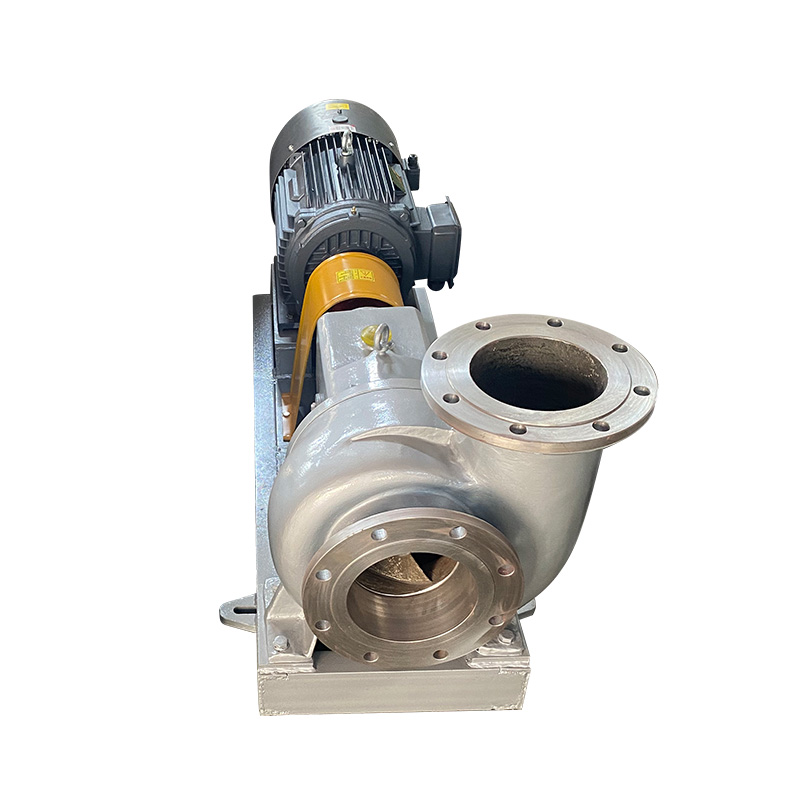
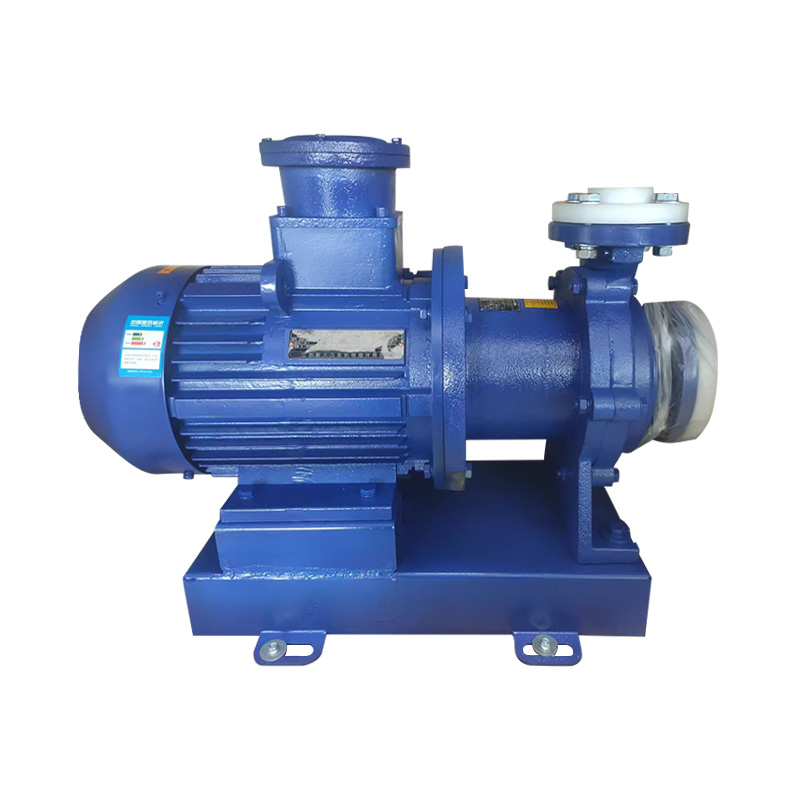
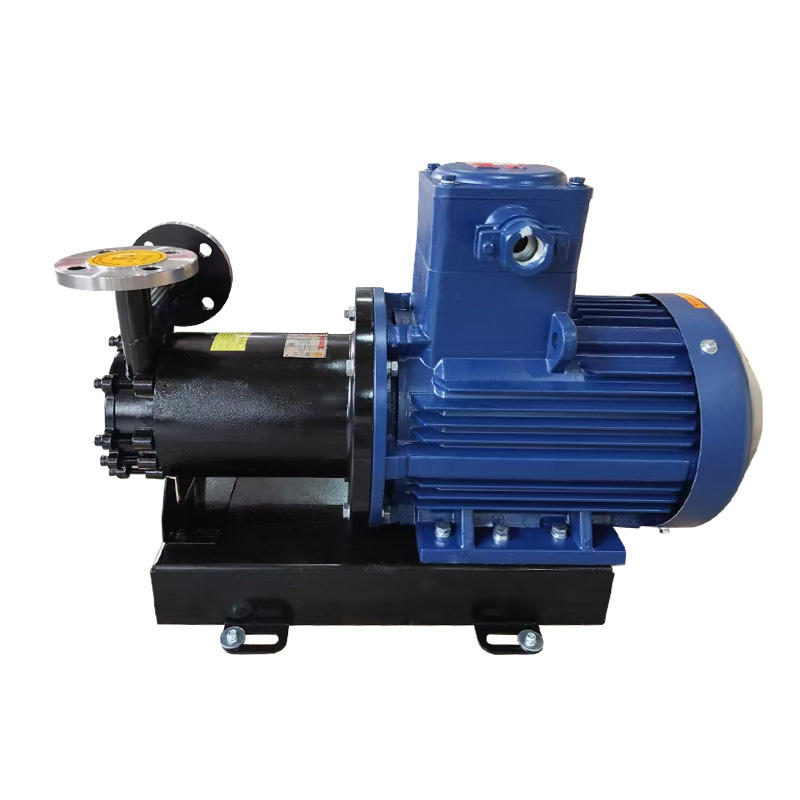
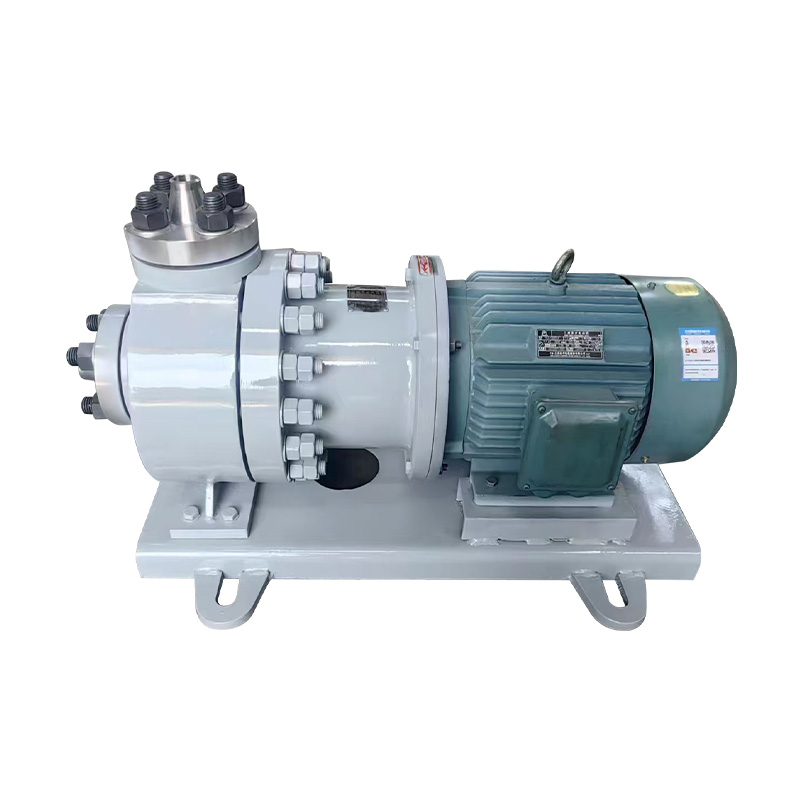
The Horizontal SP Mixed Flow Pump occupies a critical niche in industrial fluid handling, expertly bridging the gap between high-head centrifugal pumps and high-flow axial flow pumps. Characterized by its unique impeller design that combines centrifugal force and axial lift, this pump type is engineered for applications demanding substantial flow rates at moderate head levels. Its versatility and efficiency make it a cornerstone technology in sectors like large-scale water supply, chemical processing circulation, and power plant cooling systems. This guide provides a comprehensive, technical deep-dive into the pump's operation, selection criteria, and comparative advantages, empowering engineers and procurement specialists to make informed decisions.
Core Performance Specifications and Selection Criteria
Evaluating a Horizontal SP Mixed Flow Pump requires a detailed analysis of several interdependent technical parameters. Understanding these specs is crucial to ensuring the pump matches your system's curve and operates at peak efficiency.
Flow Rate and Head: The Primary Drivers
The defining characteristic of the SP mixed flow pump is its performance envelope. Typically, these pumps excel in a flow range up to 7,000 m³/h with a head range up to 25 meters. It's essential to plot your system's required operating point within this zone. For instance, industrial projects in sectors like petrochemicals may specify pumps for even higher capacities, such as 11,000-13,000 m³/h at 10-15m head, demonstrating the pump's scalability for massive circulation duties. Always select a pump where your most common operating duty point sits within the central region of its performance curve for optimal efficiency and longevity.
Efficiency, Power, and Operational Flexibility
Thanks to advanced hydraulic modeling, modern Horizontal SP pumps offer broad efficiency islands. A key operational advantage is their starting torque characteristic. Unlike axial flow pumps, the SP mixed flow pump can be started against a closed discharge valve without overloading the motor. This simplifies piping system design and startup procedures, offering greater control and safety.
- Pro Tip: When analyzing pump quotes, compare the guaranteed best efficiency point (BEP) and the shape of the efficiency curve. A flatter curve around your operating point means lower energy costs despite minor system fluctuations.
Robust Construction and Ease of Maintenance
The standard horizontal, back pull-out design is a major maintenance benefit. This design allows the entire rotating assembly—including the impeller, shaft, and seals—to be removed for inspection or service without disconnecting the pump casing from the suction and discharge piping. This drastically reduces downtime during maintenance. Furthermore, a sturdy foot-mounted design transfers pipe load directly to the foundation, minimizing shaft deflection and extending bearing and mechanical seal life.
Material Compatibility and Medium Handling
Horizontal SP Mixed Flow Pumps are versatile in handling various media. They are suitable for clean water, water with suspended solids, and chemically neutral or corrosive liquids. For aggressive chemicals, specify corrosion-resistant materials like AISI 316 stainless steel or duplex alloys. The inherently large flow passages and the mixed-flow action make these pumps less prone to clogging compared to some centrifugal designs, which is ideal for water with mild debris or in aquaculture applications.
Comparative Analysis: SP Mixed Flow Pump vs. Alternatives
To clearly understand where the Horizontal SP Mixed Flow Pump excels, a direct comparison with centrifugal and axial flow pumps is essential. The table below highlights the fundamental differences that guide the selection process.
| Feature | Horizontal SP Mixed Flow Pump | Centrifugal Pump (Single-Stage) | Axial Flow Pump |
| Working Principle | Combination of centrifugal force and axial lift; fluid exits diagonally. | Primarily centrifugal force; radial fluid discharge. | Primarily axial lift (like a propeller); fluid exits parallel to the shaft. |
| Flow-Head Profile | Medium Head, High Flow. Higher head than axial, lower than centrifugal. Higher flow than centrifugal. | High Head, Medium Flow. | Very Low Head, Very High Flow. |
| Typical Application | Plant cooling water, large-volume water transfer, chemical circulation, irrigation. | Boiler feed, pressure boosting, domestic water supply, industrial transfer. | Land drainage, stormwater pumping, low-lift irrigation, fountain circulation. |
| Performance Curve Shape | Moderately steep H-Q curve. Wide efficiency range. | Steep H-Q curve. | Very steep, drooping H-Q curve. Narrow efficiency range. |
| Start-Up Method | Can start with valve closed. | Must start with valve closed (to limit power). | Must start with valve open (to prevent motor overload). |
A Step-by-Step Selection Checklist
Follow this structured checklist to systematically narrow down your pump selection and ensure all critical factors are considered for your specific Horizontal SP pump application.
- Define System Requirements: Precisely calculate the system's maximum required flow rate (m³/h) and total dynamic head (meters). Include safety factors.
- Characterize the Pumped Medium: Specify the fluid's properties: chemical composition, pH, temperature, presence and size of solids, and abrasiveness. This dictates material and seal selection.
- Evaluate Installation Site: Confirm adequate space for a horizontal, foot-mounted pump. Assess foundation requirements and NPSH (Net Positive Suction Head) availability.
- Analyze Lifecycle Cost: Compare initial purchase price, expected energy consumption (based on efficiency at duty point), and projected maintenance costs. The back pull-out design significantly reduces long-term maintenance expenses.
- Request and Review Data: Obtain detailed performance curves, material specifications, and case studies from manufacturers for pumps that meet your preliminary criteria.
FAQ
What are the most common industrial applications for a Horizontal SP Mixed Flow Pump?
Horizontal SP Mixed Flow Pumps are workhorses in industries requiring high-volume fluid movement at moderate pressure. Their prime applications include: Power Generation (circulating condenser cooling water), Water & Wastewater Treatment (plant intake, filtered water transfer, backwashing), Chemical & Process Industries (reactor cooling, bulk fluid transfer), Large-Scale Irrigation and water transfer projects, and Marine & Aquaculture (pond circulation, seawater exchange). Their ability to handle large flows efficiently makes them ideal for these core infrastructure and process roles.
What types of seals are used, and how is maintenance performed?
Common sealing arrangements include packed gland seals for general service and double mechanical seals for leak-free handling of hazardous or expensive fluids. Maintenance is a key strength. The standard back pull-out design allows the entire rotating element to be removed after disconnecting the coupling and casing bolts, without disturbing the suction or discharge pipework or moving the motor. This enables quick inspection and replacement of the impeller, wear rings, shaft, and seals, minimizing system downtime.
What are the main advantages of a Horizontal design versus a Vertical Mixed Flow Pump?
The Horizontal SP pump offers easier access for routine motor and bearing maintenance without special lifting equipment. Its design often allows for the beneficial back pull-out feature. It typically has a lower initial cost for equivalent duty and a simpler foundation. The main trade-off is a larger footprint. Vertical mixed flow pumps save floor space, are often installed in wet pits, and are ideal for applications like flood control or raw water intake where liquid is sourced from below. However, they require more complex maintenance access to the underwater components.
What is the most critical mistake to avoid when selecting an SP Mixed Flow Pump?
The most critical error is selecting a pump based solely on flow OR head. You must match both parameters simultaneously to find a pump whose performance curve intersects your system curve at or near its Best Efficiency Point (BEP). A second major mistake is ignoring the Net Positive Suction Head Available (NPSHa) in your system. If the pump's required NPSH (NPSHr) is too high, it will cavitate, leading to rapid damage, noise, and performance loss. Always perform a thorough NPSH calculation during the selection phase.