English
 русский
 Español
Content
Fluid Dynamic Principles of the Self-Priming Cycle
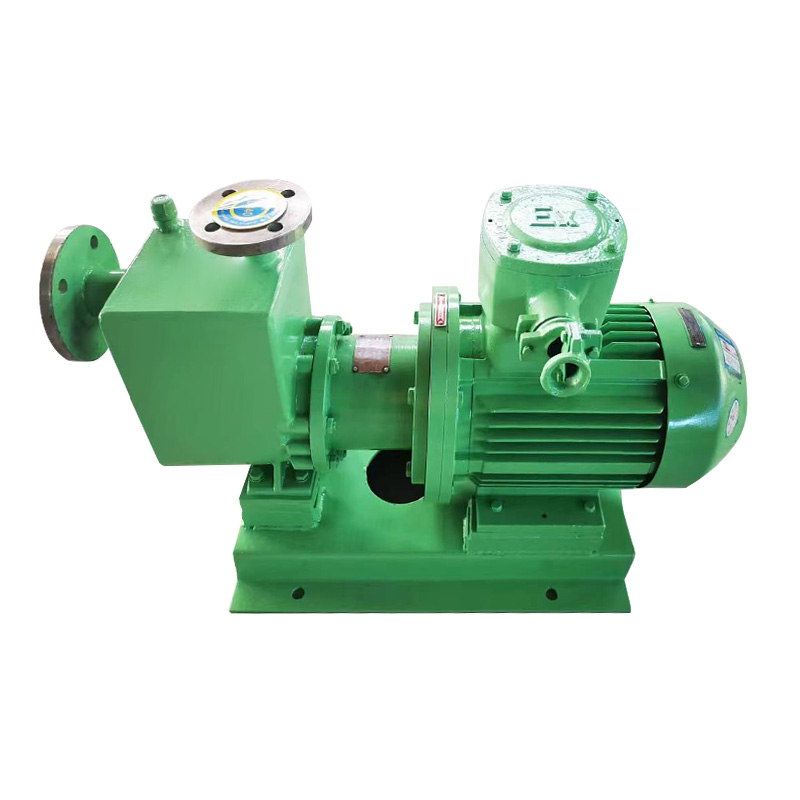
- The operational efficiency of a self priming centrifugal pump relies on the principle of air-water separation within the pump casing. Unlike standard units, the internal recirculation design facilitates the mixing of residual fluid with air from the suction line. This creates a low-density mixture that is centrifugalized toward the discharge chamber.
- During the priming phase, the air-handling efficiency of pumps is governed by the ability of the separation chamber to allow air to escape while redirecting the heavier fluid back to the impeller eye. This continuous loop evacuates the suction piping, creating the necessary vacuum for the fluid to rise. The volute geometry of self-priming pumps is specifically engineered with a wider reservoir to maintain a constant fluid supply for this process, preventing dry-running of the mechanical components.
- A critical factor is the maximum suction lift capacity, which is theoretically limited by atmospheric pressure and the fluid's vapor pressure. In practice, the priming time of centrifugal pumps increases exponentially as the vertical distance to the water source grows, requiring precise control over internal clearances to minimize backflow leakage.
Mechanical Factors Influencing Vacuum Generation and Retention
- The structural integrity of the suction check valve plays a vital role in preventing siphoning in pumps. By maintaining a full casing of fluid after shutdown, the valve ensures that the next self priming centrifugal cycle starts immediately without manual intervention. This is a primary reason why self priming pumps are efficient for drainage in intermittent sumps where manual priming is logistically impossible.
- To achieve a high vacuum rating in self-priming systems, the impeller design often features a semi-open impeller for solids handling. This geometry not only allows for the passage of suspended debris (up to 75mm in industrial models) but also maintains the turbulent flow required for efficient gas-liquid mixing. The NPSHr of self priming centrifugal pumps must be carefully managed; as the vacuum increases, the risk of cavitation at the impeller inlet rises, which can erode ASTM A48 or A536 cast iron components.
- Thermal stability is maintained through mechanical seal cooling during priming. Since the pump operates without full liquid immersion during the first few minutes, internal bypass channels direct cooling fluid to the seal faces, preventing thermal shock and face distortion.
| Operational Parameter | Self Priming Centrifugal Pump | Standard Centrifugal (with Foot Valve) |
| Suction Method | Integrated Recirculation | External Prime/Foot Valve Dependent |
| Max Theoretical Suction Lift | Approximately 7.6 to 8.5 Meters | Approximately 6 to 7 Meters |
| Solids Handling Capacity | High (Semi-open Impeller) | Low to Moderate (Enclosed Impeller) |
| Maintenance Complexity | Low (No submerged valves) | High (Requires foot valve cleaning) |
System Integration and Operational Reliability Standards
- The total cost of ownership for self-priming pumps is often lower in municipal and industrial sectors because it eliminates the need for expensive vacuum priming skids or problematic foot valves. By placing the pump at the ground level (suction lift) rather than submerged (submersible), maintenance of self-priming centrifugal pumps is simplified, allowing for rapid inspection of the wear plate and impeller without specialized lifting equipment.
- For high-demand applications, the priming cycle reliability is tested according to ISO 9906 standards. Engineers must ensure that the suction pipe diameter is correctly sized; a pipe that is too large will increase the volume of air to be evacuated, thereby increasing the priming duration and potentially overheating the recirculating fluid.
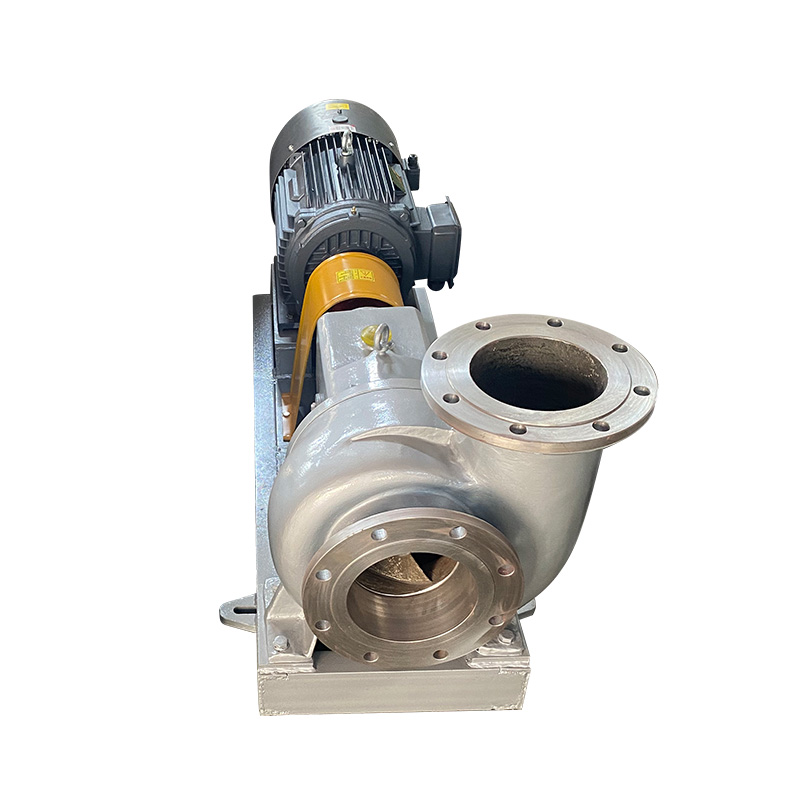
- Material selection for the volute casing and impeller is based on the abrasive or corrosive nature of the fluid. For flood control or construction dewatering, high-chrome iron or 316 stainless steel components are utilized to maintain the critical tolerances required for efficient air-liquid separation over thousands of operational cycles.
Engineering FAQ
- How does air get out of the pump during the priming cycle? Air is pushed through the discharge port by the recirculating water-air mixture. The separation chamber slows the fluid velocity, allowing air bubbles to rise and escape into the discharge line.
- What is the typical maximum suction lift for these pumps? Under standard atmospheric conditions at sea level, most high-performance self-priming pumps can achieve a static lift of 6 to 8 meters.
- Can a Self Priming Centrifugal pump run dry indefinitely? No. While they handle air during priming, they require the casing to be filled with liquid initially to facilitate the recirculation process and cool the mechanical seal.
- What is the impact of a leaking suction line? Even a minor air leak in the suction piping can prevent the pump from reaching the required vacuum, effectively stalling the priming process.
- How do you calculate the priming time? Priming time is a function of the suction line volume, the pump's air-handling capacity at various vacuum levels, and the vertical lift height.
Technical References
- ISO 9906: Rotodynamic pumps - Hydraulic performance acceptance tests.
- HI 14.3: Hydraulic Institute Standards for Rotodynamic Pumps for Design and Application.
- ASTM A536: Standard Specification for Ductile Iron Castings.