English
 русский
 Español
Content
Mechanical Integrity and Sealless Design Fundamentals
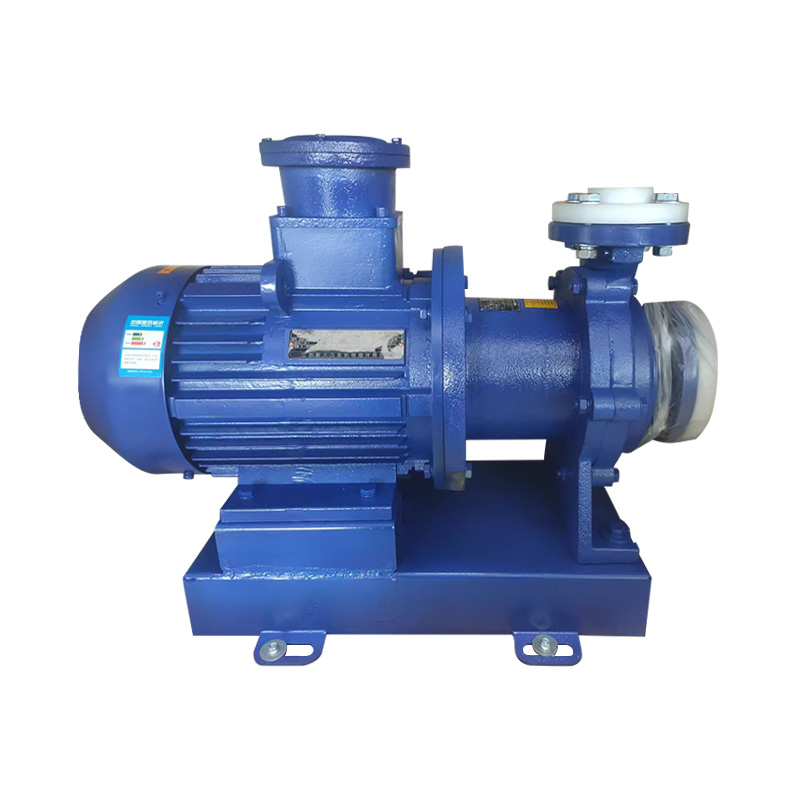
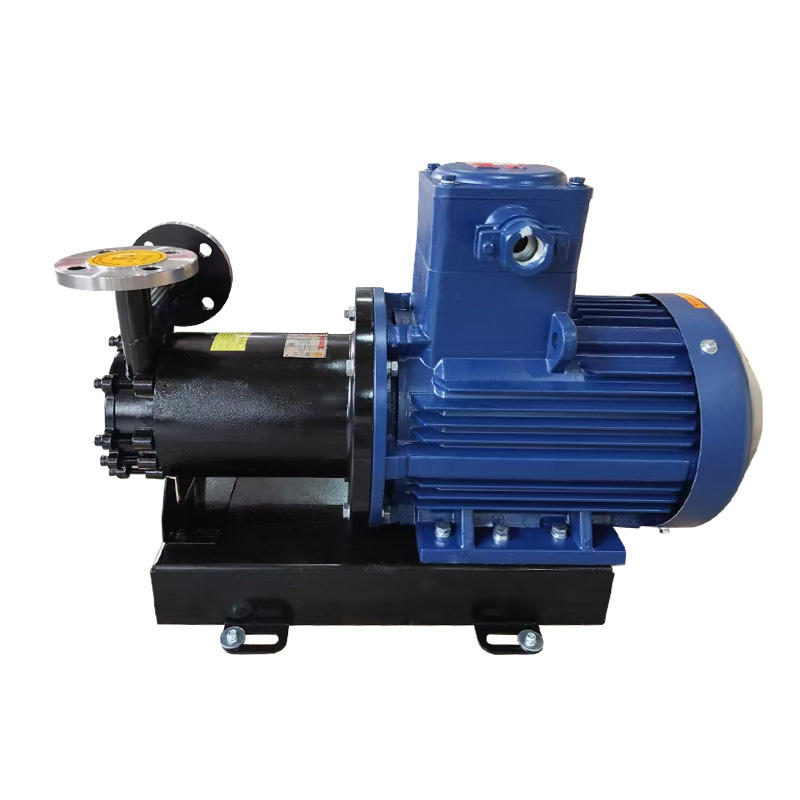
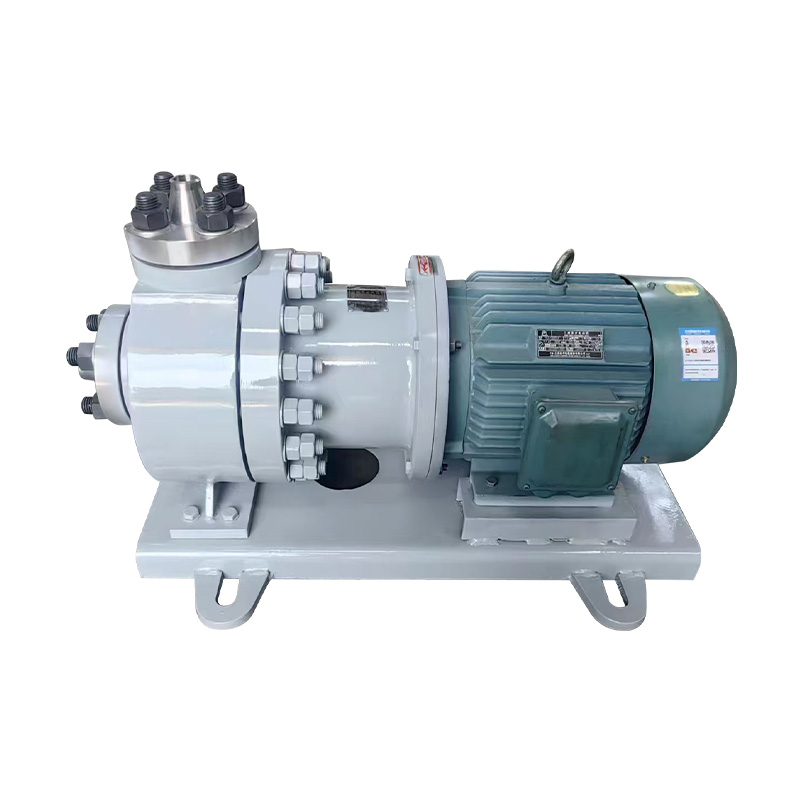
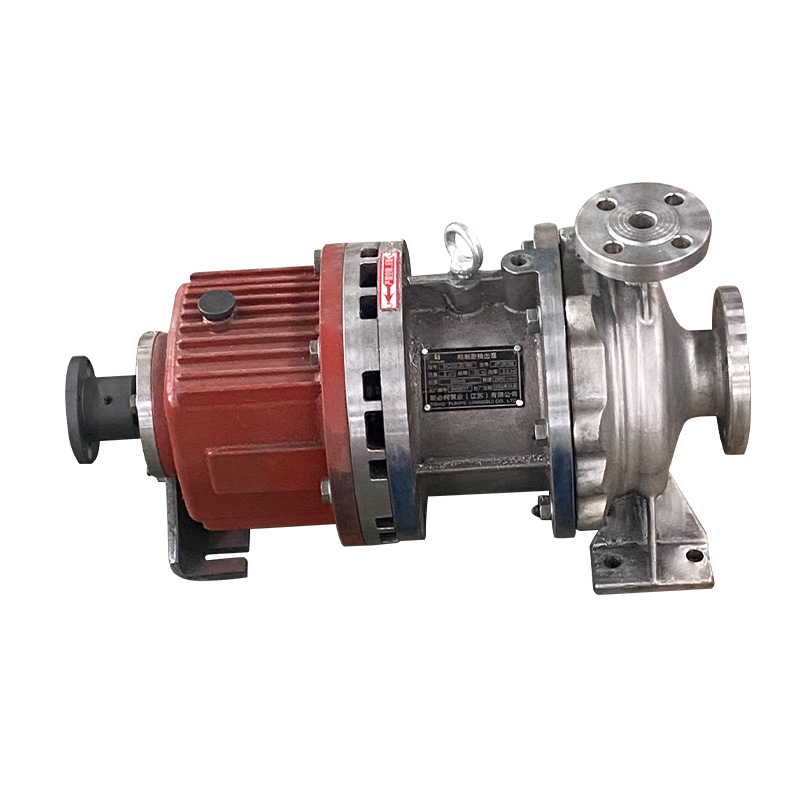
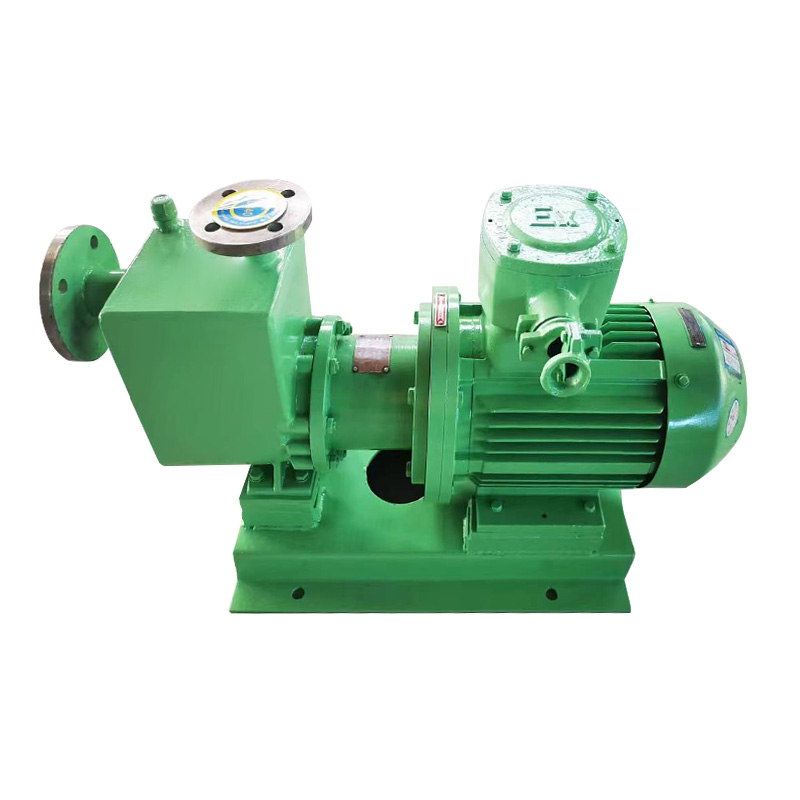
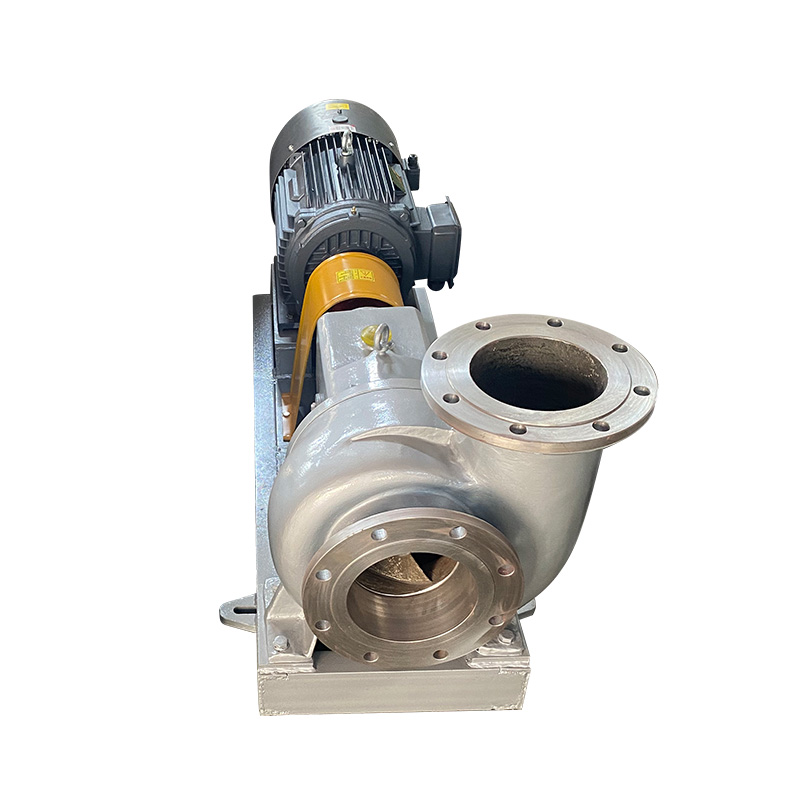
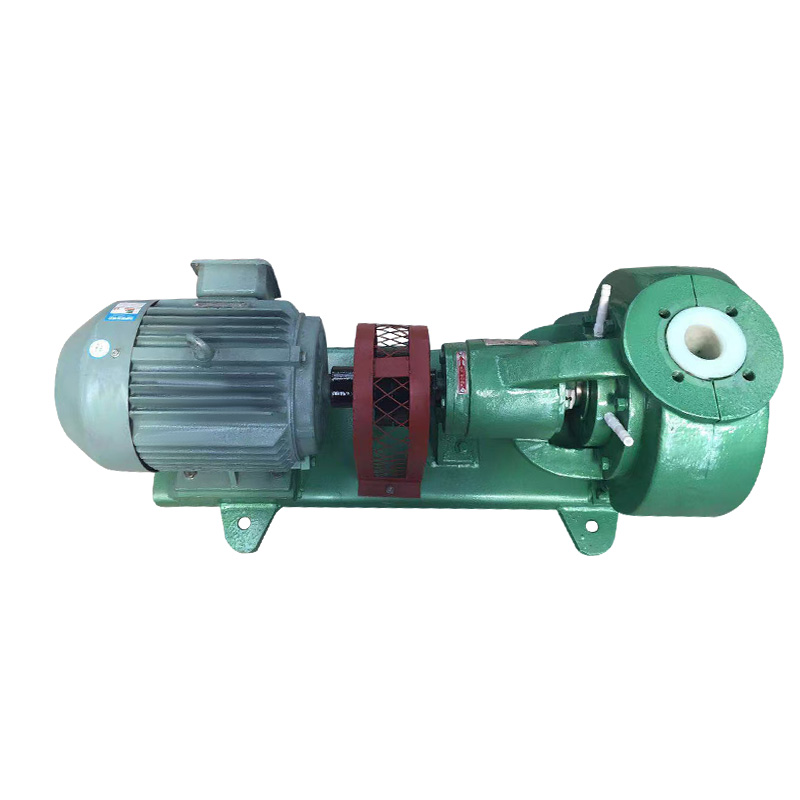
- The high pressure magnetic drive pump is engineered as a hermetically sealed unit, eliminating the traditional mechanical seal which is the primary failure point in high-stakes fluid transfer. In hazardous chemical injection, the sealless pump technology ensures that the process fluid remains entirely within the pressure boundary, utilizing a static containment shell instead of dynamic seals.
- A critical comparison of magnetic drive vs mechanical seal pumps reveals that the former provides a definitive zero-leakage solution. The high pressure magnetic drive pump achieves this by using a magnetic coupling to transmit torque through the containment shell, maintaining a static pressure barrier that can withstand system pressures exceeding PN250 or ANSI 2500# ratings.
- The containment shell burst pressure is a vital technical parameter. Manufacturers typically utilize Hastelloy C-276 or Titanium alloys to ensure the containment shell integrity under extreme hydraulic stress while minimizing eddy current loss in magnetic pumps. This selection of high-resistivity materials prevents localized overheating in the magnetic coupling zone.
Advanced Thermal Management and Axial Load Balancing
- Continuous operation in high-load cycles requires sophisticated thermal management in magnetic pumps. The internal cooling flow path redirects a portion of the discharge fluid through the magnet area and the sleeve bearings. This internal circulation flow is essential to dissipate the heat generated by eddy currents and to provide lubrication for the silicon carbide (SiC) bearings.
- The orientation of SiC bearings in high pressure pumps is critical for maintaining axial thrust balance. High pressure differentials create immense axial forces; however, an automatic thrust balancing system, utilizing specialized pressure ports and balance holes, ensures that the impeller "floats" within the casing, reducing mechanical wear on the thrust faces to negligible levels.
- When considering secondary containment in chemical pumps, the high pressure magnetic drive pump acts as a dual barrier. Should the primary containment shell be breached, many industrial designs include a secondary mechanical seal or a pressure-rated bearing frame to provide an additional layer of protection, meeting the most stringent secondary containment benchmarks for toxic or flammable injection.
| Technical Specification | Magnetic Drive Construction | Double Mechanical Seal Construction |
| Leakage Rate | Absolute Zero (Static Seal) | Controlled Vapor Leakage (Dynamic Seal) |
| Pressure Boundary Type | Static Containment Shell | Rotating Seal Faces |
| Mean Time Between Maintenance (MTBM) | 15,000 to 25,000 Hours | 5,000 to 8,000 Hours |
| Required Support Systems | None (Self-Cooled) | API Plan 52/53 (Complex Pressurization) |
| NPSHr Management | Internal Recirculation Design | Standard Casing Volute |
Total Cost of Ownership and Regulatory Compliance in Refineries
- Calculating the total cost of ownership for magnetic drive pumps involves more than the initial capital expenditure. By removing the need for API seal support systems and external cooling water, the maintenance of high pressure pumps is simplified, resulting in significantly lower operational costs over a 10-year lifecycle in refinery applications.
- The hazardous chemical injection standards (such as API 685) mandate rigorous testing for sealless pumps. A high pressure magnetic drive pump complies with these regulations by offering high tensile strength casings (ASTM A351 CF8M or similar) and magnetic materials with high curie temperature stability to prevent demagnetization at elevated process temperatures.
- Ultimately, the benefits of sealless magnetic pumps extend to environmental compliance. In jurisdictions with strict Volatile Organic Compound (VOC) emission limits, the static sealing nature of this technology provides a future-proof solution against evolving environmental safety mandates.
Engineering FAQ
- How does a High Pressure Magnetic Drive Pump handle solids? These pumps are primarily designed for clean fluids. However, with an external flush (API Plan 11 or 32), they can handle minor concentrations of solids by preventing them from entering the magnetic coupling area.
- What happens if the internal cooling flow is blocked? A power monitor or temperature sensor on the containment shell is recommended to trigger an emergency shutdown, preventing thermal damage to the magnets.
- Is the containment shell susceptible to fatigue? Through-thickness stresses are calculated during the design phase using Finite Element Analysis (FEA) to ensure the shell operates well within its elastic limit across its service life.
- Can these pumps run dry? Standard magnetic drive pumps cannot run dry. Silicon carbide bearings require constant fluid lubrication; dry running will lead to rapid thermal shock and bearing failure.
- What is the maximum pressure rating for a standard high-pressure model? While custom designs exist for higher pressures, standard industrial models often reach up to 400 bar (40 MPa) for specific injection applications.
Technical References
- API Standard 685: Sealless Centrifugal Pumps for Petroleum, Petrochemical, and Gas Industry Process Service.
- ISO 15783: Seal-less rotodynamic pumps - Class I - Specification.
- ASTM A351/A351M: Standard Specification for Castings, Austenitic, for Pressure-Containing Parts.