English
 русский
 Español
Content
- 1 Industrial Compliance: API 610 Standard Petrochemical Process Pump for Refinery
- 2 Material Excellence: Corrosion Resistant Petrochemical Process Pump for Hazardous Fluids
- 3 Engineering Design: High Temperature Vertical Petrochemical Process Pump Specifications
- 4 Sustainable Operations: Energy Efficient Petrochemical Process Pump Manufacturers
- 5 Operational Reliability: Petrochemical Process Pump Maintenance and Troubleshooting Guide
- 6 FAQ
Industrial Compliance: API 610 Standard Petrochemical Process Pump for Refinery
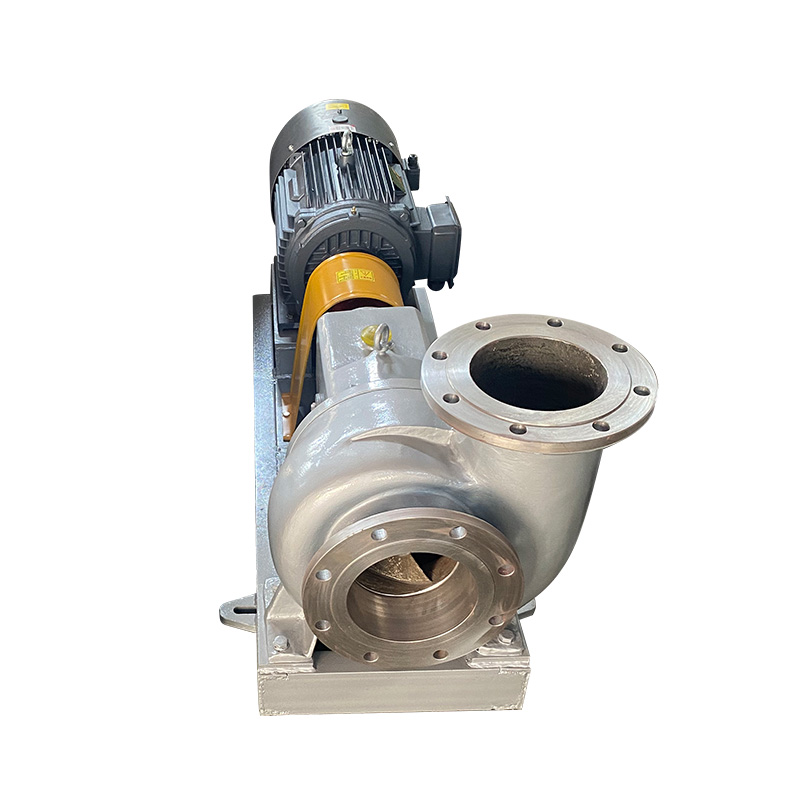
In the high-stakes environment of modern oil and gas processing, mechanical reliability and operational safety are paramount. An API 610 standard Petrochemical Process Pump for refinery operations is engineered to withstand the most demanding conditions, where failure is simply not an option. Founded in 1987, Jiangsu Huanyu Chemical New Materials Co., Ltd. has spent over three decades perfecting the art of machinery manufacturing, integrating investment casting with advanced hot and cold processing. Our facility, located on the banks of the Yangtze River, utilizes a workforce of over 100 professionals to develop industrial pipeline transportation pumps that meet international safety benchmarks. The API 610 standard specifies rigorous requirements for centrifugal pumps, focusing on shaft deflection limits, bearing life, and heavy-duty casing designs that can contain high-pressure surges. By choosing a pump that adheres to these specifications, refineries can ensure continuous operation, minimize unplanned downtime, and protect personnel from the catastrophic risks associated with fluid leaks. Our continuous product development has resulted in ten major series and over 300 specifications, ensuring that every refinery can find a precision-engineered solution tailored to its specific flow and pressure requirements.
- Enhanced casing thickness for superior pressure containment and safety.
- Optimized bearing housing designs to maximize mechanical seal life.
- Rigorous vibration testing to ensure stability in high-speed applications.
- Compliance with strict shaft deflection standards for long-term durability.
| Standard Type | Focus Area | Typical Application |
| API 610 | Heavy-duty safety and reliability | Oil Refineries & Gas Plants |
| ANSI / ISO 5199 | Dimensional interchangeability | General Chemical Processing |
Material Excellence: Corrosion Resistant Petrochemical Process Pump for Hazardous Fluids
Transporting hazardous chemicals requires a profound understanding of metallurgy to prevent material degradation and environmental contamination. A corrosion resistant Petrochemical Process Pump for hazardous fluids must be constructed from exotic alloys capable of resisting pitting, crevice corrosion, and stress corrosion cracking. Our manufacturing process excels in investment casting, allowing us to produce pumps in materials such as 316L, 904L, 2205 Duplex Stainless Steel, Hastelloy, and Titanium. These materials allow our chemical centrifugal pumps to handle aggressive media, including concentrated acids, chlorine-rich fluids, and strong alkalis. By controlling the entire manufacturing chain—from raw material selection to precision machining—we ensure that every "Huanning" brand pump provides a reliable barrier against leakage. These custom industrial pipeline transportation pumps are widely utilized across metallurgy, chemical fiber, and electric power sectors. The choice of material is the single most critical factor in determining the total cost of ownership, as it directly influences maintenance frequency and the lifespan of the equipment in corrosive environments.
- Selection of Duplex 2205/2507 for high strength and chloride resistance.
- Use of Titanium and Hastelloy for extreme acidic or oxidizing media.
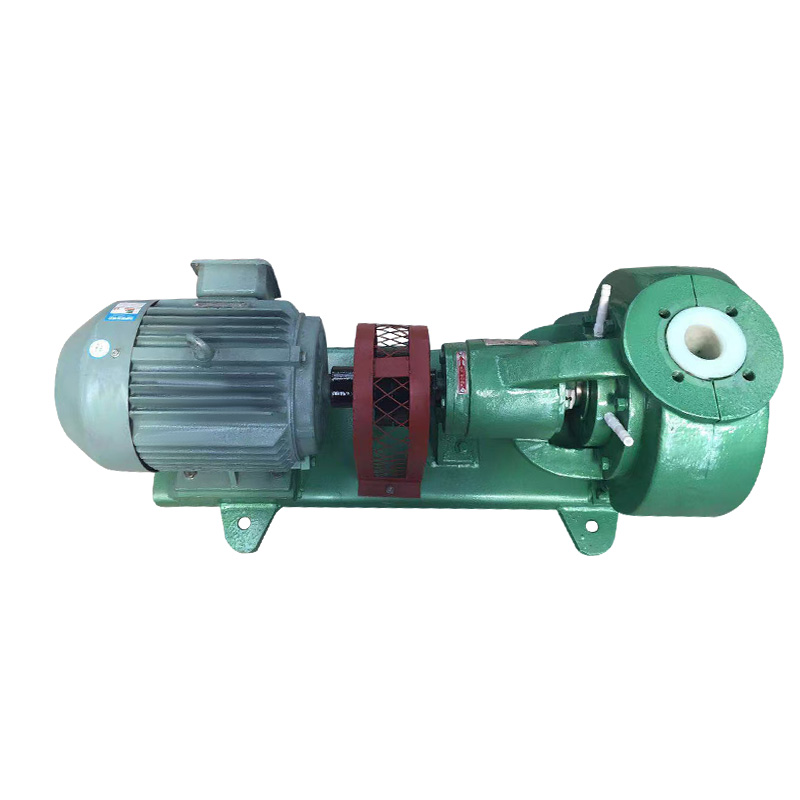
- Fluorine plastic lining options for cost-effective acid resistance.
- Precision investment casting for smooth hydraulic passages and higher efficiency.
| Material Grade | Chemical Resistance | Typical Media |
| SS 316L / 904L | Moderate to High | Weak Acids / Seawater |
| Hastelloy / Titanium | Extreme | Hydrochloric / Nitric Acid |
| CD4MCu (Duplex) | High Erosion/Corrosion | Slurries with Corrosives |
Engineering Design: High Temperature Vertical Petrochemical Process Pump Specifications
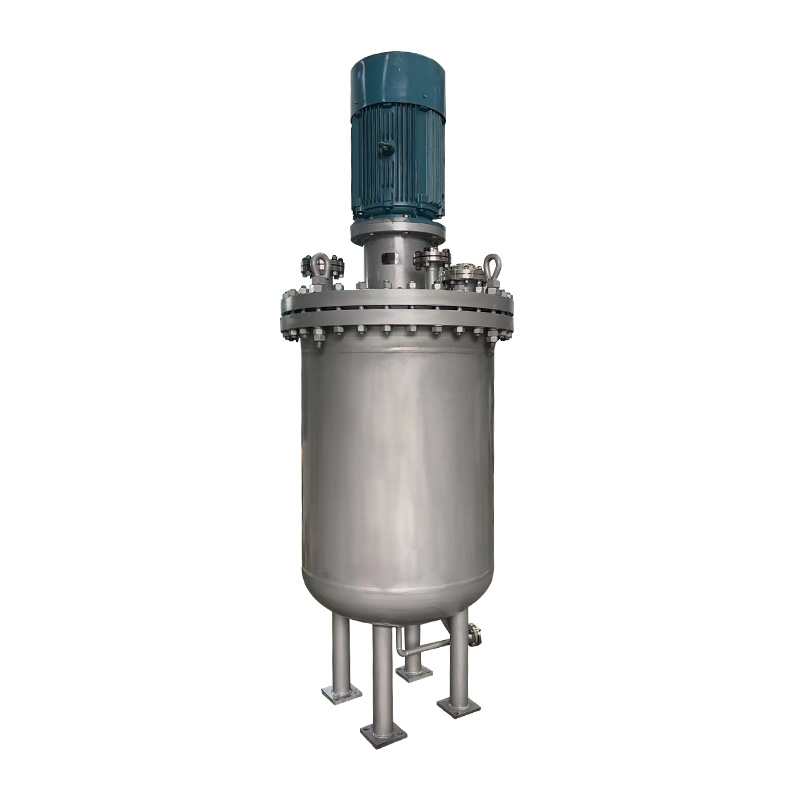
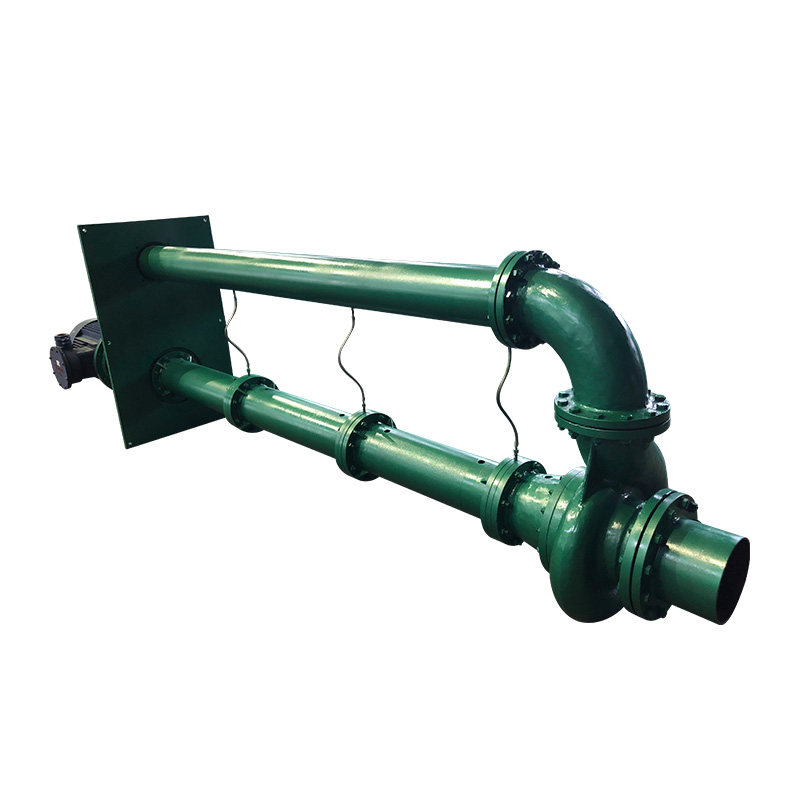
In applications involving molten salts, hot oils, or high-temperature chemicals, thermal expansion and mechanical seal cooling become primary engineering challenges. The high temperature vertical Petrochemical Process Pump specifications often favor a vertical configuration to minimize the footprint and allow the motor to be positioned away from the heat source. Vertical liquid pumps and forced circulation pumps are essential for moving high-temperature fluids through heat exchangers or reactors. At our Jiangsu facility, we incorporate advanced cooling jackets and specialized sealing technologies to maintain seal face integrity at temperatures exceeding 250 degrees Celsius. Our vertical pumps are designed with cantilevered shafts or specialized sleeve bearings to ensure stable rotation even as thermal expansion occurs. By providing OEM and ODM services, we can customize pump lengths and discharge configurations to fit existing pipeline infrastructure perfectly, a service that has allowed our products to be exported to Laos, Thailand, Tanzania, Russia, and beyond.
- Integrated cooling jackets for mechanical seal protection.
- Vertical design for space-saving and simplified piping.
- Specialized thermal expansion joints to protect structural integrity.
- High-temperature alloy construction for zero-leakage safety.
| Configuration | Temperature Limit | Space Requirement |
| Horizontal OH2 | High (with cooling) | Large |
| Vertical VS1/VS4 | Very High | Minimal / Compact |
Sustainable Operations: Energy Efficient Petrochemical Process Pump Manufacturers
As the global industry shifts toward carbon neutrality, the demand for energy conservation in fluid transport has never been higher. As energy efficient Petrochemical Process Pump manufacturers, we focus on optimizing the hydraulic profile of our impellers to reduce turbulence and energy loss. Magnetic pumps and fluorine plastic centrifugal pumps are part of our green technology initiative, eliminating the need for traditional mechanical seals and thus preventing frictional energy loss and hazardous fugitive emissions. A precision-cast impeller, produced through our high-tech investment casting process, ensures that the pump operates at its Best Efficiency Point (BEP) for a wider range of flow conditions. For industrial pipeline transportation, reducing power consumption by even a small percentage can lead to massive savings in operational expenditure over the pump's multi-decade lifecycle. Our commitment to high-performance film products and advanced technology ensures that we provide pre-sales technical support to help customers select the most efficient pump specification for their specific pipeline head and flow requirements.
- Computational Fluid Dynamics (CFD) optimized impellers for maximum efficiency.
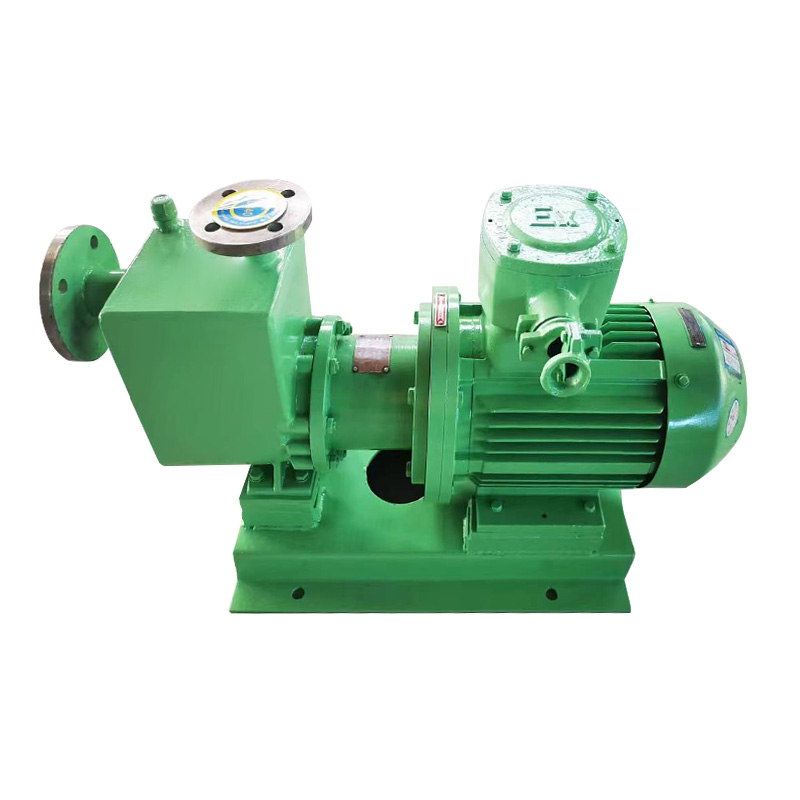
- Magnetic drive options for zero-leakage and lower maintenance.
- Self-priming features to eliminate the need for external priming systems.
- Variable frequency drive (VFD) compatibility for demand-based pumping.
| Pump Tech | Energy Efficiency | Emission Risk |
| Mechanical Seal | Standard | Moderate |
| Magnetic Drive | High | Zero / Hermetic |
Operational Reliability: Petrochemical Process Pump Maintenance and Troubleshooting Guide
Ensuring the longevity of industrial assets requires a proactive approach to maintenance. A comprehensive Petrochemical Process Pump maintenance and troubleshooting guide involves regular monitoring of vibration, temperature, and lubricant quality. Bearing failure and mechanical seal leaks are the most common causes of pump downtime. By implementing a predictive maintenance schedule, operators can identify early signs of cavitation—often caused by insufficient Net Positive Suction Head (NPSH)—before it damages the impeller. Our technical team provides thoughtful after-sales service and guidance to ensure that "Huanning" pumps operate at peak performance. Common troubleshooting steps include checking for air ingress in suction lines, verifying alignment between the motor and the pump, and ensuring that cooling water flow is sufficient for high-temperature seals. With our convenient location near the Jiangyin Yangtze River Bridge, we warmly welcome old and new customers to visit our factory for technical guidance and to witness our quality assurance systems firsthand.
- Regular vibration analysis to detect bearing wear early.
- Quarterly seal inspections to prevent hazardous fluid release.
- Alignment checks during routine shutdowns to reduce shaft stress.
- Education of operators on the dangers of dry-running and cavitation.
FAQ
What are the key differences between API 610 and ISO 5199 pumps?
While both standards govern centrifugal pumps, the API 610 is specifically designed for the high-pressure, high-temperature, and hazardous environments of the oil and gas industry. An API 610 standard Petrochemical Process Pump for refinery use has stricter requirements for casing thickness, shaft stiffness, and bearing longevity (minimum 25,000 hours). ISO 5199 is generally used for lighter chemical duties where the cost-to-performance ratio is the primary concern and extreme safety margins are less critical.
How do I select the best material for a corrosion-resistant pump?
Material selection depends on the fluid's concentration, temperature, and pH value. For acidic media with chlorides, 2205 or 2507 Duplex Stainless Steel is often used. For extreme acids like hydrochloric or concentrated sulfuric acid, a corrosion resistant Petrochemical Process Pump for hazardous fluids made from Titanium or Hastelloy is necessary. We provide custom casting in over ten types of alloy materials to match the exact corrosive profile of your media.
Why is NPSHa critical in petrochemical vertical process pump applications?
NPSHa (Net Positive Suction Head Available) must always exceed the NPSHr (Required) of the pump to prevent cavitation. In a high temperature vertical Petrochemical Process Pump specifications, the fluid is often near its vapor pressure. If the suction head is insufficient, bubbles form and collapse violently against the impeller, causing rapid erosion and mechanical failure. Vertical pumps are often chosen because they can be submerged or placed at a lower elevation to increase the available head.