English
 русский
 Español
Content
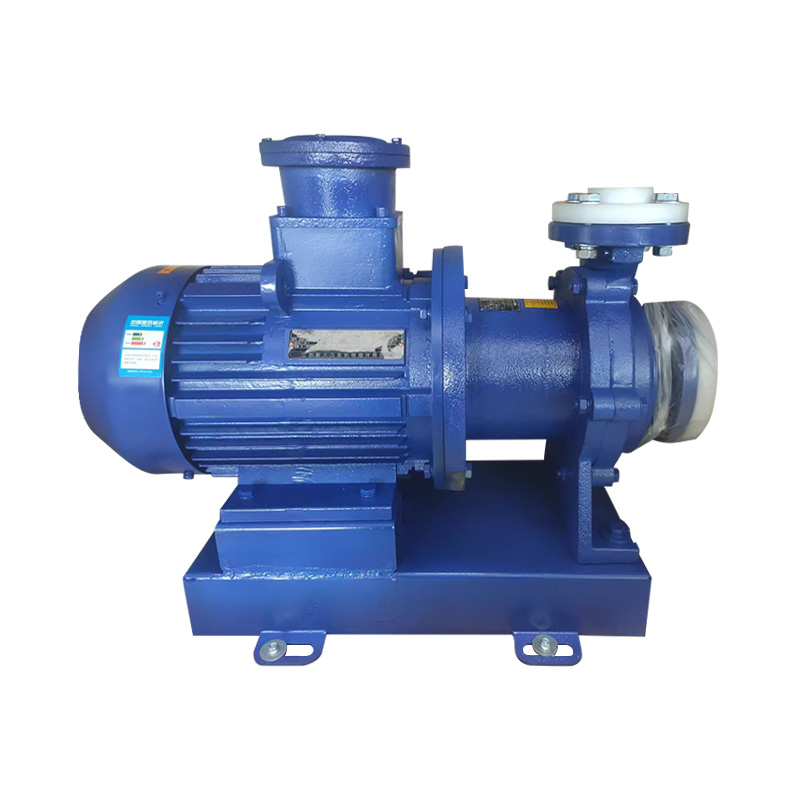
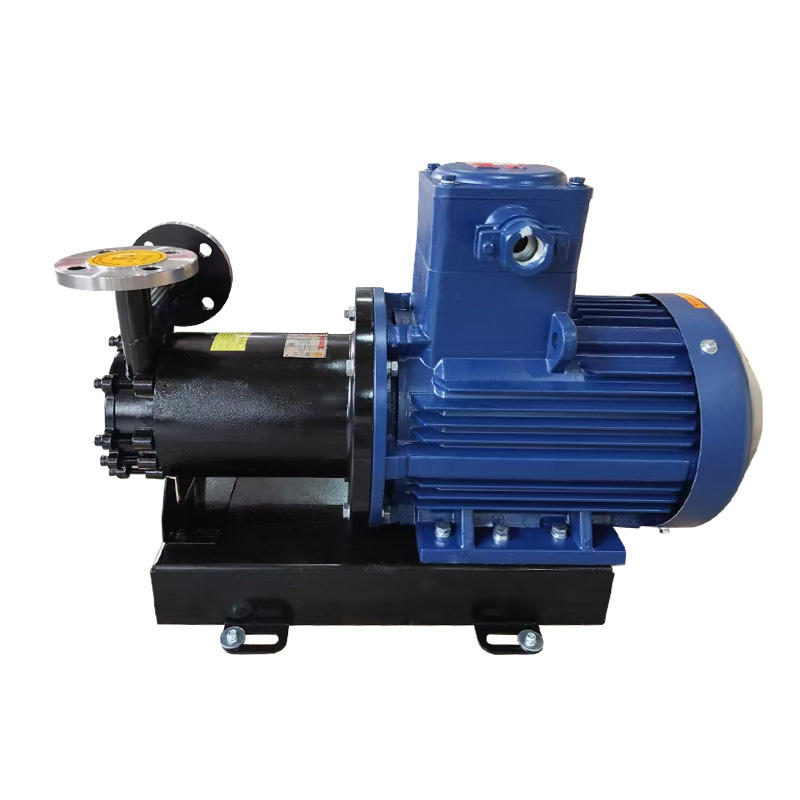
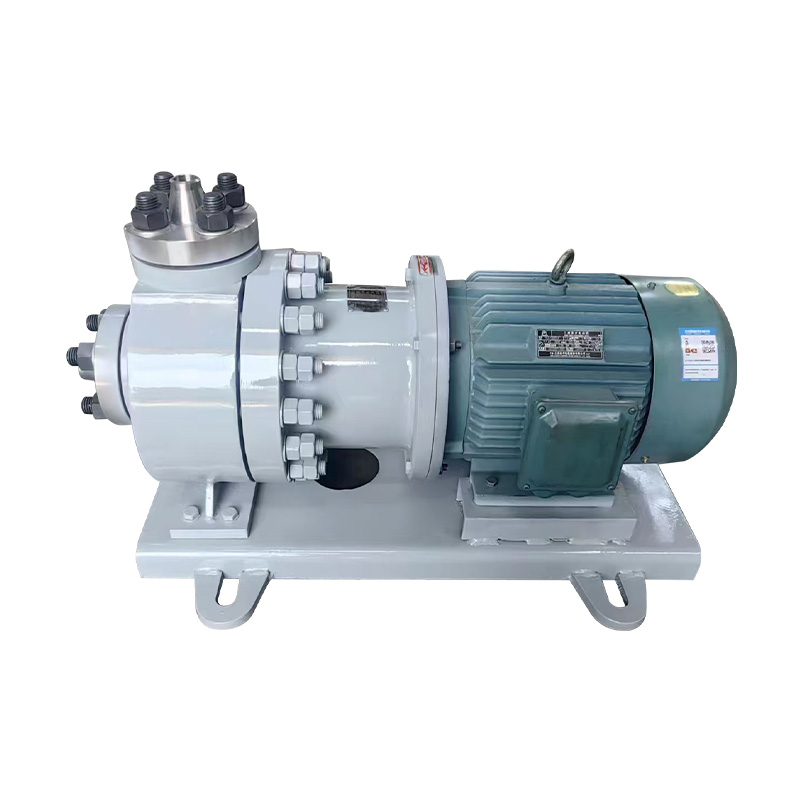
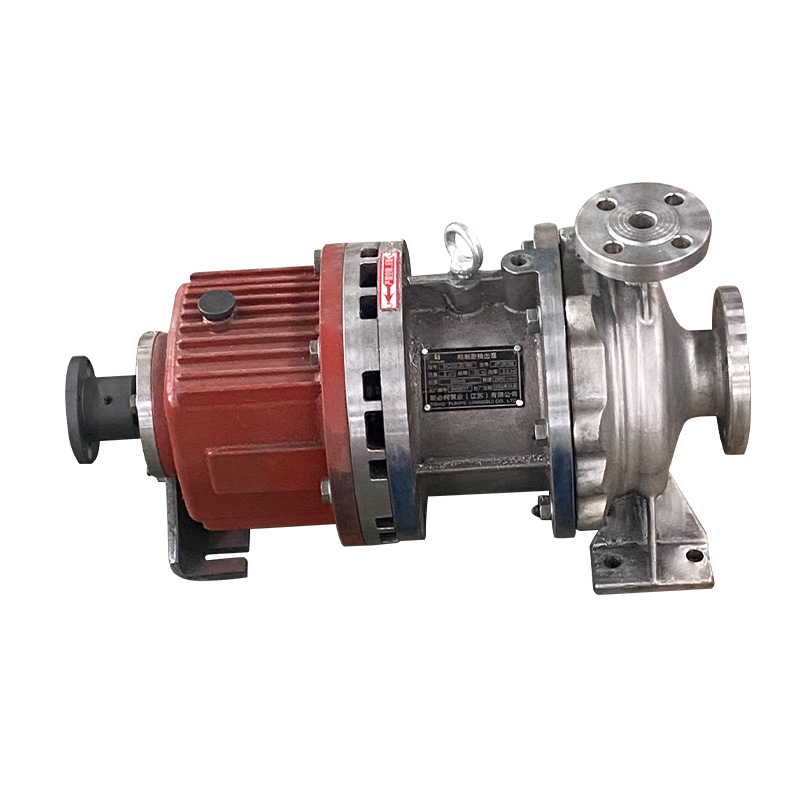
CWB magnetic vortex pump for corrosive fluids
When handling corrosive fluids, the choice of pump is critical because many conventional pumps suffer rapid degradation in harsh chemical environments. The CWB magnetic vortex pump excels in this domain because it integrates corrosion-resistant materials and a sealless design that reduces points of chemical attack. Its construction often includes stainless steel or high-grade alloy inner components, and the isolation between the fluid and the motor via magnetic coupling removes the need for dynamic seals that wear under corrosive assault. In practice, this means that acids, alkalis, solvents, and other aggressive media can be pumped with lower risk of leakage or material failure. In industries such as chemical processing, electroplating, or specialty coatings, the ability to transport corrosive media reliably is a major operational advantage, reducing downtime and maintenance costs.
CWB magnetic vortex pump performance data
Evaluating any pump requires understanding a set of core performance metrics such as flow rate, head, power consumption, and efficiency. For a CWB magnetic vortex pump, performance curves typically show that at moderate flows, head can remain relatively high, but the efficiency may decline at extremes of the operating envelope. Real-world tests often reveal that under standard conditions, the pump can achieve stable flow with decent head, but as load increases or fluid properties shift, efficiency losses can mount. External factors such as viscosity, density, inlet pressure and temperature play strong roles in shifting performance. In many operational settings, engineers track not only ideal curve points but also off-design behavior, since pumps rarely operate exactly at their best efficiency point for extended periods.
CWB magnetic vortex pump maintenance guide
Maintenance of a CWB magnetic vortex pump is simpler in some respects but still demands attention. Routine inspections include verifying alignment of the magnetic coupling, checking for unusual vibration or noise, and monitoring temperature in the containment shell. One must also periodically inspect the bearings or sliding surfaces for wear, clean any deposits or scaling on the impeller or casing, and ensure that any cooling circulation passages remain unobstructed. Common failure modes include bearing seizure (often due to lubricant starvation), magnetic decoupling (due to misalignment or fatigue), and corrosion attack in overlooked corners. To prolong life, operators should follow a regular schedule of flushing, visual inspection, and gradual ramping up in startup to avoid thermal shock or abrupt stress on components.
CWB magnetic vortex pump temperature limits
Temperature exerts a strong influence on both material behavior and seal integrity. As fluid temperature rises, thermal expansion may loosen tolerances, degrade any nonmetallic components, or raise internal stresses in coupling components. Conversely, at very low temperatures, increased viscosity and brittleness can strain materials. Therefore, safe operational boundaries must be defined for each pump model. In many documented cases, a magnetic vortex pump performs better at moderate elevated temperatures than at subfreezing levels, with declines in head and efficiency at extremes. Engineers designing systems incorporating these pumps often build in temperature control measures—such as preheating, insulation, or recirculation—to stay within safe zones. In extreme temperature experiments, pumps have demonstrated significant drops in output when fluids are colder, underscoring the importance of thermal control.
CWB magnetic vortex pump advantages vs centrifugal
When comparing the CWB magnetic vortex pump with traditional centrifugal pumps, the most striking difference lies in sealing and leakage behavior. Whereas centrifugal pumps rely on dynamic shaft seals that degrade over time and may leak, the sealless nature of magnetic coupling offers inherently safer containment. That said, centrifugal pumps often exhibit higher peak efficiency at large flow and lower head regimes, so there is a trade-off. In low flow / high head applications, the magnetic vortex design can outperform conventional centrifugal units in terms of reliability, particularly where leakage, corrosion, or hazardous fluids are involved. Decision makers must consider the entire operational envelope: if the process demands tight containment, chemical compatibility, or frequent stops, the magnetic vortex approach often prevails. Conversely, if sheer volume pumping at moderate head is the priority, a centrifugal pump may remain more economical under certain conditions.