English
 русский
 Español
Content
- 1 What "self priming" actually means
- 2 How the priming cycle unfolds, stage by stage
- 3 The internal components that make it possible
- 4 Technical specifications, explained in plain language
- 5 Where these pumps are put to work
- 6 How it compares with other pump types
- 7 Misconceptions people often have
- 8 A bit of background on why the design exists
- 9 The key takeaway
- 10 Frequently asked questions
- 10.1 Does a self priming pump ever need to be filled manually?
- 10.2 How far below the pump can the water source be?
- 10.3 How long does the priming process usually take?
- 10.4 What is the difference between self priming lift and total pumping head?
- 10.5 Can this type of pump handle liquids with debris or solids?
- 10.6 Is a self priming pump the same as a submersible pump?
- 10.7 Why does priming matter for intermittent use applications?
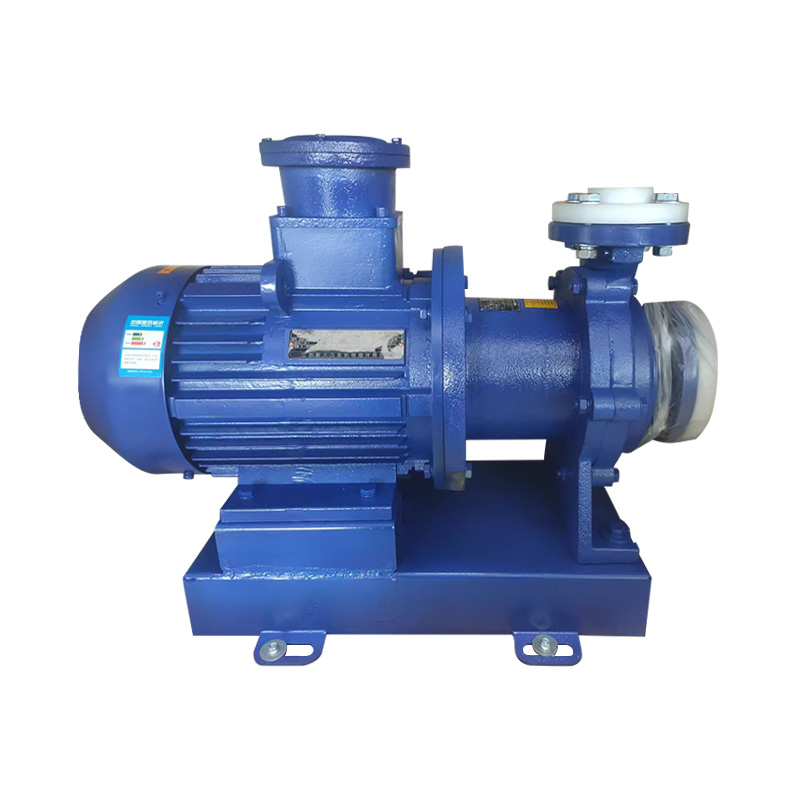
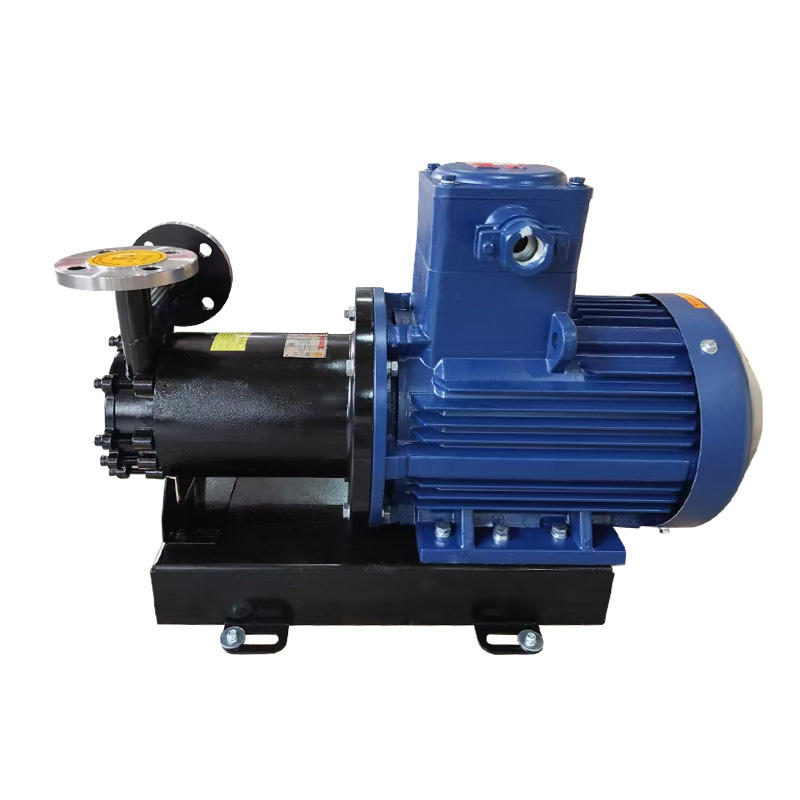
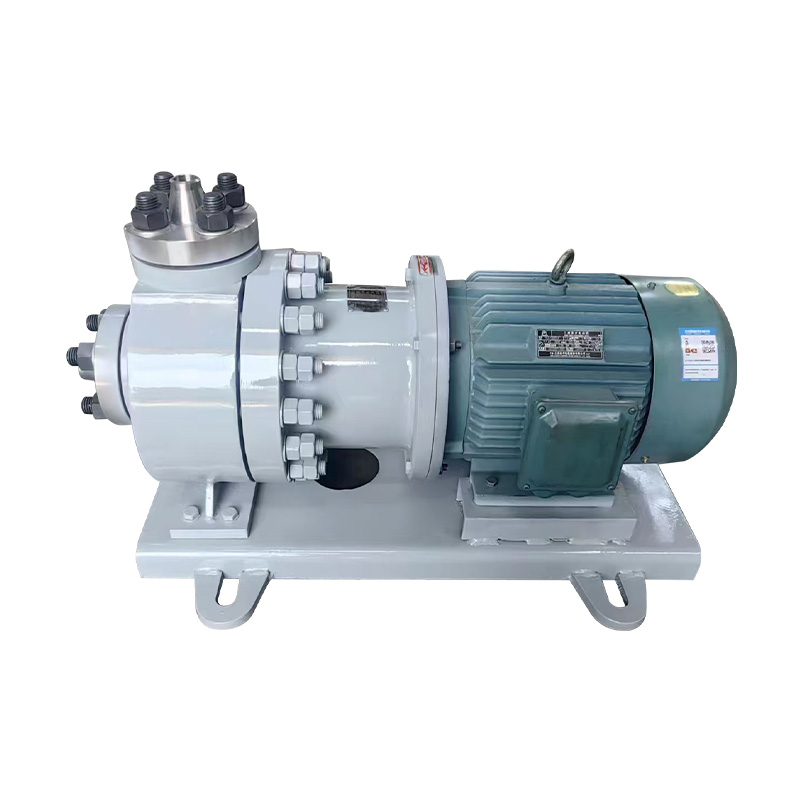
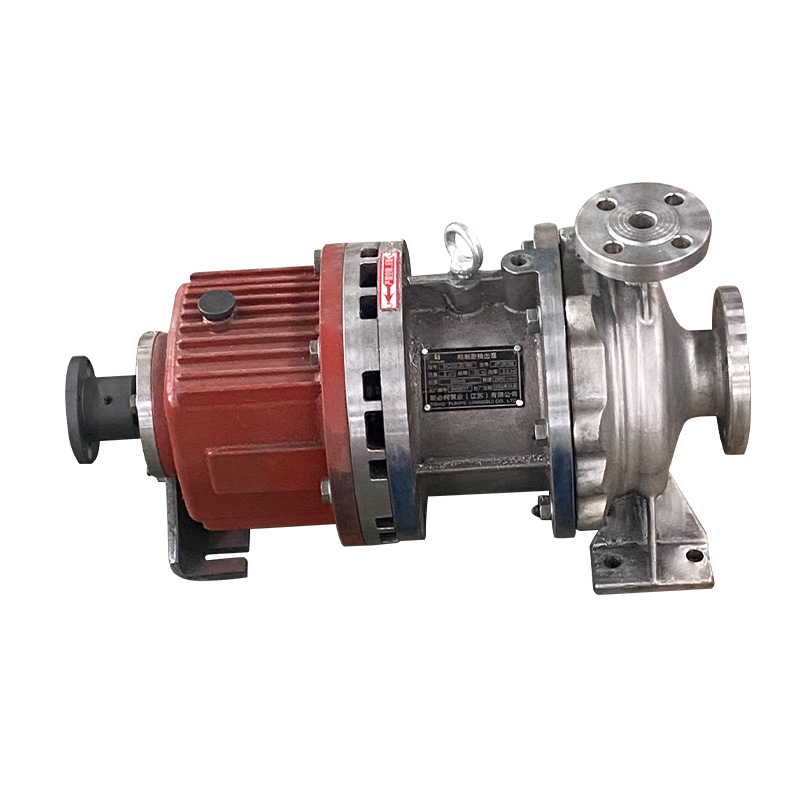
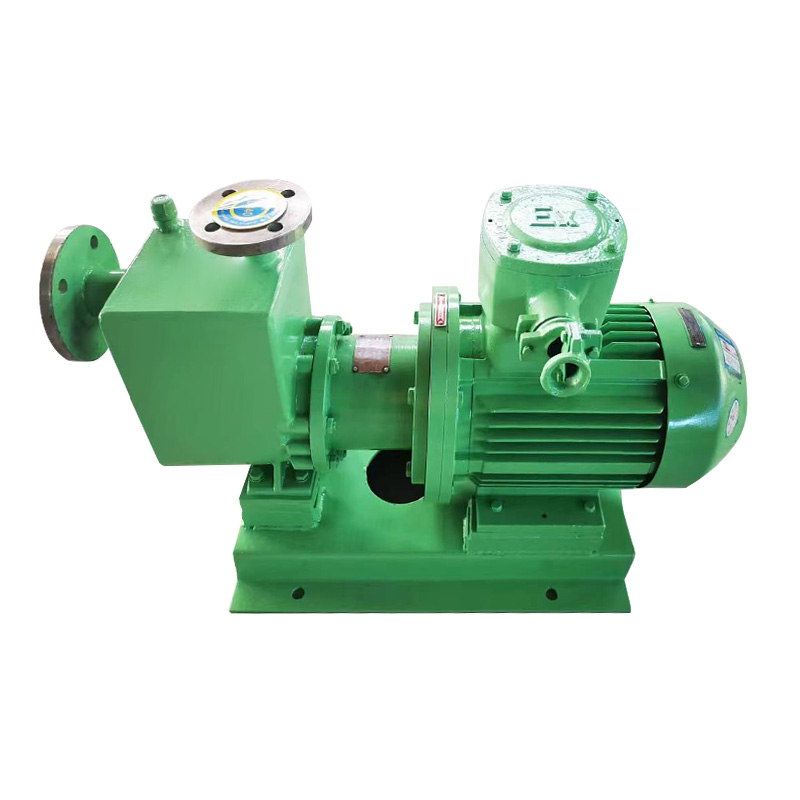
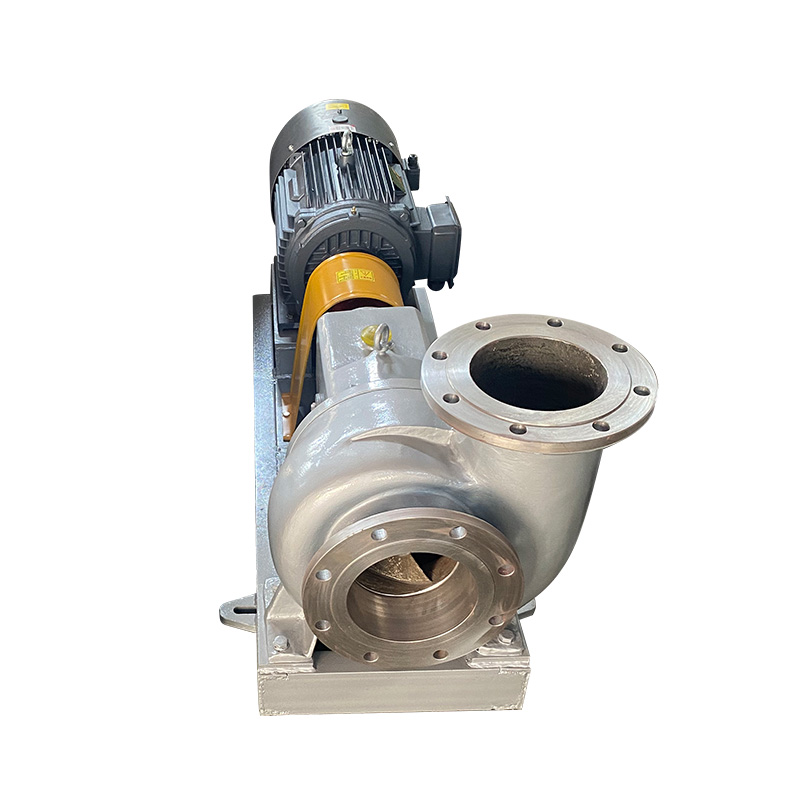
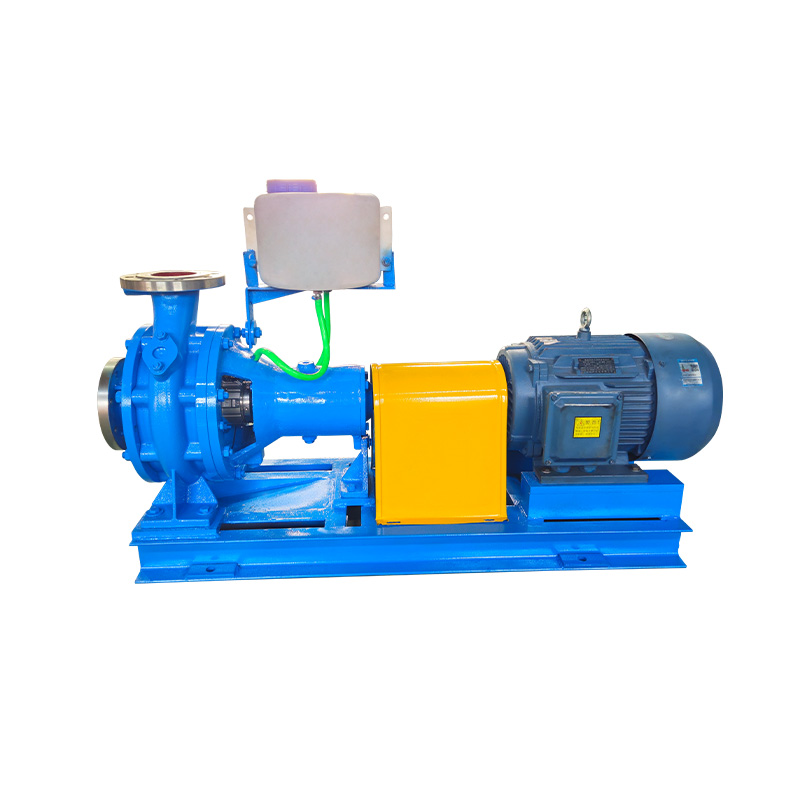
Most pumps need to be filled with liquid before they can start working, which is a problem for any pump that sits above the water it needs to move. A Centrifugal Self Priming Pump solves that problem on its own, clearing trapped air from its own intake line without help from a separate priming device, and it does this using nothing more exotic than a cleverly shaped internal chamber and the same spinning impeller found in any ordinary centrifugal pump.
Needs its casing and intake line fully flooded with liquid before it can generate flow. An air pocket in the line causes it to spin uselessly.
Holds a reserve of liquid inside an internal chamber, using it to purge air from the intake line automatically each time it starts.
What "self priming" actually means
Priming, in pump terminology, is the process of removing air from a pump's casing and intake line so that liquid, not air, is what the impeller is pushing. An ordinary centrifugal pump relies on liquid already being present in the casing to create the pressure difference that draws more liquid in. Air is roughly a thousand times less dense than water, so a centrifugal pump spinning in air alone cannot generate enough pressure difference to pull water up into itself.
A self priming pump gets around this limitation by keeping a reservoir of liquid inside its casing even after it shuts down. When the pump restarts with an empty intake line, that retained liquid mixes with the incoming air, and the impeller churns the mixture vigorously enough to separate the air out and expel it, gradually replacing the air in the line with liquid until normal pumping action takes over. No external foot valve, vacuum pump, or manual filling step is required, which is the entire appeal of the design.
How the priming cycle unfolds, stage by stage
| Stage | What happens inside the pump |
| Startup with empty line | The impeller spins inside a casing that still holds liquid retained from the previous run |
| Air and liquid mix | Incoming air from the empty intake line is drawn into the casing and churned together with the retained liquid |
| Separation chamber does its work | The turbulent air-liquid mixture moves into a separation chamber shaped to let lighter air rise and escape while liquid falls back down |
| Air is expelled through the discharge | Freed air exits through the discharge port while liquid recirculates back toward the impeller |
| Line fills completely | This cycle repeats within seconds to minutes until the intake line is fully flooded with liquid |
| Normal pumping resumes | With air fully purged, the pump behaves exactly like a standard centrifugal pump for the remainder of its run |
The entire process typically takes anywhere from a few seconds to a couple of minutes, depending on how long the intake line is and how much air needs to be cleared, and it happens automatically every time the pump starts from an unprimed condition.
The defining feature is not the impeller, which is identical to a standard centrifugal design, but the internal separation chamber that lets the pump recirculate its own retained liquid to purge air without outside assistance.
The internal components that make it possible
-
Impeller
A rotating component with curved vanes that accelerates liquid outward using centrifugal force, the same mechanism used in any centrifugal pump.
-
Priming chamber
An enlarged internal cavity that retains a volume of liquid even after the pump stops, providing the material needed to purge air on the next startup.
-
Separation area
A specially shaped section of the casing where turbulent air-liquid mixture slows down enough for air bubbles to rise and separate from the liquid.
-
Check valve or foot valve
Often fitted at the intake to help retain liquid in the line between pump cycles, reducing how much re-priming is needed at each restart.
-
Casing geometry
Shaped specifically to encourage recirculation of the retained liquid rather than letting it pass straight through to the discharge.
Technical specifications, explained in plain language
| Specification | Typical range | What it tells you |
| Self priming lift | Roughly 3 to 8 meters vertical | How far below the pump the liquid source can sit and still be drawn up automatically |
| Priming time | Seconds to a few minutes | How long the pump takes to fully clear air after a dry start |
| Flow rate | Varies widely by model and impeller size | Volume of liquid the pump can move once fully primed and running normally |
| Maximum solids handling | Depends on impeller and casing design | Whether the pump can safely handle liquids carrying debris or particulates |
| Materials of construction | Cast iron, stainless steel, bronze, or engineered polymers | Determines corrosion resistance and suitability for different liquids |
Self priming lift is worth understanding in particular, since it is often confused with total pumping head. It only describes how far the pump can lift liquid up into itself during the priming stage, from a source positioned below the pump. Once liquid is flowing normally, the pump's discharge pressure and flow performance are governed by an entirely separate set of curves specific to its impeller and casing design.
Where these pumps are put to work
Because a Centrifugal Self Priming Pump can be installed above its liquid source and does not require a person to manually fill it before every use, it shows up wherever convenience and reliability matter more than the marginal efficiency of a fully submerged pump. Construction sites use these pumps for dewatering excavations and trenches, since the intake line frequently runs dry between uses. Agricultural irrigation systems rely on them to draw water from ponds, wells, or open channels without constant manual priming. Wastewater and sewage handling applications favor them because the self priming feature keeps the system reliable even after routine shutdowns. Firefighting and emergency water transfer equipment depend on rapid, automatic priming to get water flowing within seconds of being needed.
How it compares with other pump types
| Pump type | Priming requirement | Best suited for |
| Centrifugal self priming pump | Automatic, using retained liquid in an internal chamber | Applications with intermittent use and a liquid source below the pump |
| Standard centrifugal pump | Must be manually filled or installed below the liquid source | Continuous operation where the pump stays flooded at all times |
| Positive displacement pump | Generally self priming by design, using trapped volumes rather than centrifugal force | Highly viscous fluids or applications needing precise, consistent flow regardless of pressure |
| Submersible pump | No priming needed, since the pump sits directly in the liquid | Applications where the pump can be fully submerged, such as wells or sumps |
Choosing between these options usually comes down to where the pump physically needs to sit and how often the system is expected to start from dry. A submersible pump avoids the priming question entirely by living in the liquid, but that is not always practical or accessible, which is exactly the gap a self priming centrifugal design is built to fill.
Misconceptions people often have
Self priming means the pump never needs any liquid inside it at all.
In reality, the pump must be filled with liquid at least once before its first use, since it relies on retained liquid already inside the casing to prime itself on later startups.
A self priming pump can lift water from any depth automatically.
Self priming lift is limited, typically to a few meters, and pulling from a deeper source requires a different pump configuration entirely.
Priming only matters the very first time a pump is installed.
Priming happens every time the pump starts with an empty or partially empty intake line, which can occur repeatedly over the life of the system depending on how it is used.
A bit of background on why the design exists
Centrifugal pumps became widespread in the late nineteenth and early twentieth centuries because they could move large volumes of liquid efficiently using a simple rotating impeller. Their major limitation, the requirement to stay flooded, became a real obstacle as pumps moved into applications like construction dewatering and mobile irrigation, where the liquid source was not always guaranteed to stay connected or where the pump had to sit above the water level for practical reasons. Engineers responded by modifying the internal casing geometry to retain a working volume of liquid between uses, effectively giving the pump a built-in reservoir it could use to bootstrap itself back into normal operation. This design has remained largely unchanged in principle for decades, refined mainly through better materials and more efficient separation chamber shapes rather than any fundamentally new mechanism.
The key takeaway
A centrifugal self priming pump earns its name through a straightforward but effective trick: retaining a small volume of liquid inside its casing so that every restart, even from a completely dry intake line, can purge trapped air on its own. That single feature removes the need for manual filling, external priming devices, or careful attention to keeping the pump flooded, which is why the design remains a practical choice anywhere a pump needs to sit above its liquid source and start reliably without assistance.
Frequently asked questions
Does a self priming pump ever need to be filled manually?
Yes, it needs to be filled with liquid once before its very first use, since later self priming cycles depend on liquid already retained inside the casing from prior operation.
How far below the pump can the water source be?
Self priming lift is typically limited to roughly three to eight meters, depending on the specific pump model and the length of the intake line.
How long does the priming process usually take?
It generally ranges from a few seconds to a couple of minutes, depending on the length of the intake line and how much air needs to be cleared.
What is the difference between self priming lift and total pumping head?
Self priming lift describes only how far the pump can draw liquid up during the priming stage, while total pumping head describes the pump's overall discharge pressure once it is running normally.
Can this type of pump handle liquids with debris or solids?
Many models can, depending on impeller and casing design, though the maximum solids size and concentration varies significantly between specific pump configurations.
Is a self priming pump the same as a submersible pump?
No, a submersible pump sits directly in the liquid and never needs priming at all, while a self priming pump sits above the liquid and clears air from its intake line automatically.
Why does priming matter for intermittent use applications?
Any time the intake line drains or fills with air between uses, the pump has to clear that air again before normal pumping resumes, which is common in applications that start and stop frequently.